

Pork, fresh, variety meats and by-products, jowl, raw
Whole food · Pork Products

Photo: Wikipedia
Pork jowl, or the cheek meat of the pig, is a remarkably rich and flavorful cut known for its high fat content and tender, succulent texture when cooked properly. It's a culinary powerhouse, delivering a deep, savory pork flavor with a melt-in-your-mouth quality that's prized in many cuisines. Nutritionally, it's an energy-dense food, providing a substantial amount of calories and fat with a modest protein contribution.
Calorie split: 4% protein · 0% carbs · 96% fat
↓ Full nutrition💚 Why it's loved
People adore pork jowl for its unparalleled richness and the way it transforms when cooked—becoming incredibly tender and flavorful, whether braised, grilled, or fried. It's a cornerstone of soul food and Italian cuisine, celebrated for its ability to absorb seasonings and deliver a luxurious, comforting bite.
⚠️ Watch-outs & how to enjoy it better
Due to its very high fat content, pork jowl is calorie-dense and should be enjoyed in moderation, especially by those monitoring fat intake. To balance a meal, pair a small portion with fiber-rich vegetables or a vinegar-based slaw to cut through the richness and add nutritional balance.
Key benefits
- Excellent source of dietary fat for energy and satiety
- Provides essential B vitamins, particularly thiamine and niacin
- Contains minerals like zinc and selenium
- High in monounsaturated fats, similar to olive oil
🍽️ Popular dishes
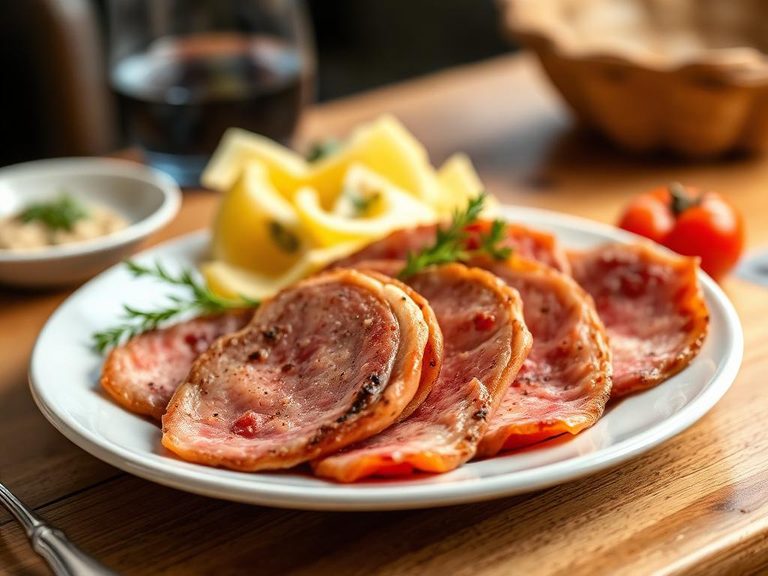
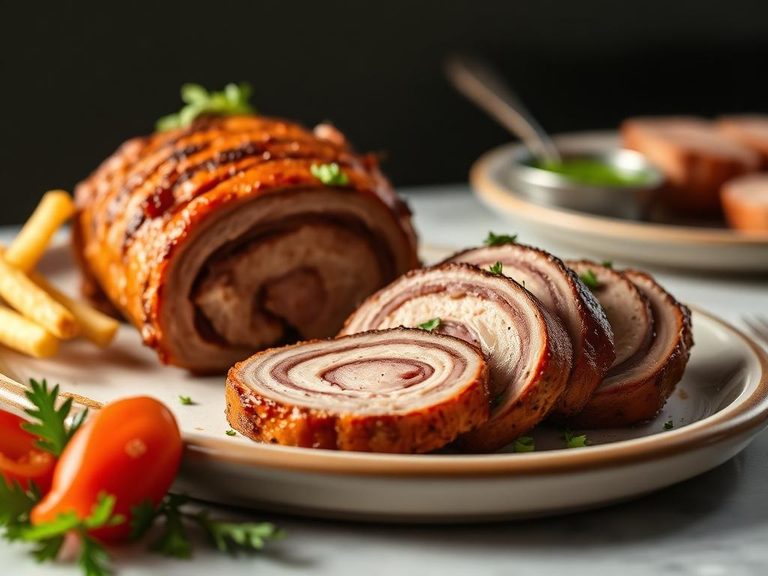
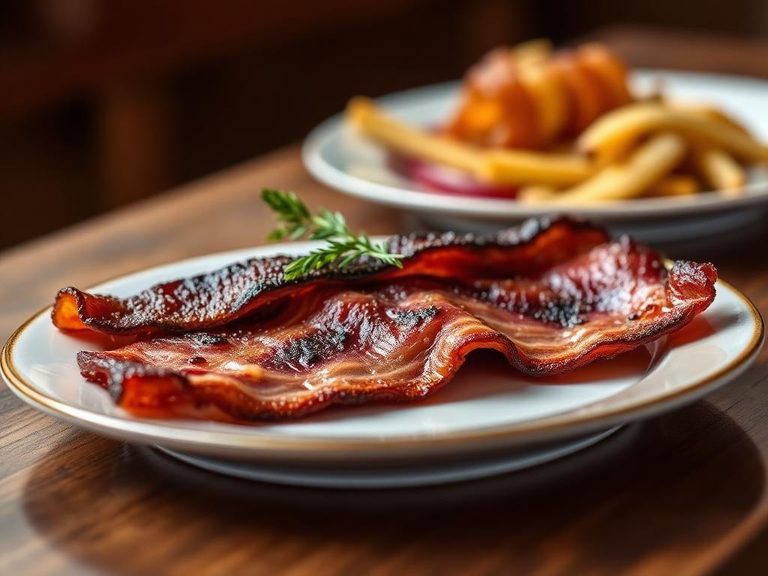
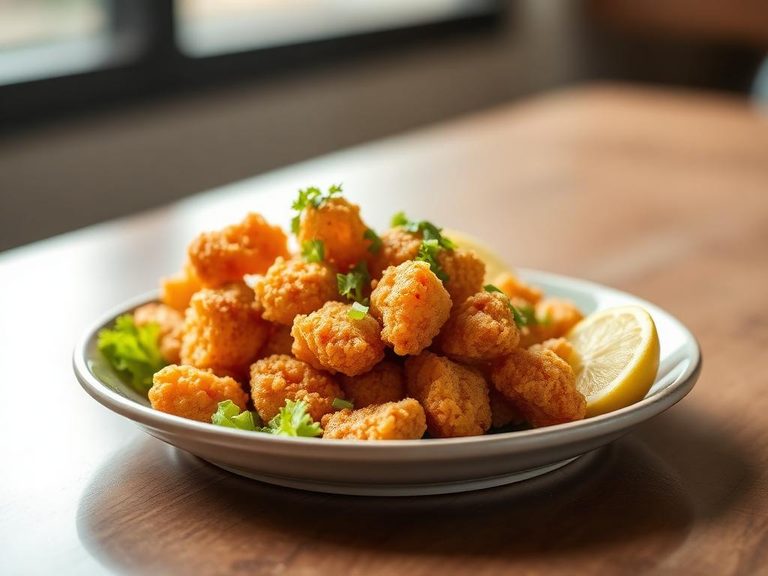
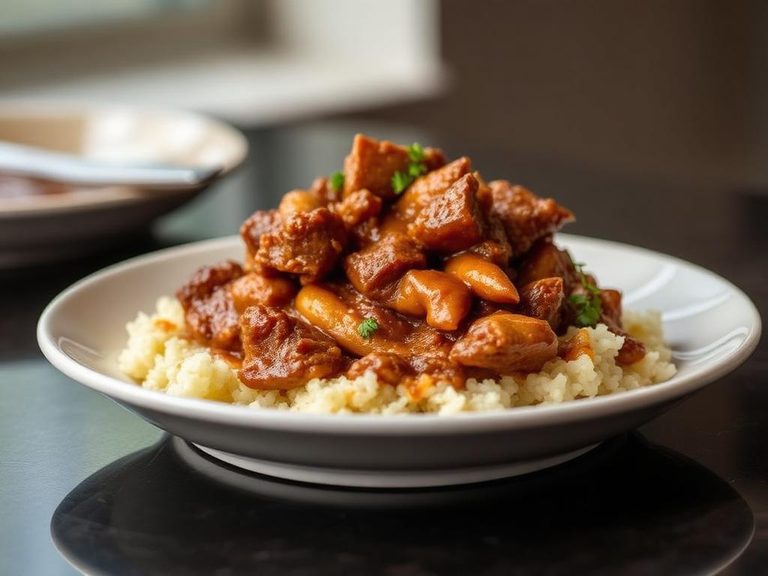
🌍 Where it's eaten
💡 Did you know?
The most famous use of pork jowl is in authentic Roman pasta dishes like Carbonara and Amatriciana, where cured jowl (guanciale) is the traditional, non-negotiable ingredient that defines the sauce's flavor.
Full nutrition (USDA data · scales with serving)
| Water | 22.2 g |
| Energy | 655 kcal |
| Energy | 2741 kj |
| Protein | 6.4 g |
| Total lipid (fat) | 69.6 g |
| Ash | 0.32 g |
| Carbohydrate, by difference | 0.00 g |
| Fiber, total dietary | 0.00 g |
| Total Sugars | 0.00 g |
| Calcium, Ca | 4.0 mg |
| Iron, Fe | 0.42 mg |
| Magnesium, Mg | 3.0 mg |
| Phosphorus, P | 86.0 mg |
| Potassium, K | 148 mg |
| Sodium, Na | 25.0 mg |
| Zinc, Zn | 0.84 mg |
| Copper, Cu | 0.04 mg |
| Manganese, Mn | 0.01 mg |
| Selenium, Se | 1.5 ug |
| Vitamin C, total ascorbic acid | 0.00 mg |
| Thiamin | 0.39 mg |
| Riboflavin | 0.24 mg |
| Niacin | 4.5 mg |
| Pantothenic acid | 0.25 mg |
| Vitamin B-6 | 0.09 mg |
| Folate, total | 1.0 ug |
| Folic acid | 0.00 ug |
| Folate, food | 1.0 ug |
| Folate, DFE | 1.0 ug |
| Vitamin B-12 | 0.82 ug |
| Vitamin B-12, added | 0.00 ug |
| Vitamin A, RAE | 3.0 ug |
| Retinol | 3.0 ug |
| Carotene, beta | 0.00 ug |
| Carotene, alpha | 0.00 ug |
| Cryptoxanthin, beta | 0.00 ug |
| Vitamin A, IU | 9.0 iu |
| Lycopene | 0.00 ug |
| Lutein + zeaxanthin | 0.00 ug |
| Vitamin E (alpha-tocopherol) | 0.29 mg |
| Vitamin E, added | 0.00 mg |
| Alcohol, ethyl | 0.00 g |
| Caffeine | 0.00 mg |
| Theobromine | 0.00 mg |
Fat & fatty acid profile (per 100g)
| Fatty acids, total saturated | 25.3 g |
| SFA 4:0 | 0.00 g |
| SFA 6:0 | 0.00 g |
| SFA 8:0 | 0.00 g |
| SFA 10:0 | 0.05 g |
| SFA 12:0 | 0.15 g |
| SFA 14:0 | 0.88 g |
| SFA 16:0 | 15.2 g |
| SFA 18:0 | 8.9 g |
| Fatty acids, total monounsaturated | 32.9 g |
| MUFA 16:1 | 2.2 g |
| MUFA 18:1 | 30.2 g |
| MUFA 20:1 | 0.56 g |
| MUFA 22:1 | 0.00 g |
| Fatty acids, total polyunsaturated | 8.1 g |
| PUFA 18:2 | 7.5 g |
| PUFA 18:3 | 0.58 g |
| PUFA 18:4 | 0.00 g |
| PUFA 20:4 | 0.08 g |
| PUFA 20:5 n-3 (EPA) | 0.00 g |
| PUFA 22:5 n-3 (DPA) | 0.00 g |
| PUFA 22:6 n-3 (DHA) | 0.00 g |
| Cholesterol | 90.0 mg |
| Phytosterols | 0.00 mg |
Amino acid profile (per 100g)
| Tryptophan | 0.02 g |
| Threonine | 0.21 g |
| Isoleucine | 0.17 g |
| Leucine | 0.45 g |
| Lysine | 0.53 g |
| Methionine | 0.10 g |
| Cystine | 0.06 g |
| Phenylalanine | 0.24 g |
| Tyrosine | 0.10 g |
| Valine | 0.30 g |
| Arginine | 0.66 g |
| Histidine | 0.07 g |
| Alanine | 0.38 g |
| Aspartic acid | 0.59 g |
| Glutamic acid | 0.99 g |
| Glycine | 0.29 g |
| Proline | 0.24 g |
| Serine | 0.26 g |
FAQ
What's the difference between pork jowl and pork belly?
Pork jowl (cheek) comes from the pig's face and has a more concentrated, meaty flavor with a distinct texture. Pork belly is from the underside and has distinct, even layers of fat and meat, making it ideal for dishes like bacon.
How do I cook fresh pork jowl to make it tender?
Slow, moist cooking methods are best. Braise it in liquid (like broth, wine, or tomatoes) at a low temperature for several hours, or cook it in a slow cooker until it's fork-tender. Quick, high-heat cooking can make it tough.
Is pork jowl the same as pancetta?
No. Pancetta is cured pork belly, not jowl. The closest cured product from jowl is guanciale, which has a higher fat content and a more intense, funky flavor than pancetta.
Nutrient density (calculated · NRF9.3)
Nutrient Rich Foods index: beneficial nutrients (protein, fiber, vitamins, minerals) minus saturated fat, added sugar & sodium, per 100 kcal.
NRF9.3 index — Fulgoni, Keast & Drewnowski, 2009. Computed from USDA nutrients.
Weight-loss friendliness (composite index)
Energy density 6.55 kcal/g · 4% calories from protein · 0.0 g fiber · 0.0 g sugar per 100 g.
Composite of energy density (Rolls et al., 1999), protein & fiber satiety, minus sugar. A calculated heuristic — ranks satiety-per-calorie, not a clinical measure.
Dietary load (calculated from USDA values)
Potential renal acid load. Positive = acid-forming, negative = alkaline-forming.
Sodium-to-potassium ratio: 0.17 (lower is better — aim for ≤ 1)
Sodium:potassium per WHO potassium guidance. Computed from USDA nutrients.