Jowl Bacon
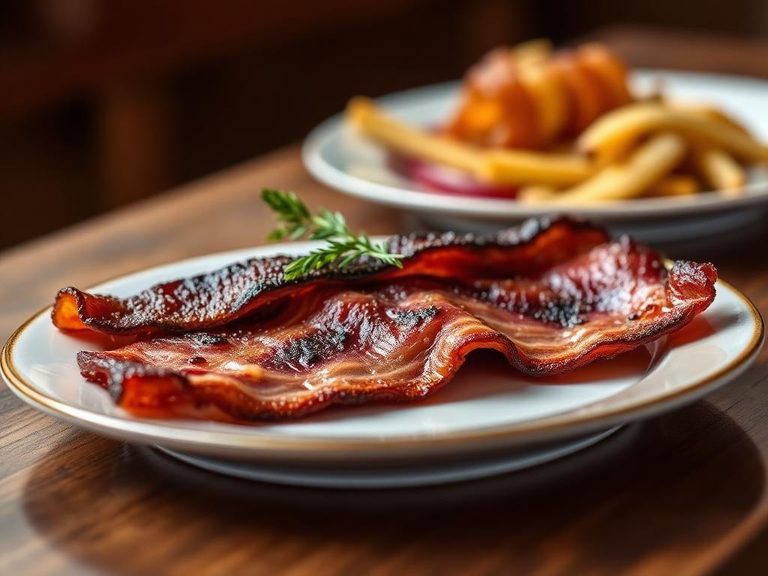
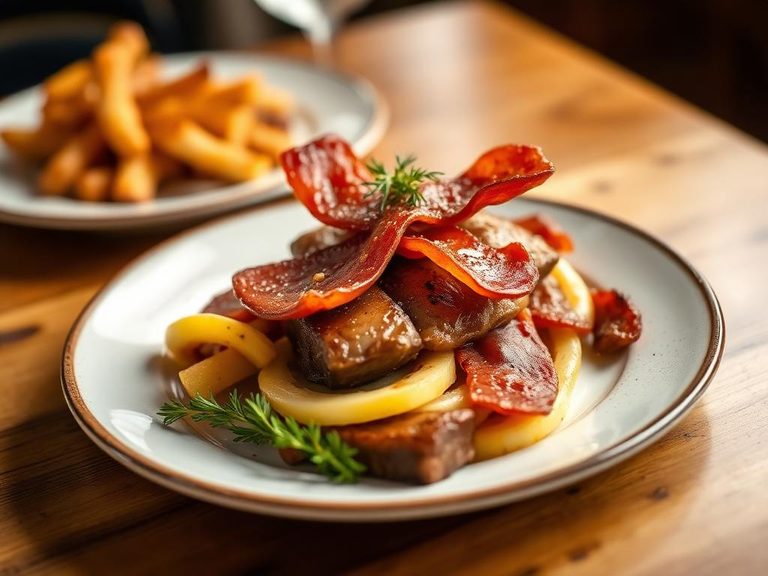
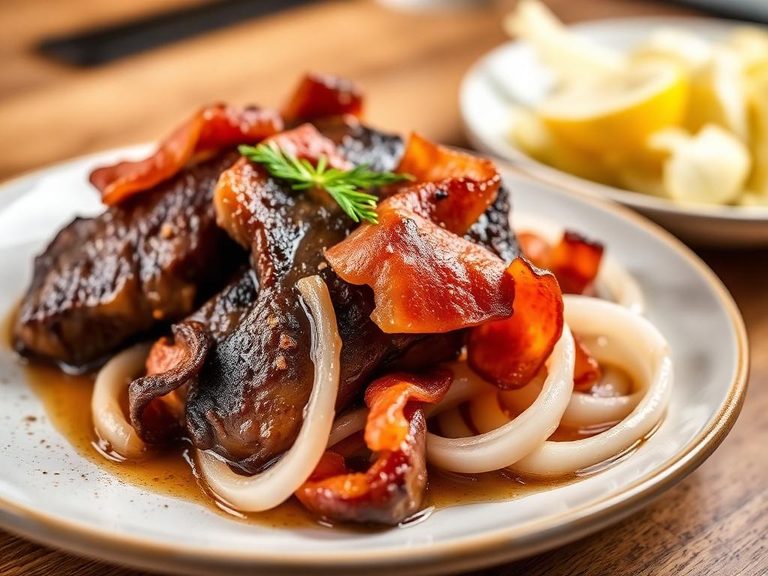
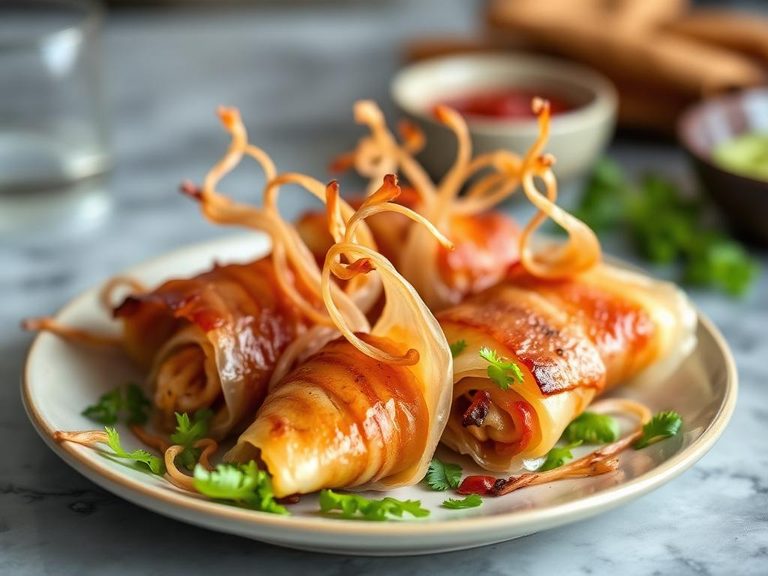
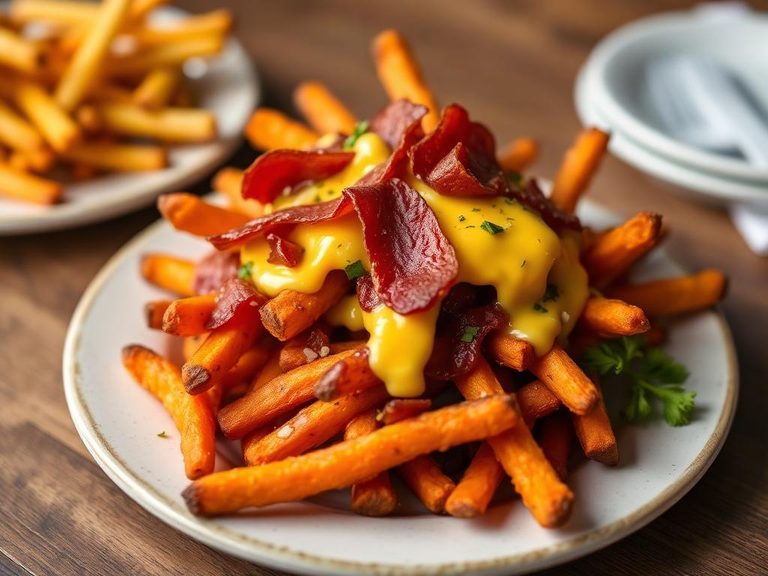
Jowl bacon, also known as guanciale in Italian cuisine, is a cured meat product made from the jowls or cheeks of a pig. It is typically seasoned with salt, black pepper, and sometimes herbs like rosemary or thyme before being cured and air-dried. This cut is a staple in traditional Italian cooking, particularly in central regions like Lazio and Umbria.
🍽️ Nutrition at a glance
Jowl bacon is very high in fat, particularly saturated fat, and is a good source of protein, with virtually no carbohydrates. A typical serving provides a significant amount of calories, along with notable amounts of B vitamins like B1 (thiamine) and B12, as well as minerals such as zinc and selenium.
Nutrition breakdown
| Calories | 120 kcal |
| Protein | 5 g |
| Carbs | 0 g |
| Fat | 11 g |
| Fiber | 0 g |
| Sugar | 0 g |
| Sodium | 350 mg |
| Thiamine (B1) | 0.1 mg |
| Vitamin B12 | 0.3 mcg |
| Niacin (B3) | 1.5 mg |
| Selenium | 6 mcg |
| Zinc | 0.7 mg |
| Phosphorus | 50 mg |
| Choline | 20 mg |
| Cholesterol | 20 mg |
Per 1 ounce (28 g), diced · estimated, varies by recipe
💡 What's interesting
Culturally, guanciale is the essential, irreplaceable ingredient for authentic Roman pasta dishes like Carbonara and Amatriciana, prized for its rich, porky flavor and silky texture when rendered. Nutritionally, its high fat content makes it a very energy-dense food, historically valuable for providing sustained energy in labor-intensive lifestyles.