

Pomegranate, raw
Common food

Photo: Wikipedia
A raw pomegranate is a leathery-skinned orb hiding a treasure of jewel-like arils. Each ruby seed bursts with a vibrant, sweet-tart juice, offering a satisfying crunch followed by a juicy flood. Nutritionally, it's a standout source of fiber and potent antioxidants.
Calorie split: 7% protein · 81% carbs · 11% fat
↓ Full nutrition💚 Why it's loved
People adore pomegranates for their unique, festive appearance and the satisfying ritual of extracting the seeds. The flavor is a perfect balance of sweet and tart, making it a versatile garnish or snack that feels both luxurious and healthy.
⚠️ Watch-outs & how to enjoy it better
The primary downside is the labor-intensive process of deseeding, which can be messy. Those monitoring blood sugar should be mindful of the natural sugar content (13.67g per 100g); pairing the arils with a source of protein or fat (like yogurt or nuts) can help moderate the glycemic response.
Key benefits
- Rich in potent antioxidants like punicalagins
- Good source of dietary fiber (4g per 100g)
- Contains vitamin C and vitamin K
- May support heart health and blood pressure
- Provides a natural source of quick energy from carbs
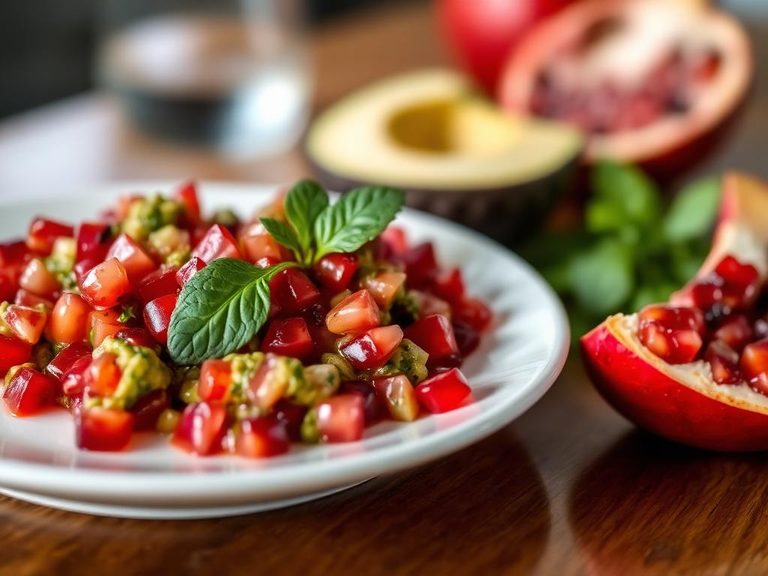
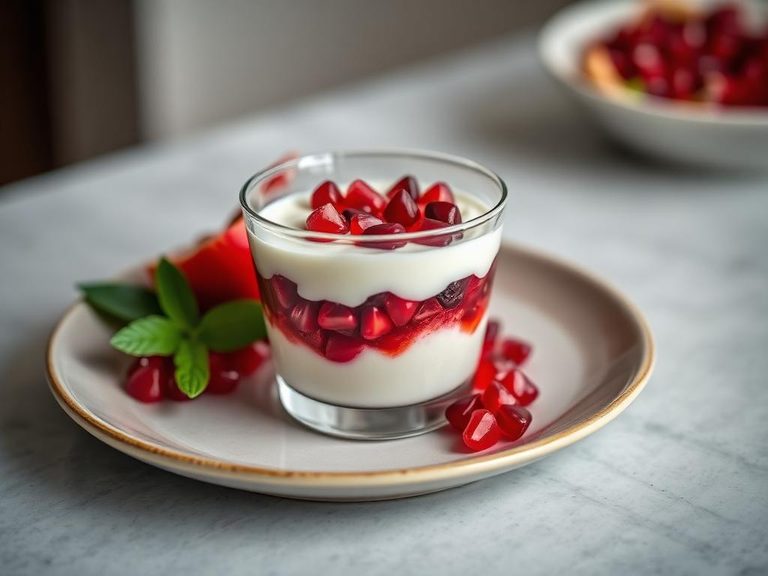
🍽️ Popular dishes
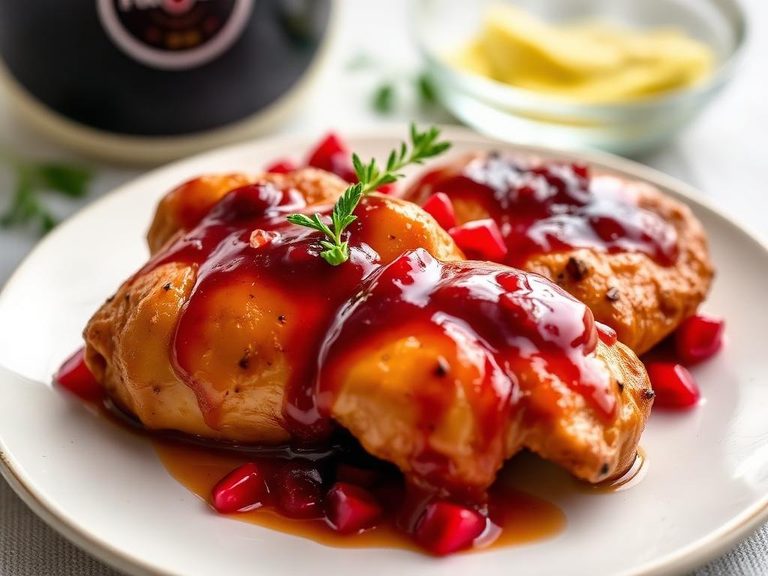
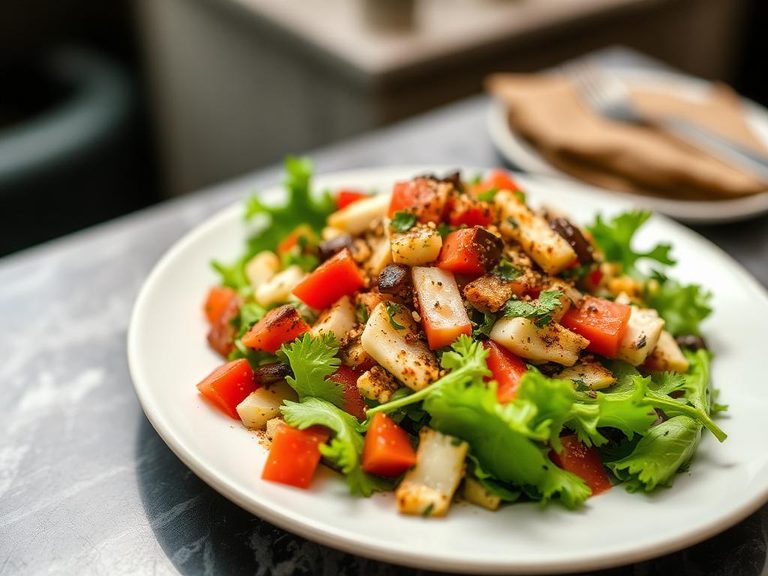
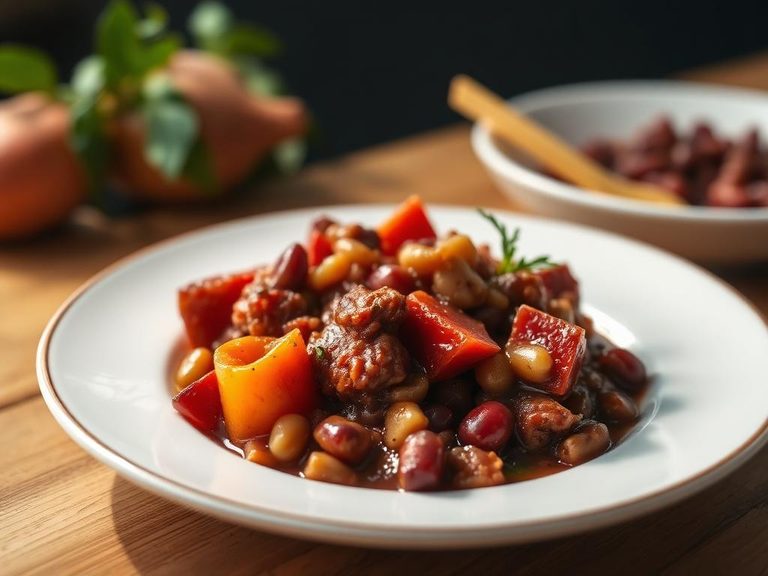
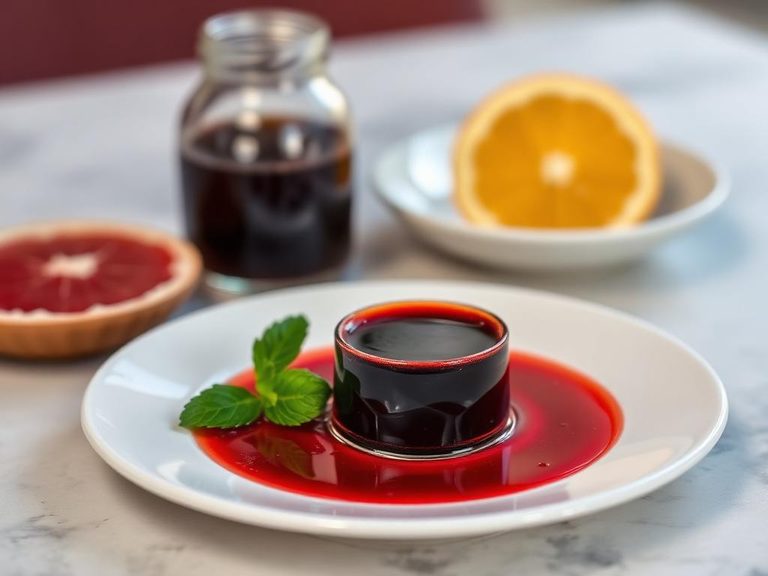
🌍 Where it's eaten
💡 Did you know?
A single pomegranate can contain anywhere from 200 to 1,400 seeds, and the name comes from the Latin 'pomum granatum,' meaning 'seeded apple.'
Full nutrition (USDA data · scales with serving)
| Water | 77.9 g |
| Energy | 83.0 kcal |
| Protein | 1.7 g |
| Total lipid (fat) | 1.2 g |
| Carbohydrate, by difference | 18.7 g |
| Fiber, total dietary | 4.0 g |
| Total Sugars | 13.7 g |
| Calcium, Ca | 10.0 mg |
| Iron, Fe | 0.30 mg |
| Magnesium, Mg | 12.0 mg |
| Phosphorus, P | 36.0 mg |
| Potassium, K | 236 mg |
| Sodium, Na | 3.0 mg |
| Zinc, Zn | 0.35 mg |
| Copper, Cu | 0.16 mg |
| Selenium, Se | 0.50 ug |
| Vitamin C, total ascorbic acid | 10.2 mg |
| Thiamin | 0.07 mg |
| Riboflavin | 0.05 mg |
| Niacin | 0.29 mg |
| Vitamin B-6 | 0.07 mg |
| Folate, total | 38.0 ug |
| Folic acid | 0.00 ug |
| Folate, food | 38.0 ug |
| Folate, DFE | 38.0 ug |
| Choline, total | 7.6 mg |
| Vitamin B-12 | 0.00 ug |
| Vitamin B-12, added | 0.00 ug |
| Vitamin A, RAE | 0.00 ug |
| Retinol | 0.00 ug |
| Carotene, beta | 0.00 ug |
| Carotene, alpha | 0.00 ug |
| Cryptoxanthin, beta | 0.00 ug |
| Lycopene | 0.00 ug |
| Lutein + zeaxanthin | 0.00 ug |
| Vitamin E (alpha-tocopherol) | 0.60 mg |
| Vitamin E, added | 0.00 mg |
| Vitamin D (D2 + D3) | 0.00 ug |
| Vitamin K (phylloquinone) | 16.4 ug |
| Alcohol, ethyl | 0.00 g |
| Caffeine | 0.00 mg |
| Theobromine | 0.00 mg |
Fat & fatty acid profile (per 100g)
| Fatty acids, total saturated | 0.12 g |
| SFA 4:0 | 0.00 g |
| SFA 6:0 | 0.00 g |
| SFA 8:0 | 0.00 g |
| SFA 10:0 | 0.00 g |
| SFA 12:0 | 0.01 g |
| SFA 14:0 | 0.01 g |
| SFA 16:0 | 0.07 g |
| SFA 18:0 | 0.04 g |
| Fatty acids, total monounsaturated | 0.09 g |
| MUFA 16:1 | 0.01 g |
| MUFA 18:1 | 0.08 g |
| MUFA 20:1 | 0.00 g |
| MUFA 22:1 | 0.00 g |
| Fatty acids, total polyunsaturated | 0.08 g |
| PUFA 18:2 | 0.08 g |
| PUFA 18:3 | 0.00 g |
| PUFA 18:4 | 0.00 g |
| PUFA 20:4 | 0.00 g |
| PUFA 20:5 n-3 (EPA) | 0.00 g |
| PUFA 22:5 n-3 (DPA) | 0.00 g |
| PUFA 22:6 n-3 (DHA) | 0.00 g |
| Cholesterol | 0.00 mg |
Amino acid profile (per 100g)
Estimated from Yogurt, Greek, nonfat, Fruit on Bottom, Pomegranate, CHOBANI — USDA does not publish this profile for Pomegranate.
| Tryptophan | 0.11 g |
| Threonine | 0.33 g |
| Isoleucine | 0.40 g |
| Leucine | 0.74 g |
| Lysine | 0.64 g |
| Methionine | 0.20 g |
| Cystine | 0.05 g |
| Phenylalanine | 0.37 g |
| Tyrosine | 0.37 g |
| Valine | 0.49 g |
| Arginine | 0.27 g |
| Histidine | 0.21 g |
| Alanine | 0.25 g |
| Aspartic acid | 0.59 g |
| Glutamic acid | 1.6 g |
| Glycine | 0.14 g |
| Proline | 0.76 g |
| Serine | 0.41 g |
FAQ
How do I pick a ripe pomegranate?
Look for a deep red, slightly angular fruit that feels heavy for its size. The skin should be firm and free of blemishes or soft spots.
What's the easiest way to deseed a pomegranate?
Cut off the crown, score the skin into sections, and submerge the fruit in a bowl of water. Gently pull it apart underwater; the seeds will sink while the pith floats.
Can I eat the white pith inside?
The white pith is edible but very bitter. It's best removed, as it can overpower the sweet-tart flavor of the arils.
Nutrient density (calculated · NRF9.3)
Nutrient Rich Foods index: beneficial nutrients (protein, fiber, vitamins, minerals) minus saturated fat, added sugar & sodium, per 100 kcal.
NRF9.3 index — Fulgoni, Keast & Drewnowski, 2009. Computed from USDA nutrients.
Weight-loss friendliness (composite index)
Energy density 0.83 kcal/g · 8% calories from protein · 4.0 g fiber · 13.7 g sugar per 100 g.
Composite of energy density (Rolls et al., 1999), protein & fiber satiety, minus sugar. A calculated heuristic — ranks satiety-per-calorie, not a clinical measure.
Dietary load (calculated from USDA values)
Potential renal acid load. Positive = acid-forming, negative = alkaline-forming.
Sodium-to-potassium ratio: 0.01 (lower is better — aim for ≤ 1)
Sodium:potassium per WHO potassium guidance. Computed from USDA nutrients.