

Pistachio nuts, NFS
Common food

Photo: Wikipedia
Pistachio nuts are small, vibrant green kernels with a rich, slightly sweet and earthy flavor, encased in a thin, creamy shell. They offer a satisfying crunch and a buttery texture, making them a popular snack and ingredient. Nutritionally, they are a powerhouse, providing a high protein content of 21.05g and a significant amount of healthy fats at 45.82g per 100g.
Calorie split: 14% protein · 19% carbs · 68% fat
↓ Full nutrition💚 Why it's loved
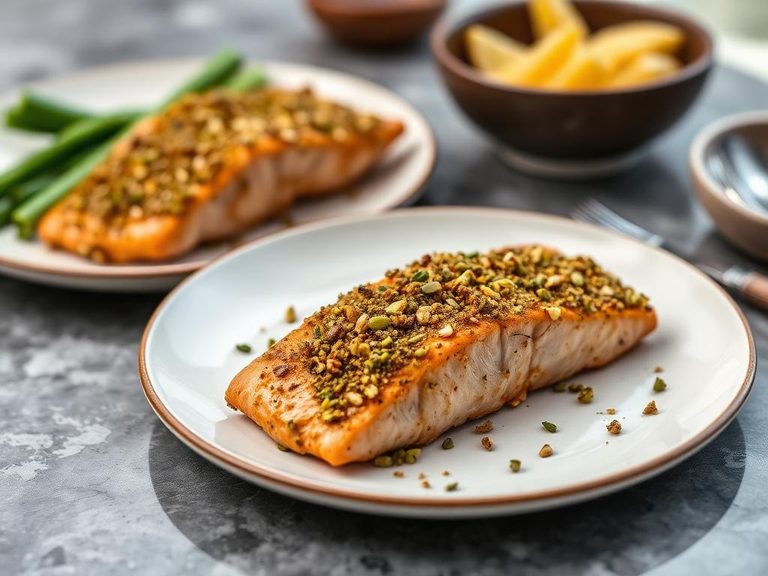
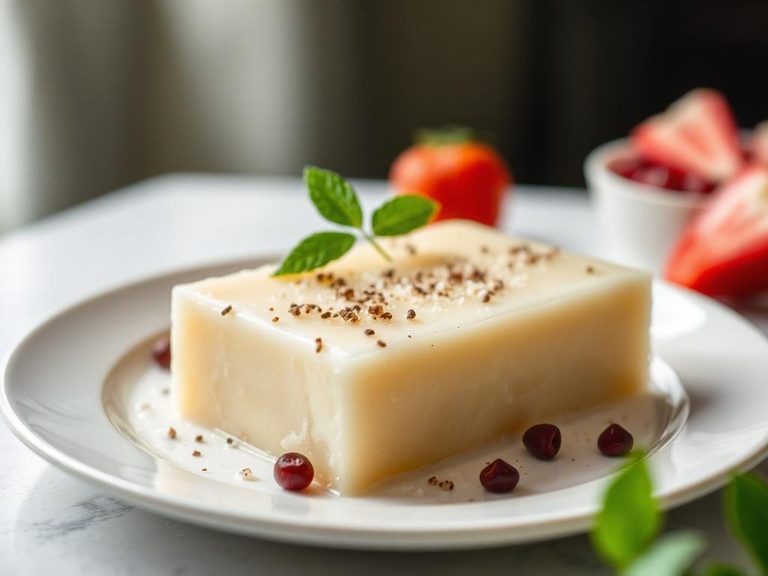
People love pistachios for their unique, subtly sweet and savory flavor profile, which is both addictive and satisfying. Their versatility allows them to be enjoyed in everything from savory dishes and salads to sweet desserts and ice cream, deeply rooted in Middle Eastern and Mediterranean culinary traditions.
⚠️ Watch-outs & how to enjoy it better
While nutritious, pistachios are calorie-dense, so overconsumption can contribute to weight gain. They are also a tree nut allergen, which can cause severe reactions in sensitive individuals. To counteract this, practice strict portion control (e.g., a single serving is about 49 nuts or 28g) and avoid them if you have a known nut allergy. For those concerned about oxalates, which can contribute to kidney stones, moderation is key.
Key benefits
- Excellent source of plant-based protein (21.05g per 100g).
- Rich in heart-healthy monounsaturated and polyunsaturated fats.
- High in dietary fiber (10.3g per 100g) for digestive health.
- Provides essential minerals like potassium, phosphorus, and magnesium.
- Contains antioxidants like lutein and zeaxanthin, beneficial for eye health.
🍽️ Popular dishes
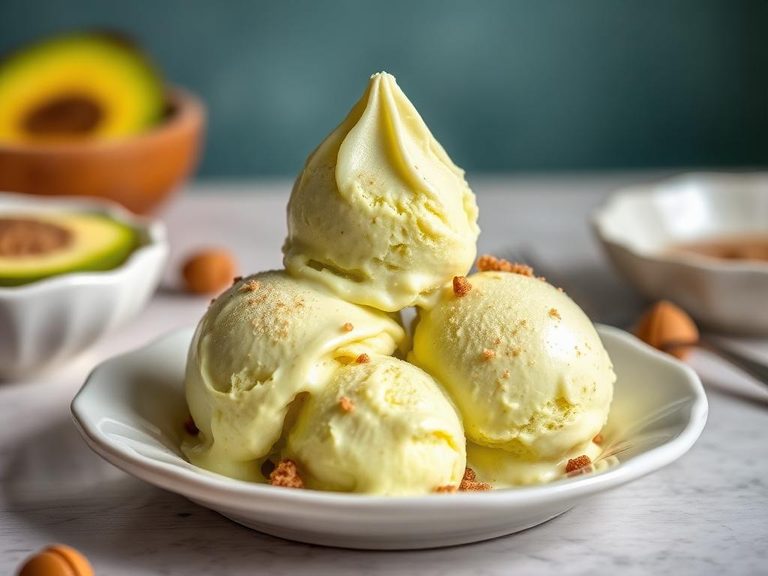
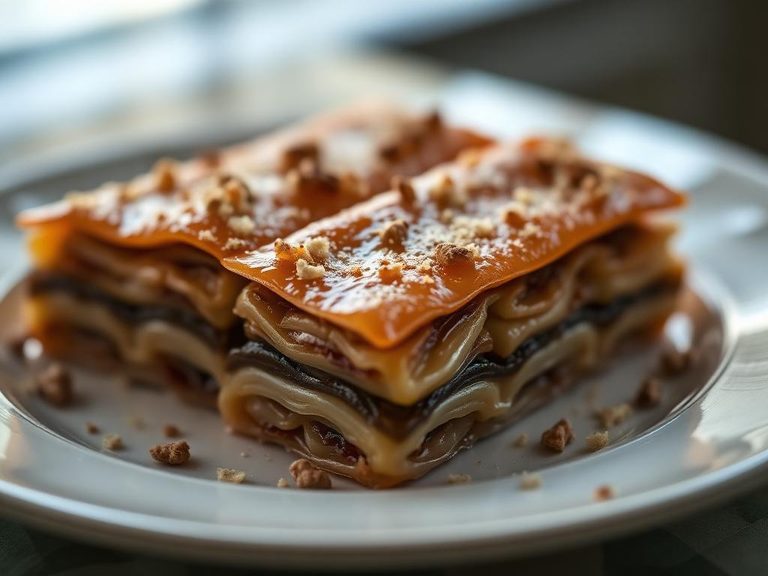
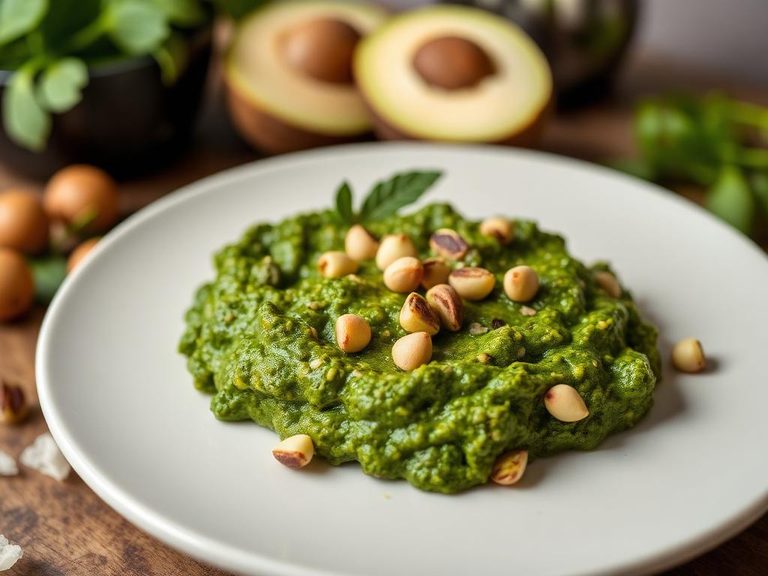
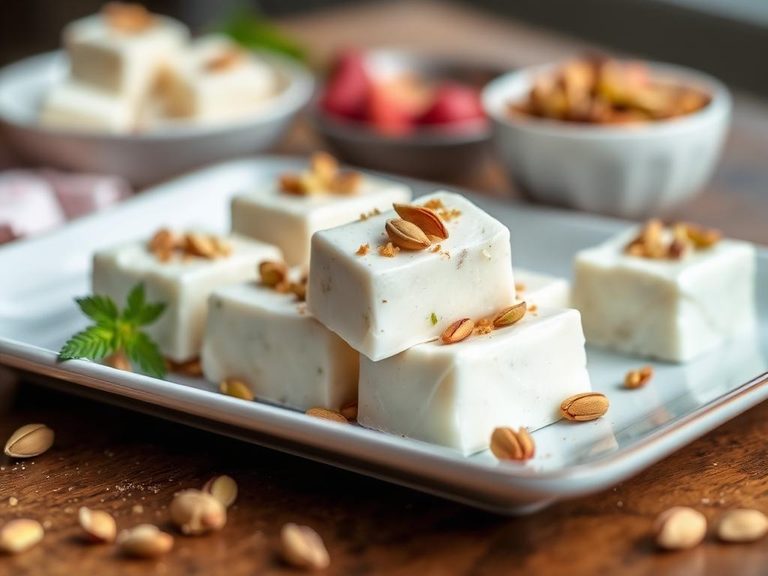
🌍 Where it's eaten
💡 Did you know?
The pistachio is one of the few nuts that is naturally green, due to the pigment chlorophyll in its kernel.
Full nutrition (USDA data · scales with serving)
| Water | 1.9 g |
| Energy | 572 kcal |
| Protein | 21.1 g |
| Total lipid (fat) | 45.8 g |
| Carbohydrate, by difference | 28.3 g |
| Fiber, total dietary | 10.3 g |
| Total Sugars | 7.7 g |
| Calcium, Ca | 107 mg |
| Iron, Fe | 4.0 mg |
| Magnesium, Mg | 109 mg |
| Phosphorus, P | 469 mg |
| Potassium, K | 1007 mg |
| Sodium, Na | 6.0 mg |
| Zinc, Zn | 2.3 mg |
| Copper, Cu | 1.3 mg |
| Selenium, Se | 10.0 ug |
| Vitamin C, total ascorbic acid | 3.0 mg |
| Thiamin | 0.69 mg |
| Riboflavin | 0.23 mg |
| Niacin | 1.4 mg |
| Vitamin B-6 | 1.1 mg |
| Folate, total | 51.0 ug |
| Folic acid | 0.00 ug |
| Folate, food | 51.0 ug |
| Folate, DFE | 51.0 ug |
| Choline, total | 71.4 mg |
| Vitamin B-12 | 0.00 ug |
| Vitamin B-12, added | 0.00 ug |
| Vitamin A, RAE | 13.0 ug |
| Retinol | 0.00 ug |
| Carotene, beta | 159 ug |
| Carotene, alpha | 0.00 ug |
| Cryptoxanthin, beta | 0.00 ug |
| Lycopene | 0.00 ug |
| Lutein + zeaxanthin | 1160 ug |
| Vitamin E (alpha-tocopherol) | 2.2 mg |
| Vitamin E, added | 0.00 mg |
| Vitamin D (D2 + D3) | 0.00 ug |
| Vitamin K (phylloquinone) | 13.2 ug |
| Alcohol, ethyl | 0.00 g |
| Caffeine | 0.00 mg |
| Theobromine | 0.00 mg |
Fat & fatty acid profile (per 100g)
| Fatty acids, total saturated | 5.6 g |
| SFA 4:0 | 0.00 g |
| SFA 6:0 | 0.00 g |
| SFA 8:0 | 0.00 g |
| SFA 10:0 | 0.00 g |
| SFA 12:0 | 0.00 g |
| SFA 14:0 | 0.01 g |
| SFA 16:0 | 5.0 g |
| SFA 18:0 | 0.56 g |
| Fatty acids, total monounsaturated | 24.5 g |
| MUFA 16:1 | 0.46 g |
| MUFA 18:1 | 23.9 g |
| MUFA 20:1 | 0.11 g |
| MUFA 22:1 | 0.01 g |
| Fatty acids, total polyunsaturated | 13.3 g |
| PUFA 18:2 | 13.1 g |
| PUFA 18:3 | 0.21 g |
| PUFA 18:4 | 0.00 g |
| PUFA 20:4 | 0.01 g |
| PUFA 20:5 n-3 (EPA) | 0.00 g |
| PUFA 22:5 n-3 (DPA) | 0.00 g |
| PUFA 22:6 n-3 (DHA) | 0.00 g |
| Cholesterol | 0.00 mg |
Amino acid profile (per 100g)
Estimated from Nuts, pistachio nuts, dry roasted, with salt added — USDA does not publish this profile for Pistachio nuts.
| Tryptophan | 0.26 g |
| Threonine | 0.71 g |
| Isoleucine | 0.96 g |
| Leucine | 1.7 g |
| Lysine | 1.2 g |
| Methionine | 0.38 g |
| Cystine | 0.30 g |
| Phenylalanine | 1.1 g |
| Tyrosine | 0.53 g |
| Valine | 1.3 g |
| Arginine | 2.2 g |
| Histidine | 0.54 g |
| Alanine | 1.0 g |
| Aspartic acid | 2.0 g |
| Glutamic acid | 4.5 g |
| Glycine | 1.1 g |
| Proline | 0.98 g |
| Serine | 1.3 g |
| Hydroxyproline | 0.10 g |
FAQ
Are pistachios good for weight loss?
While high in calories, pistachios are high in protein and fiber, which can promote satiety and help control appetite. When eaten in moderation as part of a balanced diet, they can be a healthy snack that supports weight management.
How many pistachios should I eat per day?
A standard serving size is about 28 grams, which is roughly 49 pistachios. This provides a good balance of nutrients without excessive calorie intake.
What's the difference between raw and roasted pistachios?
Raw pistachios are unprocessed and may have a slightly milder flavor, while roasted pistachios are cooked, often with a bit of salt, which enhances their flavor and crunch. Nutritionally, both are similar, but roasted versions may have added sodium.
Nutrient density (calculated · NRF9.3)
Nutrient Rich Foods index: beneficial nutrients (protein, fiber, vitamins, minerals) minus saturated fat, added sugar & sodium, per 100 kcal.
NRF9.3 index — Fulgoni, Keast & Drewnowski, 2009. Computed from USDA nutrients.
Weight-loss friendliness (composite index)
Energy density 5.72 kcal/g · 15% calories from protein · 10.3 g fiber · 7.7 g sugar per 100 g.
Composite of energy density (Rolls et al., 1999), protein & fiber satiety, minus sugar. A calculated heuristic — ranks satiety-per-calorie, not a clinical measure.
Dietary load (calculated from USDA values)
Potential renal acid load. Positive = acid-forming, negative = alkaline-forming.
Sodium-to-potassium ratio: 0.01 (lower is better — aim for ≤ 1)
Sodium:potassium per WHO potassium guidance. Computed from USDA nutrients.