

Pie crust, cookie-type, prepared from recipe, vanilla wafer, chilled
Whole food · Baked Products

Photo: Wikipedia
This is a crisp, buttery, and sweet cookie-style pie crust, typically made from crushed vanilla wafers, butter, and sugar. It offers a delicate, sandy texture that shatters on the tongue, providing a rich, vanilla-forward base for creamy or fruity fillings. Nutritionally, it is a dense source of energy, primarily from fat and carbohydrates, with minimal protein or fiber.
Calorie split: 3% protein · 37% carbs · 60% fat
↓ Full nutrition💚 Why it's loved
People love it for its nostalgic, buttery sweetness and the way it perfectly complements creamy fillings like banana cream or chocolate pudding. Its easy preparation and satisfying crunch make it a beloved staple for classic American desserts.
⚠️ Watch-outs & how to enjoy it better
Its high sugar and fat content can contribute to blood-sugar spikes and is a concern for those monitoring calorie intake. To counteract, pair a slice with a source of protein (like Greek yogurt) or healthy fat (like nuts), and practice portion control by enjoying a smaller serving alongside fresh berries.
Key benefits
- Provides a quick source of energy from carbohydrates and fats
- Offers a satisfying, crunchy texture contrast to soft fillings
- Simple to prepare with minimal ingredients
- Adds a sweet, vanilla flavor profile to desserts
- Versatile base for no-bake and baked pies
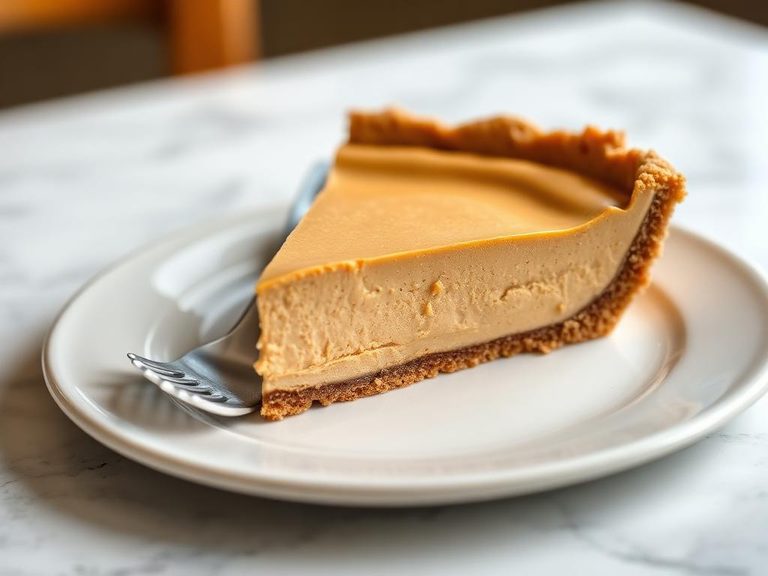
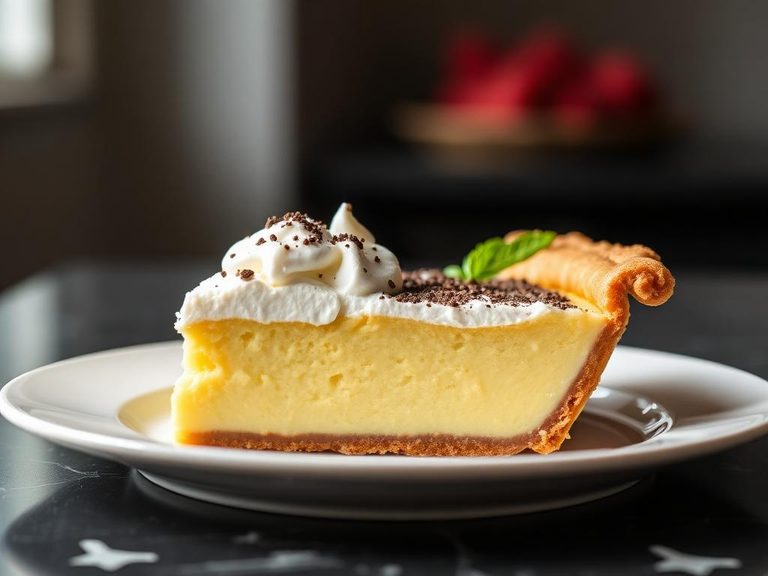
🍽️ Popular dishes
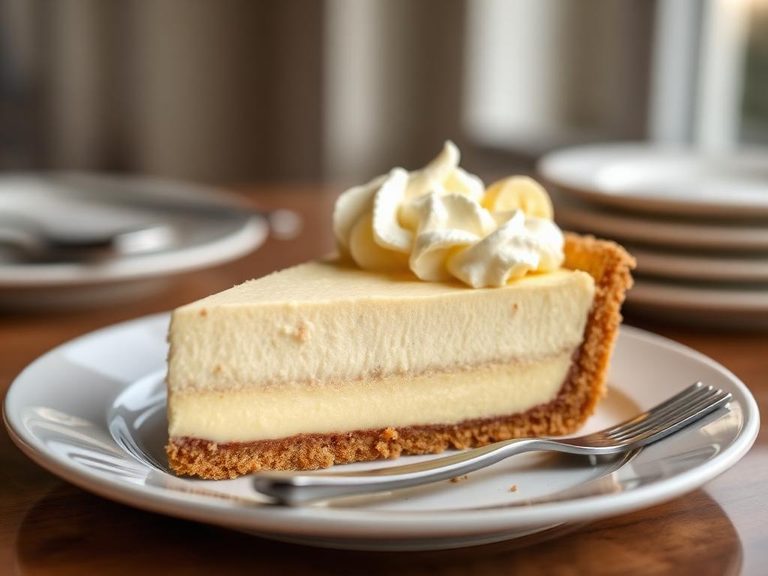
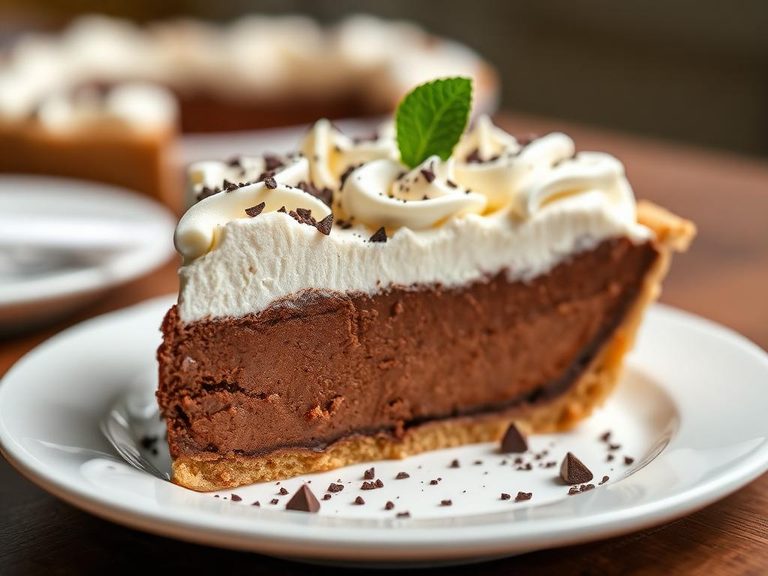
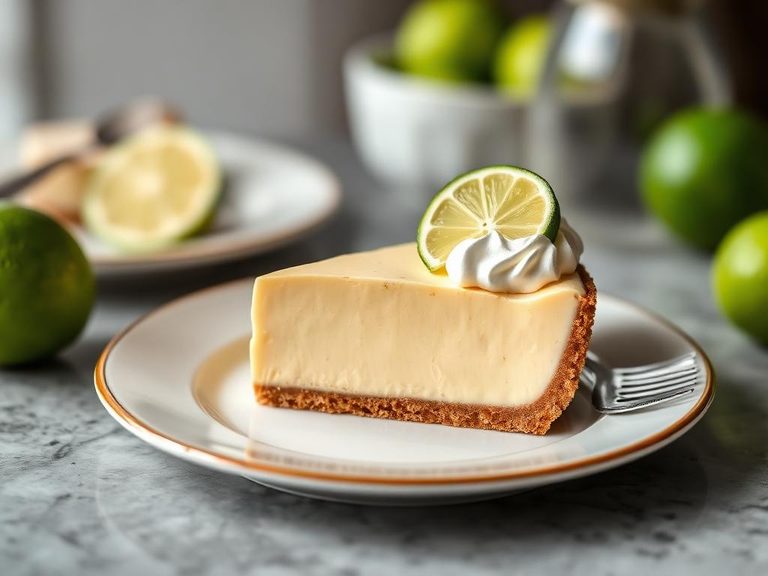
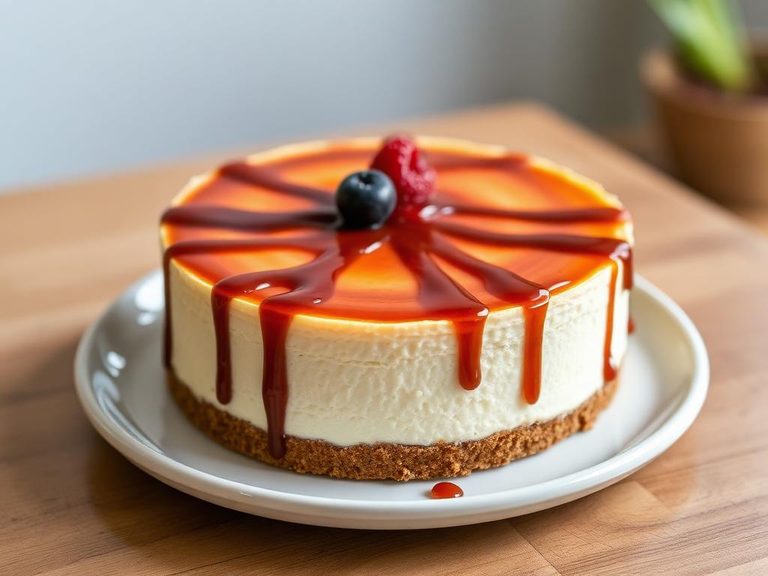
🌍 Where it's eaten
💡 Did you know?
The vanilla wafer crust became a popular American shortcut in the mid-20th century, largely due to the widespread availability and marketing of Nabisco's Nilla Wafers, which were originally called "Vanilla Wafers" when introduced in 1898.
Full nutrition (USDA data · scales with serving)
| Water | 8.5 g |
| Energy | 531 kcal |
| Energy | 2222 kj |
| Protein | 3.7 g |
| Total lipid (fat) | 36.2 g |
| Ash | 1.4 g |
| Carbohydrate, by difference | 50.2 g |
| Fiber, total dietary | 0.10 g |
| Total Sugars | 7.3 g |
| Calcium, Ca | 42.0 mg |
| Iron, Fe | 1.6 mg |
| Magnesium, Mg | 10.0 mg |
| Phosphorus, P | 78.0 mg |
| Potassium, K | 79.0 mg |
| Sodium, Na | 515 mg |
| Zinc, Zn | 0.24 mg |
| Copper, Cu | 0.07 mg |
| Manganese, Mn | 0.18 mg |
| Selenium, Se | 7.7 ug |
| Vitamin C, total ascorbic acid | 0.10 mg |
| Thiamin | 0.19 mg |
| Riboflavin | 0.23 mg |
| Niacin | 2.1 mg |
| Pantothenic acid | 0.30 mg |
| Vitamin B-6 | 0.05 mg |
| Folate, total | 49.0 ug |
| Folic acid | 43.0 ug |
| Folate, food | 6.0 ug |
| Folate, DFE | 79.0 ug |
| Choline, total | 22.7 mg |
| Vitamin B-12 | 0.09 ug |
| Vitamin B-12, added | 0.00 ug |
| Vitamin A, RAE | 269 ug |
| Retinol | 253 ug |
| Carotene, beta | 197 ug |
| Carotene, alpha | 0.00 ug |
| Cryptoxanthin, beta | 1.0 ug |
| Vitamin A, IU | 1172 iu |
| Lycopene | 0.00 ug |
| Lutein + zeaxanthin | 27.0 ug |
| Vitamin E (alpha-tocopherol) | 3.1 mg |
| Vitamin E, added | 0.00 mg |
| Vitamin D (D2 + D3), International Units | 21.0 iu |
| Vitamin D (D2 + D3) | 0.50 ug |
| Vitamin K (phylloquinone) | 34.0 ug |
| Alcohol, ethyl | 0.00 g |
| Caffeine | 0.00 mg |
| Theobromine | 0.00 mg |
Fat & fatty acid profile (per 100g)
| Fatty acids, total saturated | 7.4 g |
| SFA 4:0 | 0.00 g |
| SFA 6:0 | 0.00 g |
| SFA 8:0 | 0.00 g |
| SFA 10:0 | 0.00 g |
| SFA 12:0 | 0.00 g |
| SFA 14:0 | 0.10 g |
| SFA 16:0 | 4.5 g |
| SFA 18:0 | 2.9 g |
| Fatty acids, total monounsaturated | 15.6 g |
| MUFA 16:1 | 0.00 g |
| MUFA 18:1 | 15.6 g |
| MUFA 20:1 | 0.00 g |
| MUFA 22:1 | 0.00 g |
| Fatty acids, total polyunsaturated | 10.7 g |
| PUFA 18:2 | 10.2 g |
| PUFA 18:3 | 0.51 g |
| PUFA 18:4 | 0.00 g |
| PUFA 20:4 | 0.00 g |
| PUFA 20:5 n-3 (EPA) | 0.00 g |
| PUFA 22:5 n-3 (DPA) | 0.00 g |
| PUFA 22:6 n-3 (DHA) | 0.00 g |
| Cholesterol | 39.0 mg |
Amino acid profile (per 100g)
| Tryptophan | 0.05 g |
| Threonine | 0.13 g |
| Isoleucine | 0.16 g |
| Leucine | 0.27 g |
| Lysine | 0.18 g |
| Methionine | 0.08 g |
| Cystine | 0.08 g |
| Phenylalanine | 0.18 g |
| Tyrosine | 0.12 g |
| Valine | 0.18 g |
| Arginine | 0.16 g |
| Histidine | 0.08 g |
| Alanine | 0.14 g |
| Aspartic acid | 0.22 g |
| Glutamic acid | 0.96 g |
| Glycine | 0.12 g |
| Proline | 0.33 g |
| Serine | 0.21 g |
FAQ
Is this crust baked or no-bake?
It is typically a no-bake crust, pressed into a pie dish and chilled to set, though it can be briefly baked for a firmer texture.
Can I use a different cookie for the crust?
Yes, other cookies like graham crackers, shortbread, or ginger snaps can be used, but vanilla wafers provide a distinct sweet, vanilla flavor.
How do I prevent the crust from becoming soggy?
Ensure the crust is firmly packed, chill it thoroughly before adding filling, and avoid overly wet fillings. A light brushing of melted chocolate or a thin layer of butter can also act as a barrier.
Nutrient density (calculated · NRF9.3)
Nutrient Rich Foods index: beneficial nutrients (protein, fiber, vitamins, minerals) minus saturated fat, added sugar & sodium, per 100 kcal.
NRF9.3 index — Fulgoni, Keast & Drewnowski, 2009. Computed from USDA nutrients.
Weight-loss friendliness (composite index)
Energy density 5.31 kcal/g · 3% calories from protein · 0.1 g fiber · 7.3 g sugar per 100 g.
Composite of energy density (Rolls et al., 1999), protein & fiber satiety, minus sugar. A calculated heuristic — ranks satiety-per-calorie, not a clinical measure.
Dietary load (calculated from USDA values)
Potential renal acid load. Positive = acid-forming, negative = alkaline-forming.
Sodium-to-potassium ratio: 6.52 (lower is better — aim for ≤ 1)
Sodium:potassium per WHO potassium guidance. Computed from USDA nutrients.