

No-Bake Cheesecake
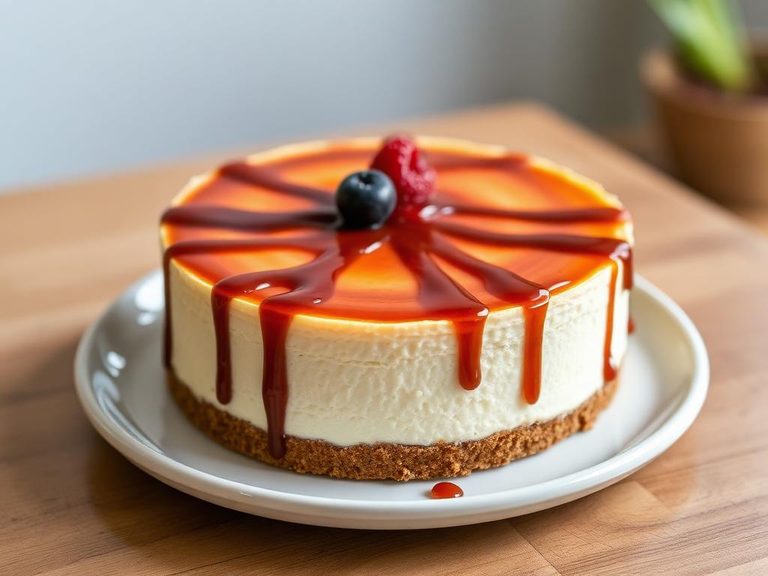
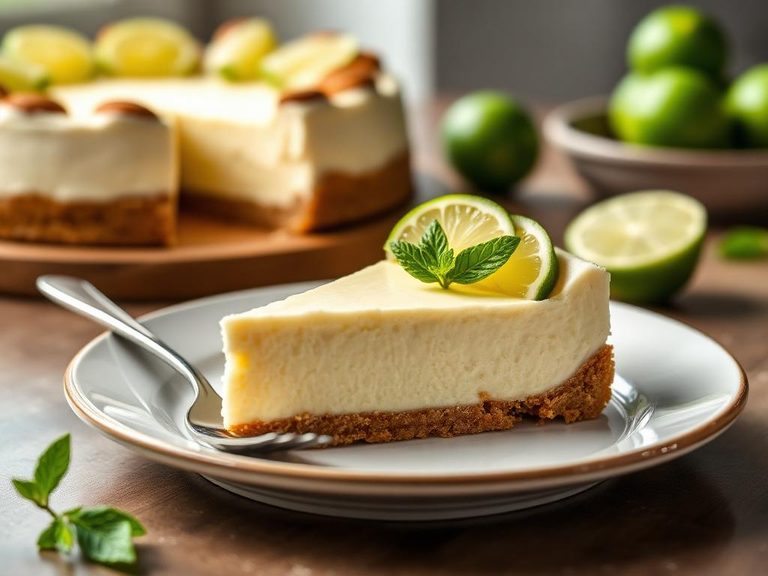
No-bake cheesecake is a creamy, chilled dessert that skips the oven, relying on a setting agent like gelatin or the natural thickness of whipped cream and cream cheese to hold its shape. It typically features a crumbly biscuit or graham cracker base, a rich filling of cream cheese, sugar, and often sour cream or heavy cream, and can be topped with fruit, chocolate, or compotes. While its exact origins are debated, it became widely popular in the United States during the mid-20th century as a convenient, no-oven-required variation of traditional cheesecake.
🍳 View the full No-Bake Cheesecake recipe →
🍽️ Nutrition at a glance
This dessert is generally high in fat and calories, with a significant portion coming from saturated fat due to the cream cheese and butter in the crust. A typical slice provides a good amount of calcium and protein from the dairy ingredients, but is also high in sugar and refined carbohydrates from the crust and sweeteners, with a rough ballpark of 400-600 calories per slice.
Nutrition breakdown
| Calories | 380 kcal |
| Protein | 6.5 g |
| Carbs | 28 g |
| Fat | 28 g |
| Fiber | 0.5 g |
| Sugar | 22 g |
| Sodium | 310 mg |
| Vitamin A | 150 mcg RAE |
| Vitamin C | 1.5 mg |
| Calcium | 100 mg |
| Iron | 0.8 mg |
| Potassium | 150 mg |
| Vitamin D | 0.5 mcg |
| Phosphorus | 95 mg |
| Vitamin B12 | 0.3 mcg |
Per 1 slice (1/8 of 9-inch cake, approx. 125 g) · estimated, varies by recipe
💡 What's interesting
Culturally, it represents a post-war American shift towards convenience cooking and no-oven desserts, especially popular in warmer climates or during summer. Nutritionally, it's a paradox: while it provides calcium and protein from dairy, its high fat and sugar content make it an indulgence rather than a health food, and its no-bake method preserves some heat-sensitive nutrients that baking might diminish.
🍽️ Related dishes

AI estimate may be inaccurate · Terms