

Cheesecake, plain
Common food

Photo: Wikipedia
Plain cheesecake is a dense, creamy dessert with a velvety, rich texture from its primary ingredient: cream cheese. It offers a sweet, tangy flavor profile, often balanced by a buttery graham cracker crust. Nutritionally, it is a calorie-dense treat, providing a significant source of fat and sugar per serving.
Calorie split: 5% protein · 35% carbs · 60% fat
↓ Full nutrition💚 Why it's loved
People love it for its luxurious, creamy mouthfeel and the perfect balance of sweet and tangy flavors. Its simple yet decadent profile makes it a versatile canvas for toppings like fruit, chocolate, or caramel.
⚠️ Watch-outs & how to enjoy it better
Its high sugar and fat content can contribute to blood sugar spikes and is a consideration for those monitoring calorie intake. As a dairy-based dessert, it is a common allergen for those with milk or lactose intolerance. To enjoy mindfully, practice strict portion control (a thin slice) and pair it with a source of fiber or protein, like a handful of berries, to help slow sugar absorption.
Key benefits
- Provides a concentrated source of energy from fats and carbohydrates.
- Contains some protein from dairy ingredients like cream cheese and eggs.
- Can be a source of calcium and phosphorus from the dairy components.
- Often enjoyed as a celebratory or comfort food, contributing to psychological well-being.
🍽️ Popular dishes
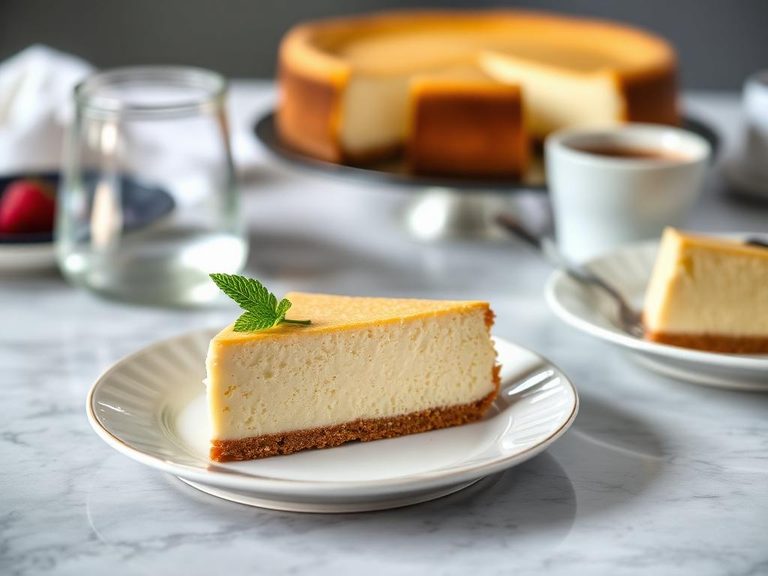
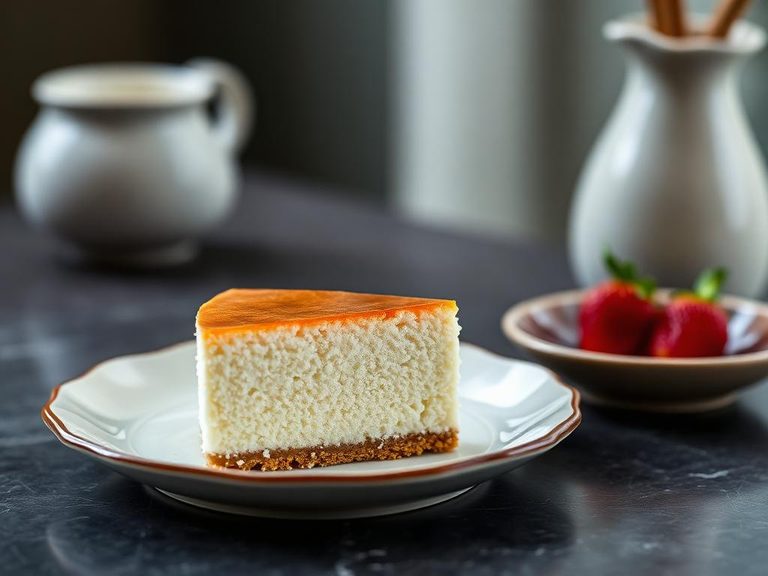
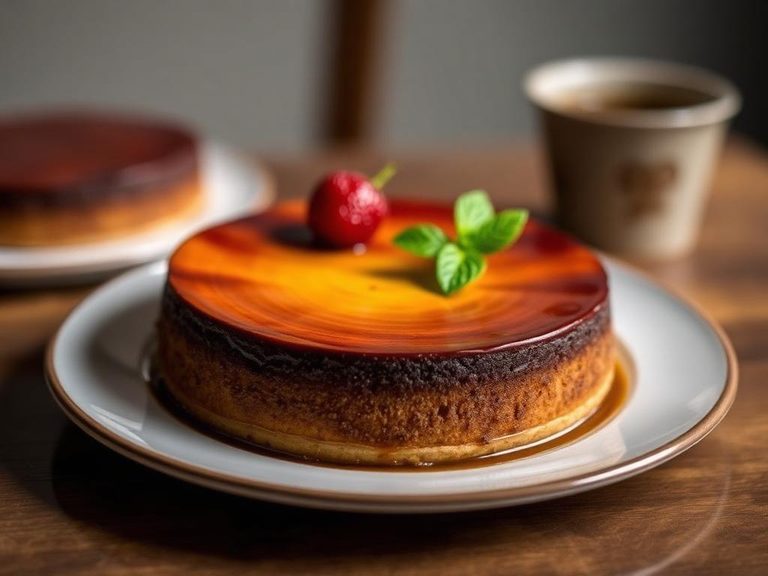
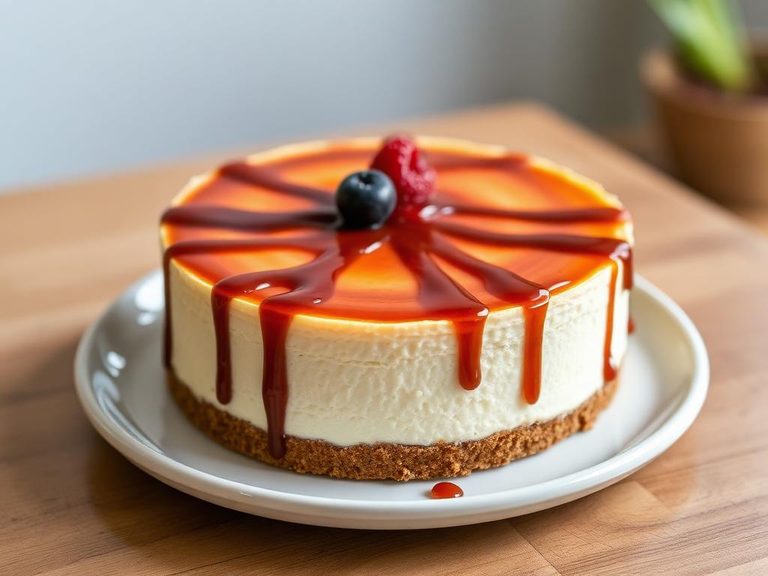
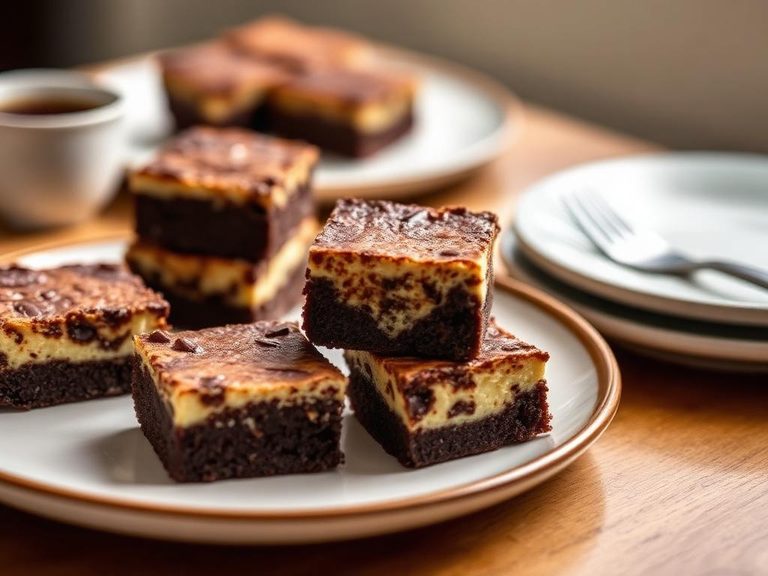
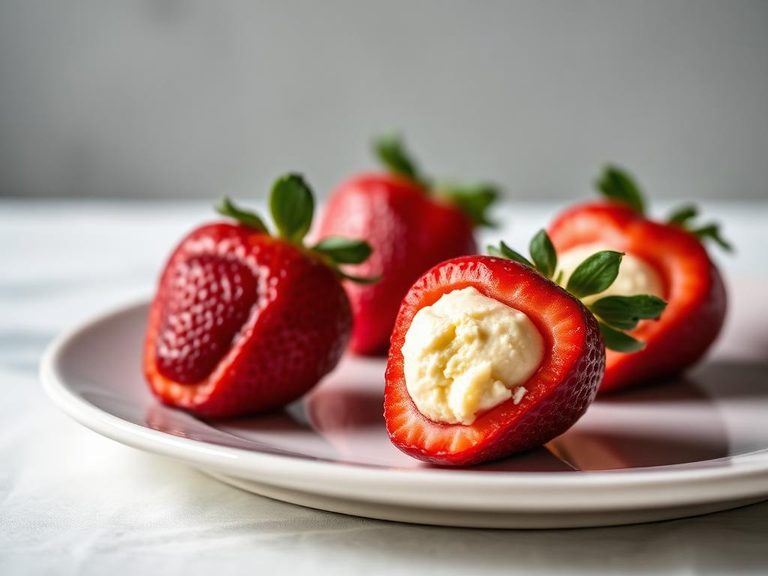
🌍 Where it's eaten
💡 Did you know?
The earliest known recipe for a cheesecake-like dish was recorded by the Greek physician Aegimus in the 5th century BCE, prescribing it as a recovery food for athletes at the first Olympic Games.
Full nutrition (USDA data · scales with serving)
| Water | 32.2 g |
| Energy | 399 kcal |
| Protein | 5.3 g |
| Total lipid (fat) | 26.5 g |
| Carbohydrate, by difference | 34.8 g |
| Fiber, total dietary | 0.50 g |
| Total Sugars | 26.6 g |
| Calcium, Ca | 67.0 mg |
| Iron, Fe | 0.75 mg |
| Magnesium, Mg | 12.0 mg |
| Phosphorus, P | 103 mg |
| Potassium, K | 104 mg |
| Sodium, Na | 277 mg |
| Zinc, Zn | 0.58 mg |
| Copper, Cu | 0.03 mg |
| Selenium, Se | 8.7 ug |
| Vitamin C, total ascorbic acid | 0.00 mg |
| Thiamin | 0.05 mg |
| Riboflavin | 0.21 mg |
| Niacin | 0.64 mg |
| Vitamin B-6 | 0.04 mg |
| Folate, total | 21.0 ug |
| Folic acid | 7.0 ug |
| Folate, food | 13.0 ug |
| Folate, DFE | 26.0 ug |
| Choline, total | 47.8 mg |
| Vitamin B-12 | 0.11 ug |
| Vitamin B-12, added | 0.00 ug |
| Vitamin A, RAE | 221 ug |
| Retinol | 220 ug |
| Carotene, beta | 14.0 ug |
| Carotene, alpha | 0.00 ug |
| Cryptoxanthin, beta | 2.0 ug |
| Lycopene | 0.00 ug |
| Lutein + zeaxanthin | 67.0 ug |
| Vitamin E (alpha-tocopherol) | 0.77 mg |
| Vitamin E, added | 0.00 mg |
| Vitamin D (D2 + D3) | 0.30 ug |
| Vitamin K (phylloquinone) | 3.8 ug |
| Alcohol, ethyl | 0.00 g |
| Caffeine | 0.00 mg |
| Theobromine | 0.00 mg |
Fat & fatty acid profile (per 100g)
| Fatty acids, total saturated | 14.4 g |
| SFA 4:0 | 0.54 g |
| SFA 6:0 | 0.42 g |
| SFA 8:0 | 0.26 g |
| SFA 10:0 | 0.60 g |
| SFA 12:0 | 0.70 g |
| SFA 14:0 | 2.2 g |
| SFA 16:0 | 6.8 g |
| SFA 18:0 | 2.3 g |
| Fatty acids, total monounsaturated | 5.7 g |
| MUFA 16:1 | 0.44 g |
| MUFA 18:1 | 5.9 g |
| MUFA 20:1 | 0.05 g |
| MUFA 22:1 | 0.00 g |
| Fatty acids, total polyunsaturated | 1.9 g |
| PUFA 18:2 | 1.4 g |
| PUFA 18:3 | 0.19 g |
| PUFA 18:4 | 0.00 g |
| PUFA 20:4 | 0.04 g |
| PUFA 20:5 n-3 (EPA) | 0.01 g |
| PUFA 22:5 n-3 (DPA) | 0.01 g |
| PUFA 22:6 n-3 (DHA) | 0.00 g |
| Cholesterol | 114 mg |
Amino acid profile (per 100g)
Estimated from Cake, cheesecake, commercially prepared — USDA does not publish this profile for Cheesecake.
| Tryptophan | 0.06 g |
| Threonine | 0.22 g |
| Isoleucine | 0.28 g |
| Leucine | 0.46 g |
| Lysine | 0.37 g |
| Methionine | 0.14 g |
| Cystine | 0.07 g |
| Phenylalanine | 0.26 g |
| Tyrosine | 0.22 g |
| Valine | 0.31 g |
| Arginine | 0.25 g |
| Histidine | 0.13 g |
| Alanine | 0.25 g |
| Aspartic acid | 0.41 g |
| Glutamic acid | 1.0 g |
| Glycine | 0.22 g |
| Proline | 0.48 g |
| Serine | 0.31 g |
FAQ
What makes New York-style cheesecake different?
It's defined by its dense, rich, and smooth texture, achieved by using a high ratio of cream cheese and eggs, often with the addition of heavy cream or sour cream. It's typically baked in a springform pan and has a taller, more substantial profile than lighter versions.
Why does my cheesecake crack on top?
Cracking is usually caused by overbaking or a sudden temperature change. The proteins in the eggs tighten too much, causing the surface to split. To prevent this, bake it in a water bath for even, gentle heat, and turn off the oven to let it cool gradually inside with the door ajar.
Can plain cheesecake be frozen?
Yes, cheesecake freezes exceptionally well. For best results, freeze individual slices on a baking sheet before wrapping them tightly in plastic wrap and foil. Thaw slices in the refrigerator overnight for the best texture.
Nutrient density (calculated · NRF9.3)
Nutrient Rich Foods index: beneficial nutrients (protein, fiber, vitamins, minerals) minus saturated fat, added sugar & sodium, per 100 kcal.
NRF9.3 index — Fulgoni, Keast & Drewnowski, 2009. Computed from USDA nutrients.
Weight-loss friendliness (composite index)
Energy density 3.99 kcal/g · 5% calories from protein · 0.5 g fiber · 26.6 g sugar per 100 g.
Composite of energy density (Rolls et al., 1999), protein & fiber satiety, minus sugar. A calculated heuristic — ranks satiety-per-calorie, not a clinical measure.
Dietary load (calculated from USDA values)
Potential renal acid load. Positive = acid-forming, negative = alkaline-forming.
Sodium-to-potassium ratio: 2.66 (lower is better — aim for ≤ 1)
Sodium:potassium per WHO potassium guidance. Computed from USDA nutrients.