

Pickles, sweet
Common food
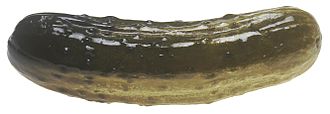
Photo: Wikipedia
Sweet pickles are cucumbers preserved in a brine of vinegar, sugar, and spices, resulting in a crisp, tangy, and distinctly sugary bite. Unlike their dill or sour counterparts, they are defined by their high sugar content, which creates a candy-like contrast to the vegetable's natural crunch. Nutritionally, they are essentially a low-calorie, low-fat source of quick carbohydrates, with nearly all their carbs coming from added sugar.
Calorie split: 3% protein · 93% carbs · 4% fat
↓ Full nutrition💚 Why it's loved
People love sweet pickles for their addictive, candy-like crunch that perfectly balances tangy vinegar with sugary sweetness. They are a beloved, versatile condiment that adds a bright, zesty pop to sandwiches, burgers, and charcuterie boards.
⚠️ Watch-outs & how to enjoy it better
The primary downside is the high sugar content (over 18g per 100g), which can cause rapid blood-sugar spikes, making them a poor choice for diabetics or those monitoring sugar intake. They also typically contain significant sodium. To counteract, pair them with protein or fat (like in a sandwich with turkey or cheese) to slow sugar absorption, and practice strict portion control.
Key benefits
- Low in calories and fat
- Provides a quick source of energy from carbohydrates
- Contains trace amounts of dietary fiber
- Offers a satisfying sweet and sour flavor without significant fat
🍽️ Popular dishes
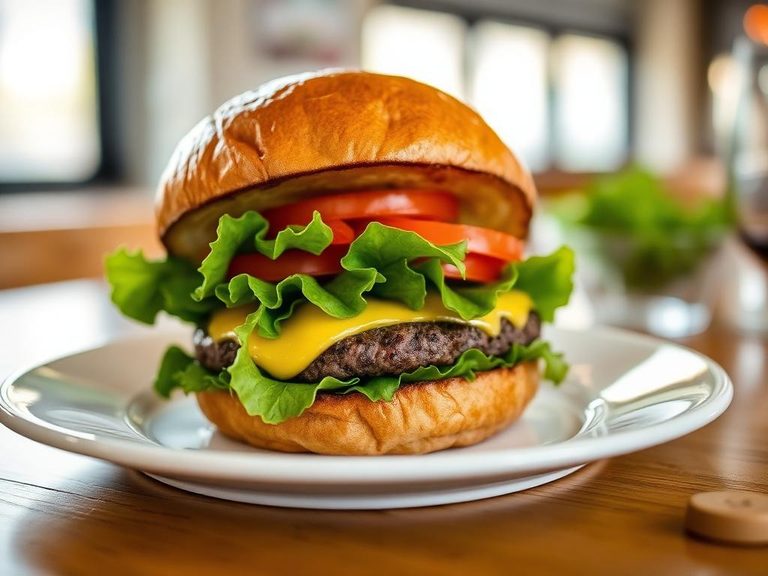
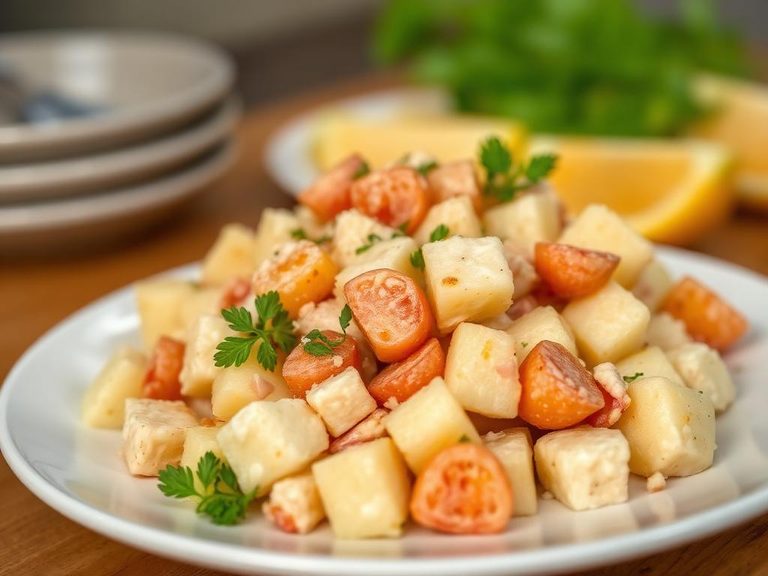
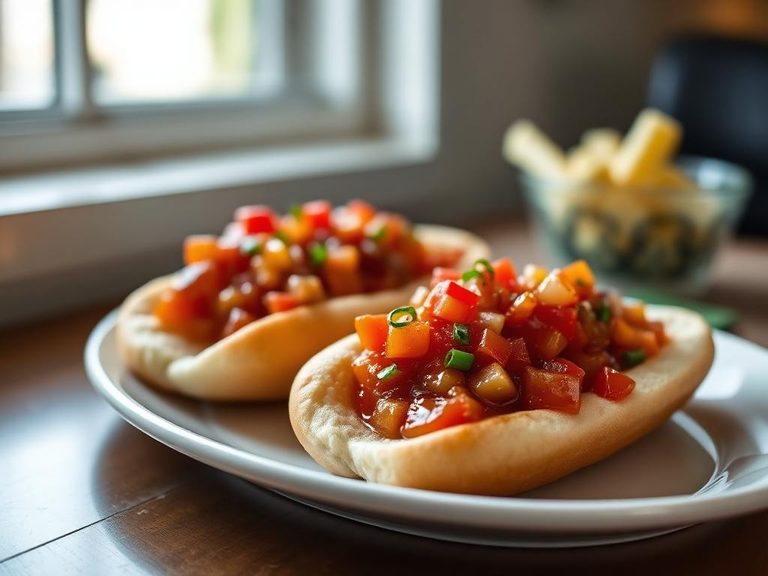
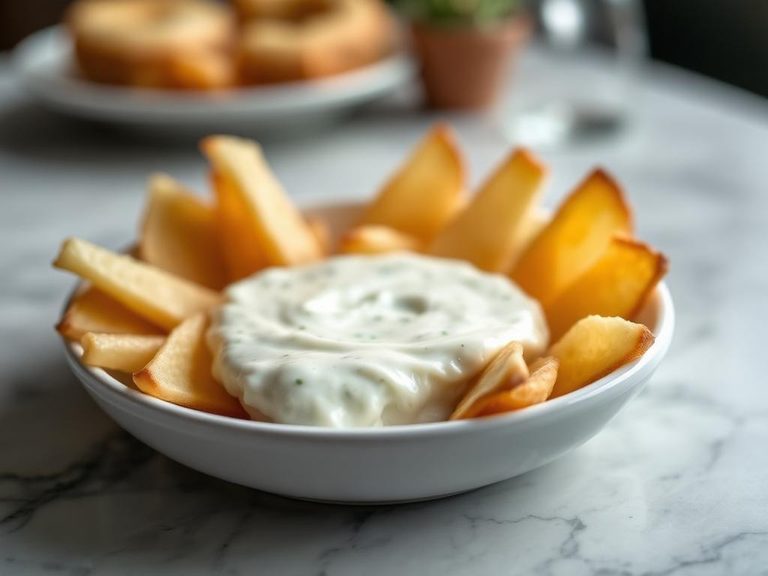
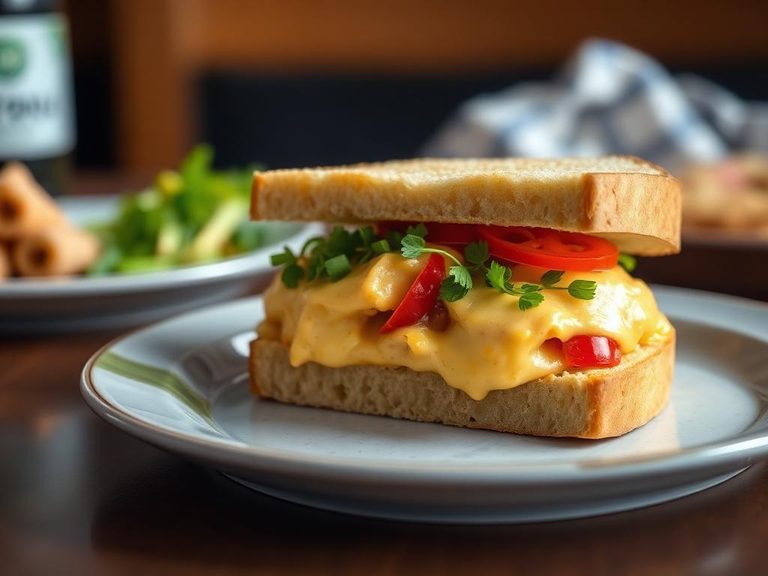
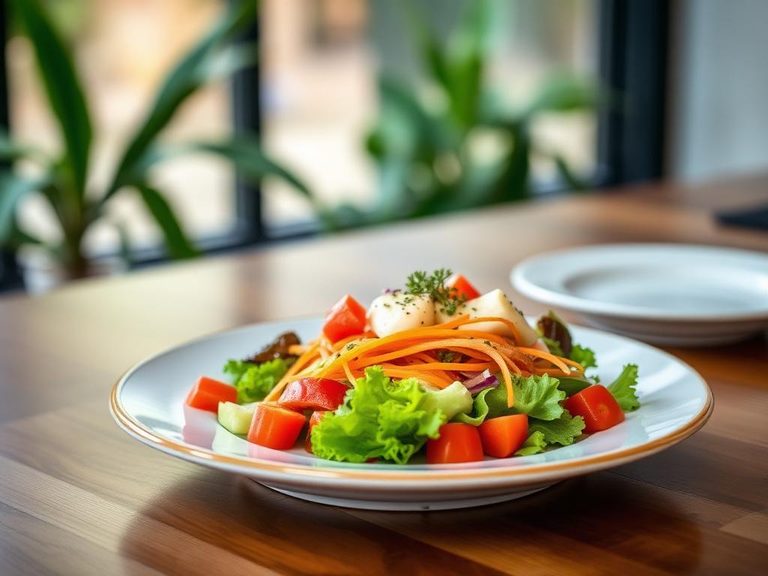
🌍 Where it's eaten
💡 Did you know?
The bright green color of many commercial sweet pickles comes from a trace amount of copper sulfate added to the pickling brine, a practice that has been banned in some countries.
Full nutrition (USDA data · scales with serving)
| Water | 76.2 g |
| Energy | 91.0 kcal |
| Protein | 0.58 g |
| Total lipid (fat) | 0.41 g |
| Carbohydrate, by difference | 21.1 g |
| Fiber, total dietary | 1.0 g |
| Total Sugars | 18.3 g |
| Calcium, Ca | 61.0 mg |
| Iron, Fe | 0.25 mg |
| Magnesium, Mg | 7.0 mg |
| Phosphorus, P | 18.0 mg |
| Potassium, K | 100 mg |
| Sodium, Na | 457 mg |
| Zinc, Zn | 0.12 mg |
| Copper, Cu | 0.03 mg |
| Selenium, Se | 0.00 ug |
| Vitamin C, total ascorbic acid | 0.70 mg |
| Thiamin | 0.03 mg |
| Riboflavin | 0.03 mg |
| Niacin | 0.12 mg |
| Vitamin B-6 | 0.02 mg |
| Folate, total | 1.0 ug |
| Folic acid | 0.00 ug |
| Folate, food | 1.0 ug |
| Folate, DFE | 1.0 ug |
| Choline, total | 3.1 mg |
| Vitamin B-12 | 0.00 ug |
| Vitamin B-12, added | 0.00 ug |
| Vitamin A, RAE | 38.0 ug |
| Retinol | 0.00 ug |
| Carotene, beta | 325 ug |
| Carotene, alpha | 81.0 ug |
| Cryptoxanthin, beta | 186 ug |
| Lycopene | 0.00 ug |
| Lutein + zeaxanthin | 170 ug |
| Vitamin E (alpha-tocopherol) | 0.36 mg |
| Vitamin E, added | 0.00 mg |
| Vitamin D (D2 + D3) | 0.00 ug |
| Vitamin K (phylloquinone) | 47.1 ug |
| Alcohol, ethyl | 0.00 g |
| Caffeine | 0.00 mg |
| Theobromine | 0.00 mg |
Fat & fatty acid profile (per 100g)
| Fatty acids, total saturated | 0.07 g |
| SFA 4:0 | 0.00 g |
| SFA 6:0 | 0.00 g |
| SFA 8:0 | 0.00 g |
| SFA 10:0 | 0.00 g |
| SFA 12:0 | 0.00 g |
| SFA 14:0 | 0.00 g |
| SFA 16:0 | 0.06 g |
| SFA 18:0 | 0.01 g |
| Fatty acids, total monounsaturated | 0.00 g |
| MUFA 16:1 | 0.00 g |
| MUFA 18:1 | 0.00 g |
| MUFA 20:1 | 0.00 g |
| MUFA 22:1 | 0.00 g |
| Fatty acids, total polyunsaturated | 0.11 g |
| PUFA 18:2 | 0.05 g |
| PUFA 18:3 | 0.06 g |
| PUFA 18:4 | 0.00 g |
| PUFA 20:4 | 0.00 g |
| PUFA 20:5 n-3 (EPA) | 0.00 g |
| PUFA 22:5 n-3 (DPA) | 0.00 g |
| PUFA 22:6 n-3 (DHA) | 0.00 g |
| Cholesterol | 0.00 mg |
Amino acid profile (per 100g)
Estimated from Pickles, cucumber, sweet (includes bread and butter pickles) — USDA does not publish this profile for Pickles.
| Tryptophan | 0.01 g |
| Threonine | 0.02 g |
| Isoleucine | 0.02 g |
| Leucine | 0.03 g |
| Lysine | 0.03 g |
| Methionine | 0.01 g |
| Cystine | 0.01 g |
| Phenylalanine | 0.02 g |
| Tyrosine | 0.01 g |
| Valine | 0.02 g |
| Arginine | 0.03 g |
| Histidine | 0.01 g |
| Alanine | 0.03 g |
| Aspartic acid | 0.04 g |
| Glutamic acid | 0.17 g |
| Glycine | 0.03 g |
| Proline | 0.01 g |
| Serine | 0.03 g |
FAQ
Are sweet pickles the same as bread and butter pickles?
Yes, bread and butter pickles are a specific, popular type of sweet pickle. They are sliced into rounds and pickled in a sweet, tangy brine often containing mustard seeds, celery seeds, and turmeric.
Why are my homemade sweet pickles not crunchy?
Loss of crunch is often due to using the wrong cucumber variety, not using a crispness agent like grape leaves or alum, or over-processing during pickling. Using fresh, unwaxed pickling cucumbers and following a tested recipe is key.
Can I use sweet pickle juice for anything?
Absolutely! It's a fantastic base for salad dressings, a tangy marinade for chicken or pork, or even a secret ingredient in cocktail sauces and bloody marys.
Nutrient density (calculated · NRF9.3)
Nutrient Rich Foods index: beneficial nutrients (protein, fiber, vitamins, minerals) minus saturated fat, added sugar & sodium, per 100 kcal.
NRF9.3 index — Fulgoni, Keast & Drewnowski, 2009. Computed from USDA nutrients.
Weight-loss friendliness (composite index)
Energy density 0.91 kcal/g · 3% calories from protein · 1.0 g fiber · 18.3 g sugar per 100 g.
Composite of energy density (Rolls et al., 1999), protein & fiber satiety, minus sugar. A calculated heuristic — ranks satiety-per-calorie, not a clinical measure.
Dietary load (calculated from USDA values)
Potential renal acid load. Positive = acid-forming, negative = alkaline-forming.
Sodium-to-potassium ratio: 4.57 (lower is better — aim for ≤ 1)
Sodium:potassium per WHO potassium guidance. Computed from USDA nutrients.