

Pepper, for use on a sandwich
Common food

Photo: Wikipedia
A crisp, juicy slice of bell pepper adds a sweet, vegetal crunch to any sandwich, transforming a simple meal with vibrant color and texture. Low in calories and packed with vitamin C, it's a nutrient-dense way to boost your sandwich's nutritional profile without adding fat. Its mild, slightly tangy flavor pairs perfectly with creamy cheeses, savory meats, and tangy spreads.
Calorie split: 12% protein · 84% carbs · 4% fat
↓ Full nutrition💚 Why it's loved
People love pepper for its satisfying crunch and natural sweetness, which brightens up sandwiches without overwhelming other flavors. Its versatility makes it a staple in cuisines worldwide, from Italian antipasti to Mexican tacos, adding both color and a fresh, clean taste.
⚠️ Watch-outs & how to enjoy it better
Some individuals may experience digestive discomfort or heartburn from the natural capsaicin in peppers, especially if they have a sensitive stomach or acid reflux. To mitigate this, choose milder varieties like bell peppers, pair with a protein or fat (like cheese or hummus) to slow digestion, and consider cooking the pepper to reduce its irritant compounds.
Key benefits
- Excellent source of vitamin C, supporting immune function.
- Very low in calories and fat, aiding in weight management.
- Provides dietary fiber for digestive health.
- Contains antioxidants like beta-carotene and lutein.
- Adds satisfying crunch and volume to meals.
🍽️ Popular dishes


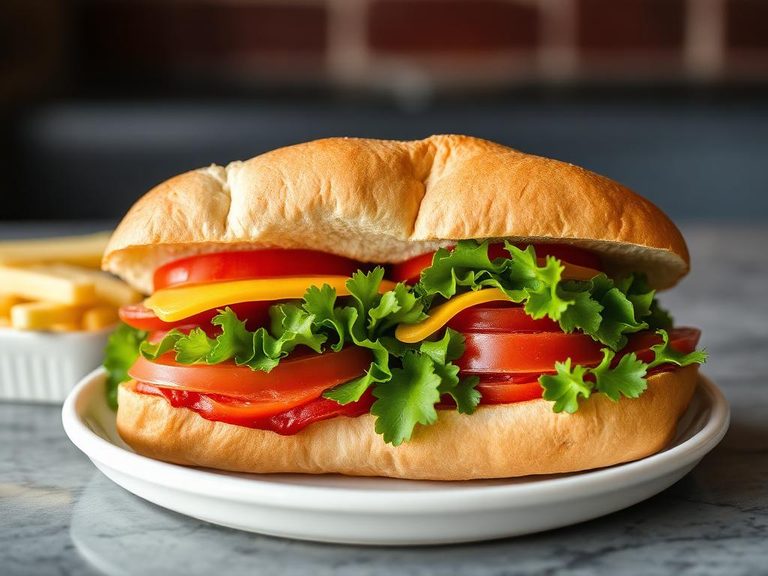
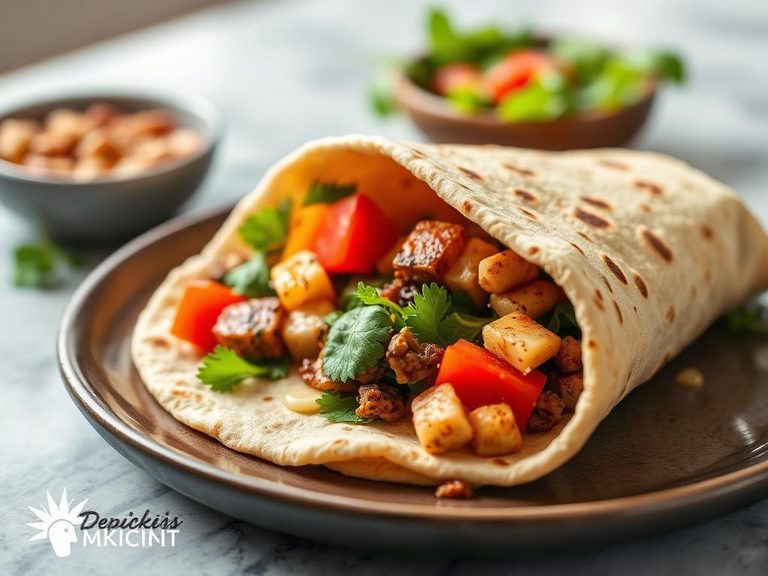
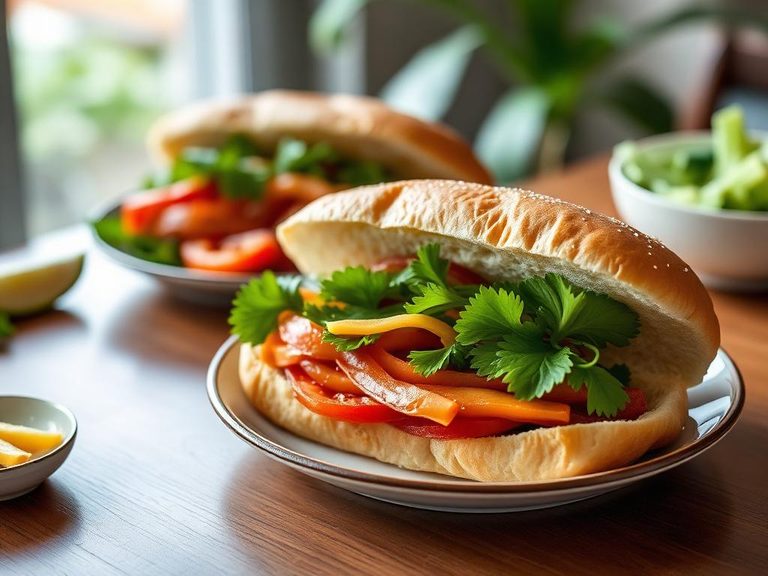
🌍 Where it's eaten
💡 Did you know?
Bell peppers are actually fruits, not vegetables, and they are the only member of the nightshade family that doesn't contain capsaicin, the compound that makes chili peppers hot.
Full nutrition (USDA data · scales with serving)
| Water | 93.0 g |
| Energy | 27.0 kcal |
| Protein | 0.81 g |
| Total lipid (fat) | 0.12 g |
| Carbohydrate, by difference | 5.7 g |
| Fiber, total dietary | 1.0 g |
| Total Sugars | 3.3 g |
| Calcium, Ca | 6.0 mg |
| Iron, Fe | 0.27 mg |
| Magnesium, Mg | 10.0 mg |
| Phosphorus, P | 22.0 mg |
| Potassium, K | 188 mg |
| Sodium, Na | 0.00 mg |
| Zinc, Zn | 0.16 mg |
| Copper, Cu | 0.05 mg |
| Selenium, Se | 0.00 ug |
| Vitamin C, total ascorbic acid | 121 mg |
| Thiamin | 0.05 mg |
| Riboflavin | 0.12 mg |
| Niacin | 0.83 mg |
| Vitamin B-6 | 0.28 mg |
| Folate, total | 34.0 ug |
| Folic acid | 0.00 ug |
| Folate, food | 34.0 ug |
| Folate, DFE | 34.0 ug |
| Choline, total | 5.6 mg |
| Vitamin B-12 | 0.00 ug |
| Vitamin B-12, added | 0.00 ug |
| Vitamin A, RAE | 88.0 ug |
| Retinol | 0.00 ug |
| Carotene, beta | 916 ug |
| Carotene, alpha | 20.0 ug |
| Cryptoxanthin, beta | 248 ug |
| Lycopene | 0.00 ug |
| Lutein + zeaxanthin | 196 ug |
| Vitamin E (alpha-tocopherol) | 0.98 mg |
| Vitamin E, added | 0.00 mg |
| Vitamin D (D2 + D3) | 0.00 ug |
| Vitamin K (phylloquinone) | 6.2 ug |
| Alcohol, ethyl | 0.00 g |
| Caffeine | 0.00 mg |
| Theobromine | 0.00 mg |
Fat & fatty acid profile (per 100g)
| Fatty acids, total saturated | 0.06 g |
| SFA 4:0 | 0.00 g |
| SFA 6:0 | 0.00 g |
| SFA 8:0 | 0.00 g |
| SFA 10:0 | 0.00 g |
| SFA 12:0 | 0.00 g |
| SFA 14:0 | 0.00 g |
| SFA 16:0 | 0.05 g |
| SFA 18:0 | 0.01 g |
| Fatty acids, total monounsaturated | 0.01 g |
| MUFA 16:1 | 0.00 g |
| MUFA 18:1 | 0.01 g |
| MUFA 20:1 | 0.00 g |
| MUFA 22:1 | 0.00 g |
| Fatty acids, total polyunsaturated | 0.11 g |
| PUFA 18:2 | 0.08 g |
| PUFA 18:3 | 0.03 g |
| PUFA 18:4 | 0.00 g |
| PUFA 20:4 | 0.00 g |
| PUFA 20:5 n-3 (EPA) | 0.00 g |
| PUFA 22:5 n-3 (DPA) | 0.00 g |
| PUFA 22:6 n-3 (DHA) | 0.00 g |
| Cholesterol | 0.00 mg |
Amino acid profile (per 100g)
Estimated from Peppers, sweet, red, canned, solids and liquids — USDA does not publish this profile for Pepper.
| Tryptophan | 0.01 g |
| Threonine | 0.03 g |
| Isoleucine | 0.03 g |
| Leucine | 0.04 g |
| Lysine | 0.04 g |
| Methionine | 0.01 g |
| Cystine | 0.01 g |
| Phenylalanine | 0.03 g |
| Tyrosine | 0.02 g |
| Valine | 0.03 g |
| Arginine | 0.04 g |
| Histidine | 0.02 g |
| Alanine | 0.03 g |
| Aspartic acid | 0.11 g |
| Glutamic acid | 0.11 g |
| Glycine | 0.03 g |
| Proline | 0.04 g |
| Serine | 0.03 g |
FAQ
Are all peppers spicy?
No, bell peppers are sweet and mild, while chili peppers like jalapeños and habaneros are spicy due to capsaicin.
How do I store peppers to keep them fresh?
Store whole peppers in the refrigerator's crisper drawer for up to a week, or slice and freeze them for longer storage.
Can I eat peppers raw in a sandwich?
Yes, raw peppers add a crisp texture and fresh flavor, but you can also grill or roast them for a sweeter, smokier taste.
Nutrient density (calculated · NRF9.3)
Nutrient Rich Foods index: beneficial nutrients (protein, fiber, vitamins, minerals) minus saturated fat, added sugar & sodium, per 100 kcal.
NRF9.3 index — Fulgoni, Keast & Drewnowski, 2009. Computed from USDA nutrients.
Weight-loss friendliness (composite index)
Energy density 0.27 kcal/g · 12% calories from protein · 1.0 g fiber · 3.3 g sugar per 100 g.
Composite of energy density (Rolls et al., 1999), protein & fiber satiety, minus sugar. A calculated heuristic — ranks satiety-per-calorie, not a clinical measure.
Dietary load (calculated from USDA values)
Potential renal acid load. Positive = acid-forming, negative = alkaline-forming.
Sodium-to-potassium ratio: 0.00 (lower is better — aim for ≤ 1)
Sodium:potassium per WHO potassium guidance. Computed from USDA nutrients.