Peppers, sweet, red, canned, solids and liquids
Whole food · Vegetables and Vegetable Products

Photo: Wikipedia
Canned sweet red peppers are tender, ruby-hued strips or chunks preserved in their own light brine, offering a mellow, concentrated sweetness with a soft, yielding texture. Nutritionally, they are a low-calorie, fiber-rich source of vitamin C and vitamin A, making them a vibrant, pantry-stable vegetable option.
💚 Why it's loved
People love them for their deep, roasted sweetness and soft texture that effortlessly blends into dips, sauces, and salads. Their convenience and year-round availability make them a beloved staple for quick, flavorful meal additions.
⚠️ Watch-outs & how to enjoy it better
The canning process can significantly increase sodium content, which is a concern for those monitoring blood pressure. To counteract this, rinse the peppers thoroughly under water before use. Some individuals may also experience mild digestive discomfort from the fiber; starting with smaller portions can help.
Key benefits
- Excellent source of vitamin C (ascorbic acid) for immune support.
- High in vitamin A (as beta-carotene) for eye health.
- Good source of dietary fiber for digestive health.
- Very low in calories and fat, aiding in weight management.
- Convenient and shelf-stable with no preparation needed.
🍽️ Popular dishes
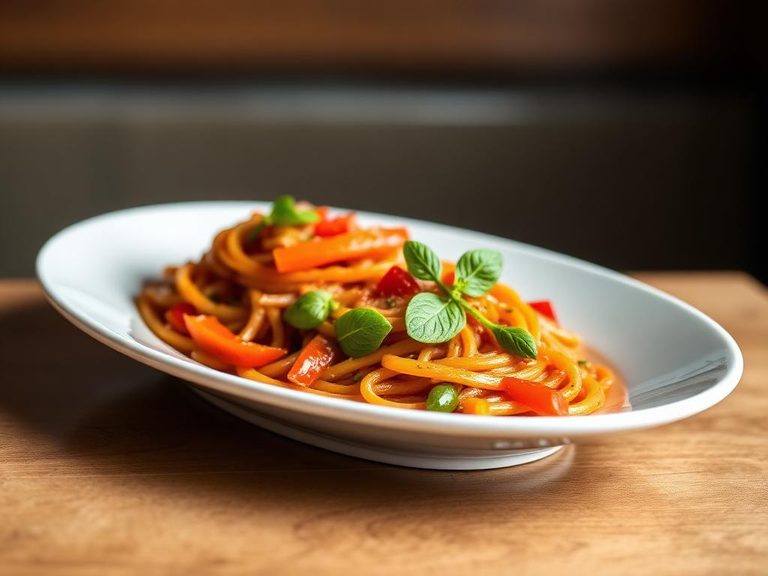
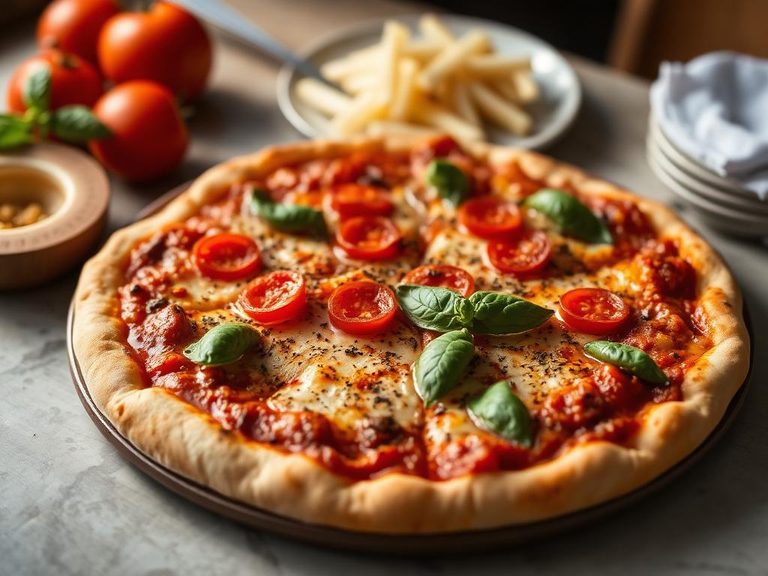
🌍 Where it's eaten
💡 Did you know?
The vibrant red color of sweet peppers comes from carotenoid pigments, primarily capsanthin and capsorubin, which are actually more bioavailable to the body after cooking or canning than in the raw state.
Full nutrition (scales with serving)
| Water | 91.3 g |
| Energy | 18.0 kcal |
| Energy | 75.0 kj |
| Protein | 0.80 g |
| Total lipid (fat) | 0.30 g |
| Ash | 3.8 g |
| Carbohydrate, by difference | 3.9 g |
| Fiber, total dietary | 1.2 g |
| Calcium, Ca | 41.0 mg |
| Iron, Fe | 0.80 mg |
| Magnesium, Mg | 11.0 mg |
| Phosphorus, P | 20.0 mg |
| Potassium, K | 146 mg |
| Sodium, Na | 1369 mg |
| Zinc, Zn | 0.18 mg |
| Copper, Cu | 0.13 mg |
| Manganese, Mn | 0.16 mg |
| Selenium, Se | 0.30 ug |
| Vitamin C, total ascorbic acid | 46.5 mg |
| Thiamin | 0.03 mg |
| Riboflavin | 0.03 mg |
| Niacin | 0.55 mg |
| Pantothenic acid | 0.04 mg |
| Vitamin B-6 | 0.18 mg |
| Folate, total | 16.0 ug |
| Folic acid | 0.00 ug |
| Folate, food | 16.0 ug |
| Folate, DFE | 16.0 ug |
| Vitamin B-12 | 0.00 ug |
| Vitamin A, RAE | 26.0 ug |
| Retinol | 0.00 ug |
| Vitamin A, IU | 520 iu |
| Vitamin D (D2 + D3), International Units | 0.00 iu |
| Vitamin D (D2 + D3) | 0.00 ug |
Fat & fatty acid profile (per 100g)
| Fatty acids, total saturated | 0.04 g |
| SFA 12:0 | 0.00 g |
| SFA 14:0 | 0.00 g |
| SFA 16:0 | 0.03 g |
| SFA 18:0 | 0.01 g |
| Fatty acids, total monounsaturated | 0.02 g |
| MUFA 16:1 | 0.00 g |
| MUFA 18:1 | 0.02 g |
| Fatty acids, total polyunsaturated | 0.16 g |
| PUFA 18:2 | 0.15 g |
| PUFA 18:3 | 0.01 g |
| Fatty acids, total trans | 0.00 g |
| Cholesterol | 0.00 mg |
Amino acid profile (per 100g)
| Tryptophan | 0.01 g |
| Threonine | 0.03 g |
| Isoleucine | 0.03 g |
| Leucine | 0.04 g |
| Lysine | 0.04 g |
| Methionine | 0.01 g |
| Cystine | 0.01 g |
| Phenylalanine | 0.03 g |
| Tyrosine | 0.02 g |
| Valine | 0.03 g |
| Arginine | 0.04 g |
| Histidine | 0.02 g |
| Alanine | 0.03 g |
| Aspartic acid | 0.11 g |
| Glutamic acid | 0.11 g |
| Glycine | 0.03 g |
| Proline | 0.04 g |
| Serine | 0.03 g |
FAQ
Are canned sweet red peppers as nutritious as fresh ones?
While canning can reduce some heat-sensitive vitamins like vitamin C, the process actually increases the bioavailability of other antioxidants like beta-carotene. Canned peppers remain a very nutritious, fiber-rich choice.
Should I rinse canned red peppers before using them?
Yes, rinsing under cool water for 30-60 seconds can reduce the sodium content by up to 40%, making them a better choice for low-sodium diets.
What's the difference between 'solids and liquids' and 'drained solids' on a nutrition label?
'Solids and liquids' means the nutritional data includes both the peppers and the canning liquid (brine). 'Drained solids' refers only to the peppers after the liquid is poured off, which will have a lower sodium and calorie count per serving.