

Peanuts, spanish, raw
Whole food · Legumes and Legume Products
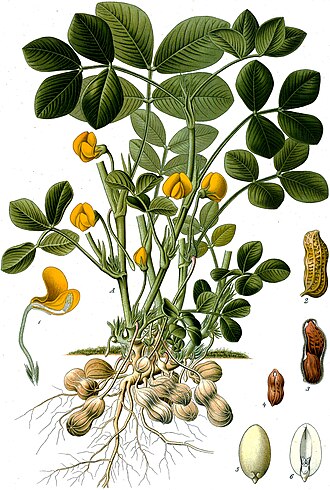
Photo: Wikipedia
Raw Spanish peanuts are small, reddish-brown kernels with a bold, nutty flavor and a firm, slightly chewy texture that softens when roasted. They are a protein and fat powerhouse, delivering nearly 50g of healthy fats and over 26g of protein per 100g. Their high fiber content (9.5g) makes them a satisfying, nutrient-dense snack.
Calorie split: 17% protein · 10% carbs · 73% fat
↓ Full nutrition💚 Why it's loved
People love them for their deep, earthy flavor and satisfying crunch, which intensifies when roasted. They are incredibly versatile, serving as a standalone snack, a base for nut butters, or a key ingredient in both sweet and savory dishes worldwide.
⚠️ Watch-outs & how to enjoy it better
As a common and potent allergen, they pose a severe risk for those with peanut allergies. Their high fat and calorie density can lead to overconsumption. To mitigate, practice strict portion control (stick to a 1-ounce serving), and always check labels for cross-contamination if allergy-sensitive.
Key benefits
- Excellent source of plant-based protein for muscle maintenance.
- Rich in heart-healthy monounsaturated and polyunsaturated fats.
- High in dietary fiber, promoting digestive health and satiety.
- Provides essential minerals like magnesium, phosphorus, and manganese.
- Contains antioxidants like resveratrol and p-coumaric acid.
🍽️ Popular dishes
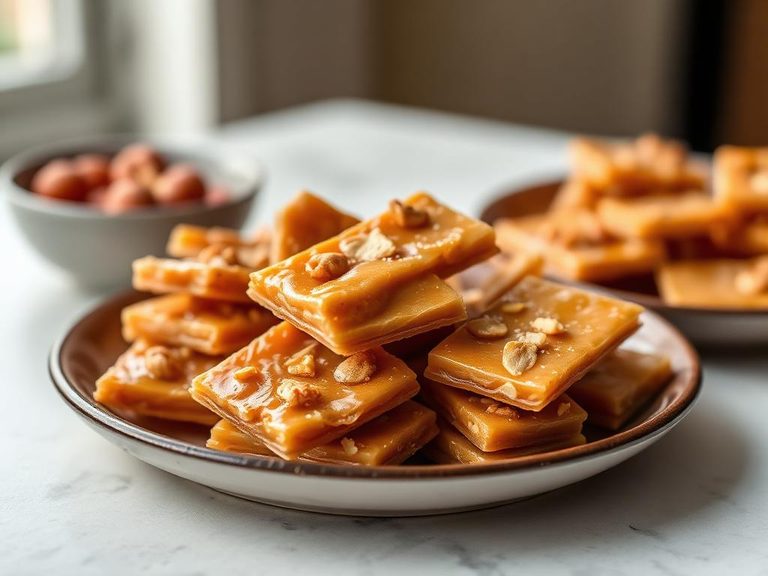
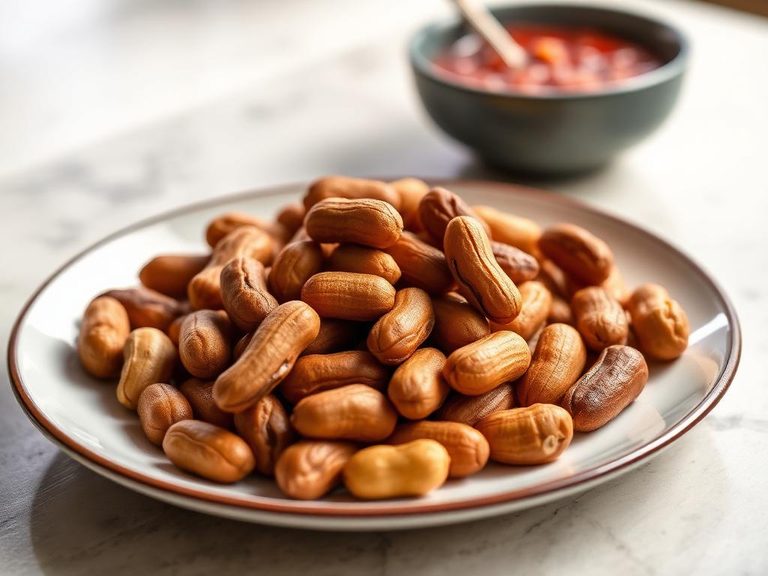
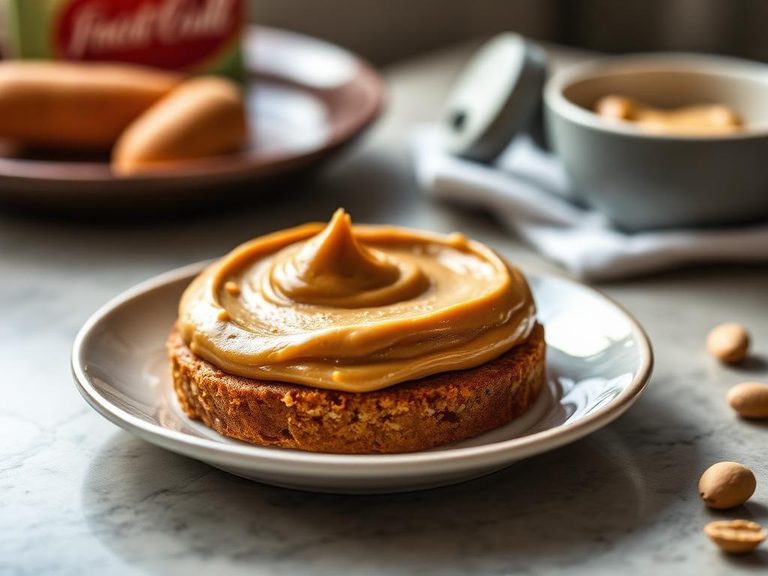
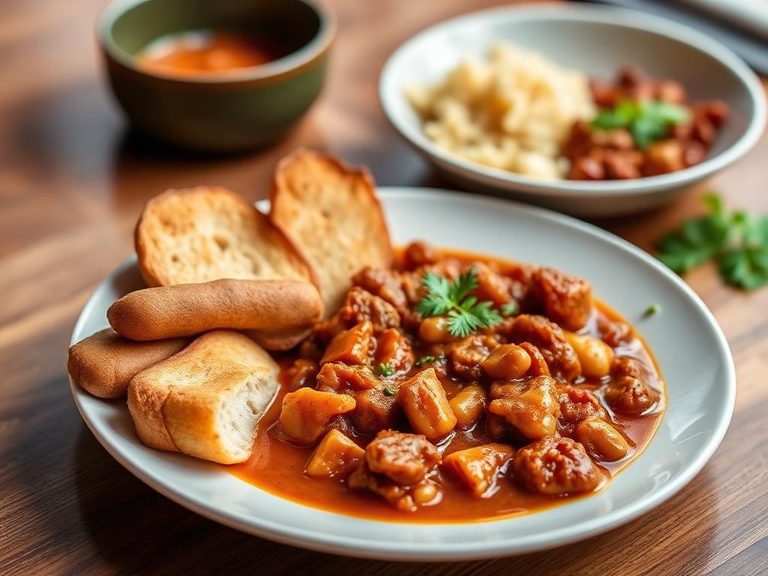
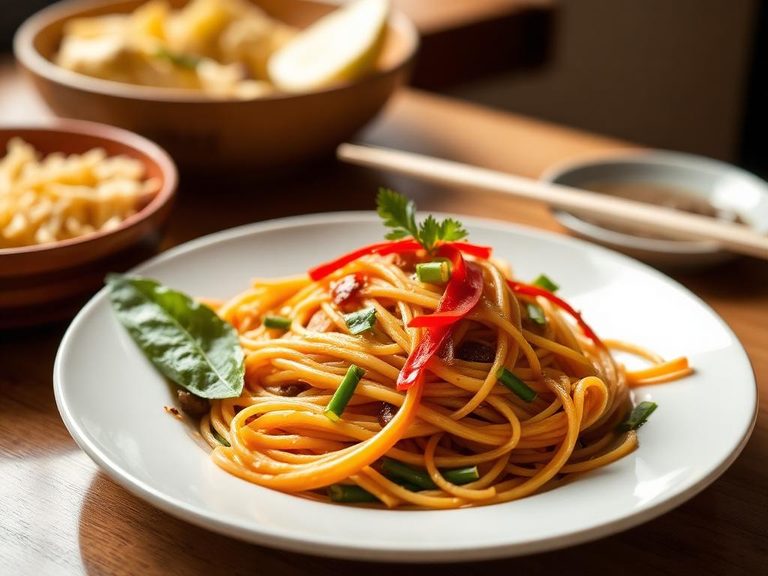
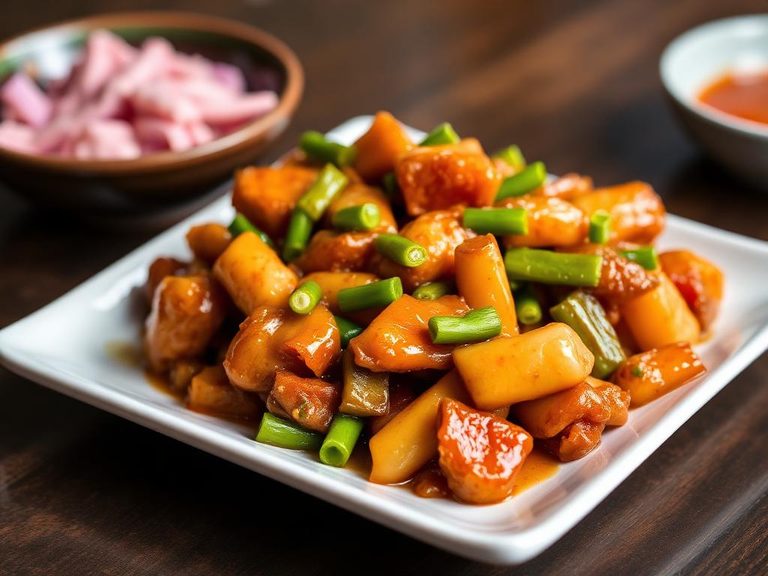
🌍 Where it's eaten
💡 Did you know?
Spanish peanuts have a higher oil content than other varieties, making them the preferred choice for making peanut oil and commercial peanut butter.
Full nutrition (USDA data · scales with serving)
| Water | 6.4 g |
| Energy | 570 kcal |
| Energy | 2386 kj |
| Protein | 26.1 g |
| Total lipid (fat) | 49.6 g |
| Ash | 2.0 g |
| Carbohydrate, by difference | 15.8 g |
| Fiber, total dietary | 9.5 g |
| Calcium, Ca | 106 mg |
| Iron, Fe | 3.9 mg |
| Magnesium, Mg | 188 mg |
| Phosphorus, P | 388 mg |
| Potassium, K | 744 mg |
| Sodium, Na | 22.0 mg |
| Zinc, Zn | 2.1 mg |
| Copper, Cu | 0.90 mg |
| Manganese, Mn | 2.6 mg |
| Selenium, Se | 7.2 ug |
| Vitamin C, total ascorbic acid | 0.00 mg |
| Thiamin | 0.68 mg |
| Riboflavin | 0.14 mg |
| Niacin | 15.9 mg |
| Pantothenic acid | 1.8 mg |
| Vitamin B-6 | 0.35 mg |
| Folate, total | 240 ug |
| Folic acid | 0.00 ug |
| Folate, food | 240 ug |
| Folate, DFE | 240 ug |
| Vitamin B-12 | 0.00 ug |
| Vitamin A, RAE | 0.00 ug |
| Retinol | 0.00 ug |
| Carotene, beta | 0.00 ug |
| Carotene, alpha | 0.00 ug |
| Cryptoxanthin, beta | 0.00 ug |
| Vitamin A, IU | 0.00 iu |
| Lycopene | 0.00 ug |
| Lutein + zeaxanthin | 0.00 ug |
| Vitamin D (D2 + D3), International Units | 0.00 iu |
| Vitamin D (D2 + D3) | 0.00 ug |
| Vitamin K (phylloquinone) | 0.00 ug |
| Alcohol, ethyl | 0.00 g |
| Caffeine | 0.00 mg |
| Theobromine | 0.00 mg |
Fat & fatty acid profile (per 100g)
| Fatty acids, total saturated | 7.1 g |
| SFA 4:0 | 0.00 g |
| SFA 6:0 | 0.00 g |
| SFA 8:0 | 0.04 g |
| SFA 10:0 | 0.04 g |
| SFA 12:0 | 0.04 g |
| SFA 14:0 | 0.03 g |
| SFA 16:0 | 5.7 g |
| SFA 18:0 | 1.3 g |
| Fatty acids, total monounsaturated | 22.3 g |
| MUFA 16:1 | 0.04 g |
| MUFA 18:1 | 21.8 g |
| MUFA 20:1 | 0.52 g |
| MUFA 22:1 | 0.00 g |
| Fatty acids, total polyunsaturated | 17.2 g |
| PUFA 18:2 | 17.2 g |
| PUFA 18:3 | 0.01 g |
| PUFA 18:4 | 0.00 g |
| PUFA 20:4 | 0.04 g |
| PUFA 20:5 n-3 (EPA) | 0.00 g |
| PUFA 22:5 n-3 (DPA) | 0.00 g |
| PUFA 22:6 n-3 (DHA) | 0.00 g |
| Fatty acids, total trans | 0.00 g |
| Cholesterol | 0.00 mg |
Amino acid profile (per 100g)
| Tryptophan | 0.25 g |
| Threonine | 0.90 g |
| Isoleucine | 0.92 g |
| Leucine | 1.7 g |
| Lysine | 0.94 g |
| Methionine | 0.32 g |
| Cystine | 0.34 g |
| Phenylalanine | 1.4 g |
| Tyrosine | 1.1 g |
| Valine | 1.1 g |
| Arginine | 3.1 g |
| Histidine | 0.66 g |
| Alanine | 1.0 g |
| Aspartic acid | 3.2 g |
| Glutamic acid | 5.5 g |
| Glycine | 1.6 g |
| Proline | 1.2 g |
| Serine | 1.3 g |
FAQ
What's the difference between raw Spanish peanuts and roasted?
Raw peanuts have a softer, more legume-like flavor and a denser texture. Roasting develops their signature nutty aroma, deepens the flavor, and creates a crispier, more brittle texture.
Can I eat the skin of Spanish peanuts?
Yes, the reddish-brown skin is edible and contains fiber and antioxidants. It can be slightly bitter; roasting or boiling helps mellow this flavor.
How should I store raw Spanish peanuts?
Store them in an airtight container in a cool, dark place for up to a month, or in the refrigerator for up to six months to prevent the oils from going rancid.
Nutrient density (calculated · NRF9.3)
Nutrient Rich Foods index: beneficial nutrients (protein, fiber, vitamins, minerals) minus saturated fat, added sugar & sodium, per 100 kcal.
NRF9.3 index — Fulgoni, Keast & Drewnowski, 2009. Computed from USDA nutrients.
Weight-loss friendliness (composite index)
Energy density 5.70 kcal/g · 18% calories from protein · 9.5 g fiber · 0.0 g sugar per 100 g.
Composite of energy density (Rolls et al., 1999), protein & fiber satiety, minus sugar. A calculated heuristic — ranks satiety-per-calorie, not a clinical measure.
Dietary load (calculated from USDA values)
Potential renal acid load. Positive = acid-forming, negative = alkaline-forming.
Sodium-to-potassium ratio: 0.03 (lower is better — aim for ≤ 1)
Sodium:potassium per WHO potassium guidance. Computed from USDA nutrients.