

Pastry, mainly flour and water, fried
Common food

Photo: Wikipedia
A golden, crispy shell of fried dough, typically made from a simple flour-and-water paste, yielding a satisfying crunch and a soft, chewy interior. Nutritionally, it's an energy-dense carbohydrate source, providing quick fuel but with minimal protein or fiber.
Calorie split: 7% protein · 55% carbs · 38% fat
↓ Full nutrition💚 Why it's loved
People adore its irresistible crunch and the way it acts as a perfect, neutral vessel for flavorful fillings or dipping sauces, making it a beloved comfort food across many cultures.
⚠️ Watch-outs & how to enjoy it better
Its high glycemic load can cause rapid blood-sugar spikes, and the frying process adds significant calories and potentially unhealthy fats. To counteract this, pair it with protein (like beans or meat) or healthy fats (like avocado or a yogurt dip) to slow digestion, and practice strict portion control.
Key benefits
- Quick source of energy
- Simple, inexpensive ingredients
- Crispy texture enhances meal enjoyment
- Versatile base for sweet or savory fillings
- Shelf-stable when dried
🍽️ Popular dishes
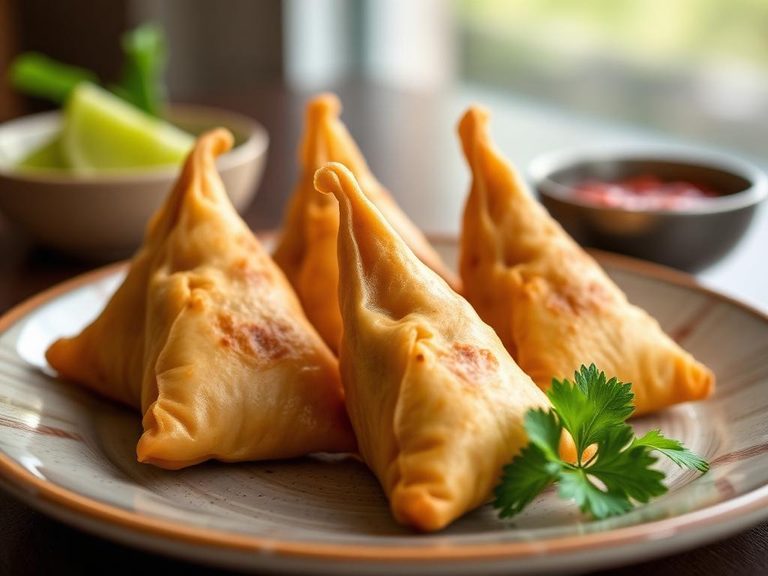
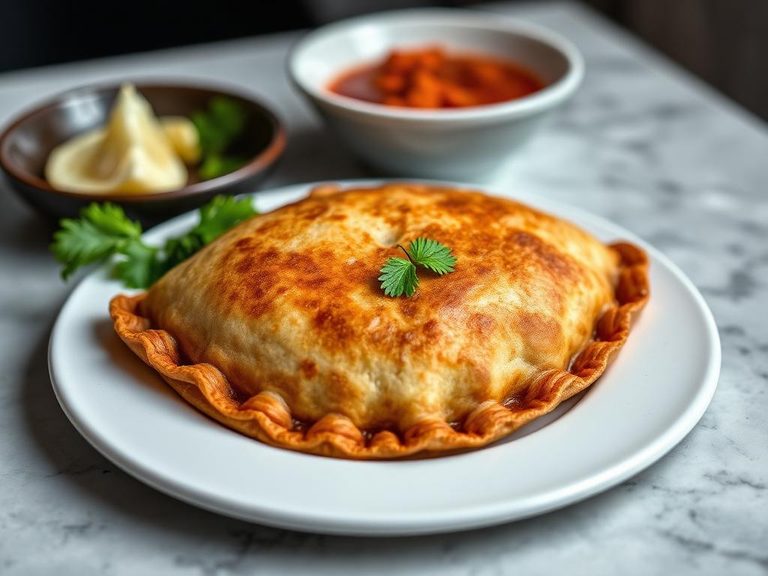
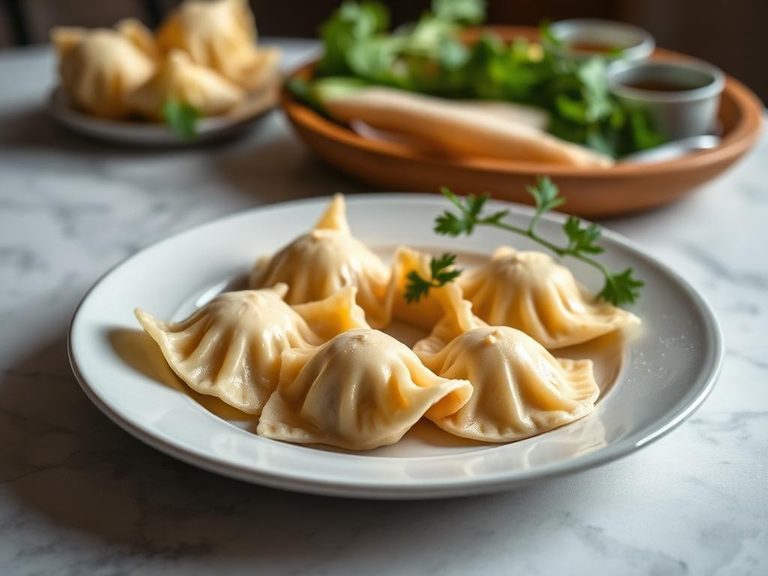
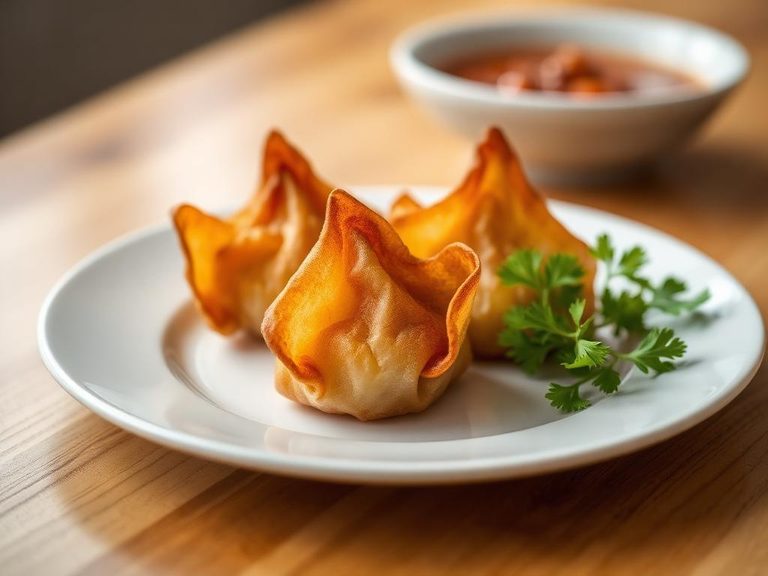
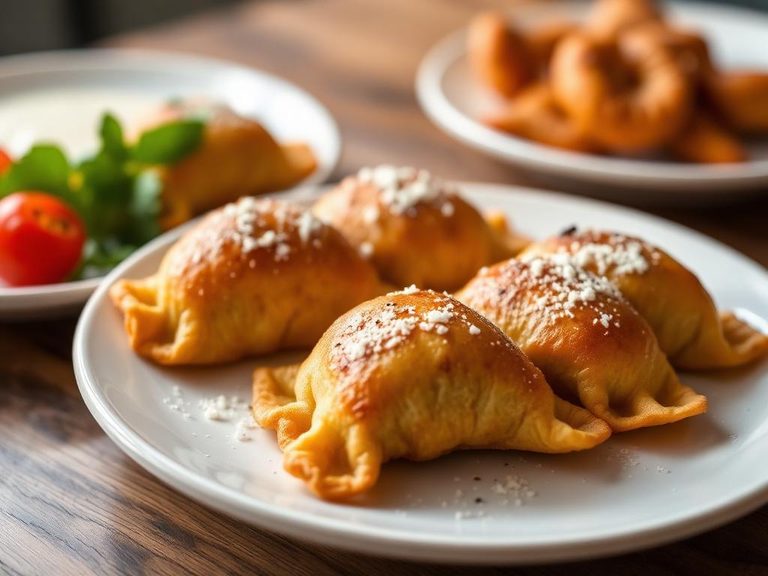
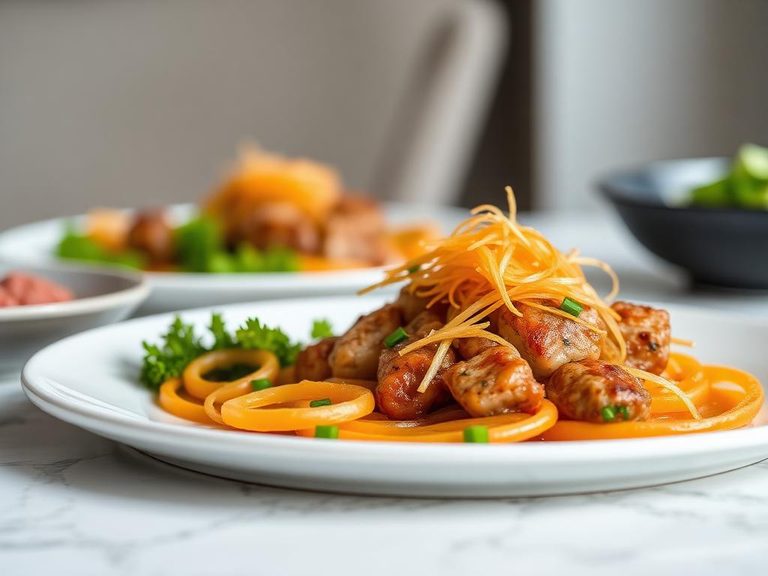
🌍 Where it's eaten
💡 Did you know?
The concept of a fried pastry shell is so universal that similar foods appear independently in cuisines from the Andes to the Himalayas, often as a portable, durable way to encase a meal.
Full nutrition (USDA data · scales with serving)
| Water | 12.5 g |
| Energy | 434 kcal |
| Protein | 7.8 g |
| Total lipid (fat) | 18.1 g |
| Carbohydrate, by difference | 59.3 g |
| Fiber, total dietary | 3.7 g |
| Total Sugars | 15.7 g |
| Calcium, Ca | 145 mg |
| Iron, Fe | 3.5 mg |
| Magnesium, Mg | 21.0 mg |
| Phosphorus, P | 194 mg |
| Potassium, K | 121 mg |
| Sodium, Na | 659 mg |
| Zinc, Zn | 0.52 mg |
| Copper, Cu | 0.10 mg |
| Selenium, Se | 21.1 ug |
| Vitamin C, total ascorbic acid | 0.00 mg |
| Thiamin | 0.45 mg |
| Riboflavin | 0.27 mg |
| Niacin | 4.2 mg |
| Vitamin B-6 | 0.06 mg |
| Folate, total | 80.0 ug |
| Folic acid | 67.0 ug |
| Folate, food | 13.0 ug |
| Folate, DFE | 126 ug |
| Choline, total | 7.5 mg |
| Vitamin B-12 | 0.00 ug |
| Vitamin B-12, added | 0.00 ug |
| Vitamin A, RAE | 0.00 ug |
| Retinol | 0.00 ug |
| Carotene, beta | 1.0 ug |
| Carotene, alpha | 0.00 ug |
| Cryptoxanthin, beta | 1.0 ug |
| Lycopene | 0.00 ug |
| Lutein + zeaxanthin | 10.0 ug |
| Vitamin E (alpha-tocopherol) | 2.0 mg |
| Vitamin E, added | 0.00 mg |
| Vitamin D (D2 + D3) | 0.00 ug |
| Vitamin K (phylloquinone) | 17.6 ug |
| Alcohol, ethyl | 0.00 g |
| Caffeine | 0.00 mg |
| Theobromine | 0.00 mg |
Fat & fatty acid profile (per 100g)
| Fatty acids, total saturated | 4.2 g |
| SFA 4:0 | 0.00 g |
| SFA 6:0 | 0.00 g |
| SFA 8:0 | 0.00 g |
| SFA 10:0 | 0.00 g |
| SFA 12:0 | 0.01 g |
| SFA 14:0 | 0.04 g |
| SFA 16:0 | 2.6 g |
| SFA 18:0 | 1.4 g |
| Fatty acids, total monounsaturated | 6.1 g |
| MUFA 16:1 | 0.04 g |
| MUFA 18:1 | 6.0 g |
| MUFA 20:1 | 0.09 g |
| MUFA 22:1 | 0.00 g |
| Fatty acids, total polyunsaturated | 6.2 g |
| PUFA 18:2 | 5.5 g |
| PUFA 18:3 | 0.67 g |
| PUFA 18:4 | 0.00 g |
| PUFA 20:4 | 0.00 g |
| PUFA 20:5 n-3 (EPA) | 0.00 g |
| PUFA 22:5 n-3 (DPA) | 0.00 g |
| PUFA 22:6 n-3 (DHA) | 0.00 g |
| Cholesterol | 0.00 mg |
Amino acid profile (per 100g)
Estimated from Puff pastry, frozen, ready-to-bake, baked — USDA does not publish this profile for Pastry.
| Tryptophan | 0.09 g |
| Threonine | 0.20 g |
| Isoleucine | 0.28 g |
| Leucine | 0.51 g |
| Lysine | 0.14 g |
| Methionine | 0.13 g |
| Cystine | 0.17 g |
| Phenylalanine | 0.37 g |
| Tyrosine | 0.20 g |
| Valine | 0.31 g |
| Arginine | 0.26 g |
| Histidine | 0.16 g |
| Alanine | 0.23 g |
| Aspartic acid | 0.30 g |
| Glutamic acid | 2.6 g |
| Glycine | 0.26 g |
| Proline | 0.88 g |
| Serine | 0.36 g |
FAQ
Is this the same as a fried dumpling wrapper?
Yes, it is essentially the same concept—a thin dough of flour and water fried until crisp. The specific shape and whether it's filled or not defines the dish name (e.g., fried wonton, chip, or puri).
Can I bake it instead of frying?
You can bake the dough, but it will not achieve the same blistered, airy crunch as deep-frying. Baked versions are often denser and more cracker-like.
Why is it so high in calories if it's just flour and water?
The calories come from two main sources: the dense carbohydrate flour itself, and the oil absorbed during frying, which dramatically increases the energy density per gram.
Nutrient density (calculated · NRF9.3)
Nutrient Rich Foods index: beneficial nutrients (protein, fiber, vitamins, minerals) minus saturated fat, added sugar & sodium, per 100 kcal.
NRF9.3 index — Fulgoni, Keast & Drewnowski, 2009. Computed from USDA nutrients.
Weight-loss friendliness (composite index)
Energy density 4.34 kcal/g · 7% calories from protein · 3.7 g fiber · 15.7 g sugar per 100 g.
Composite of energy density (Rolls et al., 1999), protein & fiber satiety, minus sugar. A calculated heuristic — ranks satiety-per-calorie, not a clinical measure.
Dietary load (calculated from USDA values)
Potential renal acid load. Positive = acid-forming, negative = alkaline-forming.
Sodium-to-potassium ratio: 5.45 (lower is better — aim for ≤ 1)
Sodium:potassium per WHO potassium guidance. Computed from USDA nutrients.