Samosa
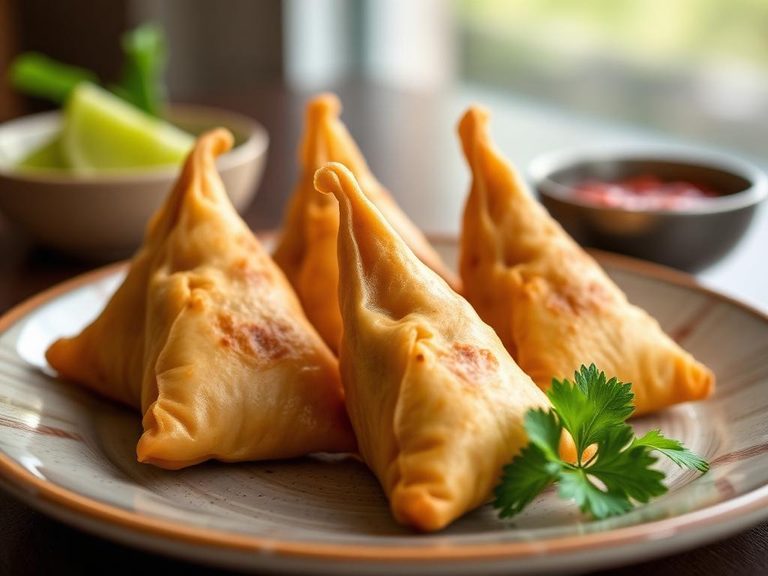
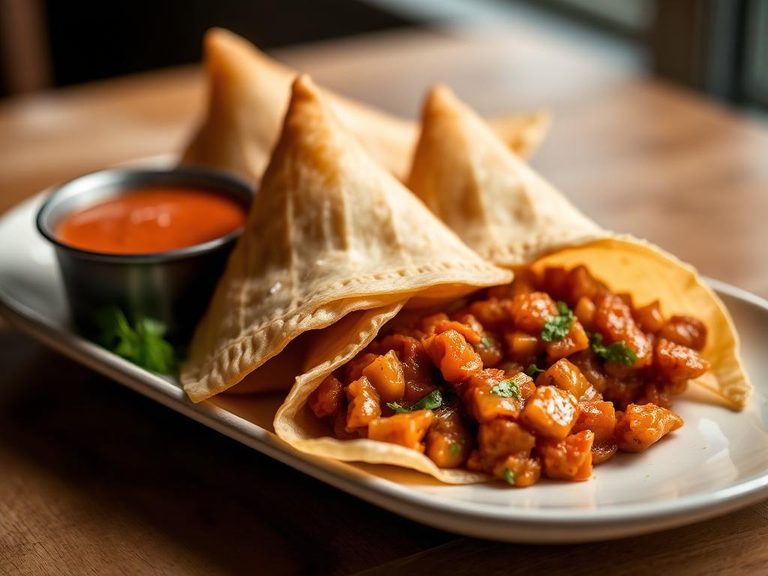
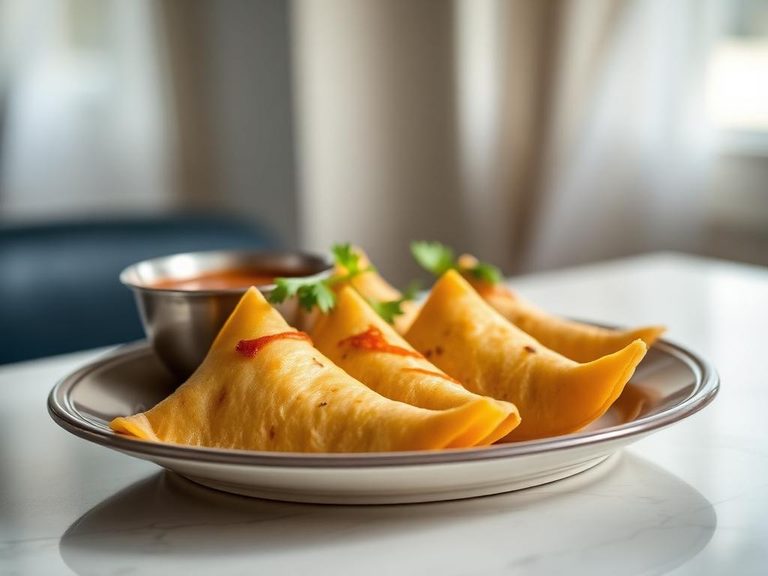
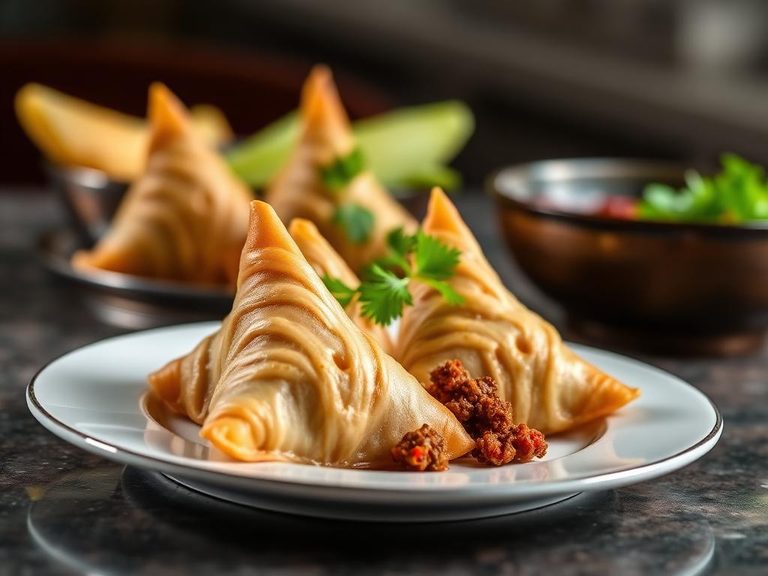
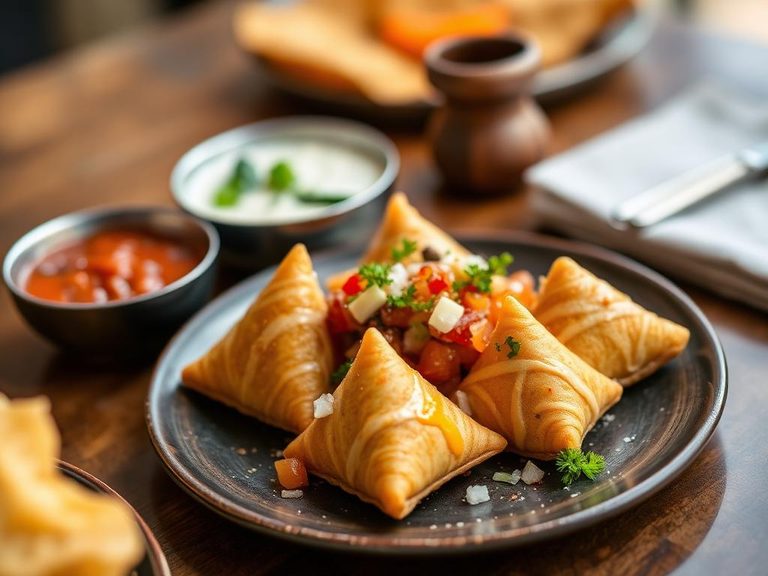
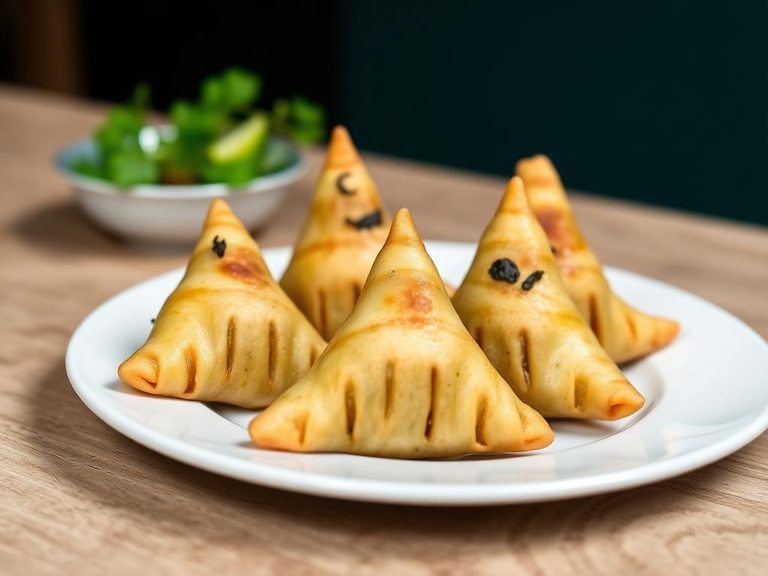
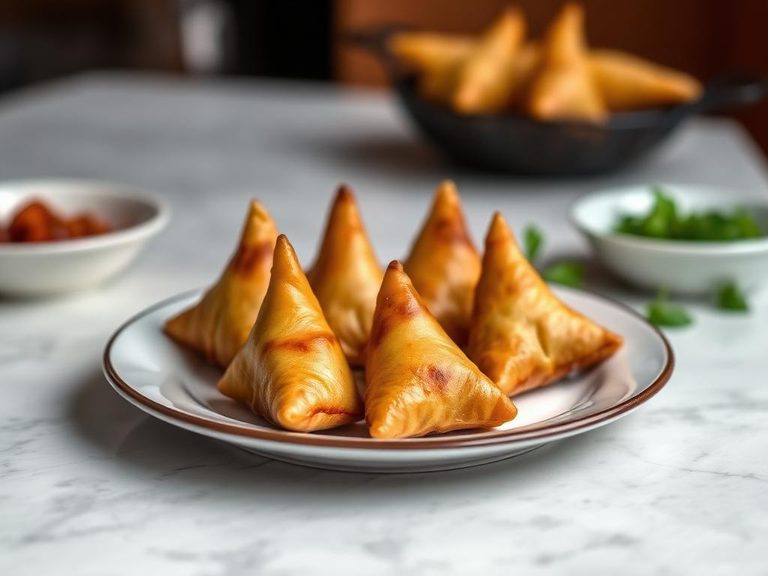
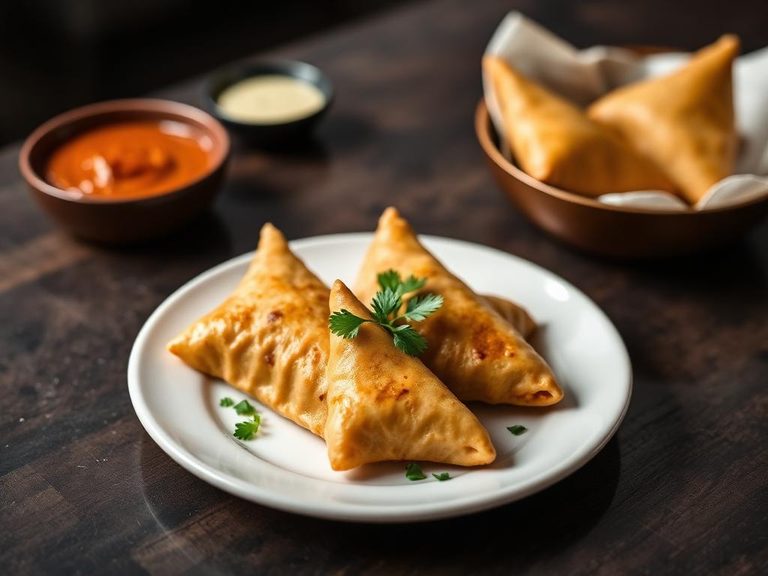
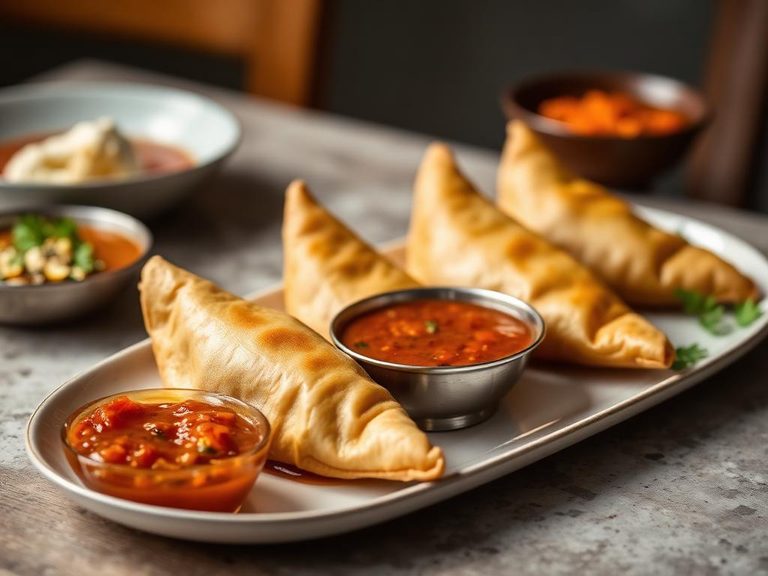
Samosa is a beloved savory pastry originating from the Indian subcontinent, featuring a crispy, deep-fried or baked dough shell typically filled with a spiced mixture of potatoes, peas, onions, and aromatic herbs. It's a staple snack across South Asia, the Middle East, and parts of Africa, often enjoyed with chutneys or tamarind sauce.
🍽️ Nutrition at a glance
Samosas are generally high in carbohydrates and fats due to the fried dough, with moderate protein from the potato and pea filling; a single medium-sized samosa provides roughly 250-300 calories and offers key nutrients like fiber, potassium, and iron from the vegetables and spices.
Nutrition breakdown
| Calories | 310 kcal |
| Protein | 7 g |
| Carbs | 32 g |
| Fat | 18 g |
| Fiber | 3 g |
| Sugar | 2 g |
| Sodium | 480 mg |
| Potassium | 250 mg |
| Iron | 2.5 mg |
| Calcium | 60 mg |
| Vitamin C | 8 mg |
| Thiamin (B1) | 0.2 mg |
| Niacin (B3) | 2.5 mg |
| Magnesium | 30 mg |
| Phosphorus | 95 mg |
Per 2 pieces (120 g) · estimated, varies by recipe
💡 What's interesting
Culturally, samosas are a unifying street food that transcends regional boundaries, often served during festivals like Ramadan or Diwali, and nutritionally, their spice blend (including turmeric and cumin) provides anti-inflammatory benefits, making them a flavorful yet functional snack.