Samosa with Chutney
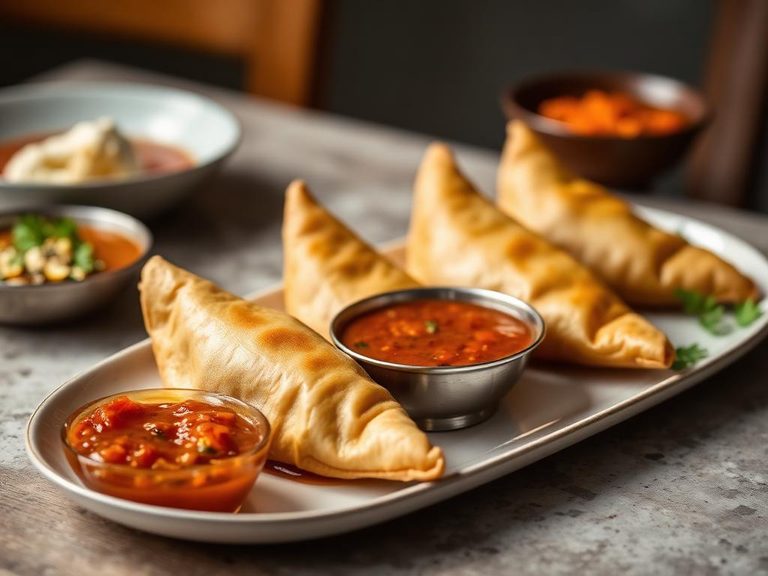
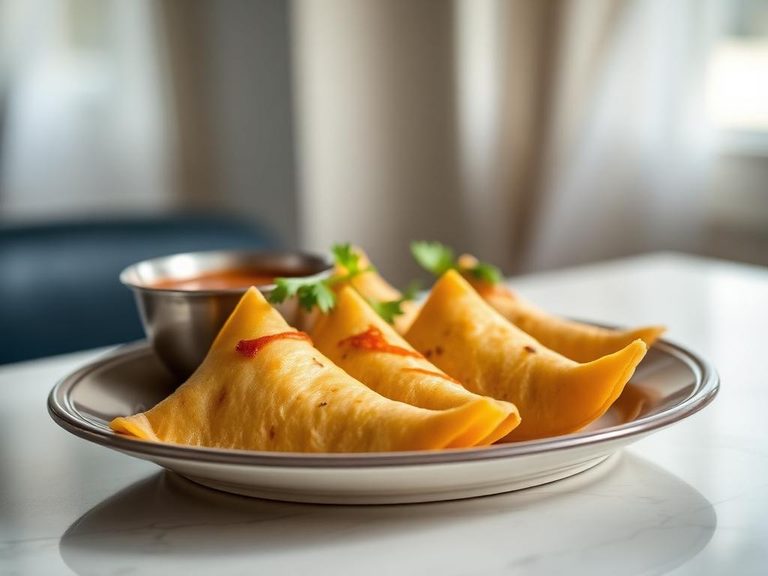
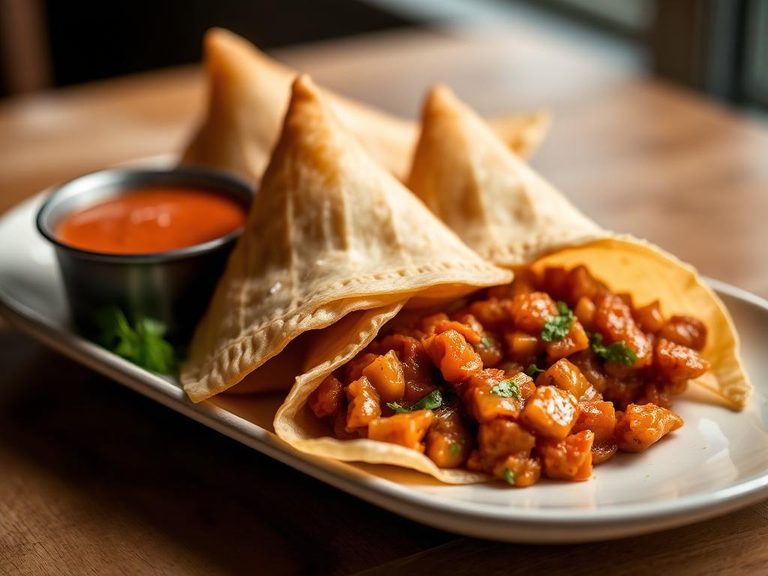
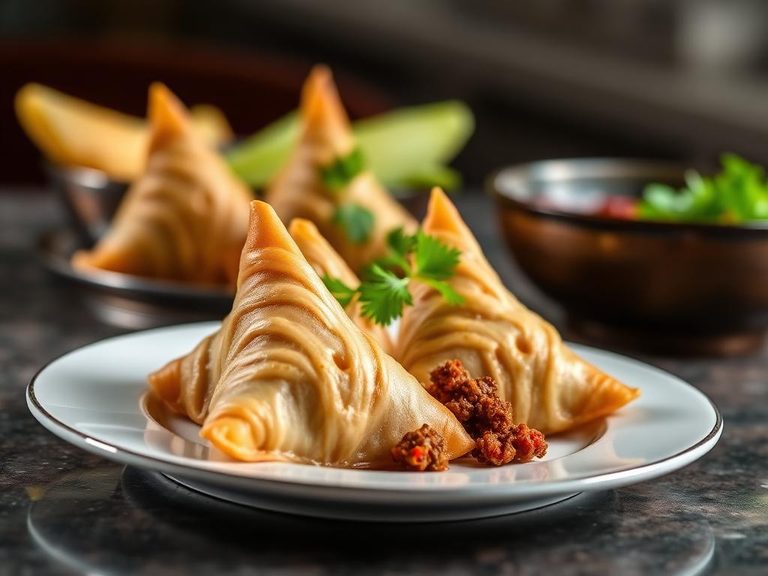
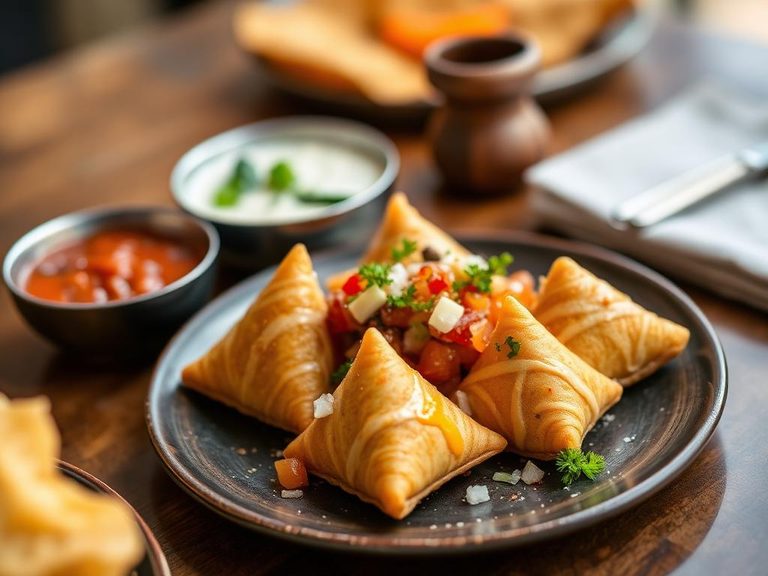
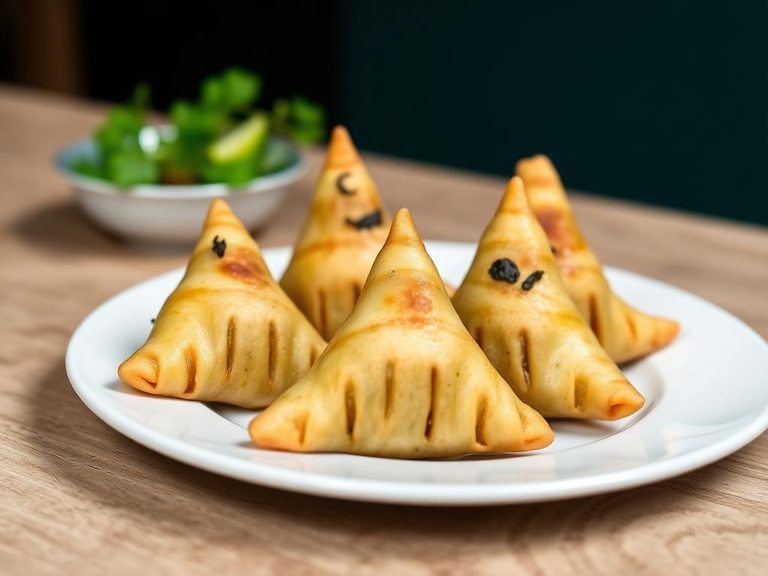
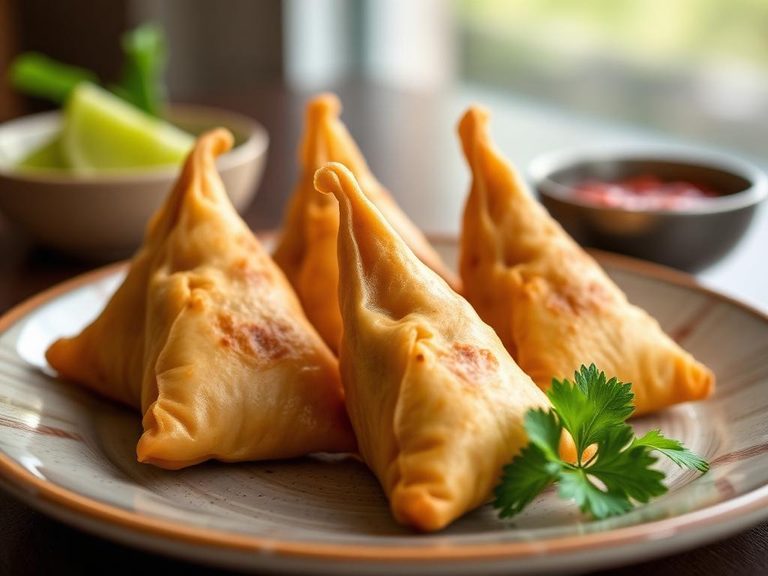
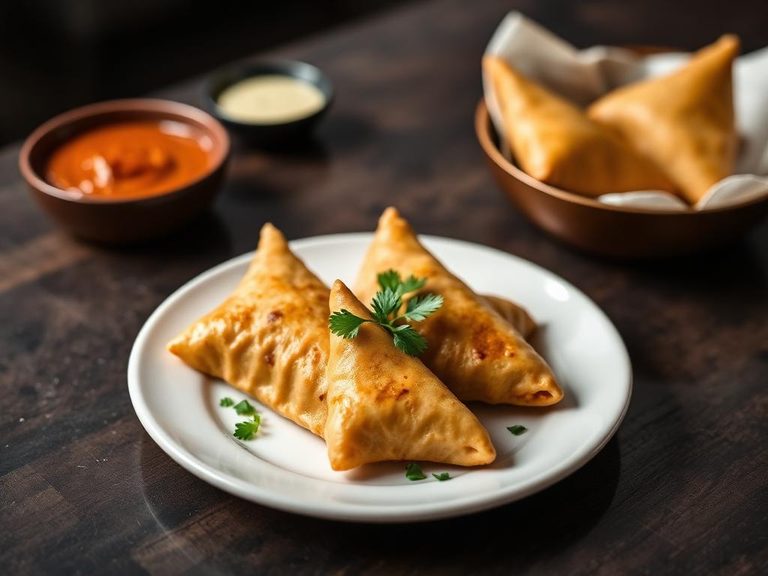
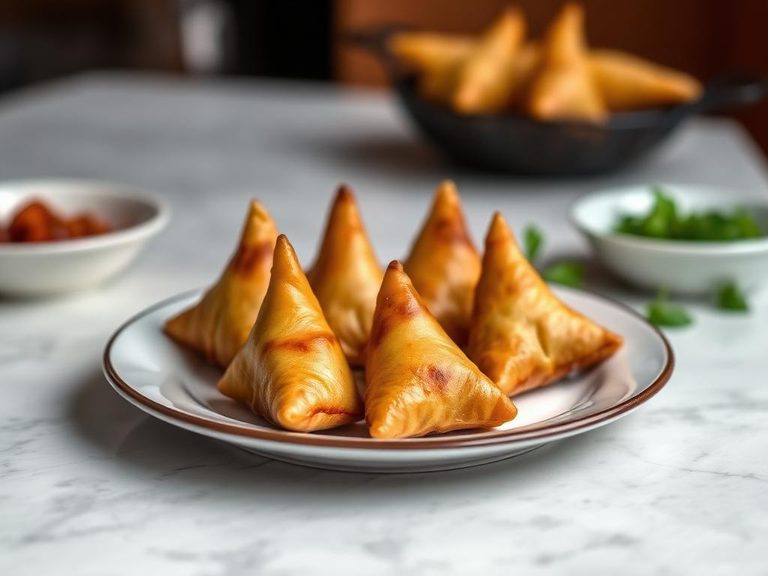
Samosa with Chutney is a beloved savory snack originating from the Indian subcontinent, featuring a crispy, deep-fried pastry shell typically filled with a spiced mixture of potatoes, peas, and onions. It is almost always served alongside a vibrant chutney, most commonly a tangy tamarind or a fresh mint-coriander sauce, which adds a contrasting flavor and moisture. This iconic street food has spread globally and is enjoyed as an appetizer or tea-time treat.
🍽️ Nutrition at a glance
As a deep-fried snack, samosas are generally high in carbohydrates from the pastry and fat from the frying oil, with a moderate amount of protein from the potato and pea filling. A single medium-sized samosa with chutney provides a rough ballpark of 250-350 calories, along with key nutrients like dietary fiber from the vegetables and various vitamins from the herbs in the chutney.
Nutrition breakdown
| Calories | 260 kcal |
| Protein | 4.5 g |
| Carbs | 30 g |
| Fat | 14 g |
| Fiber | 3.5 g |
| Sugar | 4 g |
| Sodium | 480 mg |
| Potassium | 220 mg |
| Iron | 2.1 mg |
| Calcium | 45 mg |
| Vitamin C | 8 mg |
| Vitamin B6 | 0.2 mg |
| Magnesium | 30 mg |
| Phosphorus | 85 mg |
| Manganese | 0.5 mg |
Per 1 samosa (100 g) with 2 tbsp (30 g) chutney · estimated, varies by recipe
💡 What's interesting
Culturally, the samosa is a fascinating example of culinary diffusion, believed to have traveled from Central Asia to India centuries ago, where it was adapted into its current iconic form. The practice of serving it with chutney is nutritionally interesting, as the acidic and herbal components can aid digestion and balance the richness of the fried pastry.