

Samosa filling
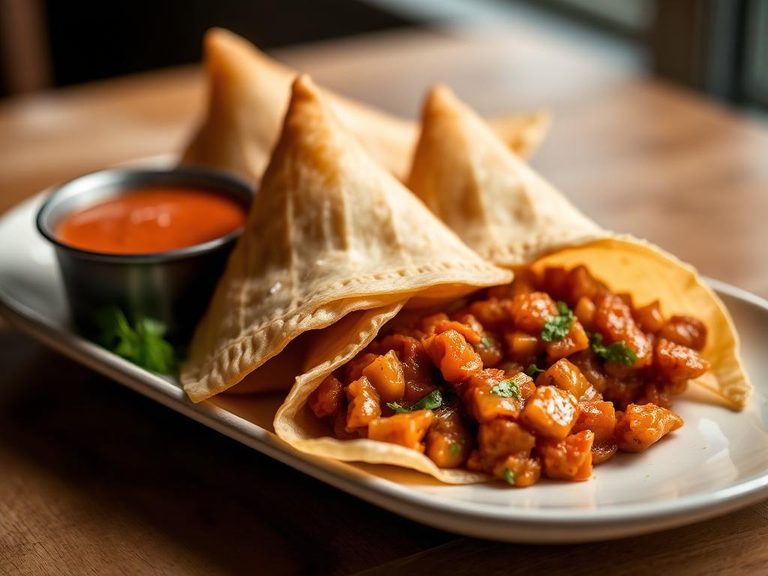
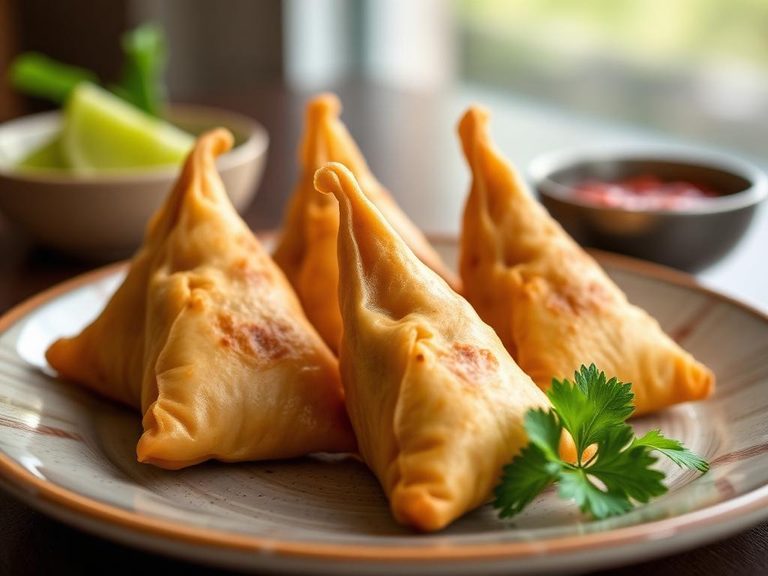
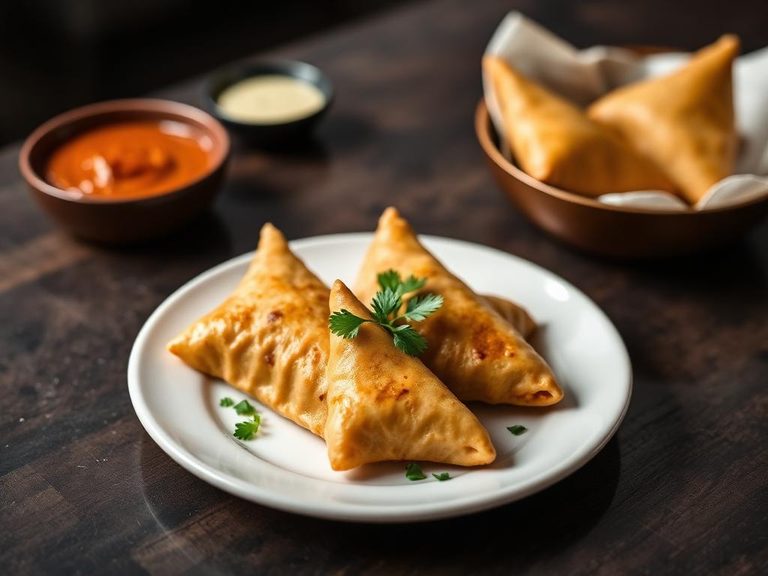
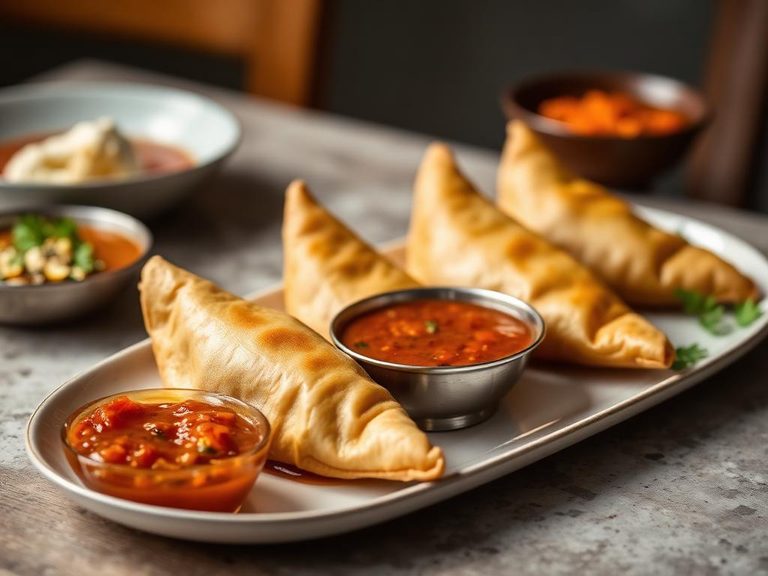
Samosa filling is the savory mixture encased in a crispy pastry shell, traditionally featuring spiced potatoes, green peas, and onions. This iconic filling originates from the Indian subcontinent and is a staple in South Asian cuisine, often seasoned with a blend of aromatic spices like cumin, coriander, and garam masala. It is commonly served as a popular street food or appetizer, enjoyed with chutneys for dipping.
🍳 View the full Samosa filling recipe →
🍽️ Nutrition at a glance
Samosa filling is generally high in carbohydrates due to the potatoes, with moderate fat content from cooking oil or ghee and some protein from the peas. A typical serving provides essential nutrients like potassium, vitamin C, and dietary fiber, while a single samosa (including the pastry) can range from 200 to 300 calories, depending on size and preparation.
Nutrition breakdown
| Calories | 180 kcal |
| Protein | 6 g |
| Carbs | 22 g |
| Fat | 8 g |
| Fiber | 4 g |
| Sugar | 3 g |
| Sodium | 420 mg |
| Potassium | 320 mg |
| Iron | 2.5 mg |
| Vitamin C | 15 mg |
| Folate | 60 µg |
| Magnesium | 40 mg |
| Zinc | 1.2 mg |
| Vitamin B6 | 0.3 mg |
| Manganese | 0.5 mg |
Per 1 cup (150 g) · estimated, varies by recipe
💡 What's interesting
The samosa filling reflects a rich cultural heritage, with variations across regions—from the spiced potato and pea mix in India to meat-based fillings in the Middle East and Central Asia. Nutritionally, it showcases a balance of plant-based ingredients and spices that not only enhance flavor but also offer antioxidant benefits, making it a flavorful yet hearty snack.
🍽️ Related dishes
AI estimate may be inaccurate · Terms