

Onions, green, raw
Common food

Photo: Wikipedia
Green onions, also known as scallions or spring onions, are young onion plants harvested before the bulb fully forms. They offer a crisp, juicy texture with a mild, fresh onion flavor that is less pungent than mature bulbs. Nutritionally, they are exceptionally low in calories while providing a notable amount of vitamin K and a good source of vitamin C.
Calorie split: 19% protein · 76% carbs · 4% fat
↓ Full nutrition💚 Why it's loved
People love green onions for their bright, sharp flavor that can be used raw as a garnish or cooked to add a sweet, savory depth to dishes. Their versatility and long shelf life in the refrigerator make them a staple for instantly elevating the taste of soups, stir-fries, eggs, and sauces.
⚠️ Watch-outs & how to enjoy it better
For some, the raw flavor can be slightly harsh or cause mild digestive discomfort like heartburn. Those on blood-thinning medications (e.g., Warfarin) should be mindful of their vitamin K content and maintain consistent intake. To counteract digestive issues, try sautéing them lightly to mellow the flavor, or pair them with other ingredients in a dish rather than consuming large amounts alone.
Key benefits
- Excellent source of vitamin K, essential for blood clotting and bone health.
- Provides a good amount of vitamin C, an antioxidant that supports immune function.
- High in antioxidants like quercetin, which may help combat oxidative stress.
- Very low in calories and fat, making them a nutrient-dense flavor enhancer.
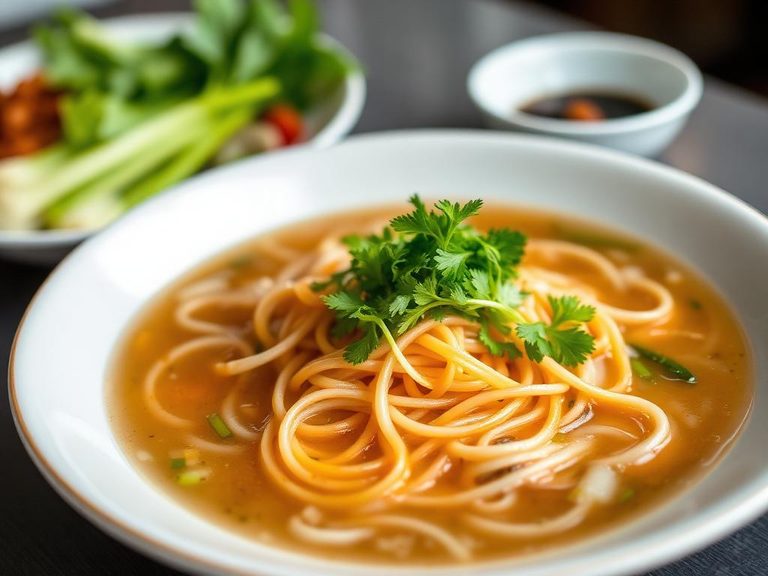
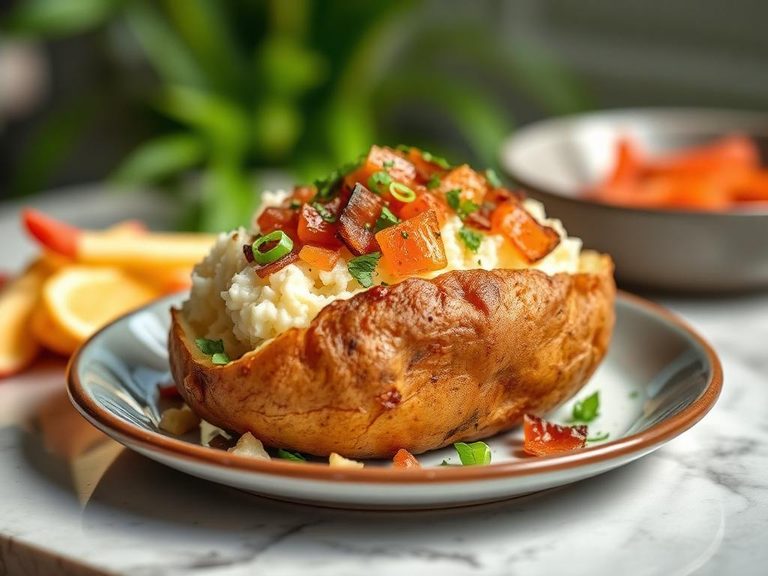
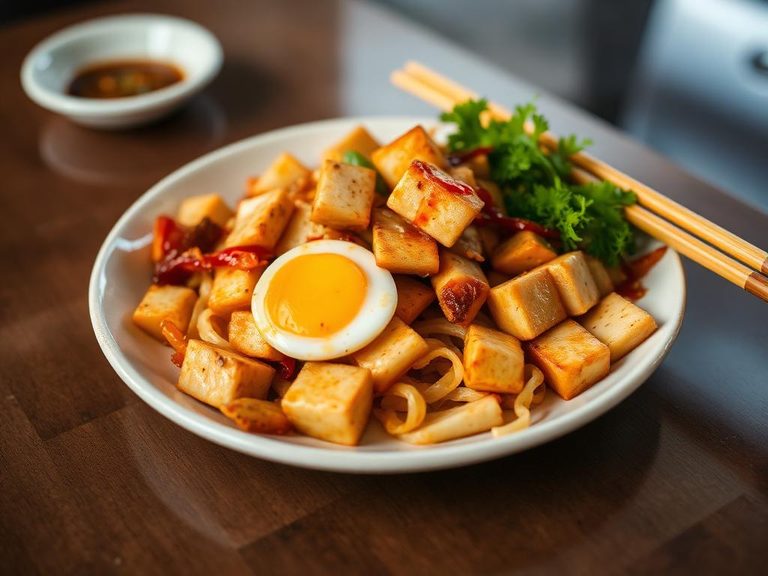
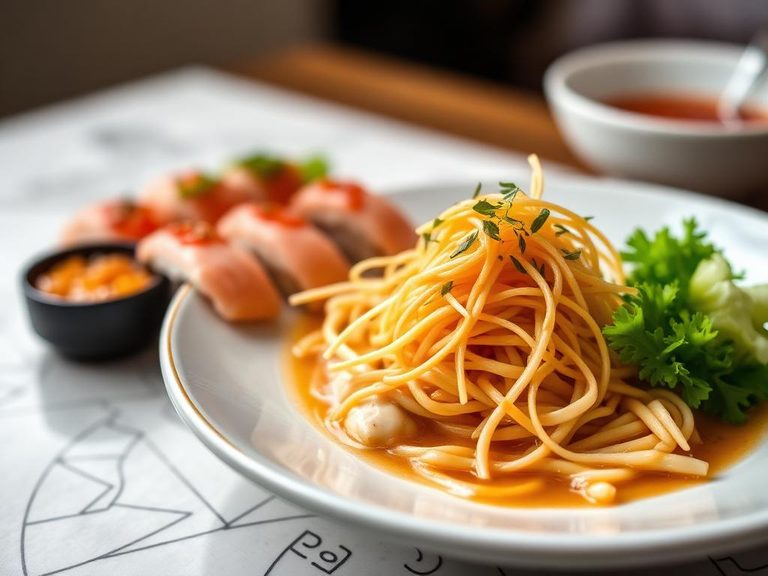
🍽️ Popular dishes

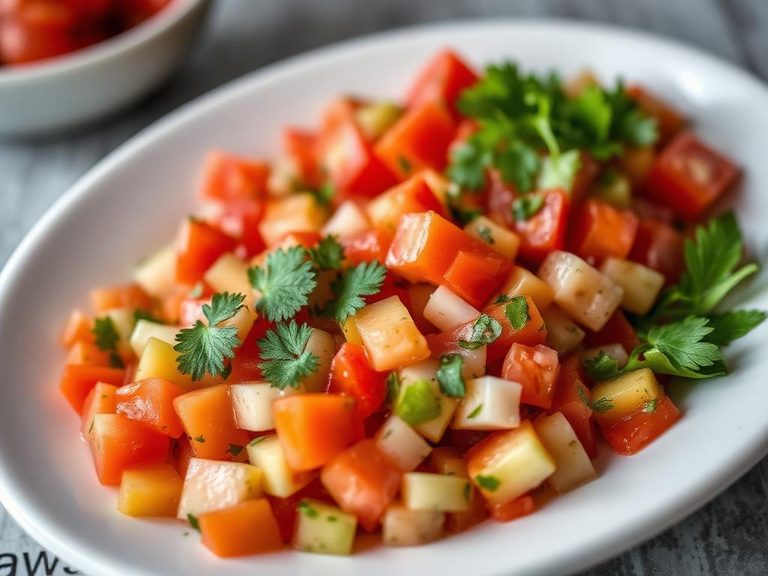
🌍 Where it's eaten
💡 Did you know?
The hollow, tubular green leaves of a green onion can be used as a natural piping bag for filling with soft cheeses or dips.
Full nutrition (USDA data · scales with serving)
| Water | 89.8 g |
| Energy | 32.0 kcal |
| Protein | 1.8 g |
| Total lipid (fat) | 0.19 g |
| Carbohydrate, by difference | 7.3 g |
| Fiber, total dietary | 2.6 g |
| Total Sugars | 2.3 g |
| Calcium, Ca | 72.0 mg |
| Iron, Fe | 1.5 mg |
| Magnesium, Mg | 20.0 mg |
| Phosphorus, P | 37.0 mg |
| Potassium, K | 276 mg |
| Sodium, Na | 16.0 mg |
| Zinc, Zn | 0.39 mg |
| Copper, Cu | 0.08 mg |
| Selenium, Se | 0.60 ug |
| Vitamin C, total ascorbic acid | 18.8 mg |
| Thiamin | 0.06 mg |
| Riboflavin | 0.08 mg |
| Niacin | 0.53 mg |
| Vitamin B-6 | 0.06 mg |
| Folate, total | 64.0 ug |
| Folic acid | 0.00 ug |
| Folate, food | 64.0 ug |
| Folate, DFE | 64.0 ug |
| Choline, total | 5.7 mg |
| Vitamin B-12 | 0.00 ug |
| Vitamin B-12, added | 0.00 ug |
| Vitamin A, RAE | 50.0 ug |
| Retinol | 0.00 ug |
| Carotene, beta | 598 ug |
| Carotene, alpha | 0.00 ug |
| Cryptoxanthin, beta | 0.00 ug |
| Lycopene | 0.00 ug |
| Lutein + zeaxanthin | 1137 ug |
| Vitamin E (alpha-tocopherol) | 0.55 mg |
| Vitamin E, added | 0.00 mg |
| Vitamin D (D2 + D3) | 0.00 ug |
| Vitamin K (phylloquinone) | 207 ug |
| Alcohol, ethyl | 0.00 g |
| Caffeine | 0.00 mg |
| Theobromine | 0.00 mg |
Fat & fatty acid profile (per 100g)
| Fatty acids, total saturated | 0.03 g |
| SFA 4:0 | 0.00 g |
| SFA 6:0 | 0.00 g |
| SFA 8:0 | 0.00 g |
| SFA 10:0 | 0.00 g |
| SFA 12:0 | 0.00 g |
| SFA 14:0 | 0.00 g |
| SFA 16:0 | 0.03 g |
| SFA 18:0 | 0.00 g |
| Fatty acids, total monounsaturated | 0.03 g |
| MUFA 16:1 | 0.00 g |
| MUFA 18:1 | 0.03 g |
| MUFA 20:1 | 0.00 g |
| MUFA 22:1 | 0.00 g |
| Fatty acids, total polyunsaturated | 0.07 g |
| PUFA 18:2 | 0.07 g |
| PUFA 18:3 | 0.00 g |
| PUFA 18:4 | 0.00 g |
| PUFA 20:4 | 0.00 g |
| PUFA 20:5 n-3 (EPA) | 0.00 g |
| PUFA 22:5 n-3 (DPA) | 0.00 g |
| PUFA 22:6 n-3 (DHA) | 0.00 g |
| Cholesterol | 0.00 mg |
Amino acid profile (per 100g)
Estimated from Onions, dehydrated flakes — USDA does not publish this profile for Onions.
| Tryptophan | 0.13 g |
| Threonine | 0.22 g |
| Isoleucine | 0.32 g |
| Leucine | 0.31 g |
| Lysine | 0.43 g |
| Methionine | 0.07 g |
| Cystine | 0.16 g |
| Phenylalanine | 0.23 g |
| Tyrosine | 0.22 g |
| Valine | 0.21 g |
| Arginine | 1.2 g |
| Histidine | 0.15 g |
| Alanine | 0.25 g |
| Aspartic acid | 0.49 g |
| Glutamic acid | 1.4 g |
| Glycine | 0.37 g |
| Proline | 0.28 g |
| Serine | 0.26 g |
FAQ
What's the difference between green onions and scallions?
They are the same thing. 'Green onion' and 'scallion' are common names for the same plant (Allium fistulosum or young Allium cepa). 'Spring onion' can sometimes refer to a slightly more mature plant with a small bulb, but the terms are often used interchangeably.
Can you eat the entire green onion?
Yes, both the white bulb end and the hollow green stalk are edible. The white part has a stronger, sharper flavor and is often cooked, while the green tops are milder and commonly used raw as a garnish.
How should I store green onions to make them last?
Wrap them loosely in a damp paper towel and place them in a plastic bag in the refrigerator's crisper drawer. Alternatively, stand them upright in a jar with an inch of water, cover loosely with a bag, and change the water every few days.
Nutrient density (calculated · NRF9.3)
Nutrient Rich Foods index: beneficial nutrients (protein, fiber, vitamins, minerals) minus saturated fat, added sugar & sodium, per 100 kcal.
NRF9.3 index — Fulgoni, Keast & Drewnowski, 2009. Computed from USDA nutrients.
Weight-loss friendliness (composite index)
Energy density 0.32 kcal/g · 23% calories from protein · 2.6 g fiber · 2.3 g sugar per 100 g.
Composite of energy density (Rolls et al., 1999), protein & fiber satiety, minus sugar. A calculated heuristic — ranks satiety-per-calorie, not a clinical measure.
Dietary load (calculated from USDA values)
Potential renal acid load. Positive = acid-forming, negative = alkaline-forming.
Sodium-to-potassium ratio: 0.06 (lower is better — aim for ≤ 1)
Sodium:potassium per WHO potassium guidance. Computed from USDA nutrients.