

Onions, green, cooked
Common food
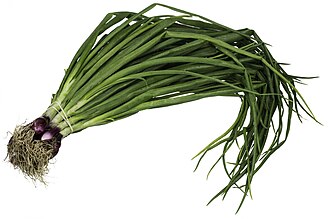
Photo: Wikipedia
Cooked green onions (scallions) are tender, mildly sweet, and slightly pungent, with a soft, silky texture that releases a savory, aromatic flavor into dishes. They are a low-calorie, nutrient-dense ingredient, providing a good source of vitamin K and antioxidants while contributing minimal calories to a meal.
Calorie split: 12% protein · 47% carbs · 41% fat
↓ Full nutrition💚 Why it's loved
People love cooked green onions for their ability to add a deep, savory-sweet base flavor to countless dishes, from stir-fries to soups, without overpowering other ingredients. Their versatility and cultural ubiquity make them a beloved staple in kitchens worldwide.
⚠️ Watch-outs & how to enjoy it better
While generally mild, cooked green onions can cause digestive discomfort or gas in sensitive individuals due to their fructan content. For those monitoring blood sugar, the 2.66g of sugar per 100g is minimal but worth noting in large portions; pairing with protein or healthy fats can help blunt any glycemic response.
Key benefits
- Rich in vitamin K, supporting bone health.
- Contains antioxidants like quercetin and sulfur compounds.
- Low in calories, aiding in weight management.
- Provides dietary fiber for digestive health.
- May have anti-inflammatory properties.
🍽️ Popular dishes

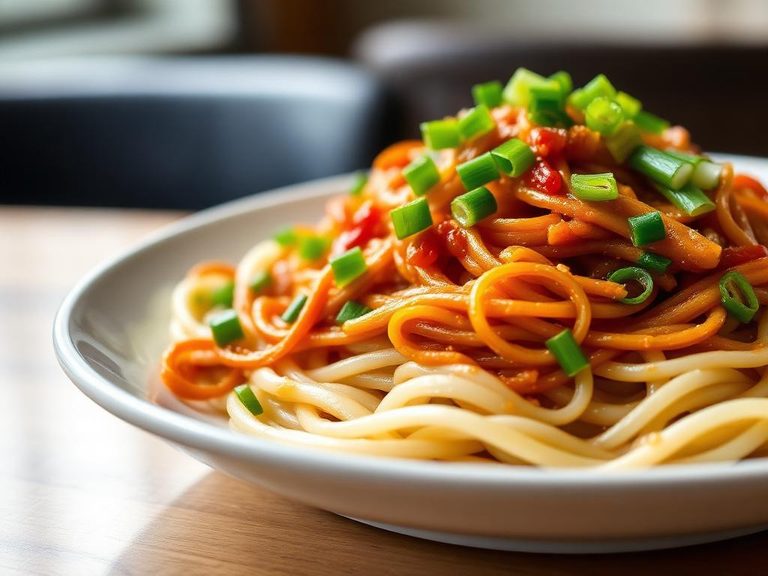
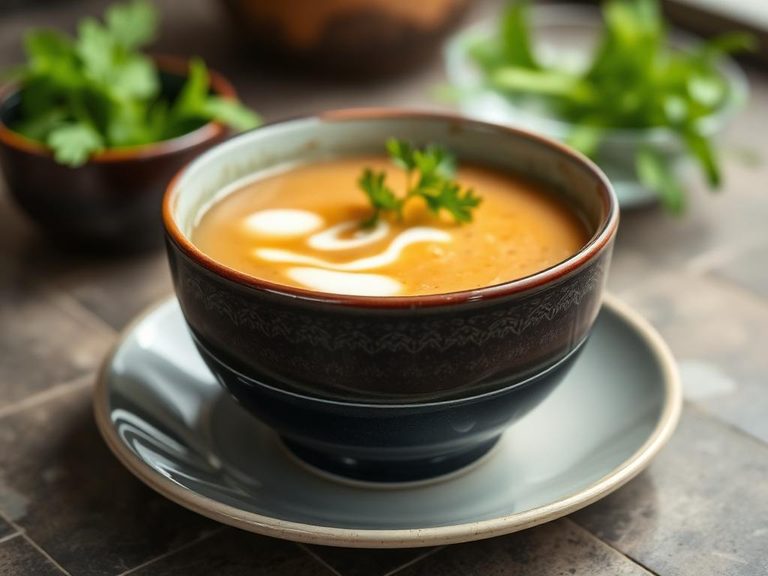
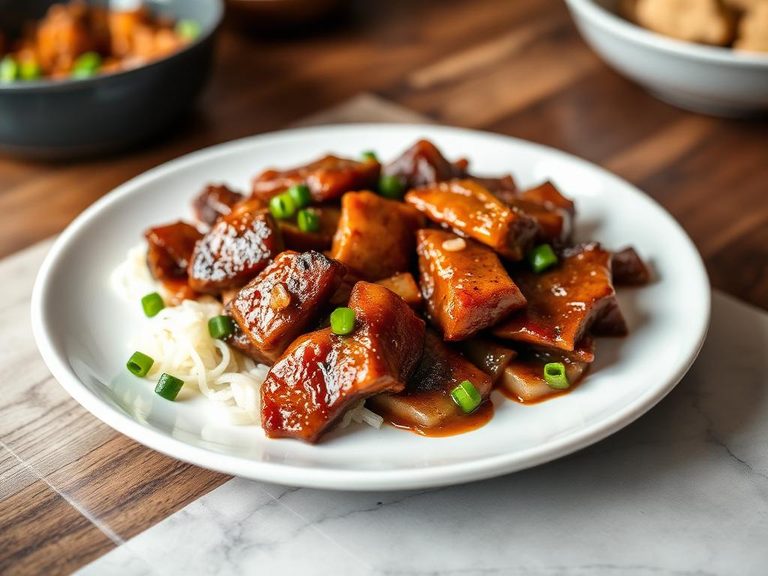
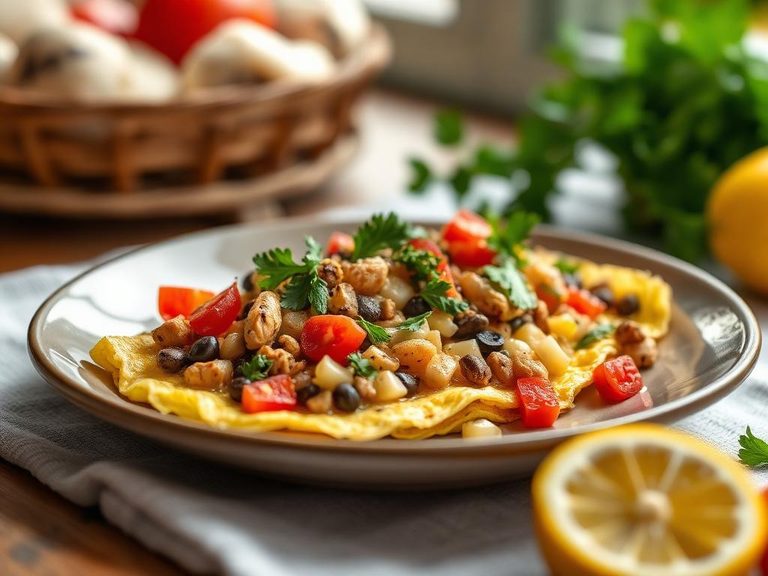
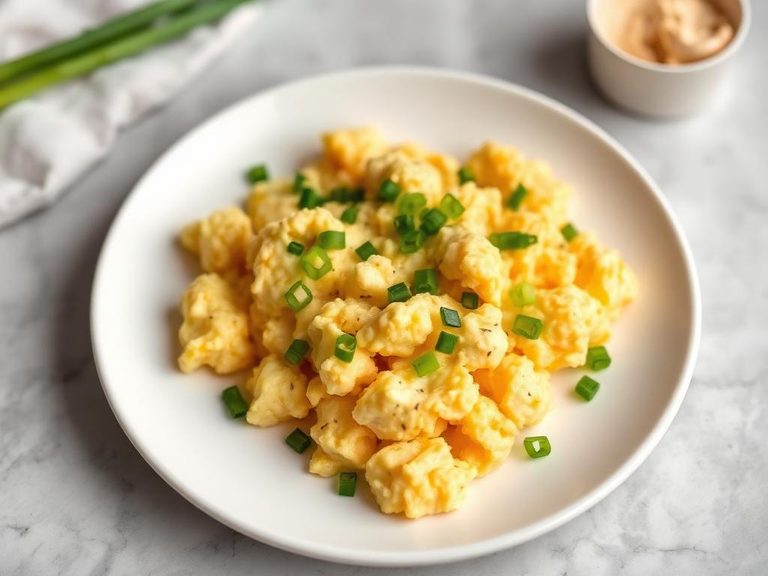
🌍 Where it's eaten
💡 Did you know?
The green tops of scallions contain significantly more vitamin C and vitamin A than the white bulbs, making them a more potent source of these nutrients even when cooked.
Full nutrition (USDA data · scales with serving)
| Water | 85.0 g |
| Energy | 63.0 kcal |
| Protein | 2.1 g |
| Total lipid (fat) | 3.2 g |
| Carbohydrate, by difference | 8.4 g |
| Fiber, total dietary | 3.0 g |
| Total Sugars | 2.7 g |
| Calcium, Ca | 83.0 mg |
| Iron, Fe | 1.7 mg |
| Magnesium, Mg | 23.0 mg |
| Phosphorus, P | 42.0 mg |
| Potassium, K | 315 mg |
| Sodium, Na | 161 mg |
| Zinc, Zn | 0.44 mg |
| Copper, Cu | 0.10 mg |
| Selenium, Se | 0.70 ug |
| Vitamin C, total ascorbic acid | 18.2 mg |
| Thiamin | 0.06 mg |
| Riboflavin | 0.09 mg |
| Niacin | 0.57 mg |
| Vitamin B-6 | 0.08 mg |
| Folate, total | 62.0 ug |
| Folic acid | 0.00 ug |
| Folate, food | 62.0 ug |
| Folate, DFE | 62.0 ug |
| Choline, total | 6.8 mg |
| Vitamin B-12 | 0.00 ug |
| Vitamin B-12, added | 0.00 ug |
| Vitamin A, RAE | 67.0 ug |
| Retinol | 13.0 ug |
| Carotene, beta | 653 ug |
| Carotene, alpha | 0.00 ug |
| Cryptoxanthin, beta | 0.00 ug |
| Lycopene | 0.00 ug |
| Lutein + zeaxanthin | 1230 ug |
| Vitamin E (alpha-tocopherol) | 1.1 mg |
| Vitamin E, added | 0.00 mg |
| Vitamin D (D2 + D3) | 0.00 ug |
| Vitamin K (phylloquinone) | 238 ug |
| Alcohol, ethyl | 0.00 g |
| Caffeine | 0.00 mg |
| Theobromine | 0.00 mg |
Fat & fatty acid profile (per 100g)
| Fatty acids, total saturated | 0.82 g |
| SFA 4:0 | 0.02 g |
| SFA 6:0 | 0.01 g |
| SFA 8:0 | 0.01 g |
| SFA 10:0 | 0.02 g |
| SFA 12:0 | 0.02 g |
| SFA 14:0 | 0.08 g |
| SFA 16:0 | 0.46 g |
| SFA 18:0 | 0.16 g |
| Fatty acids, total monounsaturated | 1.1 g |
| MUFA 16:1 | 0.02 g |
| MUFA 18:1 | 1.1 g |
| MUFA 20:1 | 0.01 g |
| MUFA 22:1 | 0.00 g |
| Fatty acids, total polyunsaturated | 0.94 g |
| PUFA 18:2 | 0.84 g |
| PUFA 18:3 | 0.10 g |
| PUFA 18:4 | 0.00 g |
| PUFA 20:4 | 0.00 g |
| PUFA 20:5 n-3 (EPA) | 0.00 g |
| PUFA 22:5 n-3 (DPA) | 0.00 g |
| PUFA 22:6 n-3 (DHA) | 0.00 g |
| Cholesterol | 2.0 mg |
Amino acid profile (per 100g)
Estimated from Onions, dehydrated flakes — USDA does not publish this profile for Onions.
| Tryptophan | 0.13 g |
| Threonine | 0.22 g |
| Isoleucine | 0.32 g |
| Leucine | 0.31 g |
| Lysine | 0.43 g |
| Methionine | 0.07 g |
| Cystine | 0.16 g |
| Phenylalanine | 0.23 g |
| Tyrosine | 0.22 g |
| Valine | 0.21 g |
| Arginine | 1.2 g |
| Histidine | 0.15 g |
| Alanine | 0.25 g |
| Aspartic acid | 0.49 g |
| Glutamic acid | 1.4 g |
| Glycine | 0.37 g |
| Proline | 0.28 g |
| Serine | 0.26 g |
FAQ
Are cooked green onions as nutritious as raw ones?
Cooking can reduce heat-sensitive nutrients like vitamin C, but it may increase the bioavailability of certain antioxidants and make other nutrients easier to digest. Green onions retain most of their fiber and minerals when cooked.
Can I use the green tops and white parts interchangeably in cooking?
They have different flavors and textures. The white parts are more pungent and benefit from longer cooking to mellow, while the green tops are milder and are often added near the end of cooking or as a garnish to preserve their color and fresh flavor.
How should I store cooked green onions?
Store cooked green onions in an airtight container in the refrigerator for up to 3-4 days. For best quality, add them to dishes just before serving rather than cooking them extensively in advance.
Nutrient density (calculated · NRF9.3)
Nutrient Rich Foods index: beneficial nutrients (protein, fiber, vitamins, minerals) minus saturated fat, added sugar & sodium, per 100 kcal.
NRF9.3 index — Fulgoni, Keast & Drewnowski, 2009. Computed from USDA nutrients.
Weight-loss friendliness (composite index)
Energy density 0.63 kcal/g · 13% calories from protein · 3.0 g fiber · 2.7 g sugar per 100 g.
Composite of energy density (Rolls et al., 1999), protein & fiber satiety, minus sugar. A calculated heuristic — ranks satiety-per-calorie, not a clinical measure.
Dietary load (calculated from USDA values)
Potential renal acid load. Positive = acid-forming, negative = alkaline-forming.
Sodium-to-potassium ratio: 0.51 (lower is better — aim for ≤ 1)
Sodium:potassium per WHO potassium guidance. Computed from USDA nutrients.