Garnish for Sushi and Japanese Ramen
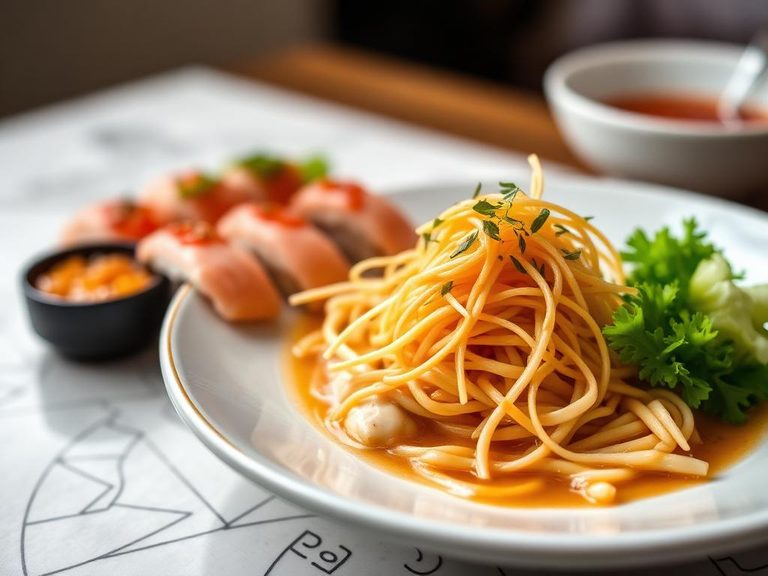
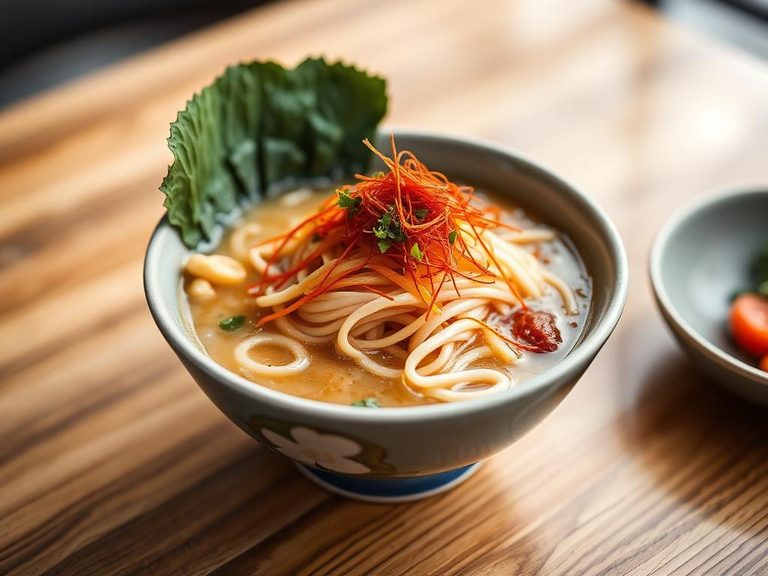
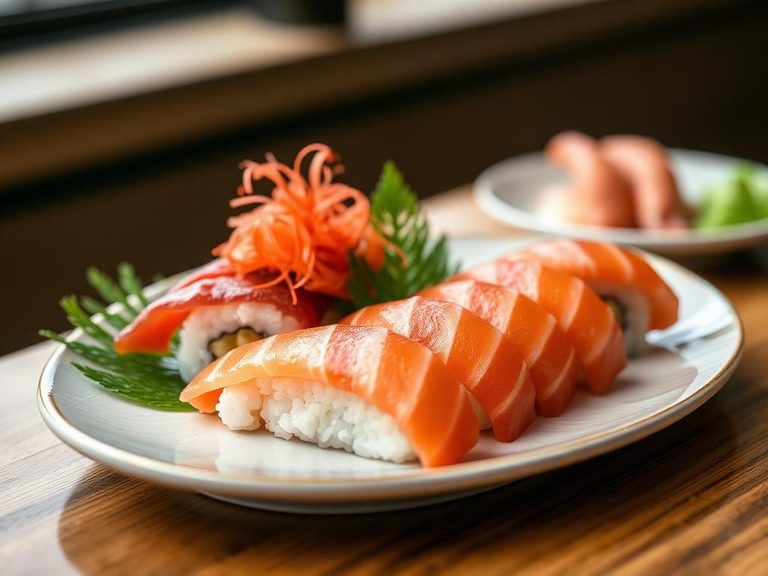
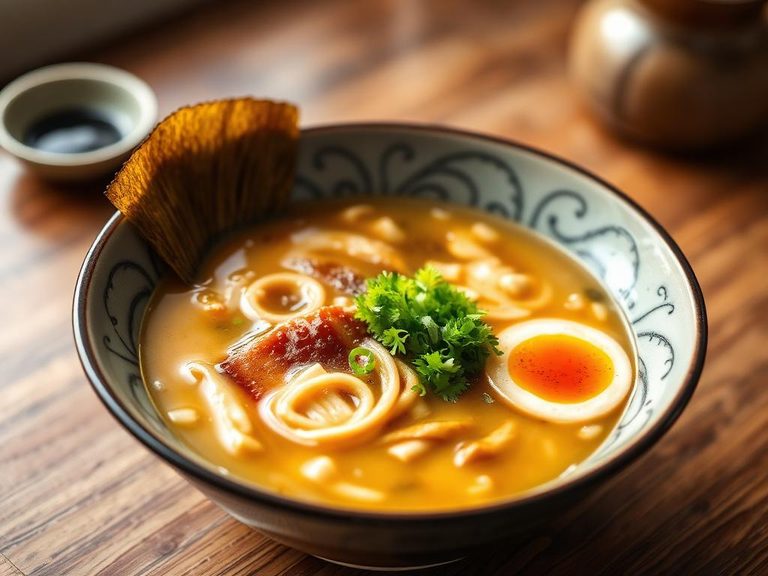
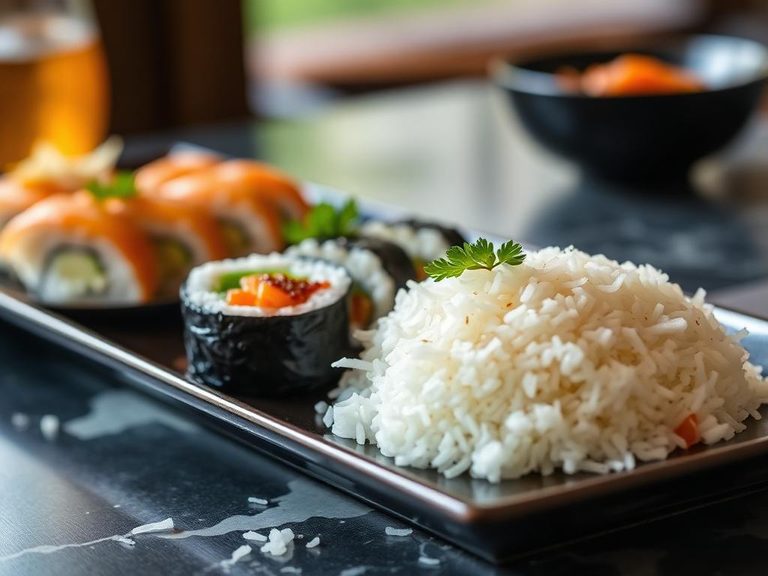
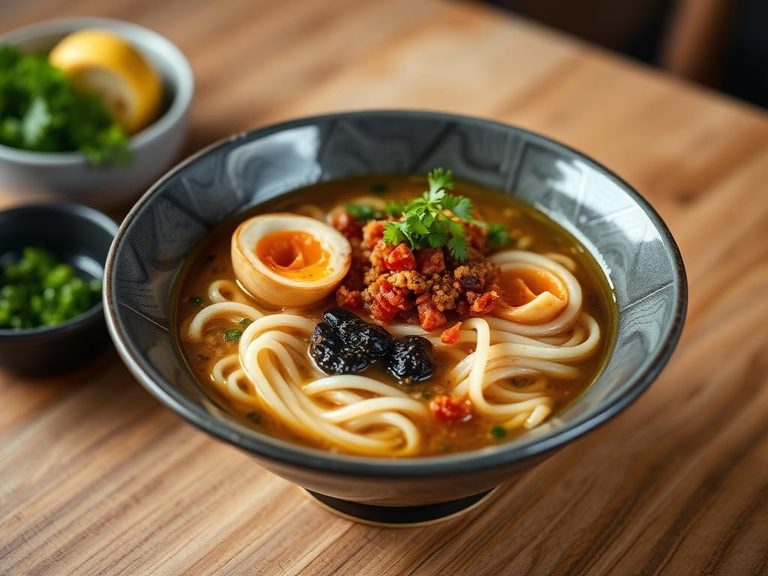
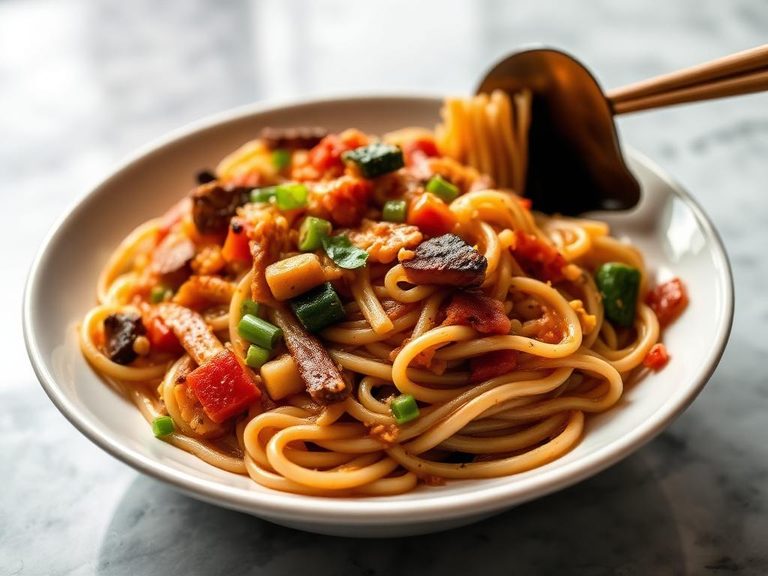
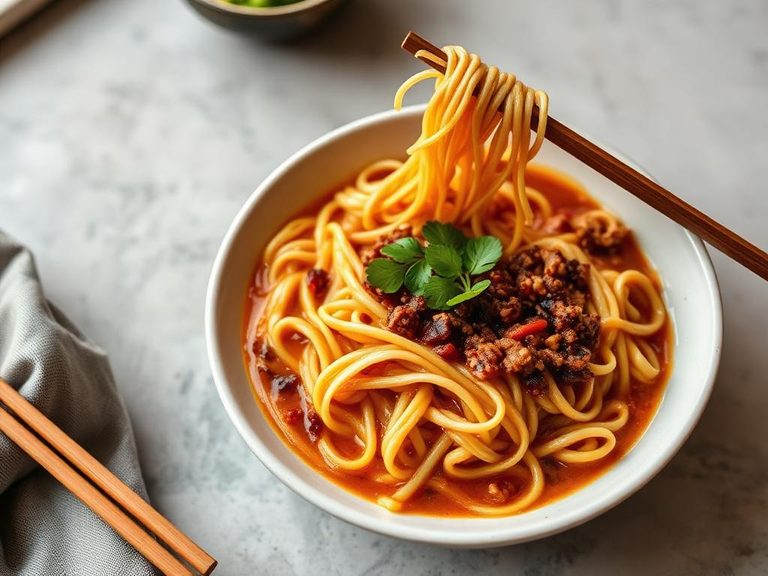
Garnish for Sushi and Japanese Ramen refers to the traditional accompaniments that enhance these iconic Japanese dishes. Common garnishes include thinly sliced green onions (negi), pickled ginger (gari), nori seaweed, sesame seeds, and sometimes grated daikon or shiso leaves. These are staple elements in Japanese cuisine, originating from Japan's culinary traditions.
🍽️ Nutrition at a glance
Garnishes are generally low in calories, with a typical serving contributing roughly 5-20 calories. They are not significant sources of macronutrients like carbs, fat, or protein, but provide key micronutrients such as vitamins (e.g., vitamin K from green onions), minerals (e.g., iodine from seaweed), and antioxidants.
Nutrition breakdown
| Calories | 15 kcal |
| Protein | 1 g |
| Carbs | 2 g |
| Fat | 0.5 g |
| Fiber | 1 g |
| Sugar | 0.5 g |
| Sodium | 200 mg |
| Iron | 1.5 mg |
| Calcium | 30 mg |
| Vitamin A | 150 IU |
| Vitamin K | 10 mcg |
| Folate | 15 mcg |
| Manganese | 0.3 mg |
| Magnesium | 10 mg |
| Copper | 0.1 mg |
Per 1/4 cup (30 g) · estimated, varies by recipe
💡 What's interesting
Culturally, these garnishes are essential for balancing flavors and textures in Japanese meals, reflecting the cuisine's emphasis on harmony and presentation. Nutritionally, they often add functional benefits, like ginger aiding digestion or seaweed offering trace minerals, without adding substantial calories.