

Onions, for use on a sandwich
Common food

Photo: Wikipedia
The humble onion, when sliced for a sandwich, is a crisp, pungent, and slightly sweet layer that provides a sharp, aromatic crunch. Nutritionally, it's a very low-calorie, high-fiber vegetable that delivers a notable amount of natural sugars for a quick, savory-sweet kick. Its strong flavor profile means a little goes a long way in transforming a simple sandwich.
Calorie split: 9% protein · 89% carbs · 2% fat
↓ Full nutrition💚 Why it's loved
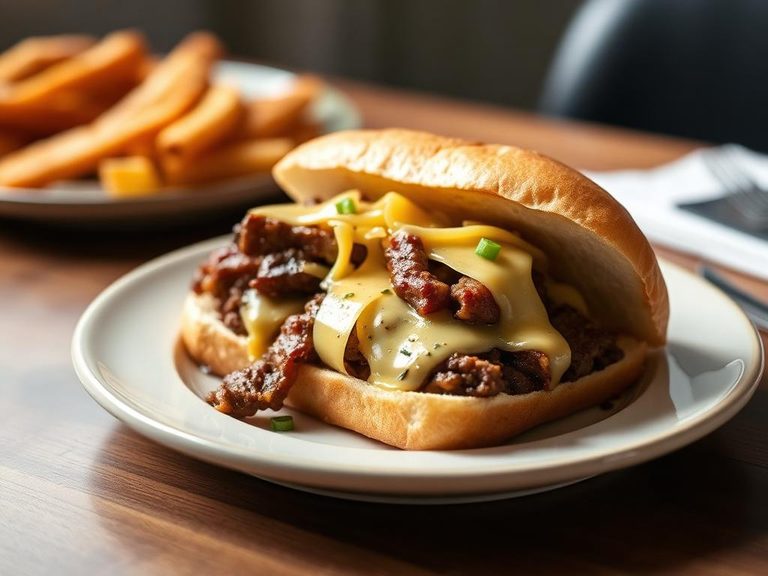
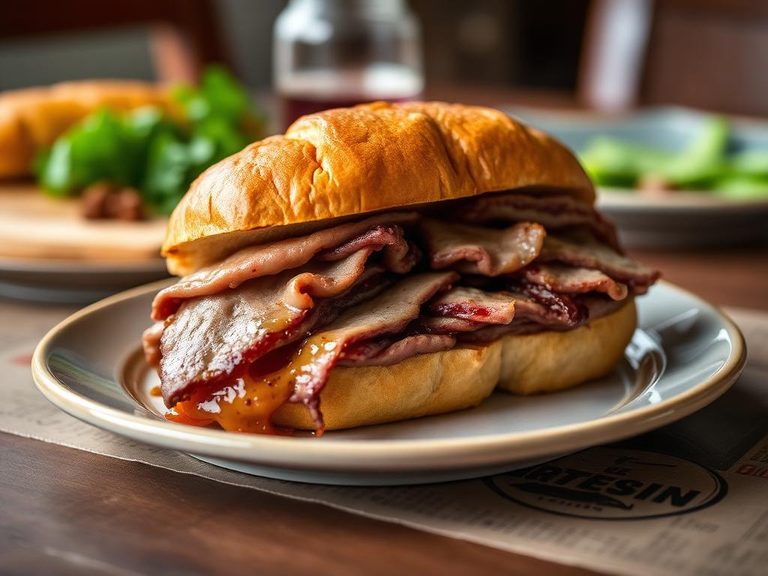
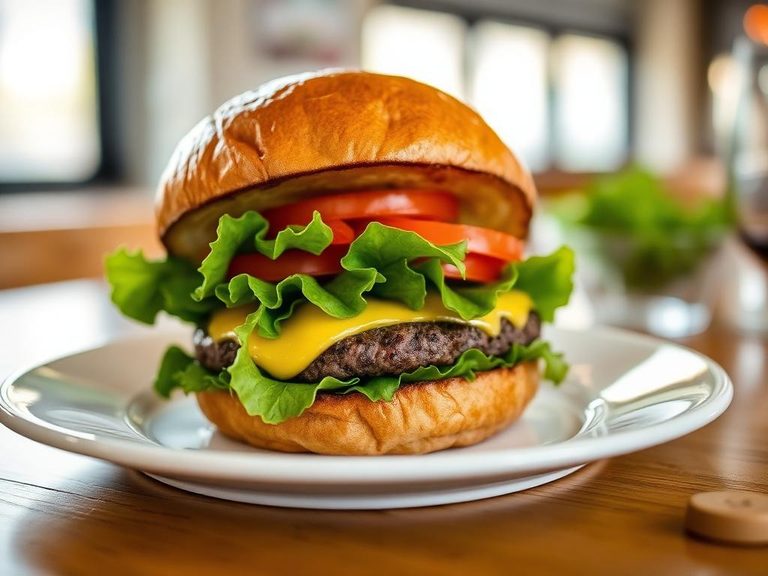
People adore raw onion for its bold, sharp bite that cuts through rich, fatty ingredients like cheese or meat, adding a necessary zing and crunch. It's a universal, versatile staple that can be adapted to almost any cuisine, from a French dip to a Mexican torta.
⚠️ Watch-outs & how to enjoy it better
Raw onion can cause digestive discomfort, heartburn, or bad breath for some due to its fermentable fibers and sulfur compounds. To mitigate this, you can soak sliced onions in cold water for 10 minutes to mellow their bite, or opt for pickled or caramelized versions which are easier on the stomach.
Key benefits
- Excellent source of prebiotic fiber for gut health
- Contains quercetin, a potent antioxidant
- Very low in calories and fat
- Adds flavor without adding sodium or sugar
- Provides a satisfying crunch for texture
🍽️ Popular dishes
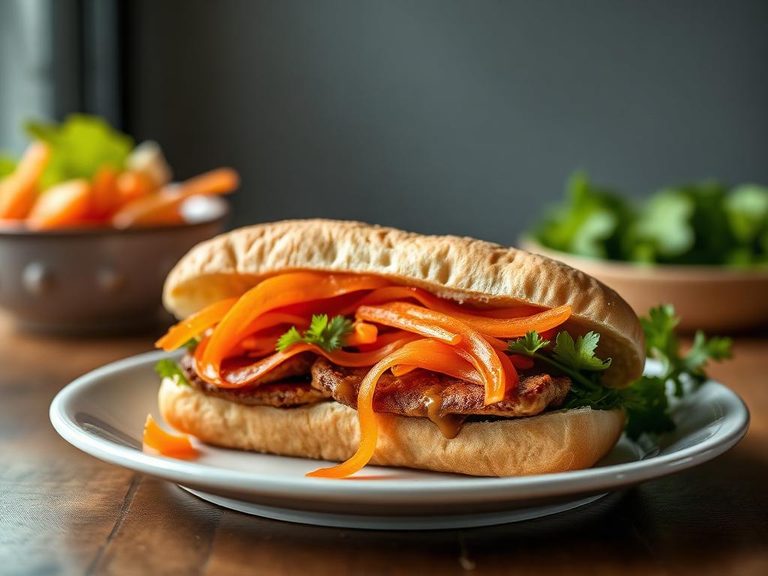
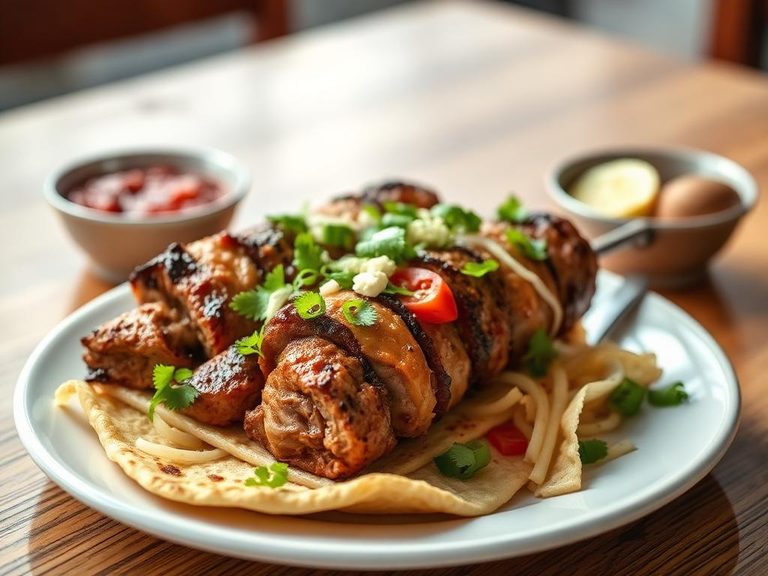
🌍 Where it's eaten
💡 Did you know?
Ancient Egyptian laborers building the pyramids were reportedly given rations of onions, which they believed had curative properties and placed inside the bodies during mummification.
Full nutrition (USDA data · scales with serving)
| Water | 90.3 g |
| Energy | 38.0 kcal |
| Protein | 0.86 g |
| Total lipid (fat) | 0.08 g |
| Carbohydrate, by difference | 8.5 g |
| Fiber, total dietary | 1.7 g |
| Total Sugars | 5.8 g |
| Calcium, Ca | 17.0 mg |
| Iron, Fe | 0.24 mg |
| Magnesium, Mg | 9.0 mg |
| Phosphorus, P | 33.0 mg |
| Potassium, K | 171 mg |
| Sodium, Na | 1.0 mg |
| Zinc, Zn | 0.17 mg |
| Copper, Cu | 0.04 mg |
| Selenium, Se | 0.00 ug |
| Vitamin C, total ascorbic acid | 8.2 mg |
| Thiamin | 0.05 mg |
| Riboflavin | 0.03 mg |
| Niacin | 0.12 mg |
| Vitamin B-6 | 0.12 mg |
| Folate, total | 19.0 ug |
| Folic acid | 0.00 ug |
| Folate, food | 19.0 ug |
| Folate, DFE | 19.0 ug |
| Choline, total | 6.1 mg |
| Vitamin B-12 | 0.00 ug |
| Vitamin B-12, added | 0.00 ug |
| Vitamin A, RAE | 0.00 ug |
| Retinol | 0.00 ug |
| Carotene, beta | 1.0 ug |
| Carotene, alpha | 0.00 ug |
| Cryptoxanthin, beta | 0.00 ug |
| Lycopene | 0.00 ug |
| Lutein + zeaxanthin | 4.0 ug |
| Vitamin E (alpha-tocopherol) | 0.02 mg |
| Vitamin E, added | 0.00 mg |
| Vitamin D (D2 + D3) | 0.00 ug |
| Vitamin K (phylloquinone) | 0.40 ug |
| Alcohol, ethyl | 0.00 g |
| Caffeine | 0.00 mg |
| Theobromine | 0.00 mg |
Fat & fatty acid profile (per 100g)
| Fatty acids, total saturated | 0.04 g |
| SFA 4:0 | 0.00 g |
| SFA 6:0 | 0.00 g |
| SFA 8:0 | 0.00 g |
| SFA 10:0 | 0.00 g |
| SFA 12:0 | 0.00 g |
| SFA 14:0 | 0.00 g |
| SFA 16:0 | 0.03 g |
| SFA 18:0 | 0.00 g |
| Fatty acids, total monounsaturated | 0.01 g |
| MUFA 16:1 | 0.00 g |
| MUFA 18:1 | 0.01 g |
| MUFA 20:1 | 0.00 g |
| MUFA 22:1 | 0.00 g |
| Fatty acids, total polyunsaturated | 0.02 g |
| PUFA 18:2 | 0.01 g |
| PUFA 18:3 | 0.00 g |
| PUFA 18:4 | 0.00 g |
| PUFA 20:4 | 0.00 g |
| PUFA 20:5 n-3 (EPA) | 0.00 g |
| PUFA 22:5 n-3 (DPA) | 0.00 g |
| PUFA 22:6 n-3 (DHA) | 0.00 g |
| Cholesterol | 0.00 mg |
Amino acid profile (per 100g)
Estimated from Onions, dehydrated flakes — USDA does not publish this profile for Onions.
| Tryptophan | 0.13 g |
| Threonine | 0.22 g |
| Isoleucine | 0.32 g |
| Leucine | 0.31 g |
| Lysine | 0.43 g |
| Methionine | 0.07 g |
| Cystine | 0.16 g |
| Phenylalanine | 0.23 g |
| Tyrosine | 0.22 g |
| Valine | 0.21 g |
| Arginine | 1.2 g |
| Histidine | 0.15 g |
| Alanine | 0.25 g |
| Aspartic acid | 0.49 g |
| Glutamic acid | 1.4 g |
| Glycine | 0.37 g |
| Proline | 0.28 g |
| Serine | 0.26 g |
FAQ
How do I keep my sandwich from getting soggy from the onion?
Pat the sliced onions completely dry with a paper towel before adding them. You can also place them between drier ingredients, like the meat and the bread, rather than directly next to wetter components like tomatoes or sauces.
What's the best type of onion for a sandwich?
Yellow onions are the all-purpose workhorse, offering a balanced sharp-sweet flavor. Red onions are milder and sweeter, adding great color. White onions are sharper and crisper, ideal for Mexican-style sandwiches. Sweet varieties like Vidalia are excellent for a milder, sugary note.
Can I reduce the strong aftertaste of raw onion?
Yes. Soaking the slices in ice water for 10-15 minutes before use significantly reduces the harsh, sulfuric compounds that cause lingering breath and strong flavor. Rinsing them under cold water also helps.
Nutrient density (calculated · NRF9.3)
Nutrient Rich Foods index: beneficial nutrients (protein, fiber, vitamins, minerals) minus saturated fat, added sugar & sodium, per 100 kcal.
NRF9.3 index — Fulgoni, Keast & Drewnowski, 2009. Computed from USDA nutrients.
Weight-loss friendliness (composite index)
Energy density 0.38 kcal/g · 9% calories from protein · 1.7 g fiber · 5.8 g sugar per 100 g.
Composite of energy density (Rolls et al., 1999), protein & fiber satiety, minus sugar. A calculated heuristic — ranks satiety-per-calorie, not a clinical measure.
Dietary load (calculated from USDA values)
Potential renal acid load. Positive = acid-forming, negative = alkaline-forming.
Sodium-to-potassium ratio: 0.01 (lower is better — aim for ≤ 1)
Sodium:potassium per WHO potassium guidance. Computed from USDA nutrients.