

Mushrooms, shiitake
Whole food · Vegetables and Vegetable Products

Photo: Wikipedia
Shiitake mushrooms are prized for their rich, savory umami flavor and meaty, slightly chewy texture. Nutritionally, they are a low-calorie, protein-rich ingredient that provides a significant source of B vitamins and minerals like selenium. Their distinctive taste deepens when dried, making them a cornerstone of East Asian cooking.
Calorie split: 22% protein · 74% carbs · 4% fat
↓ Full nutrition💚 Why it's loved
People love shiitakes for their profound umami depth, which adds a savory, almost meaty richness to soups, stir-fries, and broths. Their versatility shines in both fresh and dried forms, with the latter offering an even more concentrated flavor.
⚠️ Watch-outs & how to enjoy it better
Some individuals may experience digestive upset or skin irritation (shiitake dermatitis) from raw or undercooked shiitakes. To avoid this, always cook them thoroughly. Those on blood-thinning medication should be mindful of their vitamin K content and consult a doctor.
Key benefits
- Excellent source of the antioxidant selenium.
- Good plant-based source of B vitamins, especially B5.
- Contains lentinan, a beta-glucan studied for immune support.
- Provides copper, essential for iron metabolism.
- Very low in calories and fat.
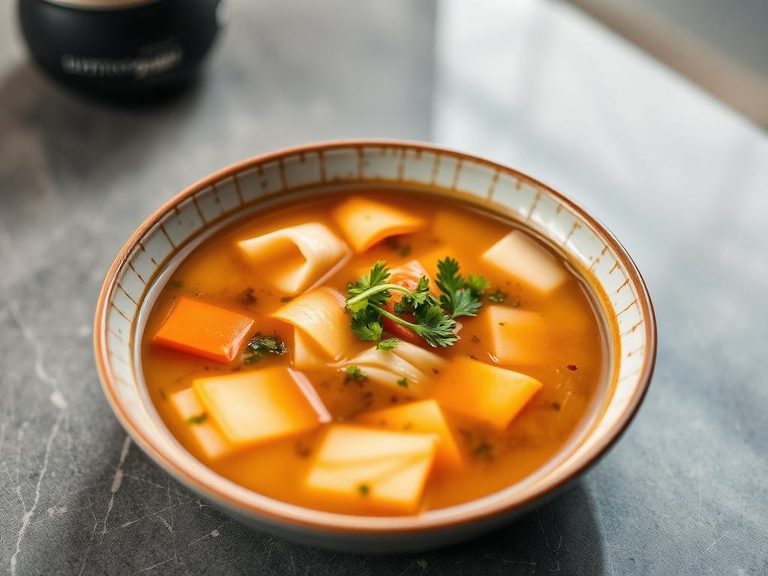
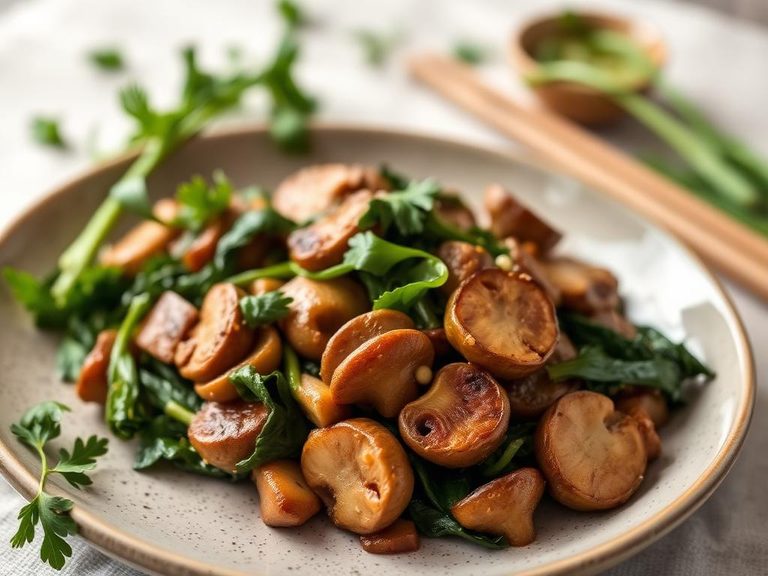
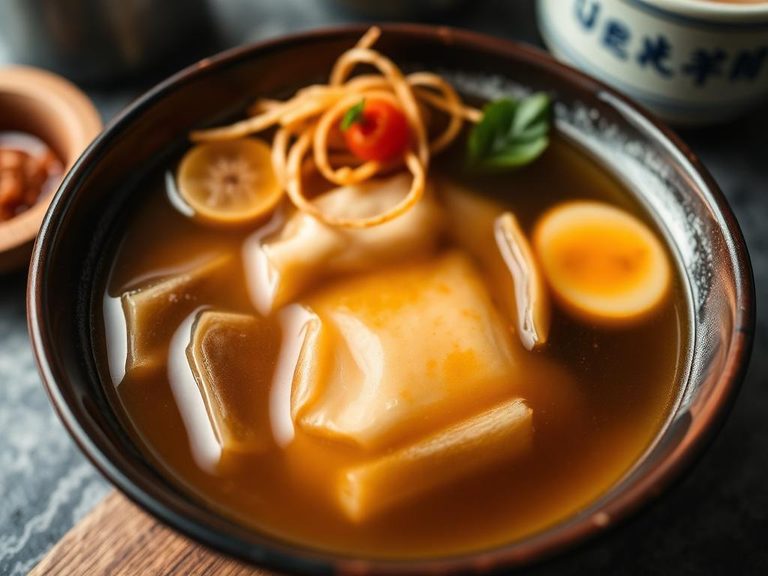
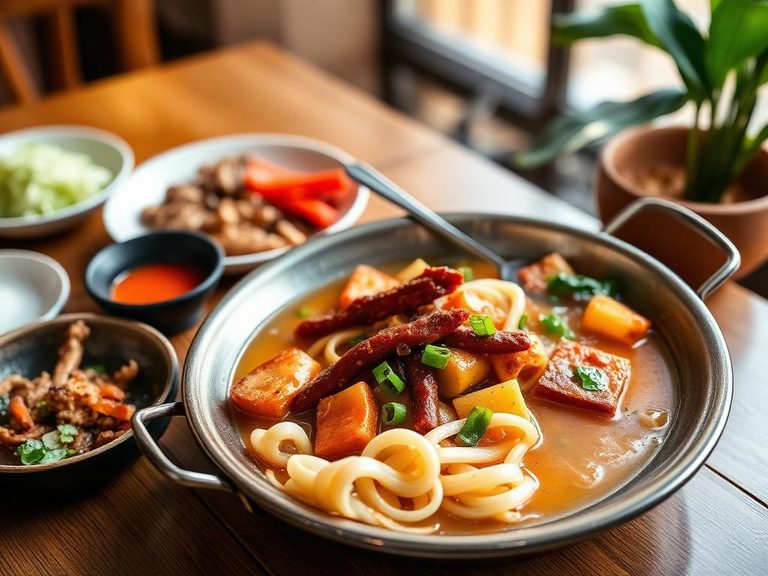
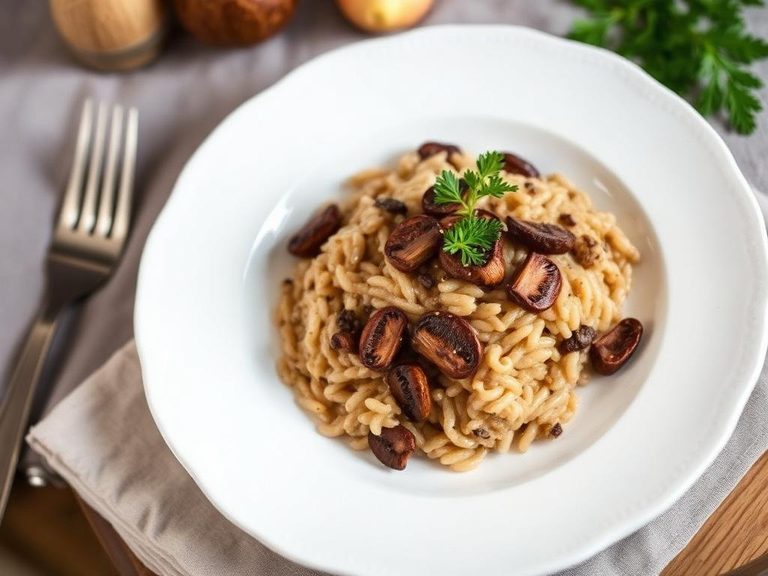
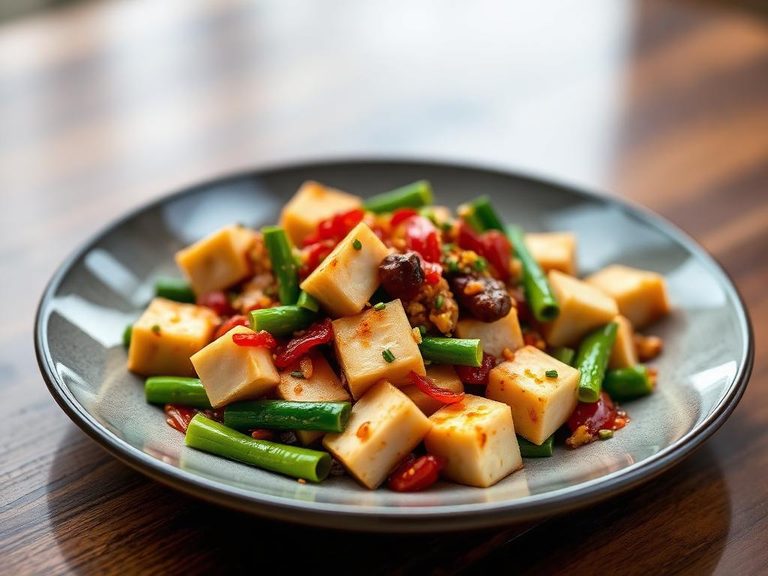
🍽️ Popular dishes
🌍 Where it's eaten
💡 Did you know?
The name 'shiitake' literally means 'mushroom of the shii tree' in Japanese, referring to the *Castanopsis cuspidata* tree on which they traditionally grew.
Full nutrition (USDA data · scales with serving)
| Water | 88.6 g |
| Energy (Atwater General Factors) | 44.1 kcal |
| Energy (Atwater Specific Factors) | 36.4 kcal |
| Nitrogen | 0.39 g |
| Protein | 2.4 g |
| Total lipid (fat) | 0.20 g |
| Ash | 0.62 g |
| Carbohydrate, by difference | 8.2 g |
| Calcium, Ca | 0.77 mg |
| Iron, Fe | 0.14 mg |
| Magnesium, Mg | 14.1 mg |
| Phosphorus, P | 75.8 mg |
| Potassium, K | 243 mg |
| Sodium, Na | 0.94 mg |
| Zinc, Zn | 0.76 mg |
| Copper, Cu | 0.05 mg |
| Manganese, Mn | 0.17 mg |
| Selenium, Se | 1.2 ug |
| Thiamin | 0.00 mg |
| Niacin | 2.7 mg |
| Vitamin B-6 | 0.16 mg |
| Biotin | 6.0 ug |
| Folate, total | 32.1 ug |
Fat & fatty acid profile (per 100g)
Estimated from Mushrooms, portabella, exposed to ultraviolet light, raw — USDA does not publish this profile for Mushrooms.
| Fatty acids, total saturated | 0.06 g |
| SFA 4:0 | 0.00 g |
| SFA 15:0 | 0.01 g |
| SFA 17:0 | 0.01 g |
| SFA 20:0 | 0.01 g |
| SFA 22:0 | 0.01 g |
| SFA 24:0 | 0.00 g |
| Fatty acids, total monounsaturated | 0.02 g |
| MUFA 14:1 | 0.00 g |
| MUFA 15:1 | 0.00 g |
| MUFA 16:1 c | 0.00 g |
| MUFA 17:1 | 0.00 g |
| MUFA 18:1 c | 0.01 g |
| MUFA 22:1 c | 0.00 g |
| MUFA 24:1 c | 0.00 g |
| Fatty acids, total polyunsaturated | 0.12 g |
| PUFA 18:2 n-6 c,c | 0.12 g |
| PUFA 18:2 CLAs | 0.00 g |
| PUFA 18:3 n-3 c,c,c (ALA) | 0.00 g |
| PUFA 18:3 n-6 c,c,c | 0.00 g |
| PUFA 20:2 n-6 c,c | 0.00 g |
| PUFA 20:3 | 0.00 g |
| PUFA 20:3 n-3 | 0.00 g |
| PUFA 20:3 n-6 | 0.00 g |
| PUFA 22:4 | 0.00 g |
| Fatty acids, total trans | 0.00 g |
| Fatty acids, total trans-monoenoic | 0.00 g |
| TFA 16:1 t | 0.00 g |
| TFA 18:1 t | 0.00 g |
| TFA 22:1 t | 0.00 g |
| TFA 18:2 t not further defined | 0.00 g |
| Fatty acids, total trans-polyenoic | 0.00 g |
| Cholesterol | 0.00 mg |
| Stigmasterol | 0.00 mg |
| Campesterol | 2.0 mg |
| Beta-sitosterol | 0.00 mg |
Amino acid profile (per 100g)
Estimated from Mushrooms, portabella, exposed to ultraviolet light, raw — USDA does not publish this profile for Mushrooms.
| Tryptophan | 0.06 g |
| Threonine | 0.11 g |
| Isoleucine | 0.10 g |
| Leucine | 0.15 g |
| Lysine | 0.25 g |
| Methionine | 0.05 g |
| Cystine | 0.01 g |
| Phenylalanine | 0.10 g |
| Tyrosine | 0.05 g |
| Valine | 0.12 g |
| Arginine | 0.12 g |
| Histidine | 0.07 g |
| Alanine | 0.19 g |
| Aspartic acid | 0.23 g |
| Glutamic acid | 0.43 g |
| Glycine | 0.11 g |
| Proline | 0.18 g |
| Serine | 0.13 g |
FAQ
What's the difference between fresh and dried shiitake mushrooms?
Dried shiitakes have a more intense, concentrated umami flavor and chewier texture. They are often preferred for stocks and broths. Rehydrate them in warm water for 20-30 minutes, and the soaking liquid becomes a flavorful 'shiitake dashi'.
Can you eat the stems of shiitake mushrooms?
The stems are edible but can be tough and woody. It's common to remove them before cooking, especially for quick-cooking dishes. They can be saved and simmered in stocks to extract their flavor.
How should I store fresh shiitake mushrooms?
Store them in a paper bag in the refrigerator. Avoid plastic bags, which can trap moisture and make them slimy. They should last for about a week.
Nutrient density (calculated · NRF9.3)
Nutrient Rich Foods index: beneficial nutrients (protein, fiber, vitamins, minerals) minus saturated fat, added sugar & sodium, per 100 kcal.
NRF9.3 index — Fulgoni, Keast & Drewnowski, 2009. Computed from USDA nutrients.
Weight-loss friendliness (composite index)
Energy density 0.44 kcal/g · 22% calories from protein · 0.0 g fiber · 0.0 g sugar per 100 g.
Composite of energy density (Rolls et al., 1999), protein & fiber satiety, minus sugar. A calculated heuristic — ranks satiety-per-calorie, not a clinical measure.
Dietary load (calculated from USDA values)
Potential renal acid load. Positive = acid-forming, negative = alkaline-forming.
Sodium-to-potassium ratio: 0.00 (lower is better — aim for ≤ 1)
Sodium:potassium per WHO potassium guidance. Computed from USDA nutrients.