

Milk, fat free (skim)
Common food
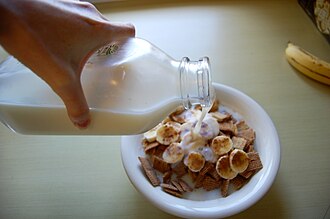
Photo: Wikipedia
Fat-free milk, often called skim milk, is the clear, watery liquid left after all cream is removed from whole milk. It has a thin, light texture and a clean, slightly sweet taste with a faint lactose tang. Nutritionally, it's a lean powerhouse, delivering 3.43g of protein and 4.92g of carbs per 100g for only 34 calories.
Calorie split: 40% protein · 58% carbs · 2% fat
↓ Full nutrition💚 Why it's loved
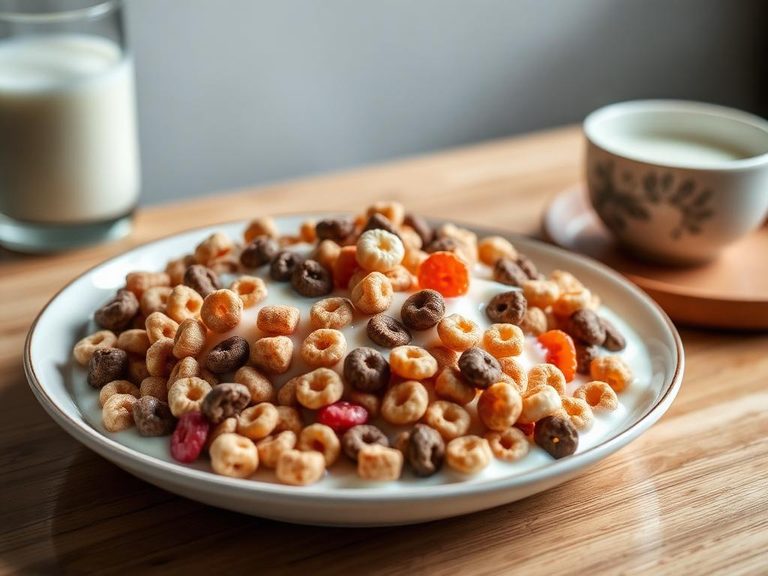
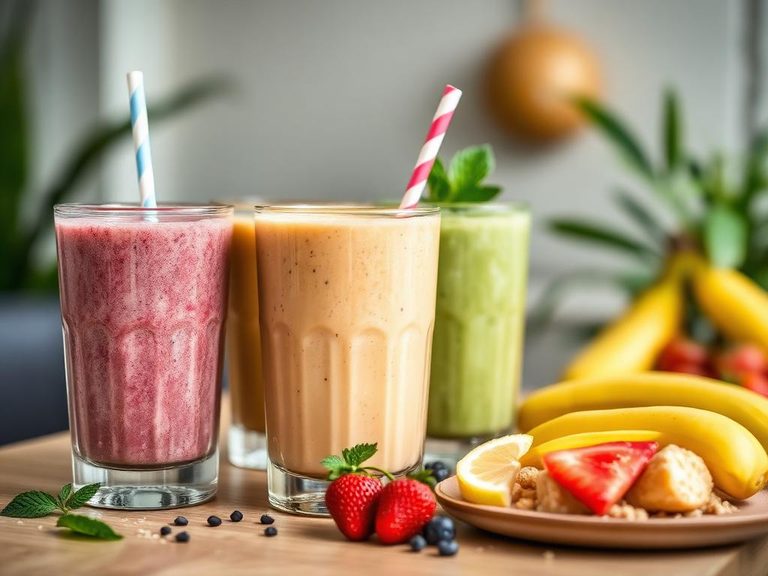
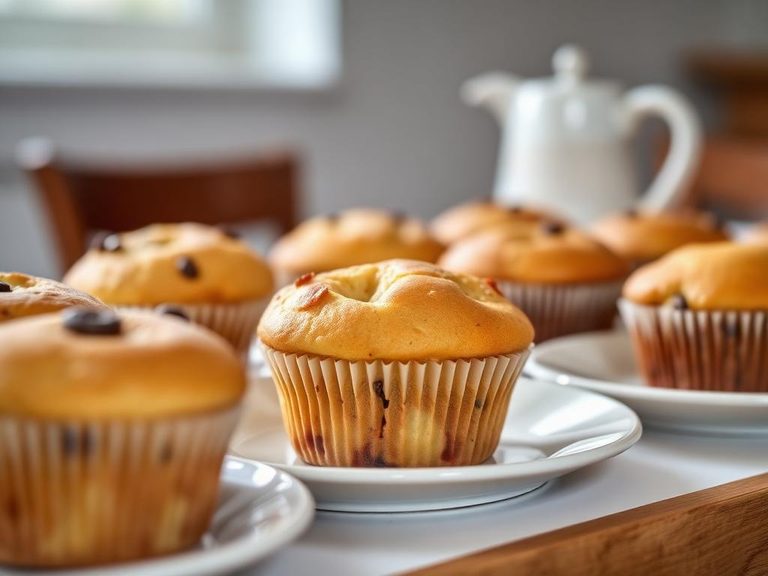
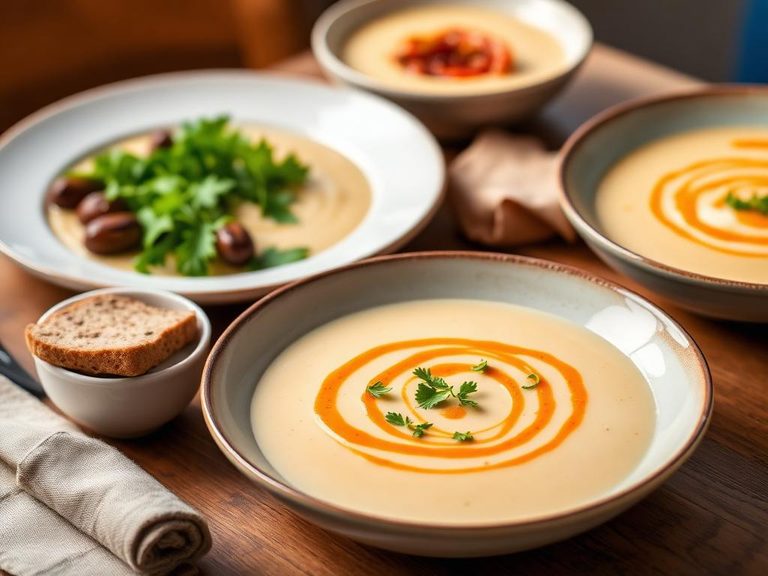
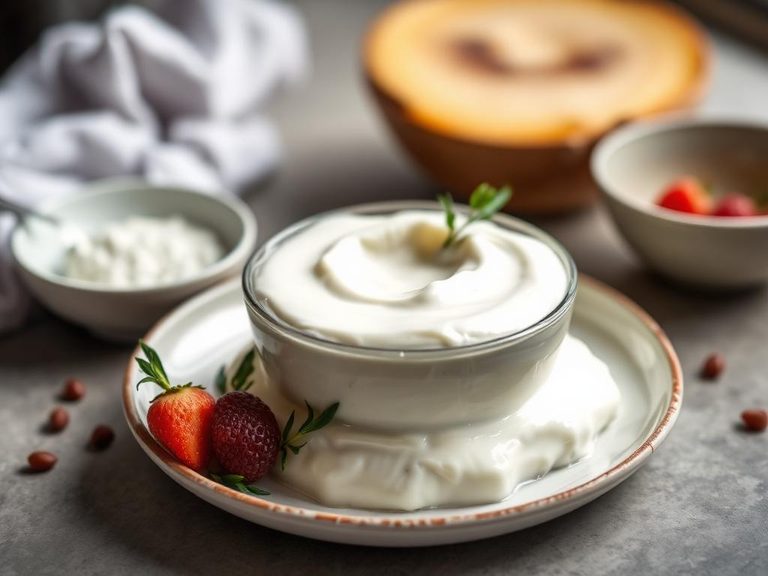
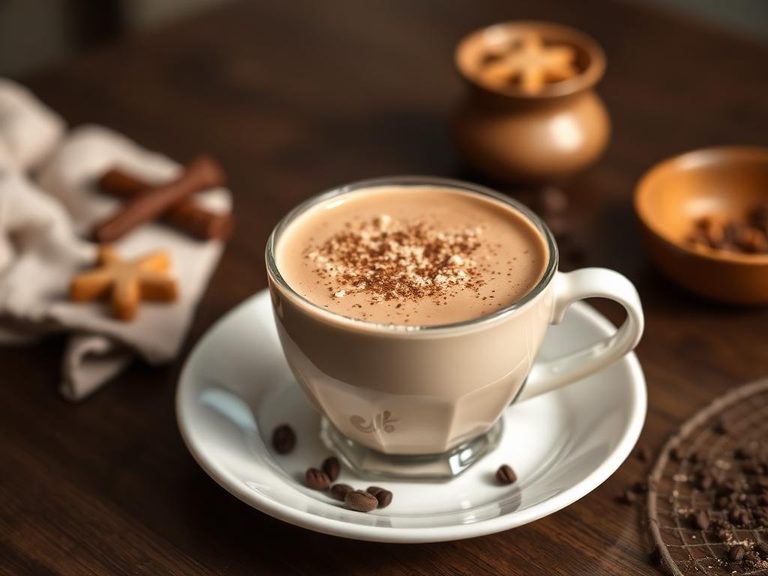
People love it as a guilt-free, protein-rich drink that fits easily into calorie-conscious diets. Its neutral flavor and thin consistency make it a perfect canvas for everything from cereal to smoothies and baking.
⚠️ Watch-outs & how to enjoy it better
The lack of fat can make it feel watery or thin to some palates, and its natural lactose sugar (5.05g per 100g) can cause digestive issues for the lactose-intolerant. To counteract the thin texture, pair it with a source of healthy fat or protein, like a handful of nuts or a scoop of nut butter. For lactose sensitivity, try lactose-free versions or consume smaller portions with meals.
Key benefits
- High-quality protein source for muscle maintenance and satiety.
- Very low in fat, making it a low-calorie beverage option.
- Rich in calcium and often fortified with Vitamin D for bone health.
- Provides quick-digesting carbohydrates (lactose) for energy.
- A versatile base for both sweet and savory recipes.
🍽️ Popular dishes
🌍 Where it's eaten
💡 Did you know?
The process of removing fat from milk was first patented in 1891 by Dr. John R. McLean, but it wasn't until the 1940s that 'skim milk' became widely popularized in the U.S. as a wartime food conservation measure.
Full nutrition (USDA data · scales with serving)
| Water | 90.8 g |
| Energy | 34.0 kcal |
| Protein | 3.4 g |
| Total lipid (fat) | 0.08 g |
| Carbohydrate, by difference | 4.9 g |
| Fiber, total dietary | 0.00 g |
| Total Sugars | 5.0 g |
| Calcium, Ca | 132 mg |
| Iron, Fe | 0.00 mg |
| Magnesium, Mg | 12.0 mg |
| Phosphorus, P | 107 mg |
| Potassium, K | 167 mg |
| Sodium, Na | 41.0 mg |
| Zinc, Zn | 0.45 mg |
| Copper, Cu | 0.00 mg |
| Selenium, Se | 2.0 ug |
| Vitamin C, total ascorbic acid | 0.00 mg |
| Thiamin | 0.06 mg |
| Riboflavin | 0.13 mg |
| Niacin | 0.12 mg |
| Vitamin B-6 | 0.06 mg |
| Folate, total | 2.0 ug |
| Folic acid | 0.00 ug |
| Folate, food | 2.0 ug |
| Folate, DFE | 2.0 ug |
| Choline, total | 18.2 mg |
| Vitamin B-12 | 0.58 ug |
| Vitamin B-12, added | 0.00 ug |
| Vitamin A, RAE | 64.0 ug |
| Retinol | 64.0 ug |
| Carotene, beta | 2.0 ug |
| Carotene, alpha | 0.00 ug |
| Cryptoxanthin, beta | 0.00 ug |
| Lycopene | 0.00 ug |
| Lutein + zeaxanthin | 0.00 ug |
| Vitamin E (alpha-tocopherol) | 0.00 mg |
| Vitamin E, added | 0.00 mg |
| Vitamin D (D2 + D3) | 1.1 ug |
| Vitamin K (phylloquinone) | 0.00 ug |
| Alcohol, ethyl | 0.00 g |
| Caffeine | 0.00 mg |
| Theobromine | 0.00 mg |
Fat & fatty acid profile (per 100g)
| Fatty acids, total saturated | 0.05 g |
| SFA 4:0 | 0.00 g |
| SFA 6:0 | 0.00 g |
| SFA 8:0 | 0.00 g |
| SFA 10:0 | 0.00 g |
| SFA 12:0 | 0.00 g |
| SFA 14:0 | 0.01 g |
| SFA 16:0 | 0.02 g |
| SFA 18:0 | 0.01 g |
| Fatty acids, total monounsaturated | 0.02 g |
| MUFA 16:1 | 0.00 g |
| MUFA 18:1 | 0.02 g |
| MUFA 20:1 | 0.00 g |
| MUFA 22:1 | 0.00 g |
| Fatty acids, total polyunsaturated | 0.01 g |
| PUFA 18:2 | 0.01 g |
| PUFA 18:3 | 0.00 g |
| PUFA 18:4 | 0.00 g |
| PUFA 20:4 | 0.00 g |
| PUFA 20:5 n-3 (EPA) | 0.00 g |
| PUFA 22:5 n-3 (DPA) | 0.00 g |
| PUFA 22:6 n-3 (DHA) | 0.00 g |
| Cholesterol | 3.0 mg |
Amino acid profile (per 100g)
Estimated from Potatoes, mashed, prepared from granules, without milk, whole milk and margarine — USDA does not publish this profile for Milk.
| Tryptophan | 0.02 g |
| Threonine | 0.09 g |
| Isoleucine | 0.11 g |
| Leucine | 0.17 g |
| Lysine | 0.15 g |
| Methionine | 0.04 g |
| Cystine | 0.02 g |
| Phenylalanine | 0.10 g |
| Tyrosine | 0.09 g |
| Valine | 0.13 g |
| Arginine | 0.08 g |
| Histidine | 0.05 g |
| Alanine | 0.07 g |
| Aspartic acid | 0.25 g |
| Glutamic acid | 0.39 g |
| Glycine | 0.05 g |
| Proline | 0.15 g |
| Serine | 0.10 g |
FAQ
Is skim milk the same as non-fat milk?
Yes, in the U.S., 'skim milk' and 'non-fat milk' are legally defined as milk containing less than 0.5% milk fat, making them essentially the same product.
Does skim milk have less calcium than whole milk?
No, the calcium content remains virtually the same. Skimming the fat removes calories and fat-soluble vitamins (like A and D, which are often added back), but the mineral content, including calcium, is unchanged.
Why does skim milk sometimes taste sweeter than whole milk?
Without the fat to coat the tongue and provide a rich, creamy sensation, the natural sweetness of lactose (milk sugar) becomes more pronounced on the palate.
Nutrient density (calculated · NRF9.3)
Nutrient Rich Foods index: beneficial nutrients (protein, fiber, vitamins, minerals) minus saturated fat, added sugar & sodium, per 100 kcal.
NRF9.3 index — Fulgoni, Keast & Drewnowski, 2009. Computed from USDA nutrients.
Weight-loss friendliness (composite index)
Energy density 0.34 kcal/g · 40% calories from protein · 0.0 g fiber · 5.0 g sugar per 100 g.
Composite of energy density (Rolls et al., 1999), protein & fiber satiety, minus sugar. A calculated heuristic — ranks satiety-per-calorie, not a clinical measure.
Dietary load (calculated from USDA values)
Potential renal acid load. Positive = acid-forming, negative = alkaline-forming.
Sodium-to-potassium ratio: 0.25 (lower is better — aim for ≤ 1)
Sodium:potassium per WHO potassium guidance. Computed from USDA nutrients.