

Lima beans, thin seeded (baby), mature seeds, raw
Whole food · Legumes and Legume Products

Photo: Wikipedia
These are the small, tender seeds of the lima bean plant, harvested young for a delicate, buttery flavor and a smooth, creamy texture when cooked. Nutritionally, they are a powerhouse of plant-based protein and an exceptional source of dietary fiber, making them a filling and nutritious staple.
Calorie split: 24% protein · 73% carbs · 2% fat
↓ Full nutrition💚 Why it's loved
People cherish baby lima beans for their uniquely creamy, almost velvety texture and mild, sweet flavor that absorbs seasonings beautifully. They are a versatile comfort food, equally at home in a hearty stew, a simple sauté, or a creamy succotash.
⚠️ Watch-outs & how to enjoy it better
Raw or undercooked lima beans contain linamarin, which can release cyanide and cause digestive upset; they must be thoroughly cooked. Their high fiber content may cause gas or bloating in some individuals, so introducing them gradually and drinking plenty of water can help. For those monitoring blood sugar, pairing them with a healthy fat or protein source can moderate their glycemic impact.
Key benefits
- Excellent source of plant-based protein (20.62g per 100g dry).
- Extremely high in dietary fiber (20.6g per 100g dry), promoting digestive health.
- Provides complex carbohydrates for sustained energy release.
- Naturally low in fat (0.93g per 100g dry).
- Contains essential minerals like iron and potassium.
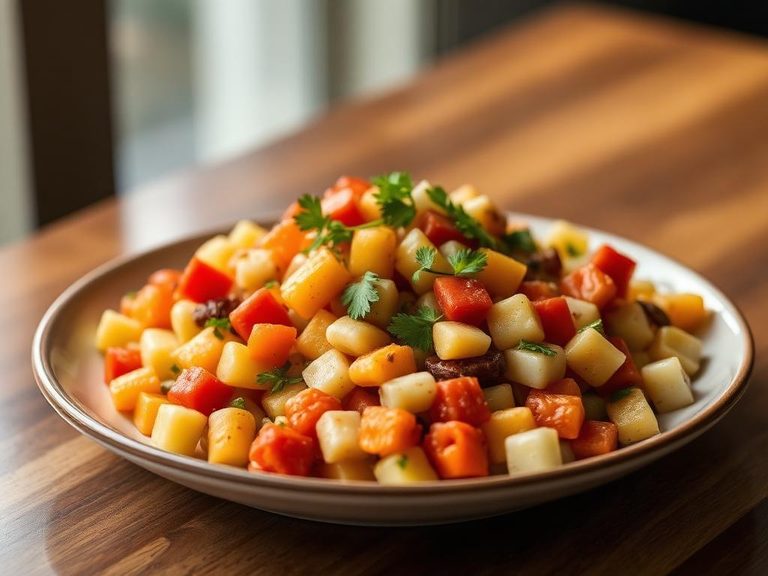
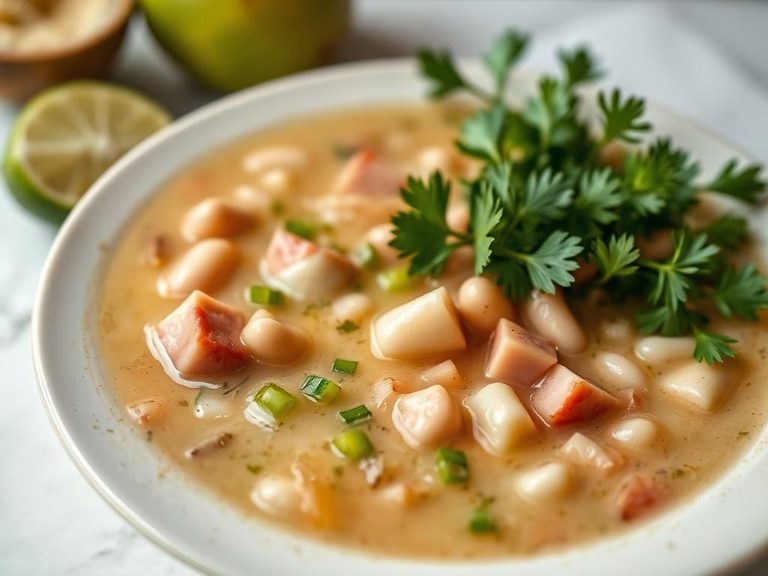
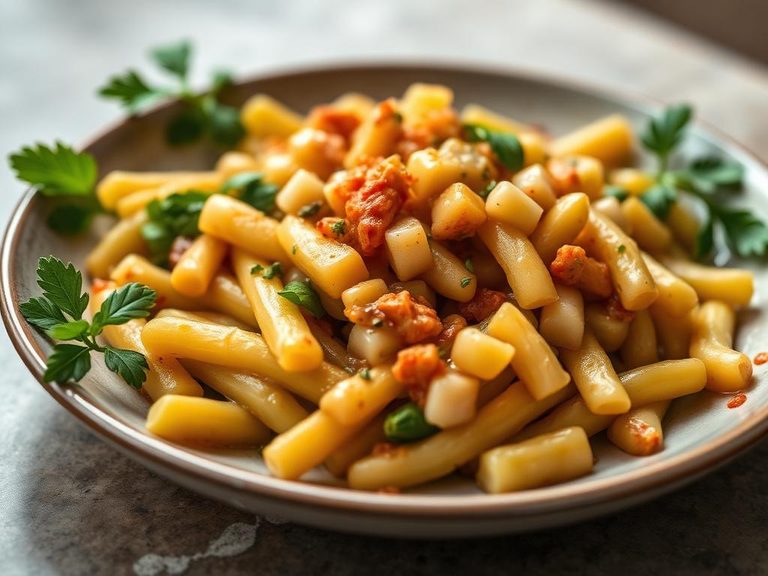
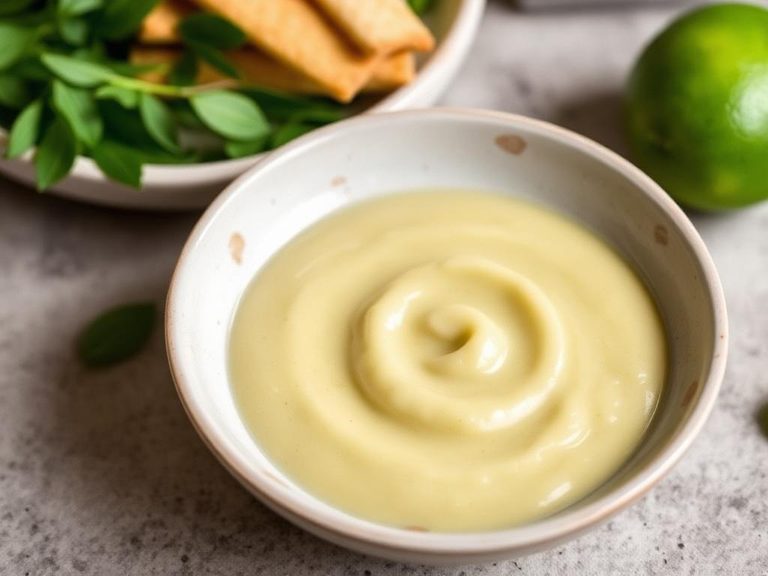
🍽️ Popular dishes
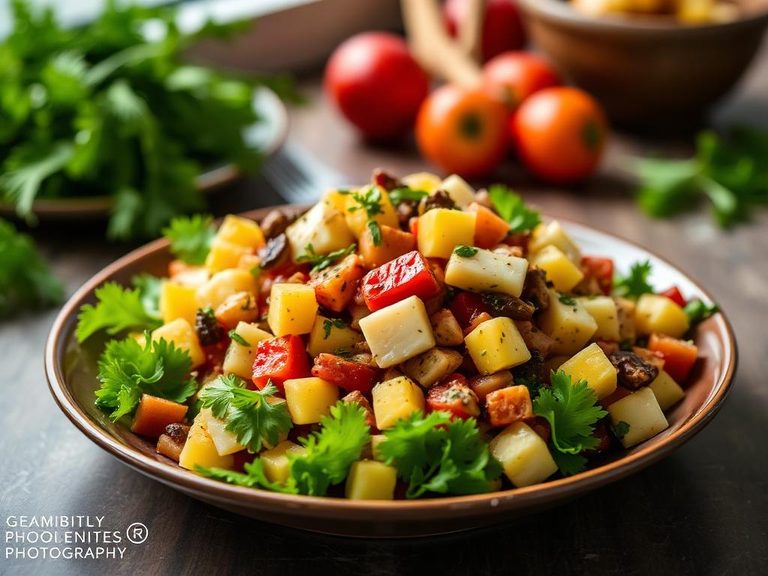
🌍 Where it's eaten
💡 Did you know?
The name 'lima bean' comes from the capital of Peru, Lima, where they were first cultivated thousands of years ago, making them a truly ancient New World crop.
Full nutrition (USDA data · scales with serving)
| Water | 12.1 g |
| Energy | 335 kcal |
| Energy | 1402 kj |
| Protein | 20.6 g |
| Total lipid (fat) | 0.93 g |
| Ash | 3.5 g |
| Carbohydrate, by difference | 62.8 g |
| Fiber, total dietary | 20.6 g |
| Total Sugars | 8.3 g |
| Calcium, Ca | 81.0 mg |
| Iron, Fe | 6.2 mg |
| Magnesium, Mg | 188 mg |
| Phosphorus, P | 370 mg |
| Potassium, K | 1403 mg |
| Sodium, Na | 13.0 mg |
| Zinc, Zn | 2.6 mg |
| Copper, Cu | 0.67 mg |
| Manganese, Mn | 1.7 mg |
| Selenium, Se | 7.0 ug |
| Vitamin C, total ascorbic acid | 0.00 mg |
| Thiamin | 0.57 mg |
| Riboflavin | 0.22 mg |
| Niacin | 1.7 mg |
| Pantothenic acid | 1.3 mg |
| Vitamin B-6 | 0.33 mg |
| Folate, total | 400 ug |
| Folic acid | 0.00 ug |
| Folate, food | 400 ug |
| Folate, DFE | 400 ug |
| Vitamin B-12 | 0.00 ug |
| Vitamin A, RAE | 0.00 ug |
| Retinol | 0.00 ug |
| Carotene, beta | 0.00 ug |
| Carotene, alpha | 0.00 ug |
| Cryptoxanthin, beta | 0.00 ug |
| Vitamin A, IU | 0.00 iu |
| Lycopene | 0.00 ug |
| Lutein + zeaxanthin | 0.00 ug |
| Vitamin E (alpha-tocopherol) | 0.70 mg |
| Vitamin D (D2 + D3), International Units | 0.00 iu |
| Vitamin D (D2 + D3) | 0.00 ug |
| Vitamin K (phylloquinone) | 5.9 ug |
| Alcohol, ethyl | 0.00 g |
| Caffeine | 0.00 mg |
| Theobromine | 0.00 mg |
Fat & fatty acid profile (per 100g)
| Fatty acids, total saturated | 0.22 g |
| SFA 4:0 | 0.00 g |
| SFA 6:0 | 0.00 g |
| SFA 8:0 | 0.00 g |
| SFA 10:0 | 0.00 g |
| SFA 12:0 | 0.00 g |
| SFA 14:0 | 0.00 g |
| SFA 16:0 | 0.16 g |
| SFA 18:0 | 0.04 g |
| Fatty acids, total monounsaturated | 0.08 g |
| MUFA 16:1 | 0.01 g |
| MUFA 18:1 | 0.07 g |
| MUFA 20:1 | 0.00 g |
| MUFA 22:1 | 0.01 g |
| Fatty acids, total polyunsaturated | 0.42 g |
| PUFA 18:2 | 0.29 g |
| PUFA 18:3 | 0.13 g |
| PUFA 18:4 | 0.00 g |
| PUFA 20:4 | 0.00 g |
| PUFA 20:5 n-3 (EPA) | 0.00 g |
| PUFA 22:5 n-3 (DPA) | 0.00 g |
| PUFA 22:6 n-3 (DHA) | 0.00 g |
| Fatty acids, total trans | 0.00 g |
| Cholesterol | 0.00 mg |
Amino acid profile (per 100g)
| Tryptophan | 0.24 g |
| Threonine | 0.89 g |
| Isoleucine | 1.1 g |
| Leucine | 1.8 g |
| Lysine | 1.4 g |
| Methionine | 0.26 g |
| Cystine | 0.23 g |
| Phenylalanine | 1.2 g |
| Tyrosine | 0.73 g |
| Valine | 1.2 g |
| Arginine | 1.3 g |
| Histidine | 0.63 g |
| Alanine | 1.1 g |
| Aspartic acid | 2.7 g |
| Glutamic acid | 2.9 g |
| Glycine | 0.87 g |
| Proline | 0.94 g |
| Serine | 1.4 g |
FAQ
What's the difference between baby lima beans and regular lima beans?
Baby lima beans are harvested earlier, resulting in a smaller, more tender seed with a milder flavor and creamier texture. Regular (Fordhook) lima beans are larger, starchier, and have a more pronounced, beany taste.
Do I need to soak dried baby lima beans before cooking?
Yes, soaking dried beans for at least 4-8 hours (or overnight) is highly recommended. It reduces cooking time, improves digestibility by helping to break down complex sugars that cause gas, and ensures even cooking.
How can I tell when they are fully cooked?
They should be tender all the way through when pierced with a fork, with a creamy, smooth interior. They should not be chalky, hard, or have a raw, starchy taste.
Nutrient density (calculated · NRF9.3)
Nutrient Rich Foods index: beneficial nutrients (protein, fiber, vitamins, minerals) minus saturated fat, added sugar & sodium, per 100 kcal.
NRF9.3 index — Fulgoni, Keast & Drewnowski, 2009. Computed from USDA nutrients.
Weight-loss friendliness (composite index)
Energy density 3.35 kcal/g · 25% calories from protein · 20.6 g fiber · 8.3 g sugar per 100 g.
Composite of energy density (Rolls et al., 1999), protein & fiber satiety, minus sugar. A calculated heuristic — ranks satiety-per-calorie, not a clinical measure.
Dietary load (calculated from USDA values)
Potential renal acid load. Positive = acid-forming, negative = alkaline-forming.
Sodium-to-potassium ratio: 0.01 (lower is better — aim for ≤ 1)
Sodium:potassium per WHO potassium guidance. Computed from USDA nutrients.