

Lima beans, from frozen, no added fat
Common food

Photo: Wikipedia
Lima beans, also known as butter beans, are large, flat, pale green or white legumes with a creamy, starchy texture and a mild, slightly sweet flavor. When cooked from frozen, they retain a satisfying bite and a buttery richness that makes them a comforting staple. Nutritionally, they are a powerhouse of plant-based protein and fiber, making them an excellent choice for sustained energy and digestive health.
Calorie split: 23% protein · 74% carbs · 3% fat
↓ Full nutrition💚 Why it's loved
People love lima beans for their creamy, buttery texture and mild, earthy flavor that pairs well with a wide range of dishes. They are a versatile ingredient in Southern U.S. cuisine, Latin American stews, and Mediterranean salads, often evoking a sense of comfort and tradition.
⚠️ Watch-outs & how to enjoy it better
Some may find lima beans bland or have digestive discomfort due to their high fiber and oligosaccharide content. To counteract this, start with smaller portions, cook them thoroughly, and pair with a source of protein or healthy fat (like a drizzle of olive oil or a side of grilled chicken) to enhance flavor and aid digestion.
Key benefits
- High in plant-based protein (6.05g per 100g) for muscle maintenance.
- Excellent source of dietary fiber (5.3g per 100g) to support digestion.
- Low in fat (0.34g per 100g), making them a heart-healthy choice.
- Rich in complex carbohydrates for steady energy release.
- Contains essential minerals like iron and potassium.
🍽️ Popular dishes
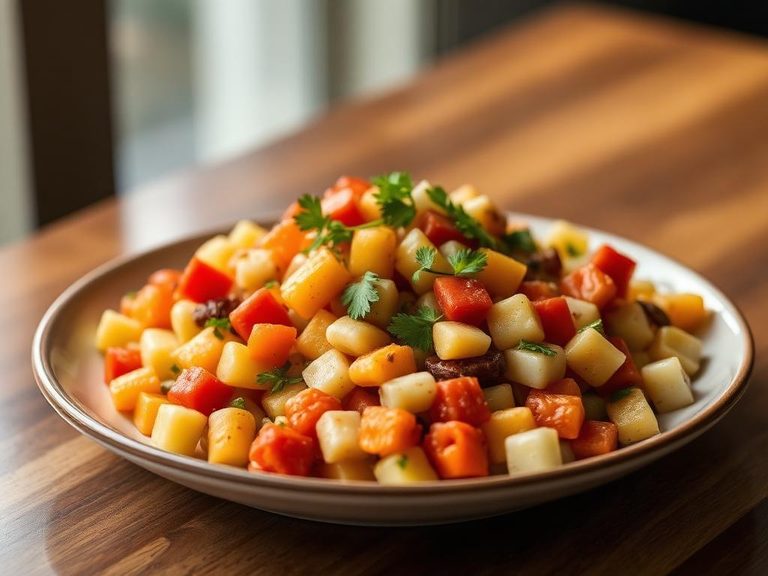
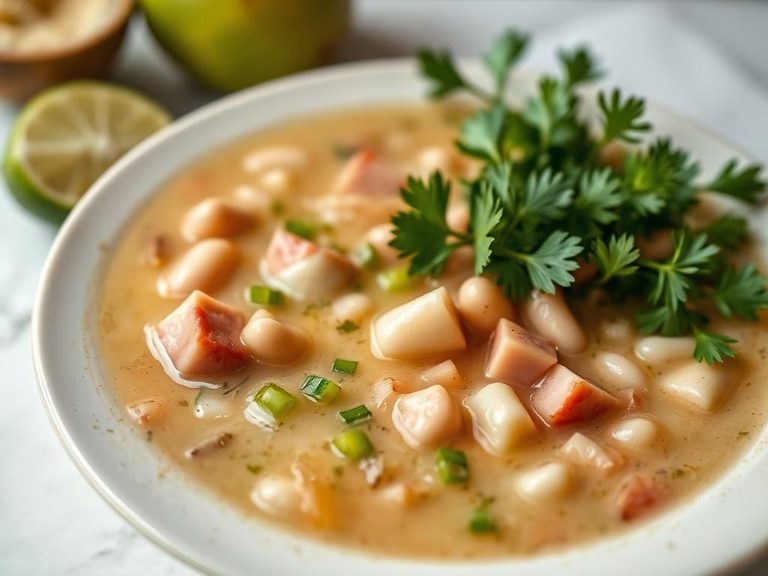
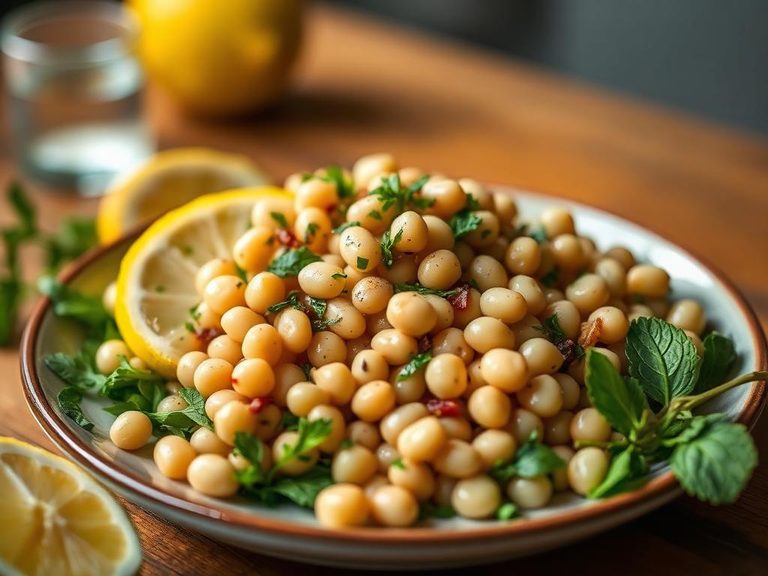
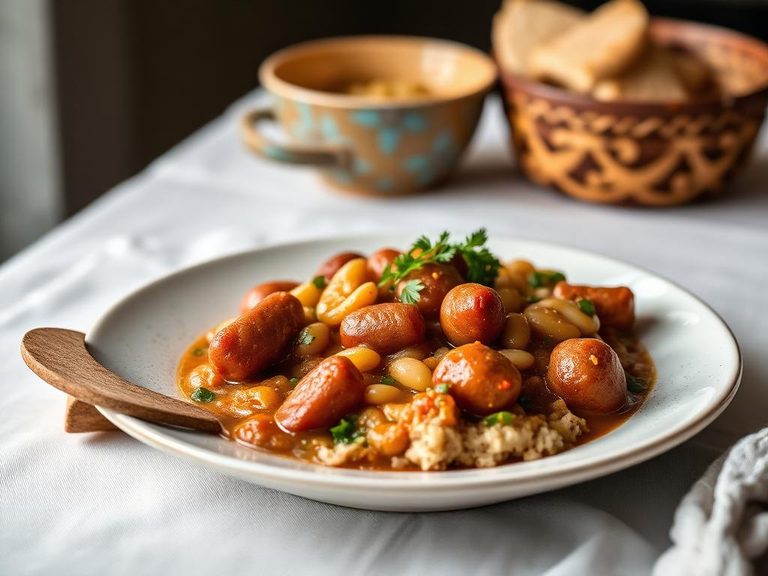
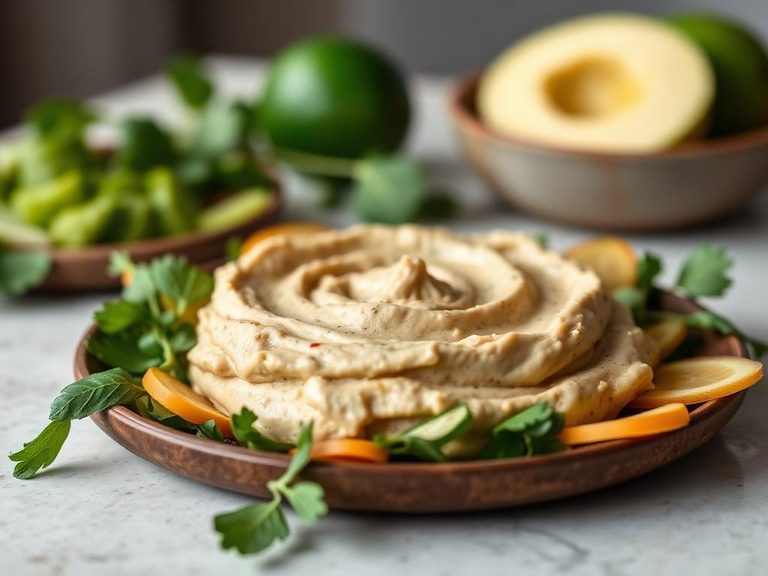
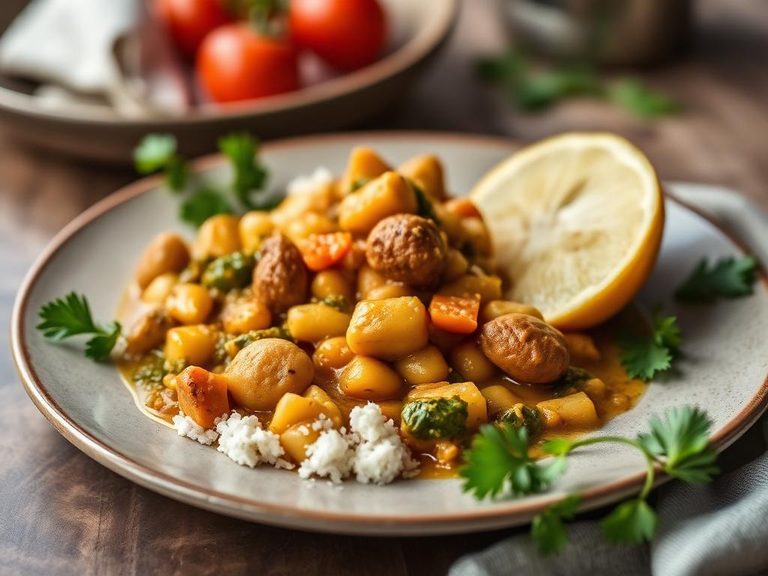
🌍 Where it's eaten
💡 Did you know?
Lima beans have been cultivated for over 9,000 years, originating in the Andes region of South America, and were named after the capital of Peru, Lima, where they were first introduced to Europe in the 16th century.
Full nutrition (USDA data · scales with serving)
| Water | 72.8 g |
| Energy | 103 kcal |
| Protein | 6.0 g |
| Total lipid (fat) | 0.34 g |
| Carbohydrate, by difference | 19.3 g |
| Fiber, total dietary | 5.3 g |
| Total Sugars | 1.3 g |
| Calcium, Ca | 30.0 mg |
| Iron, Fe | 1.8 mg |
| Magnesium, Mg | 42.0 mg |
| Phosphorus, P | 97.0 mg |
| Potassium, K | 303 mg |
| Sodium, Na | 185 mg |
| Zinc, Zn | 0.74 mg |
| Copper, Cu | 0.17 mg |
| Selenium, Se | 0.60 ug |
| Vitamin C, total ascorbic acid | 12.8 mg |
| Thiamin | 0.07 mg |
| Riboflavin | 0.06 mg |
| Niacin | 1.1 mg |
| Vitamin B-6 | 0.12 mg |
| Folate, total | 21.0 ug |
| Folic acid | 0.00 ug |
| Folate, food | 21.0 ug |
| Folate, DFE | 21.0 ug |
| Choline, total | 36.2 mg |
| Vitamin B-12 | 0.00 ug |
| Vitamin B-12, added | 0.00 ug |
| Vitamin A, RAE | 10.0 ug |
| Retinol | 0.00 ug |
| Carotene, beta | 114 ug |
| Carotene, alpha | 0.00 ug |
| Cryptoxanthin, beta | 0.00 ug |
| Lycopene | 0.00 ug |
| Lutein + zeaxanthin | 0.00 ug |
| Vitamin E (alpha-tocopherol) | 0.29 mg |
| Vitamin E, added | 0.00 mg |
| Vitamin D (D2 + D3) | 0.00 ug |
| Vitamin K (phylloquinone) | 5.1 ug |
| Alcohol, ethyl | 0.00 g |
| Caffeine | 0.00 mg |
| Theobromine | 0.00 mg |
Fat & fatty acid profile (per 100g)
| Fatty acids, total saturated | 0.08 g |
| SFA 4:0 | 0.00 g |
| SFA 6:0 | 0.00 g |
| SFA 8:0 | 0.00 g |
| SFA 10:0 | 0.00 g |
| SFA 12:0 | 0.00 g |
| SFA 14:0 | 0.00 g |
| SFA 16:0 | 0.07 g |
| SFA 18:0 | 0.01 g |
| Fatty acids, total monounsaturated | 0.02 g |
| MUFA 16:1 | 0.00 g |
| MUFA 18:1 | 0.02 g |
| MUFA 20:1 | 0.00 g |
| MUFA 22:1 | 0.00 g |
| Fatty acids, total polyunsaturated | 0.16 g |
| PUFA 18:2 | 0.11 g |
| PUFA 18:3 | 0.05 g |
| PUFA 18:4 | 0.00 g |
| PUFA 20:4 | 0.00 g |
| PUFA 20:5 n-3 (EPA) | 0.00 g |
| PUFA 22:5 n-3 (DPA) | 0.00 g |
| PUFA 22:6 n-3 (DHA) | 0.00 g |
| Cholesterol | 0.00 mg |
Amino acid profile (per 100g)
Estimated from Lima beans, immature seeds, raw — USDA does not publish this profile for Lima beans.
| Tryptophan | 0.09 g |
| Threonine | 0.29 g |
| Isoleucine | 0.44 g |
| Leucine | 0.54 g |
| Lysine | 0.45 g |
| Methionine | 0.07 g |
| Cystine | 0.08 g |
| Phenylalanine | 0.34 g |
| Tyrosine | 0.22 g |
| Valine | 0.43 g |
| Arginine | 0.46 g |
| Histidine | 0.23 g |
| Alanine | 0.26 g |
| Aspartic acid | 0.73 g |
| Glutamic acid | 0.88 g |
| Glycine | 0.27 g |
| Proline | 0.10 g |
| Serine | 0.43 g |
FAQ
Are lima beans the same as butter beans?
Yes, in many regions, 'lima beans' and 'butter beans' refer to the same legume, though 'butter beans' often refers to larger, creamier varieties.
How do I reduce the gas caused by lima beans?
Soak dried beans overnight, discard the soaking water, and cook thoroughly. Start with small portions and gradually increase intake to let your digestive system adapt.
Can lima beans be eaten raw?
No, lima beans should always be cooked. Raw lima beans contain linamarin, which can release cyanide when ingested.
Nutrient density (calculated · NRF9.3)
Nutrient Rich Foods index: beneficial nutrients (protein, fiber, vitamins, minerals) minus saturated fat, added sugar & sodium, per 100 kcal.
NRF9.3 index — Fulgoni, Keast & Drewnowski, 2009. Computed from USDA nutrients.
Weight-loss friendliness (composite index)
Energy density 1.03 kcal/g · 23% calories from protein · 5.3 g fiber · 1.3 g sugar per 100 g.
Composite of energy density (Rolls et al., 1999), protein & fiber satiety, minus sugar. A calculated heuristic — ranks satiety-per-calorie, not a clinical measure.
Dietary load (calculated from USDA values)
Potential renal acid load. Positive = acid-forming, negative = alkaline-forming.
Sodium-to-potassium ratio: 0.61 (lower is better — aim for ≤ 1)
Sodium:potassium per WHO potassium guidance. Computed from USDA nutrients.