Lima beans, immature seeds, raw
Whole food · Vegetables and Vegetable Products

Photo: Wikipedia
These are the tender, bright green seeds of the lima bean plant, harvested before they fully mature. They offer a distinctive buttery, slightly starchy flavor with a creamy yet firm texture when raw. Nutritionally, they are a standout source of plant-based protein and dietary fiber relative to their calorie count.
💚 Why it's loved
People cherish them for their unique, rich, and buttery flavor that forms the base of classic comfort dishes. Their ability to absorb surrounding flavors while maintaining a pleasant texture makes them incredibly versatile in both simple and elaborate recipes.
⚠️ Watch-outs & how to enjoy it better
Raw or undercooked lima beans contain lectins, which can cause digestive discomfort. To counteract this, they must always be thoroughly cooked (boiled for at least 10-15 minutes). Their high fiber content can also cause gas in some individuals; introducing them gradually into the diet can help.
Key benefits
- Excellent source of plant-based protein for muscle maintenance
- High in dietary fiber to support digestive health
- Low in fat and a good source of complex carbohydrates
- Contains essential minerals like iron and manganese
- Provides a steady release of energy due to its fiber and protein content
🍽️ Popular dishes
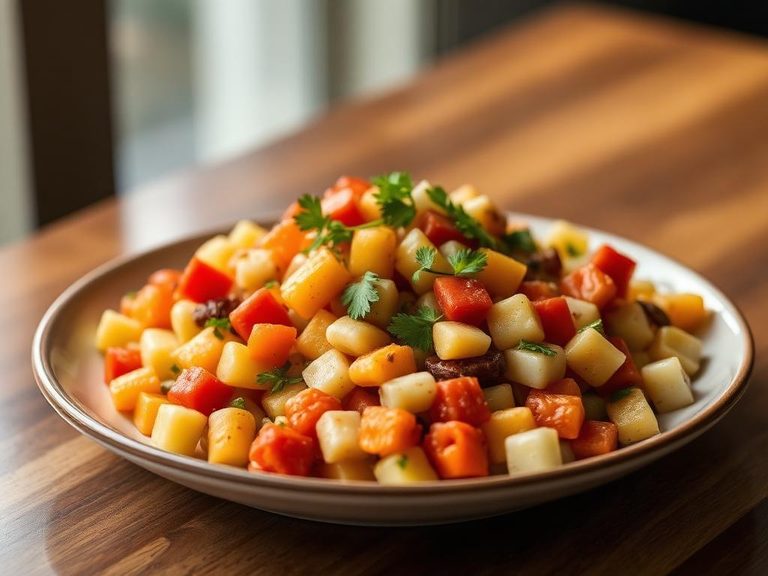
🌍 Where it's eaten
💡 Did you know?
Despite their common name, lima beans are not from Lima, Peru; they were first cultivated in the Andes and later named after the Peruvian capital by European traders.
Full nutrition (scales with serving)
| Water | 70.2 g |
| Energy | 113 kcal |
| Energy | 473 kj |
| Protein | 6.8 g |
| Total lipid (fat) | 0.86 g |
| Ash | 1.9 g |
| Carbohydrate, by difference | 20.2 g |
| Fiber, total dietary | 4.9 g |
| Total Sugars | 1.5 g |
| Calcium, Ca | 34.0 mg |
| Iron, Fe | 3.1 mg |
| Magnesium, Mg | 58.0 mg |
| Phosphorus, P | 136 mg |
| Potassium, K | 467 mg |
| Sodium, Na | 8.0 mg |
| Zinc, Zn | 0.78 mg |
| Copper, Cu | 0.32 mg |
| Manganese, Mn | 1.2 mg |
| Selenium, Se | 1.8 ug |
| Vitamin C, total ascorbic acid | 23.4 mg |
| Thiamin | 0.22 mg |
| Riboflavin | 0.10 mg |
| Niacin | 1.5 mg |
| Pantothenic acid | 0.25 mg |
| Vitamin B-6 | 0.20 mg |
| Folate, total | 34.0 ug |
| Folic acid | 0.00 ug |
| Folate, food | 34.0 ug |
| Folate, DFE | 34.0 ug |
| Choline, total | 40.0 mg |
| Vitamin B-12 | 0.00 ug |
| Vitamin B-12, added | 0.00 ug |
| Vitamin A, RAE | 10.0 ug |
| Retinol | 0.00 ug |
| Carotene, beta | 126 ug |
| Carotene, alpha | 0.00 ug |
| Cryptoxanthin, beta | 0.00 ug |
| Vitamin A, IU | 209 iu |
| Lycopene | 0.00 ug |
| Lutein + zeaxanthin | 0.00 ug |
| Vitamin E (alpha-tocopherol) | 0.32 mg |
| Vitamin E, added | 0.00 mg |
| Vitamin D (D2 + D3), International Units | 0.00 iu |
| Vitamin D (D2 + D3) | 0.00 ug |
| Vitamin K (phylloquinone) | 5.6 ug |
| Alcohol, ethyl | 0.00 g |
| Caffeine | 0.00 mg |
| Theobromine | 0.00 mg |
Fat & fatty acid profile (per 100g)
| Fatty acids, total saturated | 0.20 g |
| SFA 4:0 | 0.00 g |
| SFA 6:0 | 0.00 g |
| SFA 8:0 | 0.00 g |
| SFA 10:0 | 0.00 g |
| SFA 12:0 | 0.00 g |
| SFA 14:0 | 0.00 g |
| SFA 16:0 | 0.17 g |
| SFA 18:0 | 0.02 g |
| Fatty acids, total monounsaturated | 0.05 g |
| MUFA 16:1 | 0.00 g |
| MUFA 18:1 | 0.05 g |
| MUFA 20:1 | 0.00 g |
| MUFA 22:1 | 0.00 g |
| Fatty acids, total polyunsaturated | 0.42 g |
| PUFA 18:2 | 0.28 g |
| PUFA 18:3 | 0.14 g |
| PUFA 18:4 | 0.00 g |
| PUFA 20:4 | 0.00 g |
| PUFA 20:5 n-3 (EPA) | 0.00 g |
| PUFA 22:5 n-3 (DPA) | 0.00 g |
| PUFA 22:6 n-3 (DHA) | 0.00 g |
| Fatty acids, total trans | 0.00 g |
| Cholesterol | 0.00 mg |
Amino acid profile (per 100g)
| Tryptophan | 0.09 g |
| Threonine | 0.29 g |
| Isoleucine | 0.44 g |
| Leucine | 0.54 g |
| Lysine | 0.45 g |
| Methionine | 0.07 g |
| Cystine | 0.08 g |
| Phenylalanine | 0.34 g |
| Tyrosine | 0.22 g |
| Valine | 0.43 g |
| Arginine | 0.46 g |
| Histidine | 0.23 g |
| Alanine | 0.26 g |
| Aspartic acid | 0.73 g |
| Glutamic acid | 0.88 g |
| Glycine | 0.27 g |
| Proline | 0.10 g |
| Serine | 0.43 g |
FAQ
What is the difference between baby lima beans and regular lima beans?
Baby lima beans are simply harvested at an earlier, immature stage. They are smaller, paler, and have a milder, more delicate flavor and softer texture compared to the larger, more robust mature lima beans.
Can you eat lima beans raw?
No. Raw lima beans contain naturally occurring compounds called lectins (specifically phytohaemagglutinin), which can be toxic. They must be cooked thoroughly to be safe for consumption.
How do I store fresh lima beans?
Keep them unwashed in a perforated plastic bag in the refrigerator's crisper drawer. Use them within 3-5 days for the best quality. They can also be blanched and frozen for long-term storage.