

Lima beans, from frozen, fat added
Common food

Photo: Wikipedia
Lima beans, often called butter beans for their creamy texture, are a starchy, mild-flavored legume that becomes wonderfully velvety when cooked. From frozen and prepared with a touch of fat, they offer a convenient, satisfying side dish with a subtly sweet, earthy taste. They are a notable source of plant-based protein and dietary fiber, making them a hearty addition to many meals.
Calorie split: 19% protein · 60% carbs · 21% fat
↓ Full nutrition💚 Why it's loved
People love lima beans for their rich, buttery texture and ability to absorb savory flavors like garlic, herbs, and bacon. They are a versatile staple in comfort food, from Southern succotash to hearty soups, often evoking nostalgic, home-cooked meals.
⚠️ Watch-outs & how to enjoy it better
Some find their texture mealy or starchy, and they can cause digestive gas due to their high fiber and oligosaccharide content. To counteract this, start with smaller portions, cook them thoroughly, and pair them with digestive aids like ginger or fennel in a dish. Also, be mindful of added sodium in frozen preparations; rinsing them can help reduce salt content.
Key benefits
- Good source of plant-based protein (5.88g per 100g)
- High in dietary fiber (5.1g per 100g) for digestive health
- Provides complex carbohydrates for sustained energy
- Contains essential minerals like iron and manganese
- Low in sugar (1.3g per 100g)
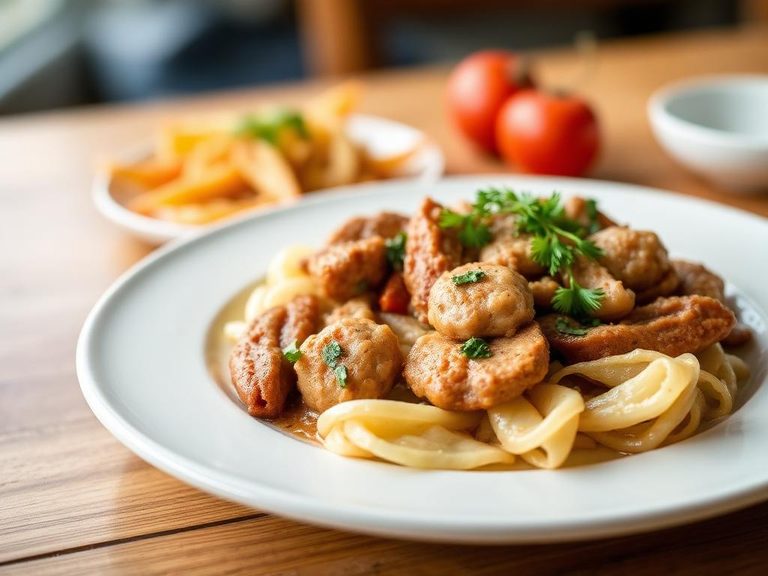
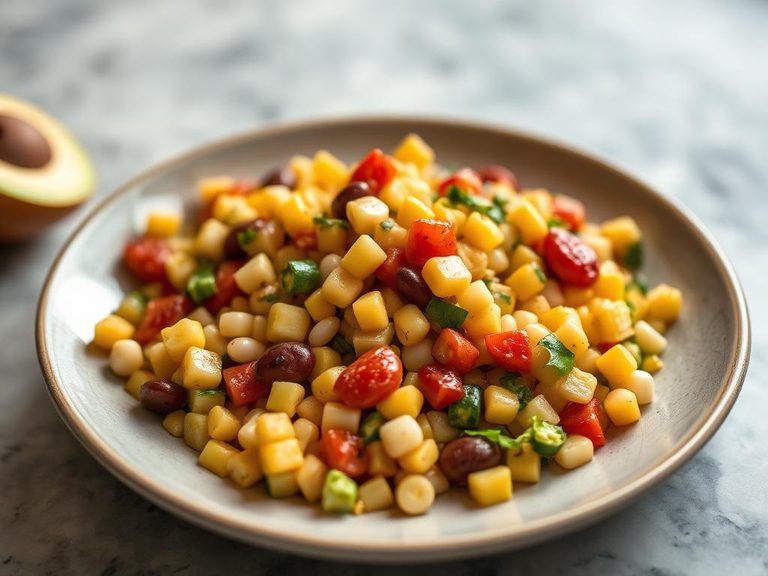
🍽️ Popular dishes
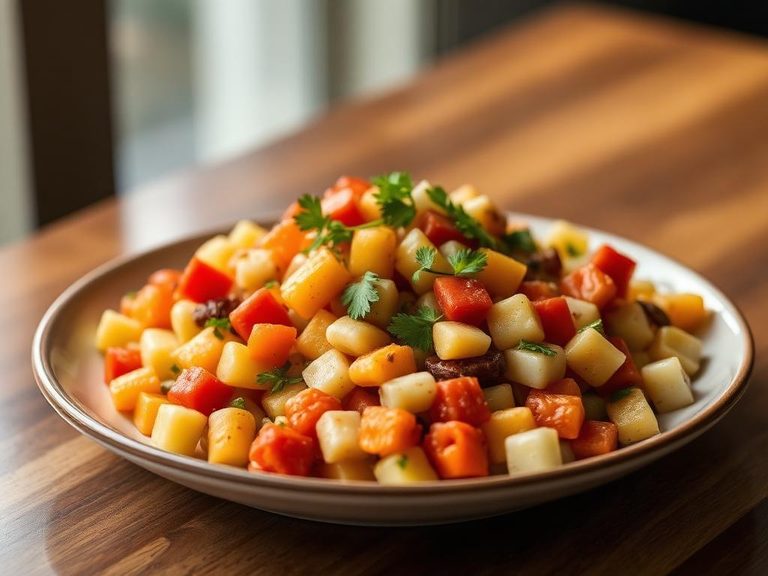
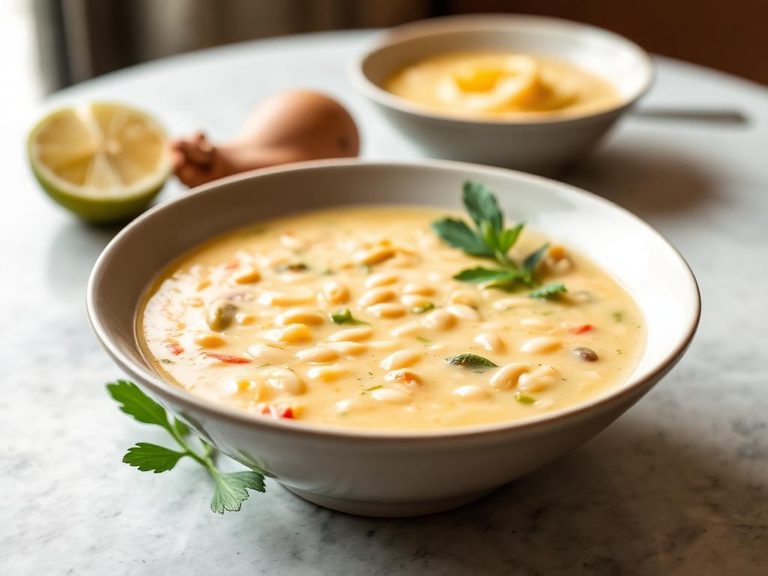
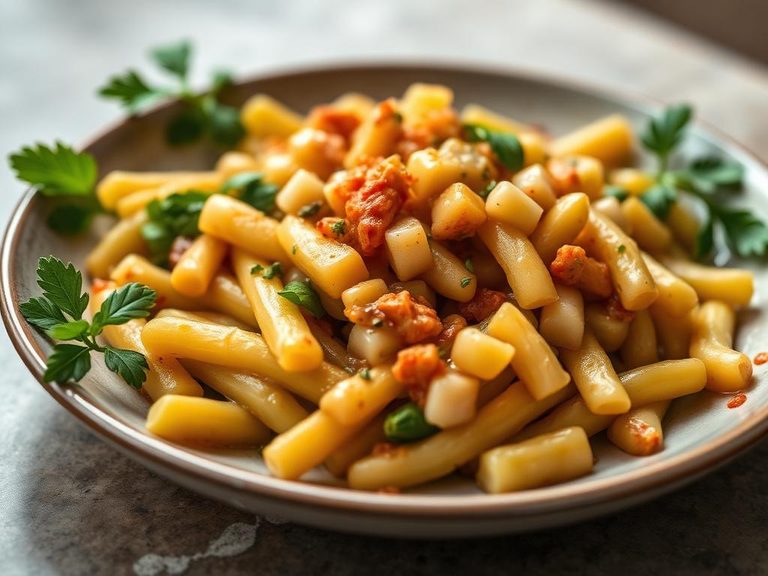
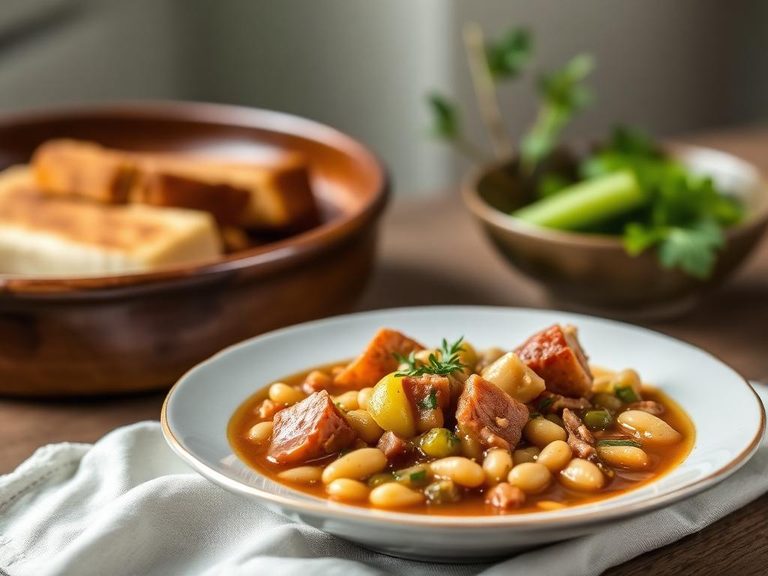
🌍 Where it's eaten
💡 Did you know?
Lima beans were first domesticated in the Andes around 8000 BC and were named after the capital of Peru, Lima, where Spanish explorers first encountered them.
Full nutrition (USDA data · scales with serving)
| Water | 71.0 g |
| Energy | 123 kcal |
| Protein | 5.9 g |
| Total lipid (fat) | 2.9 g |
| Carbohydrate, by difference | 18.7 g |
| Fiber, total dietary | 5.1 g |
| Total Sugars | 1.3 g |
| Calcium, Ca | 29.0 mg |
| Iron, Fe | 1.8 mg |
| Magnesium, Mg | 41.0 mg |
| Phosphorus, P | 94.0 mg |
| Potassium, K | 295 mg |
| Sodium, Na | 188 mg |
| Zinc, Zn | 0.72 mg |
| Copper, Cu | 0.17 mg |
| Selenium, Se | 0.60 ug |
| Vitamin C, total ascorbic acid | 12.4 mg |
| Thiamin | 0.07 mg |
| Riboflavin | 0.06 mg |
| Niacin | 1.0 mg |
| Vitamin B-6 | 0.13 mg |
| Folate, total | 20.0 ug |
| Folic acid | 0.00 ug |
| Folate, food | 20.0 ug |
| Folate, DFE | 20.0 ug |
| Choline, total | 35.4 mg |
| Vitamin B-12 | 0.00 ug |
| Vitamin B-12, added | 0.00 ug |
| Vitamin A, RAE | 21.0 ug |
| Retinol | 11.0 ug |
| Carotene, beta | 115 ug |
| Carotene, alpha | 0.00 ug |
| Cryptoxanthin, beta | 0.00 ug |
| Lycopene | 0.00 ug |
| Lutein + zeaxanthin | 0.00 ug |
| Vitamin E (alpha-tocopherol) | 0.66 mg |
| Vitamin E, added | 0.00 mg |
| Vitamin D (D2 + D3) | 0.00 ug |
| Vitamin K (phylloquinone) | 7.0 ug |
| Alcohol, ethyl | 0.00 g |
| Caffeine | 0.00 mg |
| Theobromine | 0.00 mg |
Fat & fatty acid profile (per 100g)
| Fatty acids, total saturated | 0.74 g |
| SFA 4:0 | 0.02 g |
| SFA 6:0 | 0.01 g |
| SFA 8:0 | 0.01 g |
| SFA 10:0 | 0.02 g |
| SFA 12:0 | 0.02 g |
| SFA 14:0 | 0.07 g |
| SFA 16:0 | 0.43 g |
| SFA 18:0 | 0.14 g |
| Fatty acids, total monounsaturated | 0.92 g |
| MUFA 16:1 | 0.01 g |
| MUFA 18:1 | 0.89 g |
| MUFA 20:1 | 0.01 g |
| MUFA 22:1 | 0.00 g |
| Fatty acids, total polyunsaturated | 0.89 g |
| PUFA 18:2 | 0.76 g |
| PUFA 18:3 | 0.13 g |
| PUFA 18:4 | 0.00 g |
| PUFA 20:4 | 0.00 g |
| PUFA 20:5 n-3 (EPA) | 0.00 g |
| PUFA 22:5 n-3 (DPA) | 0.00 g |
| PUFA 22:6 n-3 (DHA) | 0.00 g |
| Cholesterol | 2.0 mg |
Amino acid profile (per 100g)
Estimated from Lima beans, immature seeds, raw — USDA does not publish this profile for Lima beans.
| Tryptophan | 0.09 g |
| Threonine | 0.29 g |
| Isoleucine | 0.44 g |
| Leucine | 0.54 g |
| Lysine | 0.45 g |
| Methionine | 0.07 g |
| Cystine | 0.08 g |
| Phenylalanine | 0.34 g |
| Tyrosine | 0.22 g |
| Valine | 0.43 g |
| Arginine | 0.46 g |
| Histidine | 0.23 g |
| Alanine | 0.26 g |
| Aspartic acid | 0.73 g |
| Glutamic acid | 0.88 g |
| Glycine | 0.27 g |
| Proline | 0.10 g |
| Serine | 0.43 g |
FAQ
Are lima beans and butter beans the same thing?
Yes, they are the same bean (Phaseolus lunatus). 'Lima bean' is the common name in the US, while 'butter bean' is more common in the UK and some other regions, often referring to the larger, creamier varieties.
Do I need to soak frozen lima beans before cooking?
No, frozen lima beans are pre-blanched and do not require soaking. They can be cooked directly from frozen, which saves time and preserves nutrients.
How can I reduce the gas caused by eating lima beans?
To reduce gas, cook them thoroughly, start with smaller portions, and consider adding digestive herbs like bay leaves or ginger during cooking. Rinsing canned beans (if using) can also help remove some of the gas-causing compounds.
Are lima beans suitable for a low-carb diet?
Lima beans are relatively high in carbohydrates (18.71g per 100g), so they may not be ideal for very strict low-carb diets. However, their high fiber content can help moderate blood sugar response when eaten in controlled portions.
Nutrient density (calculated · NRF9.3)
Nutrient Rich Foods index: beneficial nutrients (protein, fiber, vitamins, minerals) minus saturated fat, added sugar & sodium, per 100 kcal.
NRF9.3 index — Fulgoni, Keast & Drewnowski, 2009. Computed from USDA nutrients.
Weight-loss friendliness (composite index)
Energy density 1.23 kcal/g · 19% calories from protein · 5.1 g fiber · 1.3 g sugar per 100 g.
Composite of energy density (Rolls et al., 1999), protein & fiber satiety, minus sugar. A calculated heuristic — ranks satiety-per-calorie, not a clinical measure.
Dietary load (calculated from USDA values)
Potential renal acid load. Positive = acid-forming, negative = alkaline-forming.
Sodium-to-potassium ratio: 0.64 (lower is better — aim for ≤ 1)
Sodium:potassium per WHO potassium guidance. Computed from USDA nutrients.