

Lettuce, Boston, raw
Common food

Photo: Wikipedia
Boston lettuce, also known as butter lettuce, is a soft, leafy green with a delicate, buttery texture and a mild, slightly sweet flavor. Its tender, cup-shaped leaves are a low-calorie powerhouse, providing a good source of vitamin K and vitamin A with just 18 calories per 100 grams. It serves as a perfect, nutrient-dense base for salads or a gentle wrap for other ingredients.
Calorie split: 20% protein · 74% carbs · 6% fat
↓ Full nutrition💚 Why it's loved
People love Boston lettuce for its tender, melt-in-your-mouth texture and mild, sweet flavor that doesn't overpower other ingredients. It's incredibly versatile, acting as both a salad green and a natural, edible wrap for tacos or appetizers.
⚠️ Watch-outs & how to enjoy it better
Its delicate leaves can wilt quickly and are less sturdy than romaine, making them unsuitable for heavy, crunchy toppings. To preserve its texture, use it in salads just before serving and avoid overdressing, which can make the leaves soggy.
Key benefits
- Excellent source of vitamin K for bone health
- Provides vitamin A for vision and immune function
- Very low in calories and fat
- Contains fiber for digestive health
- High water content aids hydration
🍽️ Popular dishes
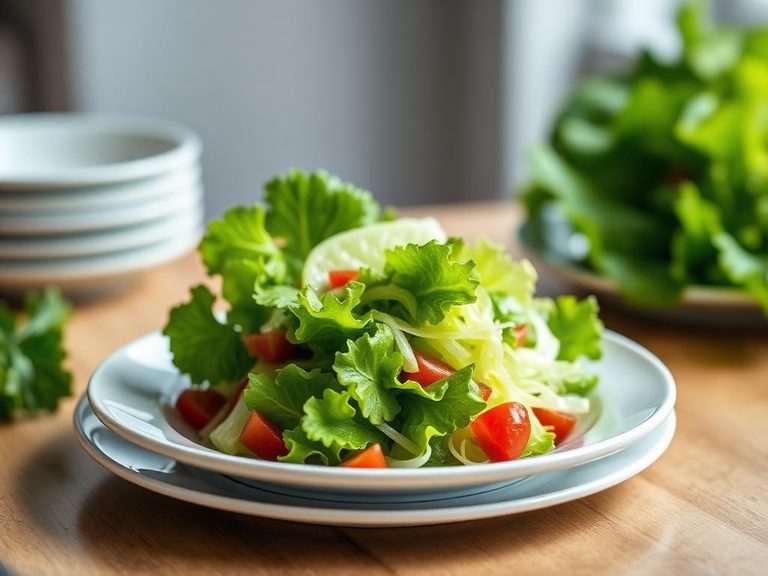
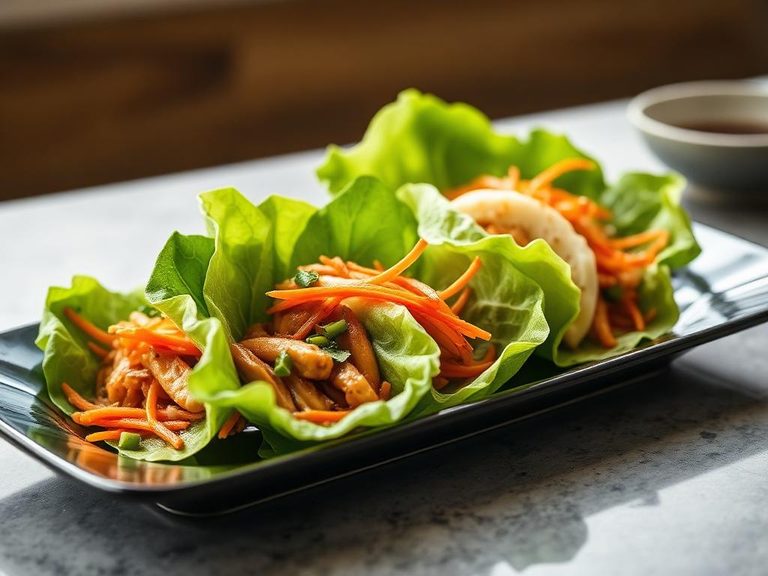
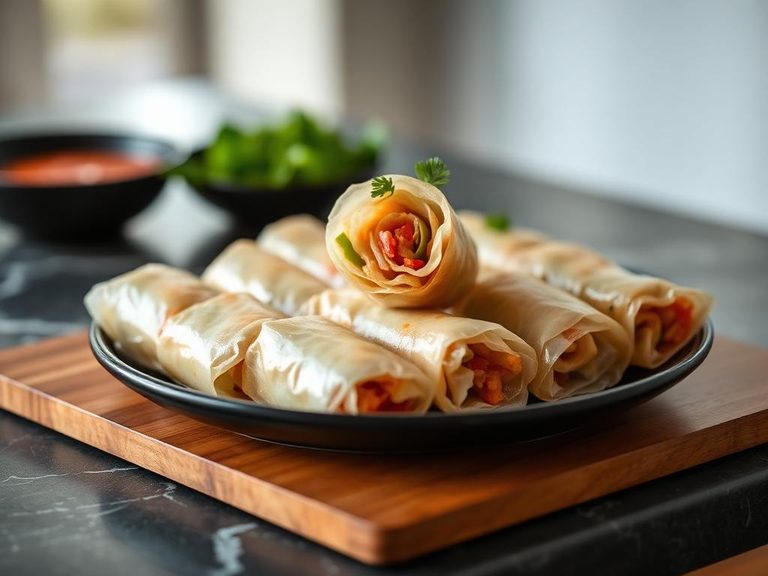
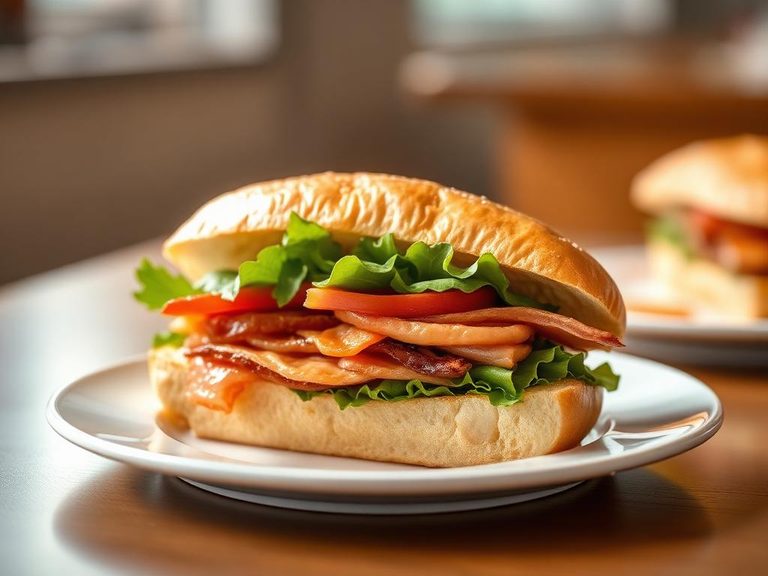
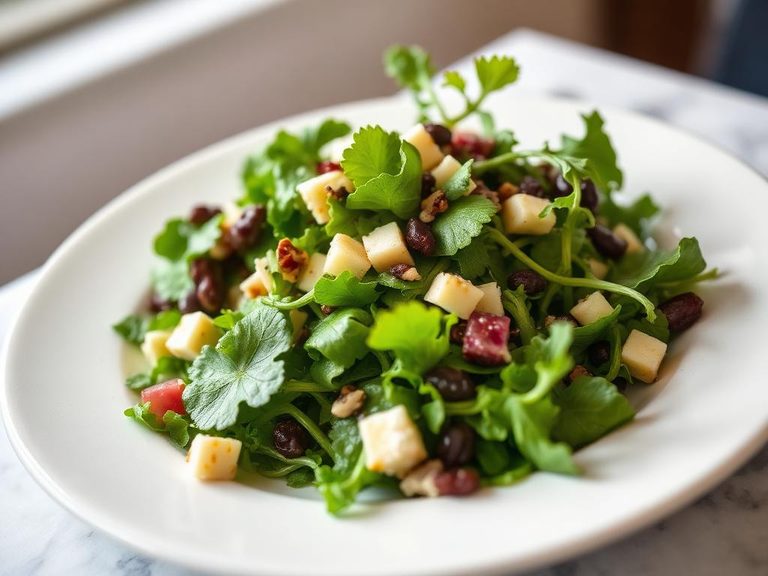
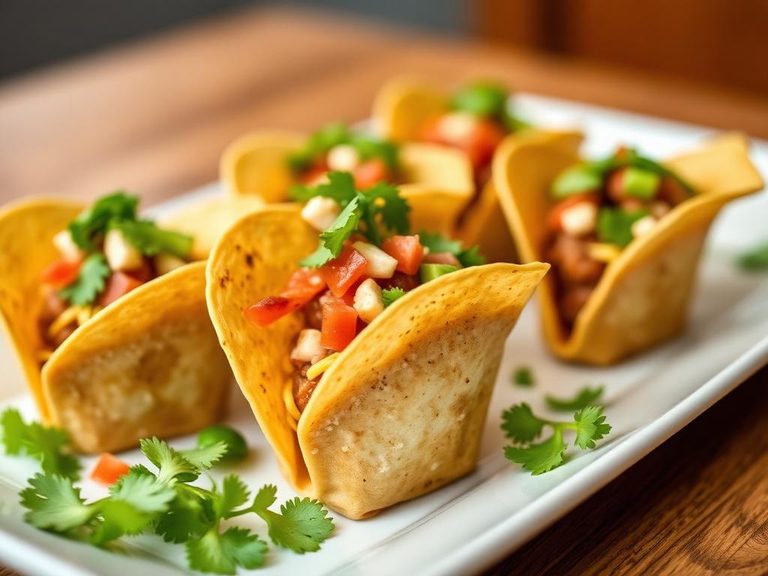
🌍 Where it's eaten
💡 Did you know?
Boston lettuce is a type of butterhead lettuce, named for its soft, buttery leaves, and it's a descendant of the ancient lettuce varieties cultivated by the Egyptians.
Full nutrition (USDA data · scales with serving)
| Water | 95.0 g |
| Energy | 18.0 kcal |
| Protein | 0.88 g |
| Total lipid (fat) | 0.11 g |
| Carbohydrate, by difference | 3.3 g |
| Fiber, total dietary | 0.90 g |
| Total Sugars | 0.48 g |
| Calcium, Ca | 43.0 mg |
| Iron, Fe | 0.40 mg |
| Magnesium, Mg | 12.0 mg |
| Phosphorus, P | 24.0 mg |
| Potassium, K | 321 mg |
| Sodium, Na | 25.0 mg |
| Zinc, Zn | 0.30 mg |
| Copper, Cu | 0.04 mg |
| Selenium, Se | 1.5 ug |
| Vitamin C, total ascorbic acid | 9.3 mg |
| Thiamin | 0.06 mg |
| Riboflavin | 0.08 mg |
| Niacin | 0.33 mg |
| Vitamin B-6 | 0.07 mg |
| Folate, total | 36.0 ug |
| Folic acid | 0.00 ug |
| Folate, food | 36.0 ug |
| Folate, DFE | 36.0 ug |
| Choline, total | 11.8 mg |
| Vitamin B-12 | 0.00 ug |
| Vitamin B-12, added | 0.00 ug |
| Vitamin A, RAE | 375 ug |
| Retinol | 0.00 ug |
| Carotene, beta | 4495 ug |
| Carotene, alpha | 0.00 ug |
| Cryptoxanthin, beta | 0.00 ug |
| Lycopene | 0.00 ug |
| Lutein + zeaxanthin | 1724 ug |
| Vitamin E (alpha-tocopherol) | 0.15 mg |
| Vitamin E, added | 0.00 mg |
| Vitamin D (D2 + D3) | 0.00 ug |
| Vitamin K (phylloquinone) | 73.2 ug |
| Alcohol, ethyl | 0.00 g |
| Caffeine | 0.00 mg |
| Theobromine | 0.00 mg |
Fat & fatty acid profile (per 100g)
| Fatty acids, total saturated | 0.03 g |
| SFA 4:0 | 0.00 g |
| SFA 6:0 | 0.00 g |
| SFA 8:0 | 0.00 g |
| SFA 10:0 | 0.00 g |
| SFA 12:0 | 0.00 g |
| SFA 14:0 | 0.00 g |
| SFA 16:0 | 0.03 g |
| SFA 18:0 | 0.00 g |
| Fatty acids, total monounsaturated | 0.01 g |
| MUFA 16:1 | 0.00 g |
| MUFA 18:1 | 0.01 g |
| MUFA 20:1 | 0.00 g |
| MUFA 22:1 | 0.00 g |
| Fatty acids, total polyunsaturated | 0.12 g |
| PUFA 18:2 | 0.03 g |
| PUFA 18:3 | 0.08 g |
| PUFA 18:4 | 0.00 g |
| PUFA 20:4 | 0.00 g |
| PUFA 20:5 n-3 (EPA) | 0.00 g |
| PUFA 22:5 n-3 (DPA) | 0.00 g |
| PUFA 22:6 n-3 (DHA) | 0.00 g |
| Cholesterol | 0.00 mg |
Amino acid profile (per 100g)
Estimated from TACO BELL, Soft Taco with beef, cheese and lettuce — USDA does not publish this profile for Lettuce.
| Tryptophan | 0.10 g |
| Threonine | 0.37 g |
| Isoleucine | 0.38 g |
| Leucine | 0.72 g |
| Lysine | 0.62 g |
| Methionine | 0.20 g |
| Cystine | 0.12 g |
| Phenylalanine | 0.42 g |
| Tyrosine | 0.30 g |
| Valine | 0.45 g |
| Arginine | 0.49 g |
| Histidine | 0.26 g |
| Alanine | 0.46 g |
| Aspartic acid | 0.77 g |
| Glutamic acid | 2.1 g |
| Glycine | 0.52 g |
| Proline | 0.72 g |
| Serine | 0.45 g |
FAQ
What is the difference between Boston and butter lettuce?
Boston lettuce and butter lettuce are often used interchangeably; both refer to varieties of butterhead lettuce with soft, rounded leaves and a mild flavor.
How do I store Boston lettuce?
Store it in the refrigerator in a plastic bag with a paper towel to absorb excess moisture, which helps prevent wilting and sliminess.
Is Boston lettuce good for wraps?
Yes, its soft, pliable leaves make it an excellent low-carb alternative to tortillas for wraps, especially for appetizers or light meals.
Can I cook Boston lettuce?
While typically eaten raw, Boston lettuce can be lightly sautéed or added to soups, but its delicate texture is best enjoyed fresh.
Nutrient density (calculated · NRF9.3)
Nutrient Rich Foods index: beneficial nutrients (protein, fiber, vitamins, minerals) minus saturated fat, added sugar & sodium, per 100 kcal.
NRF9.3 index — Fulgoni, Keast & Drewnowski, 2009. Computed from USDA nutrients.
Weight-loss friendliness (composite index)
Energy density 0.18 kcal/g · 20% calories from protein · 0.9 g fiber · 0.5 g sugar per 100 g.
Composite of energy density (Rolls et al., 1999), protein & fiber satiety, minus sugar. A calculated heuristic — ranks satiety-per-calorie, not a clinical measure.
Dietary load (calculated from USDA values)
Potential renal acid load. Positive = acid-forming, negative = alkaline-forming.
Sodium-to-potassium ratio: 0.08 (lower is better — aim for ≤ 1)
Sodium:potassium per WHO potassium guidance. Computed from USDA nutrients.