

Lentils, from dried, fat added
Common food

Photo: Wikipedia
Lentils, when cooked from their dried state with a bit of added fat, transform into tender, earthy legumes with a subtle, nutty flavor and a texture that ranges from pleasantly firm to creamy, depending on the variety. They are a nutritional powerhouse, offering a robust 8.38 grams of plant-based protein and 7.3 grams of fiber per 100g serving, all for just 166 calories. The added fat enhances their satiety and helps the body absorb fat-soluble vitamins.
Calorie split: 20% protein · 44% carbs · 36% fat
↓ Full nutrition💚 Why it's loved
People love lentils for their incredible versatility and ability to absorb flavors from spices and broths, making them a comforting staple in countless cuisines. They are a beloved, affordable, and quick-cooking (compared to other dried beans) protein source for hearty soups, stews, and salads.
⚠️ Watch-outs & how to enjoy it better
Some may experience digestive discomfort or gas due to their high fiber and oligosaccharide content. To counteract this, start with smaller portions, ensure they are thoroughly cooked, and consider rinsing them well before cooking. Individuals on blood-thinning medication should be mindful of their consistent vitamin K content.
Key benefits
- Excellent source of plant-based protein for muscle maintenance.
- High in dietary fiber, promoting digestive health and fullness.
- Rich in iron, essential for oxygen transport in the blood.
- Contains folate, crucial for cell function and tissue growth.
- Low glycemic index, providing sustained energy.
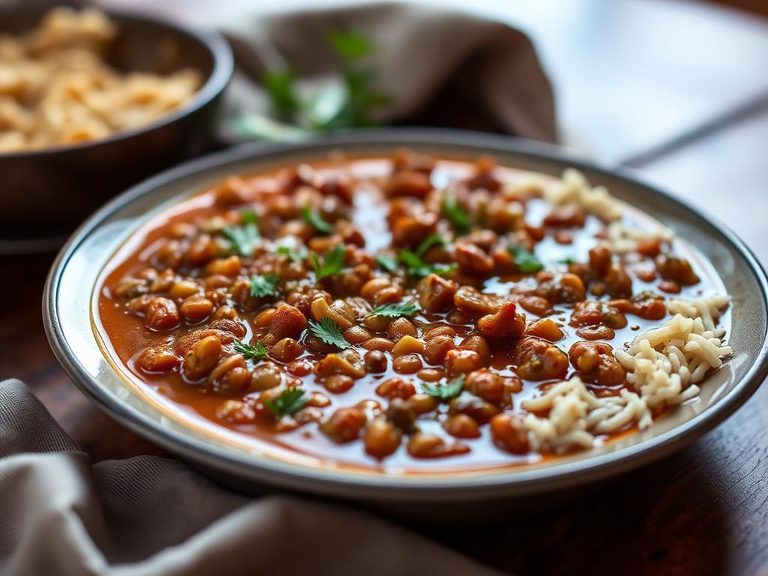
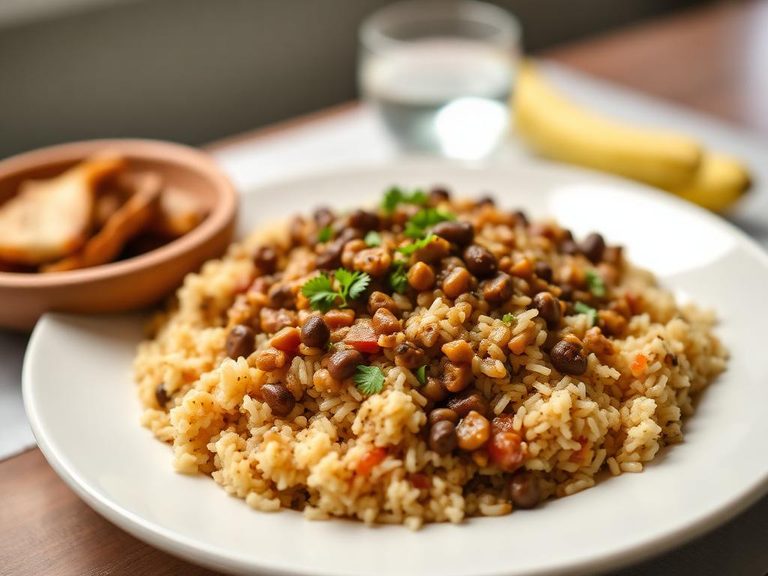
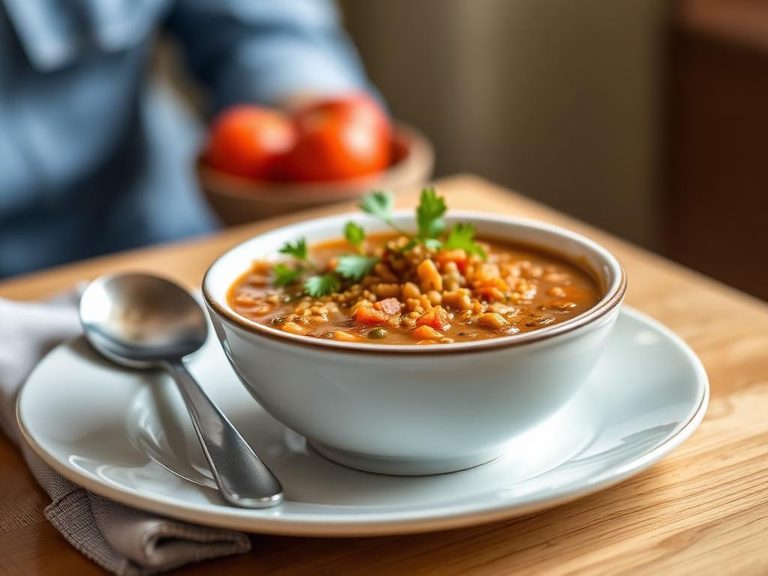
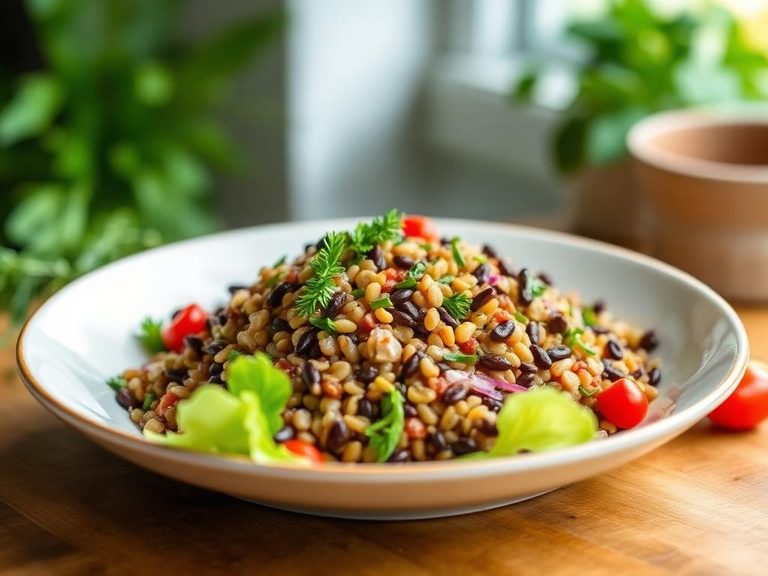
🍽️ Popular dishes
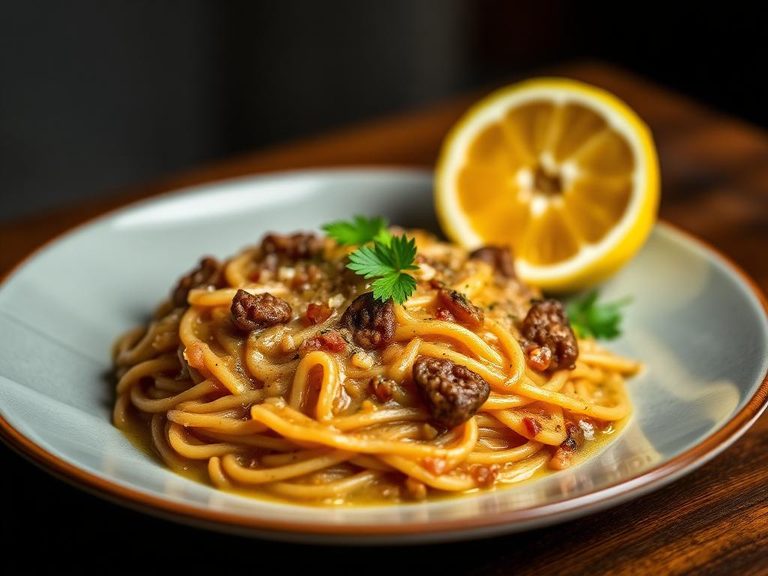
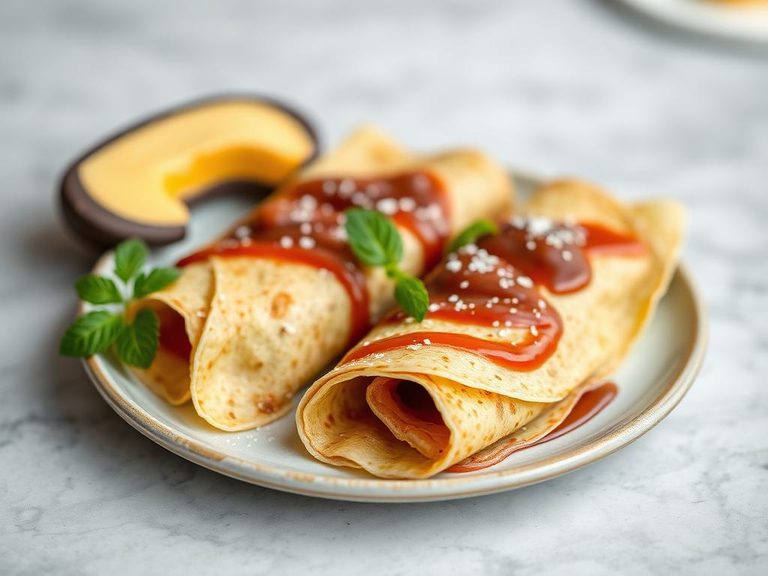
🌍 Where it's eaten
💡 Did you know?
The ancient Roman legume lens, from which we get both the name 'lentil' and the optical 'lens', was so associated with poverty that Emperor Aurelian banned the distribution of lentils in Rome to prevent the city from being overrun by the poor.
Full nutrition (USDA data · scales with serving)
| Water | 64.7 g |
| Energy | 166 kcal |
| Protein | 8.4 g |
| Total lipid (fat) | 6.9 g |
| Carbohydrate, by difference | 18.7 g |
| Fiber, total dietary | 7.3 g |
| Total Sugars | 1.7 g |
| Calcium, Ca | 18.0 mg |
| Iron, Fe | 3.1 mg |
| Magnesium, Mg | 33.0 mg |
| Phosphorus, P | 167 mg |
| Potassium, K | 343 mg |
| Sodium, Na | 218 mg |
| Zinc, Zn | 1.2 mg |
| Copper, Cu | 0.23 mg |
| Selenium, Se | 2.6 ug |
| Vitamin C, total ascorbic acid | 1.3 mg |
| Thiamin | 0.15 mg |
| Riboflavin | 0.06 mg |
| Niacin | 0.94 mg |
| Vitamin B-6 | 0.16 mg |
| Folate, total | 160 ug |
| Folic acid | 0.00 ug |
| Folate, food | 160 ug |
| Folate, DFE | 160 ug |
| Choline, total | 30.4 mg |
| Vitamin B-12 | 0.00 ug |
| Vitamin B-12, added | 0.00 ug |
| Vitamin A, RAE | 0.00 ug |
| Retinol | 0.00 ug |
| Carotene, beta | 5.0 ug |
| Carotene, alpha | 0.00 ug |
| Cryptoxanthin, beta | 0.00 ug |
| Lycopene | 0.00 ug |
| Lutein + zeaxanthin | 0.00 ug |
| Vitamin E (alpha-tocopherol) | 1.3 mg |
| Vitamin E, added | 0.00 mg |
| Vitamin D (D2 + D3) | 0.00 ug |
| Vitamin K (phylloquinone) | 8.1 ug |
| Alcohol, ethyl | 0.00 g |
| Caffeine | 0.00 mg |
| Theobromine | 0.00 mg |
Fat & fatty acid profile (per 100g)
| Fatty acids, total saturated | 0.92 g |
| SFA 4:0 | 0.00 g |
| SFA 6:0 | 0.00 g |
| SFA 8:0 | 0.00 g |
| SFA 10:0 | 0.00 g |
| SFA 12:0 | 0.00 g |
| SFA 14:0 | 0.00 g |
| SFA 16:0 | 0.67 g |
| SFA 18:0 | 0.19 g |
| Fatty acids, total monounsaturated | 2.8 g |
| MUFA 16:1 | 0.02 g |
| MUFA 18:1 | 2.7 g |
| MUFA 20:1 | 0.05 g |
| MUFA 22:1 | 0.00 g |
| Fatty acids, total polyunsaturated | 2.7 g |
| PUFA 18:2 | 2.3 g |
| PUFA 18:3 | 0.32 g |
| PUFA 18:4 | 0.00 g |
| PUFA 20:4 | 0.00 g |
| PUFA 20:5 n-3 (EPA) | 0.00 g |
| PUFA 22:5 n-3 (DPA) | 0.00 g |
| PUFA 22:6 n-3 (DHA) | 0.00 g |
| Cholesterol | 0.00 mg |
Amino acid profile (per 100g)
Estimated from Lentils, sprouted, raw — USDA does not publish this profile for Lentils.
| Threonine | 0.33 g |
| Isoleucine | 0.33 g |
| Leucine | 0.63 g |
| Lysine | 0.71 g |
| Methionine | 0.10 g |
| Cystine | 0.33 g |
| Phenylalanine | 0.44 g |
| Tyrosine | 0.25 g |
| Valine | 0.40 g |
| Arginine | 0.61 g |
| Histidine | 0.26 g |
| Alanine | 0.36 g |
| Aspartic acid | 1.4 g |
| Glutamic acid | 1.3 g |
| Glycine | 0.32 g |
| Proline | 0.36 g |
| Serine | 0.49 g |
FAQ
Do I need to soak dried lentils before cooking?
No, lentils do not require soaking like larger beans. Simply rinse them well, pick out any debris, and simmer in liquid until tender, typically 15-25 minutes.
What's the difference between green, brown, red, and black lentils?
Green and brown lentils hold their shape well, ideal for salads and side dishes. Red and yellow lentils are split and cook down quickly into a creamy puree, perfect for soups and dals. Black (beluga) lentils are small, firm, and have a rich flavor.
Why are my lentils still hard after cooking?
Lentils from older harvests or stored for a long time can take longer to soften. Adding an acidic ingredient like tomatoes or vinegar too early can also toughen the skins. Ensure they are simmered gently in enough liquid until fully tender.
Nutrient density (calculated · NRF9.3)
Nutrient Rich Foods index: beneficial nutrients (protein, fiber, vitamins, minerals) minus saturated fat, added sugar & sodium, per 100 kcal.
NRF9.3 index — Fulgoni, Keast & Drewnowski, 2009. Computed from USDA nutrients.
Weight-loss friendliness (composite index)
Energy density 1.66 kcal/g · 20% calories from protein · 7.3 g fiber · 1.7 g sugar per 100 g.
Composite of energy density (Rolls et al., 1999), protein & fiber satiety, minus sugar. A calculated heuristic — ranks satiety-per-calorie, not a clinical measure.
Dietary load (calculated from USDA values)
Potential renal acid load. Positive = acid-forming, negative = alkaline-forming.
Sodium-to-potassium ratio: 0.64 (lower is better — aim for ≤ 1)
Sodium:potassium per WHO potassium guidance. Computed from USDA nutrients.