

Lemon juice, 100%, freshly squeezed
Common food

Photo: Wikipedia
Lemon juice is the bright, tart liquid extracted from fresh lemons, prized for its intense acidity and clean, zesty flavor. It is extremely low in calories, with virtually no fat or protein, but provides a modest amount of natural sugars and carbohydrates. Its primary nutritional highlight is its high concentration of vitamin C, a powerful antioxidant essential for immune function and skin health.
Calorie split: 4% protein · 89% carbs · 7% fat
↓ Full nutrition💚 Why it's loved
People love lemon juice for its vibrant, mouth-puckering acidity that brightens and balances flavors in both sweet and savory dishes. Its versatility is unmatched, serving as a key ingredient in everything from salad dressings and marinades to cocktails and baked goods, while also holding cultural significance in cuisines worldwide.
⚠️ Watch-outs & how to enjoy it better
The high acidity can erode tooth enamel over time, so it's wise to drink it through a straw and rinse your mouth with water afterward. For those with acid reflux or sensitive stomachs, it may trigger discomfort, so consuming it in moderation or with a meal is recommended.
Key benefits
- Rich in vitamin C, supporting immune health and collagen production
- May aid digestion and help prevent kidney stones due to citric acid content
- Contains antioxidants like flavonoids that combat oxidative stress
- Low in calories and sugar, making it a healthy flavor enhancer
- May help with iron absorption when paired with plant-based foods
🍽️ Popular dishes


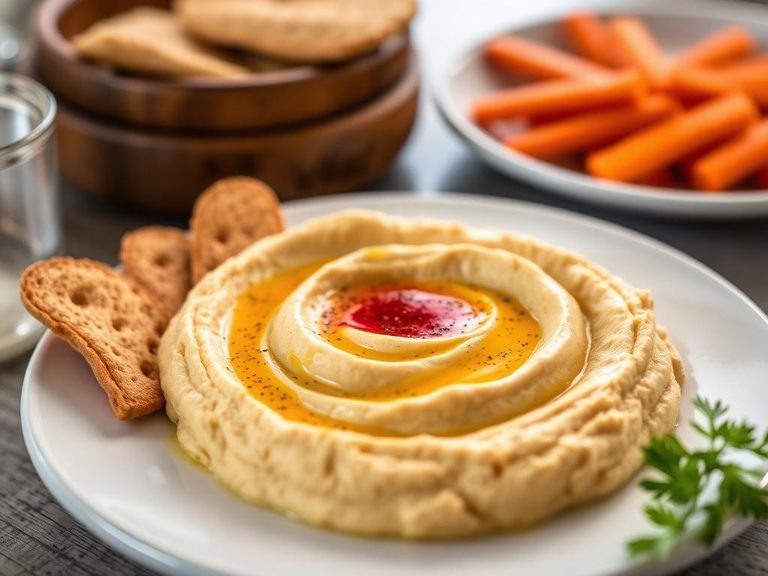
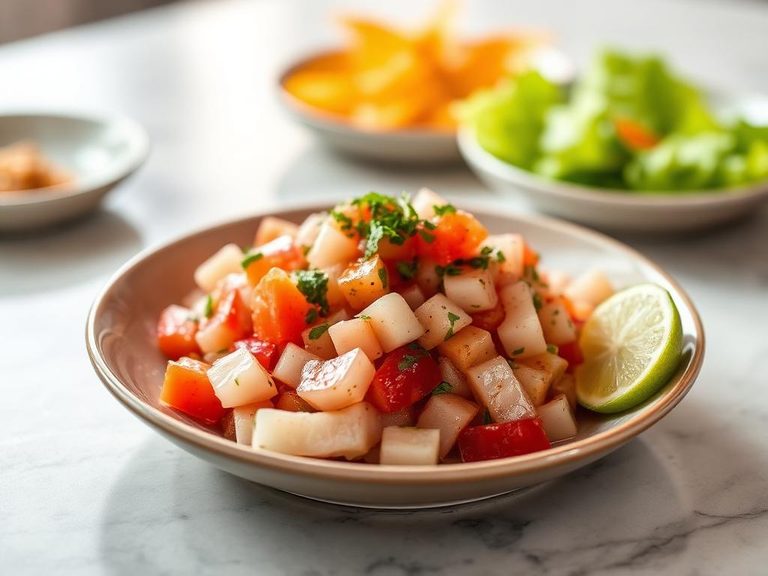
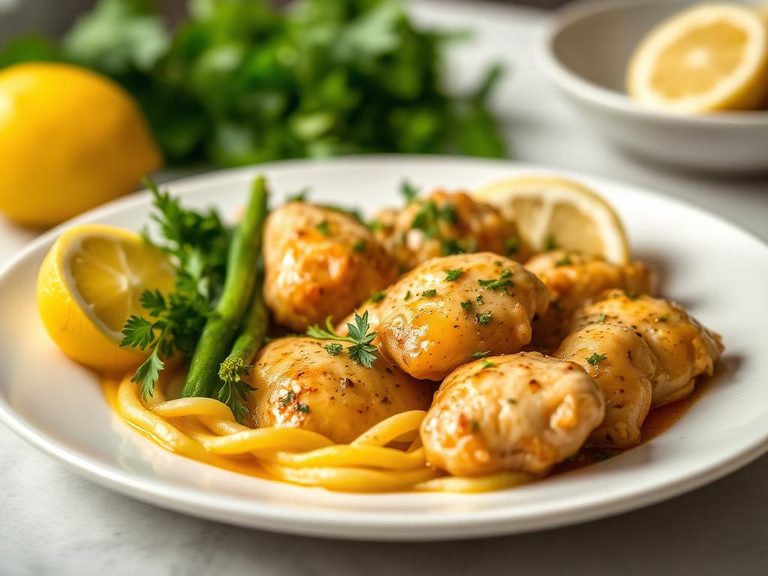

🌍 Where it's eaten
💡 Did you know?
A single lemon tree can produce between 500 and 600 pounds of lemons per year, and the juice's acidity is so strong it can dissolve certain metals like iron.
Full nutrition (USDA data · scales with serving)
| Water | 92.3 g |
| Energy | 22.0 kcal |
| Protein | 0.35 g |
| Total lipid (fat) | 0.24 g |
| Carbohydrate, by difference | 6.9 g |
| Fiber, total dietary | 0.30 g |
| Total Sugars | 2.5 g |
| Calcium, Ca | 6.0 mg |
| Iron, Fe | 0.08 mg |
| Magnesium, Mg | 6.0 mg |
| Phosphorus, P | 8.0 mg |
| Potassium, K | 103 mg |
| Sodium, Na | 1.0 mg |
| Zinc, Zn | 0.05 mg |
| Copper, Cu | 0.02 mg |
| Selenium, Se | 0.10 ug |
| Vitamin C, total ascorbic acid | 38.7 mg |
| Thiamin | 0.02 mg |
| Riboflavin | 0.01 mg |
| Niacin | 0.09 mg |
| Vitamin B-6 | 0.05 mg |
| Folate, total | 20.0 ug |
| Folic acid | 0.00 ug |
| Folate, food | 20.0 ug |
| Folate, DFE | 20.0 ug |
| Choline, total | 5.1 mg |
| Vitamin B-12 | 0.00 ug |
| Vitamin B-12, added | 0.00 ug |
| Vitamin A, RAE | 0.00 ug |
| Retinol | 0.00 ug |
| Carotene, beta | 1.0 ug |
| Carotene, alpha | 0.00 ug |
| Cryptoxanthin, beta | 4.0 ug |
| Lycopene | 0.00 ug |
| Lutein + zeaxanthin | 15.0 ug |
| Vitamin E (alpha-tocopherol) | 0.15 mg |
| Vitamin E, added | 0.00 mg |
| Vitamin D (D2 + D3) | 0.00 ug |
| Vitamin K (phylloquinone) | 0.00 ug |
| Alcohol, ethyl | 0.00 g |
| Caffeine | 0.00 mg |
| Theobromine | 0.00 mg |
Fat & fatty acid profile (per 100g)
| Fatty acids, total saturated | 0.04 g |
| SFA 4:0 | 0.00 g |
| SFA 6:0 | 0.00 g |
| SFA 8:0 | 0.00 g |
| SFA 10:0 | 0.02 g |
| SFA 12:0 | 0.00 g |
| SFA 14:0 | 0.00 g |
| SFA 16:0 | 0.01 g |
| SFA 18:0 | 0.00 g |
| Fatty acids, total monounsaturated | 0.01 g |
| MUFA 16:1 | 0.00 g |
| MUFA 18:1 | 0.00 g |
| MUFA 20:1 | 0.00 g |
| MUFA 22:1 | 0.00 g |
| Fatty acids, total polyunsaturated | 0.02 g |
| PUFA 18:2 | 0.01 g |
| PUFA 18:3 | 0.01 g |
| PUFA 18:4 | 0.00 g |
| PUFA 20:4 | 0.00 g |
| PUFA 20:5 n-3 (EPA) | 0.00 g |
| PUFA 22:5 n-3 (DPA) | 0.00 g |
| PUFA 22:6 n-3 (DHA) | 0.00 g |
| Cholesterol | 0.00 mg |
Amino acid profile (per 100g)
Estimated from Cookies, ladyfingers, without lemon juice and rind — USDA does not publish this profile for Lemon juice.
| Tryptophan | 0.13 g |
| Threonine | 0.47 g |
| Isoleucine | 0.52 g |
| Leucine | 0.86 g |
| Lysine | 0.68 g |
| Methionine | 0.27 g |
| Cystine | 0.22 g |
| Phenylalanine | 0.51 g |
| Tyrosine | 0.41 g |
| Valine | 0.58 g |
| Arginine | 0.61 g |
| Histidine | 0.25 g |
| Alanine | 0.50 g |
| Aspartic acid | 0.89 g |
| Glutamic acid | 1.9 g |
| Glycine | 0.35 g |
| Proline | 0.63 g |
| Serine | 0.76 g |
FAQ
Is lemon juice acidic or alkaline in the body?
While lemon juice is acidic in its natural state (pH around 2), it is metabolized by the body and has an alkalizing effect on the body's pH balance.
How does lemon juice affect blood sugar?
Lemon juice has a very low glycemic index and contains minimal sugar, so it does not cause significant blood sugar spikes when consumed in typical amounts.
Can I use bottled lemon juice instead of fresh?
Freshly squeezed lemon juice has a brighter, more complex flavor and higher vitamin C content than most bottled versions, which may contain preservatives and have a more muted taste.
Nutrient density (calculated · NRF9.3)
Nutrient Rich Foods index: beneficial nutrients (protein, fiber, vitamins, minerals) minus saturated fat, added sugar & sodium, per 100 kcal.
NRF9.3 index — Fulgoni, Keast & Drewnowski, 2009. Computed from USDA nutrients.
Weight-loss friendliness (composite index)
Energy density 0.22 kcal/g · 6% calories from protein · 0.3 g fiber · 2.5 g sugar per 100 g.
Composite of energy density (Rolls et al., 1999), protein & fiber satiety, minus sugar. A calculated heuristic — ranks satiety-per-calorie, not a clinical measure.
Dietary load (calculated from USDA values)
Potential renal acid load. Positive = acid-forming, negative = alkaline-forming.
Sodium-to-potassium ratio: 0.01 (lower is better — aim for ≤ 1)
Sodium:potassium per WHO potassium guidance. Computed from USDA nutrients.