

Kidney beans, from canned, reduced sodium
Common food

Photo: Wikipedia
These are pre-cooked kidney beans from a can, with a firmer, slightly mealy texture than their dried counterparts and a mild, earthy flavor. They are a nutritional powerhouse, offering a balanced profile of protein, complex carbohydrates, and significant dietary fiber in every serving. The reduced-sodium preparation makes them a heart-healthier convenience staple.
Calorie split: 18% protein · 50% carbs · 32% fat
↓ Full nutrition💚 Why it's loved
People love them for their incredible versatility and ability to absorb flavors in stews, chilis, and salads. They are a beloved, hearty staple in countless cuisines, providing satisfying texture and nutrition at an affordable price.
⚠️ Watch-outs & how to enjoy it better
The reduced-sodium can still contain more sodium than home-cooked beans, and the high fiber content may cause digestive discomfort for some. To counteract this, rinse them thoroughly under water to further reduce sodium, and introduce them gradually into your diet to allow your system to adjust.
Key benefits
- Excellent source of plant-based protein and dietary fiber
- Rich in iron, folate, and magnesium
- Low glycemic index helps stabilize blood sugar
- Reduced sodium content supports heart health
- Convenient, pre-cooked base for quick meals
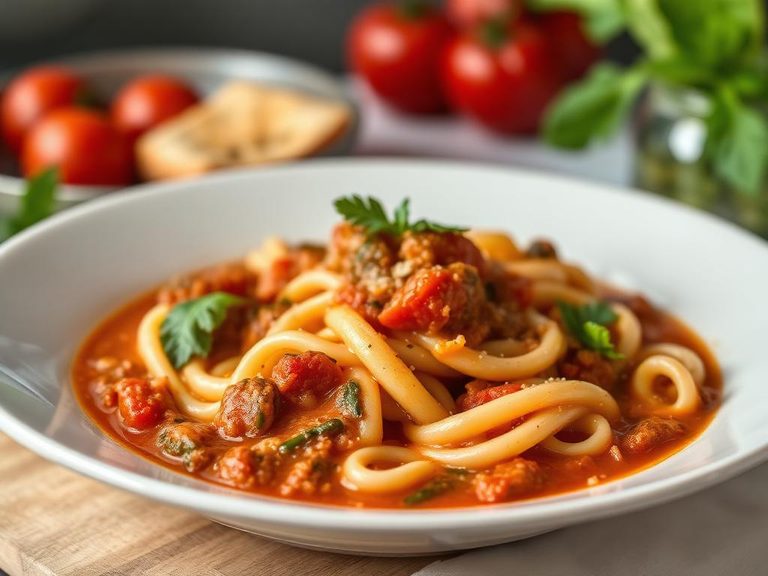
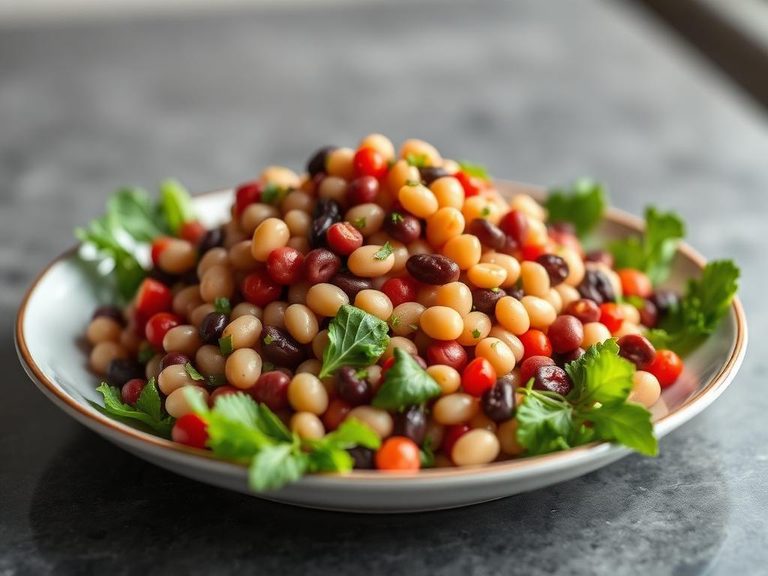
🍽️ Popular dishes
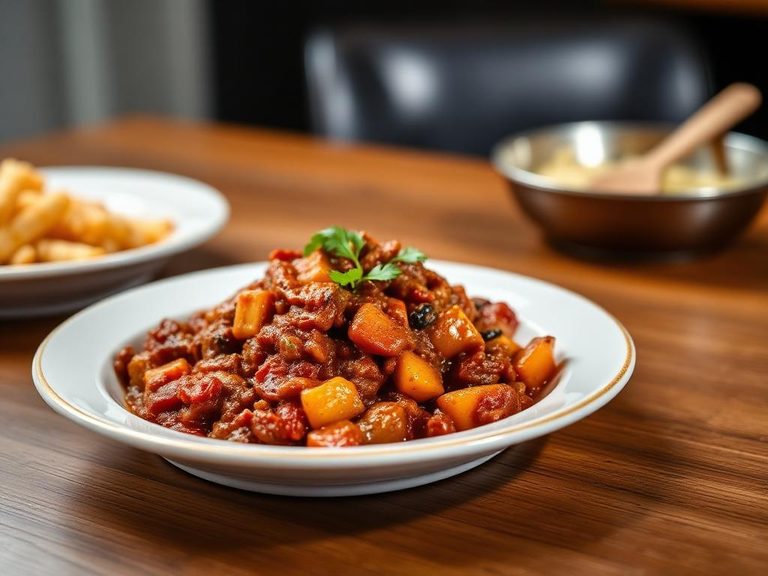
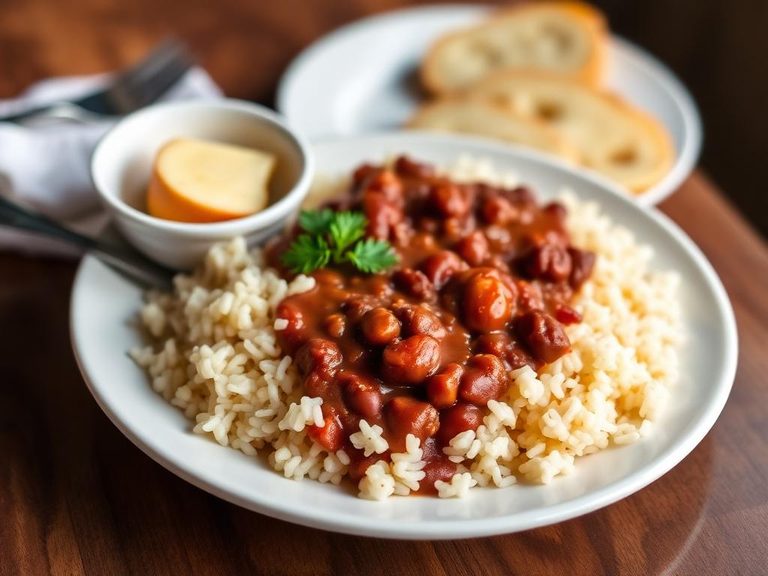
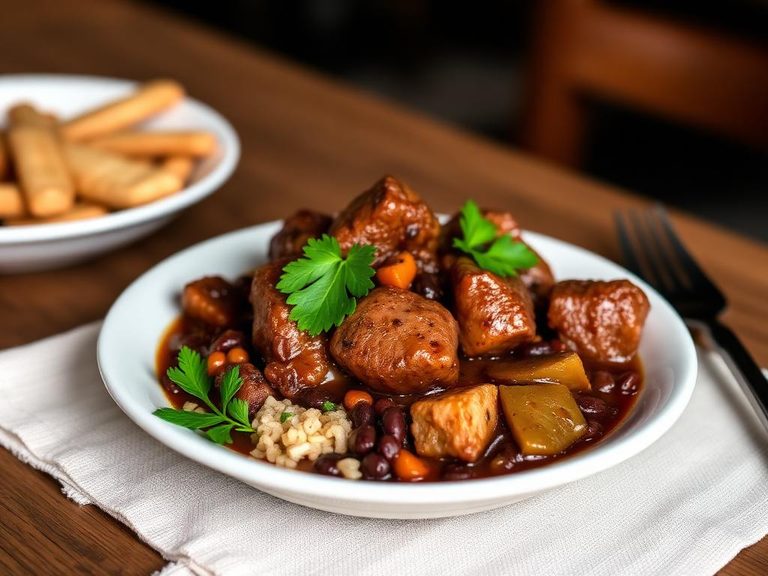
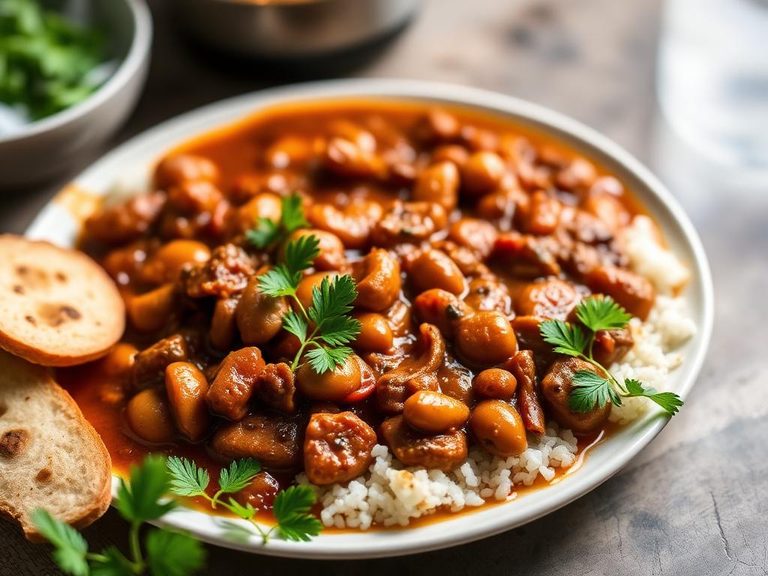
🌍 Where it's eaten
💡 Did you know?
The name 'kidney bean' comes directly from their visual resemblance to a human kidney, both in shape and deep red color.
Full nutrition (USDA data · scales with serving)
| Water | 58.4 g |
| Energy | 186 kcal |
| Protein | 8.4 g |
| Total lipid (fat) | 6.8 g |
| Carbohydrate, by difference | 23.8 g |
| Fiber, total dietary | 8.5 g |
| Total Sugars | 3.0 g |
| Calcium, Ca | 47.0 mg |
| Iron, Fe | 2.0 mg |
| Magnesium, Mg | 48.0 mg |
| Phosphorus, P | 170 mg |
| Potassium, K | 417 mg |
| Sodium, Na | 188 mg |
| Zinc, Zn | 1.0 mg |
| Copper, Cu | 0.24 mg |
| Selenium, Se | 1.8 ug |
| Vitamin C, total ascorbic acid | 1.2 mg |
| Thiamin | 0.16 mg |
| Riboflavin | 0.10 mg |
| Niacin | 0.75 mg |
| Vitamin B-6 | 0.12 mg |
| Folate, total | 40.0 ug |
| Folic acid | 0.00 ug |
| Folate, food | 40.0 ug |
| Folate, DFE | 40.0 ug |
| Choline, total | 48.9 mg |
| Vitamin B-12 | 0.00 ug |
| Vitamin B-12, added | 0.00 ug |
| Vitamin A, RAE | 0.00 ug |
| Retinol | 0.00 ug |
| Carotene, beta | 0.00 ug |
| Carotene, alpha | 0.00 ug |
| Cryptoxanthin, beta | 0.00 ug |
| Lycopene | 0.00 ug |
| Lutein + zeaxanthin | 0.00 ug |
| Vitamin E (alpha-tocopherol) | 1.2 mg |
| Vitamin E, added | 0.00 mg |
| Vitamin D (D2 + D3) | 0.00 ug |
| Vitamin K (phylloquinone) | 12.8 ug |
| Alcohol, ethyl | 0.00 g |
| Caffeine | 0.00 mg |
| Theobromine | 0.00 mg |
Fat & fatty acid profile (per 100g)
| Fatty acids, total saturated | 1.0 g |
| SFA 4:0 | 0.00 g |
| SFA 6:0 | 0.00 g |
| SFA 8:0 | 0.00 g |
| SFA 10:0 | 0.00 g |
| SFA 12:0 | 0.00 g |
| SFA 14:0 | 0.01 g |
| SFA 16:0 | 0.73 g |
| SFA 18:0 | 0.24 g |
| Fatty acids, total monounsaturated | 2.9 g |
| MUFA 16:1 | 0.04 g |
| MUFA 18:1 | 2.6 g |
| MUFA 20:1 | 0.04 g |
| MUFA 22:1 | 0.00 g |
| Fatty acids, total polyunsaturated | 2.7 g |
| PUFA 18:2 | 2.3 g |
| PUFA 18:3 | 0.35 g |
| PUFA 18:4 | 0.00 g |
| PUFA 20:4 | 0.00 g |
| PUFA 20:5 n-3 (EPA) | 0.00 g |
| PUFA 22:5 n-3 (DPA) | 0.00 g |
| PUFA 22:6 n-3 (DHA) | 0.00 g |
| Cholesterol | 0.00 mg |
Amino acid profile (per 100g)
Estimated from Beans, kidney, mature seeds, sprouted, cooked, boiled, drained, without salt — USDA does not publish this profile for Kidney beans.
| Tryptophan | 0.05 g |
| Threonine | 0.20 g |
| Isoleucine | 0.21 g |
| Leucine | 0.35 g |
| Lysine | 0.28 g |
| Methionine | 0.05 g |
| Cystine | 0.06 g |
| Phenylalanine | 0.24 g |
| Tyrosine | 0.17 g |
| Valine | 0.25 g |
| Arginine | 0.26 g |
| Histidine | 0.14 g |
| Alanine | 0.20 g |
| Aspartic acid | 0.63 g |
| Glutamic acid | 0.59 g |
| Glycine | 0.17 g |
| Proline | 0.20 g |
| Serine | 0.26 g |
FAQ
Do I need to cook canned kidney beans before eating?
No, they are fully cooked and safe to eat straight from the can. However, most people prefer to rinse them and then heat them to improve texture and flavor.
How can I reduce the sodium further?
Simply place the beans in a colander and rinse them under cool running water for about a minute. This simple step can reduce sodium content by up to 40%.
What's the difference between light and dark red kidney beans?
The dark red variety is larger, has a tougher skin, and holds its shape better in long-cooking dishes like chili. The light red bean is slightly smaller, softer, and more common in salads and lighter dishes.
Nutrient density (calculated · NRF9.3)
Nutrient Rich Foods index: beneficial nutrients (protein, fiber, vitamins, minerals) minus saturated fat, added sugar & sodium, per 100 kcal.
NRF9.3 index — Fulgoni, Keast & Drewnowski, 2009. Computed from USDA nutrients.
Weight-loss friendliness (composite index)
Energy density 1.86 kcal/g · 18% calories from protein · 8.5 g fiber · 3.0 g sugar per 100 g.
Composite of energy density (Rolls et al., 1999), protein & fiber satiety, minus sugar. A calculated heuristic — ranks satiety-per-calorie, not a clinical measure.
Dietary load (calculated from USDA values)
Potential renal acid load. Positive = acid-forming, negative = alkaline-forming.
Sodium-to-potassium ratio: 0.45 (lower is better — aim for ≤ 1)
Sodium:potassium per WHO potassium guidance. Computed from USDA nutrients.