

Beans, kidney, light red, canned, sodium added, sugar added, drained and rinsed
Whole food · Legumes and Legume Products

Photo: Wikipedia
Light red kidney beans, canned and rinsed, are a pantry staple with a hearty, meaty bite and a mild, earthy flavor. Their soft yet firm texture holds up beautifully in stews and salads, offering a solid protein boost with minimal fat. The rinsing process significantly reduces the added sodium and sugar from the canning liquid.
Calorie split: 23% protein · 68% carbs · 9% fat
↓ Full nutrition💚 Why it's loved
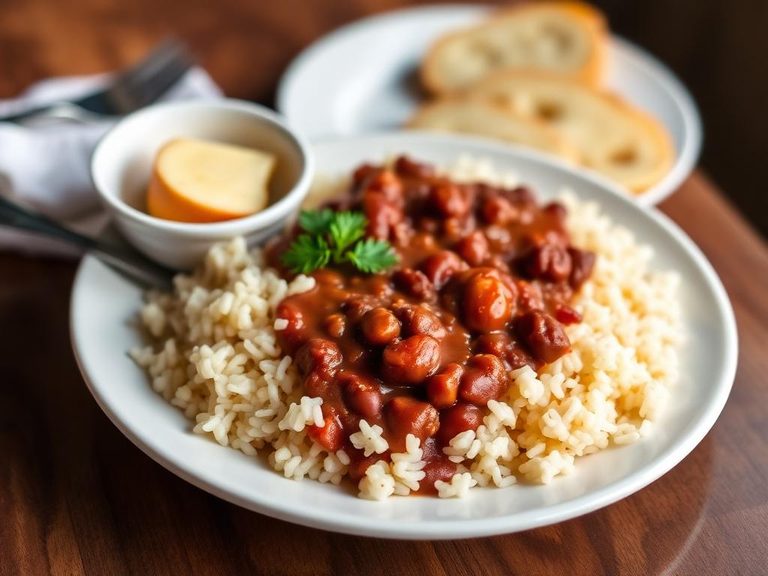
People love them for their satisfying, substantial texture and ability to absorb surrounding flavors, making them incredibly versatile. They are a cornerstone of comfort foods across many cultures, from chili to rice and beans.
⚠️ Watch-outs & how to enjoy it better
The canning process adds sodium and sugar, which can be a concern for those monitoring intake. They contain lectins and oligosaccharides that can cause digestive discomfort. To counteract this, always rinse and drain thoroughly, and start with smaller portions to assess tolerance. Pairing with a healthy fat or acid (like lime juice) can also aid digestion.
Key benefits
- Good source of plant-based protein
- Low in fat
- Provides complex carbohydrates for sustained energy
- Convenient and shelf-stable
- Rinsing reduces added sodium and sugar
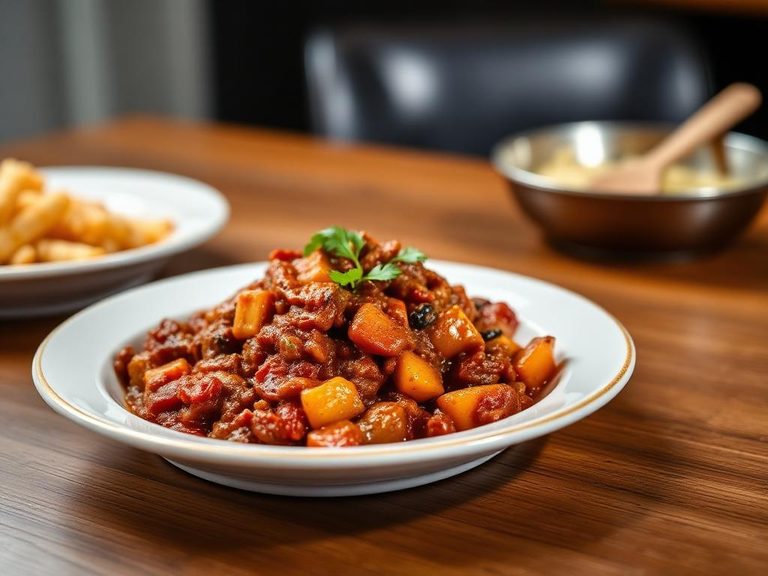
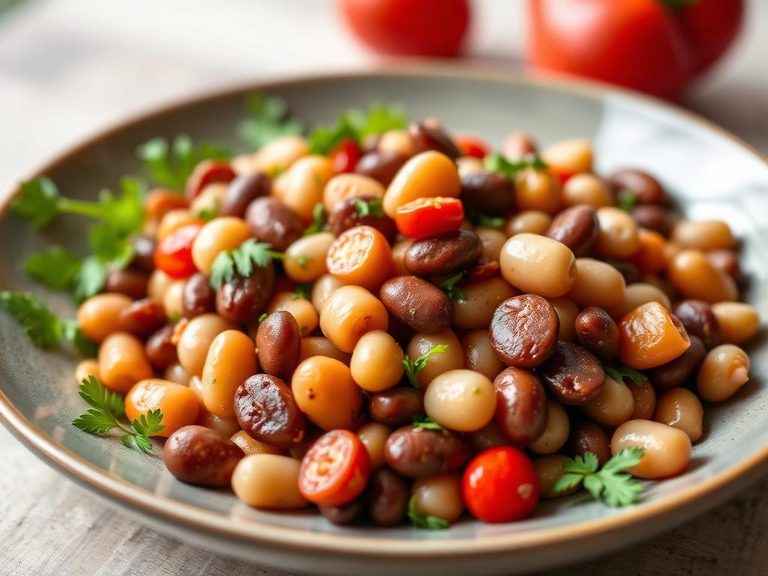
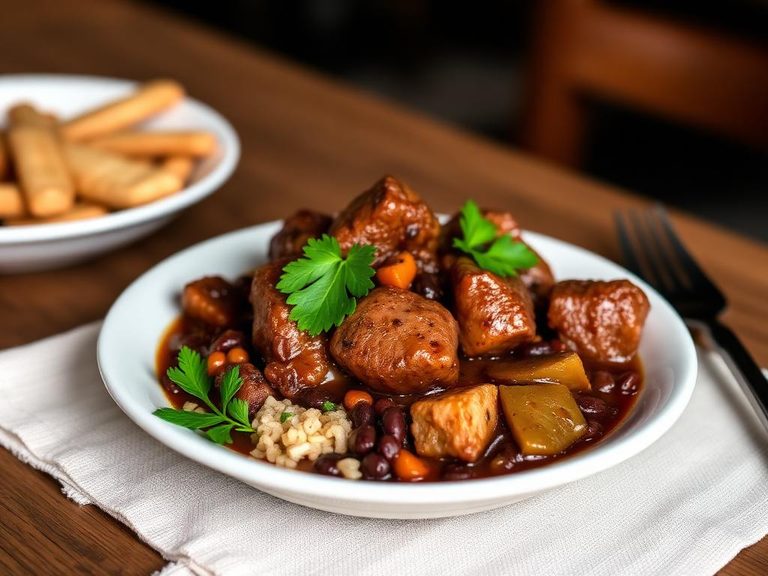
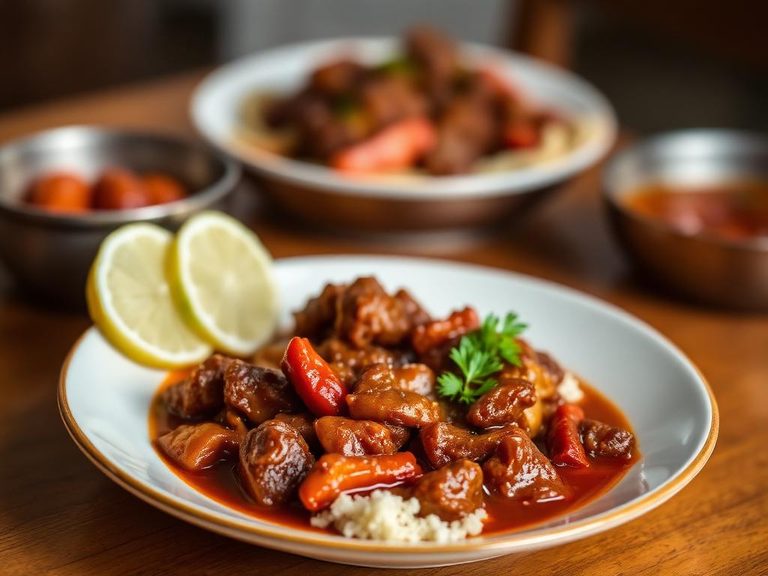
🍽️ Popular dishes
🌍 Where it's eaten
💡 Did you know?
The name 'kidney bean' comes from their distinct shape and color, which closely resembles a human kidney.
Full nutrition (USDA data · scales with serving)
| Water | 68.9 g |
| Energy (Atwater General Factors) | 127 kcal |
| Energy (Atwater Specific Factors) | 124 kcal |
| Nitrogen | 1.2 g |
| Protein | 7.3 g |
| Total lipid (fat) | 1.3 g |
| Ash | 1.0 g |
| Carbohydrate, by difference | 21.4 g |
| Total dietary fiber (AOAC 2011.25) | 7.4 g |
| Starch | 13.1 g |
| Resistant starch | 2.0 g |
| Calcium, Ca | 60.3 mg |
| Iron, Fe | 1.3 mg |
| Magnesium, Mg | 25.5 mg |
| Phosphorus, P | 93.6 mg |
| Potassium, K | 209 mg |
| Sodium, Na | 159 mg |
| Zinc, Zn | 0.53 mg |
| Copper, Cu | 0.27 mg |
| Manganese, Mn | 0.35 mg |
Fat & fatty acid profile (per 100g)
Estimated from Lima beans, thin seeded (baby), mature seeds, cooked, boiled, without salt — USDA does not publish this profile for Beans.
| Fatty acids, total saturated | 0.09 g |
| SFA 12:0 | 0.00 g |
| SFA 14:0 | 0.00 g |
| SFA 16:0 | 0.07 g |
| SFA 18:0 | 0.02 g |
| Fatty acids, total monounsaturated | 0.03 g |
| MUFA 16:1 | 0.00 g |
| MUFA 18:1 | 0.03 g |
| MUFA 20:1 | 0.00 g |
| MUFA 22:1 | 0.00 g |
| Fatty acids, total polyunsaturated | 0.17 g |
| PUFA 18:2 | 0.12 g |
| PUFA 18:3 | 0.05 g |
| Fatty acids, total trans | 0.00 g |
| Cholesterol | 0.00 mg |
Amino acid profile (per 100g)
Estimated from Lima beans, thin seeded (baby), mature seeds, cooked, boiled, without salt — USDA does not publish this profile for Beans.
| Tryptophan | 0.10 g |
| Threonine | 0.35 g |
| Isoleucine | 0.42 g |
| Leucine | 0.69 g |
| Lysine | 0.54 g |
| Methionine | 0.10 g |
| Cystine | 0.09 g |
| Phenylalanine | 0.46 g |
| Tyrosine | 0.28 g |
| Valine | 0.48 g |
| Arginine | 0.49 g |
| Histidine | 0.25 g |
| Alanine | 0.41 g |
| Aspartic acid | 1.0 g |
| Glutamic acid | 1.1 g |
| Glycine | 0.34 g |
| Proline | 0.37 g |
| Serine | 0.54 g |
FAQ
Why should I rinse canned kidney beans?
Rinsing and draining canned kidney beans can reduce their sodium content by up to 40% and washes away the starchy, sometimes metallic-tasting canning liquid and added sugars.
Are canned beans as nutritious as dried?
Yes, canned beans are nutritionally comparable to home-cooked dried beans. The canning process uses heat, which softens them but preserves most vitamins and minerals. The main differences are in sodium content (if not rinsed) and texture (some prefer the firmer bite of home-cooked beans).
Can I eat canned kidney beans cold?
Yes, after rinsing and draining, they are fully cooked and safe to eat cold. They are perfect for tossing into green salads, pasta salads, or three-bean salads.
Nutrient density (calculated · NRF9.3)
Nutrient Rich Foods index: beneficial nutrients (protein, fiber, vitamins, minerals) minus saturated fat, added sugar & sodium, per 100 kcal.
NRF9.3 index — Fulgoni, Keast & Drewnowski, 2009. Computed from USDA nutrients.
Weight-loss friendliness (composite index)
Energy density 1.27 kcal/g · 23% calories from protein · 0.0 g fiber · 0.0 g sugar per 100 g.
Composite of energy density (Rolls et al., 1999), protein & fiber satiety, minus sugar. A calculated heuristic — ranks satiety-per-calorie, not a clinical measure.
Dietary load (calculated from USDA values)
Potential renal acid load. Positive = acid-forming, negative = alkaline-forming.
Sodium-to-potassium ratio: 0.76 (lower is better — aim for ≤ 1)
Sodium:potassium per WHO potassium guidance. Computed from USDA nutrients.