

Kidney beans, from canned, no added fat
Common food

Photo: Wikipedia
Canned kidney beans are a pantry staple, offering a firm, meaty texture and a mild, earthy flavor that readily absorbs surrounding spices. Nutritionally, they are a powerhouse of plant-based protein and dietary fiber, providing sustained energy with very little fat. Their convenience and consistent quality make them an instant foundation for hearty meals.
Calorie split: 25% protein · 71% carbs · 4% fat
↓ Full nutrition💚 Why it's loved
People love canned kidney beans for their incredible versatility and time-saving convenience, forming the backbone of countless stews, salads, and chilis. Their robust texture holds up perfectly during cooking, and their ability to soak up flavors makes them a beloved canvas in global cuisines.
⚠️ Watch-outs & how to enjoy it better
The primary downside is their high sodium content from the canning brine, which can be a concern for blood pressure. To counteract this, rinse them thoroughly under cold water for a minute to reduce sodium by up to 40%. Additionally, their high fiber content can cause digestive discomfort for some; start with smaller portions and ensure adequate water intake.
Key benefits
- Excellent source of plant-based protein (8.7g per 100g)
- High in dietary fiber (8g per 100g) for digestive health
- Low in fat (0.6g per 100g) and naturally cholesterol-free
- Good source of complex carbohydrates for sustained energy
- Contains essential minerals like iron, potassium, and folate
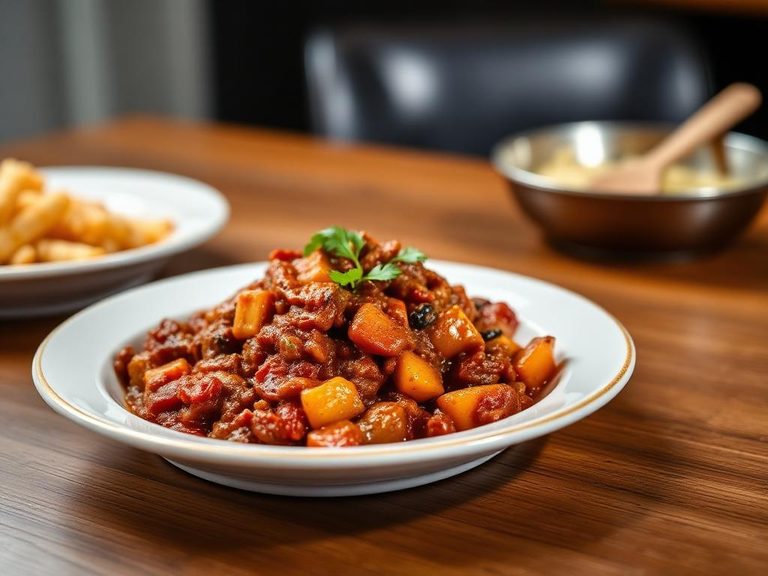
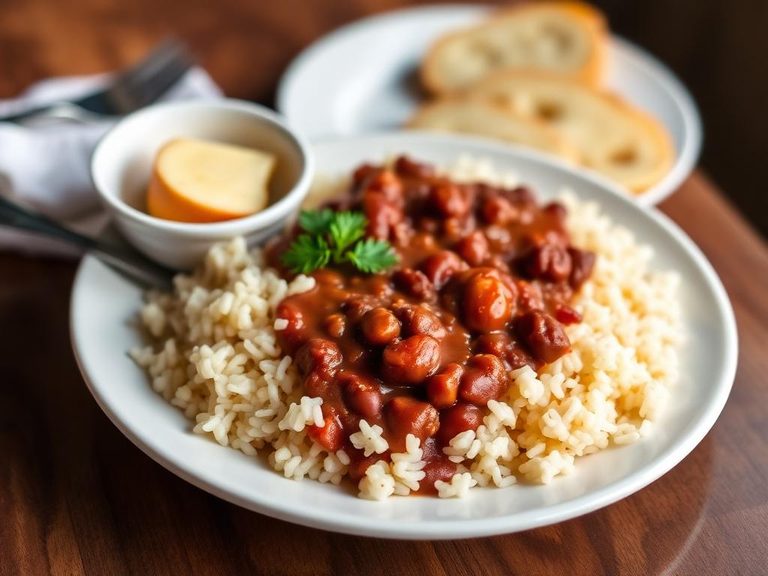
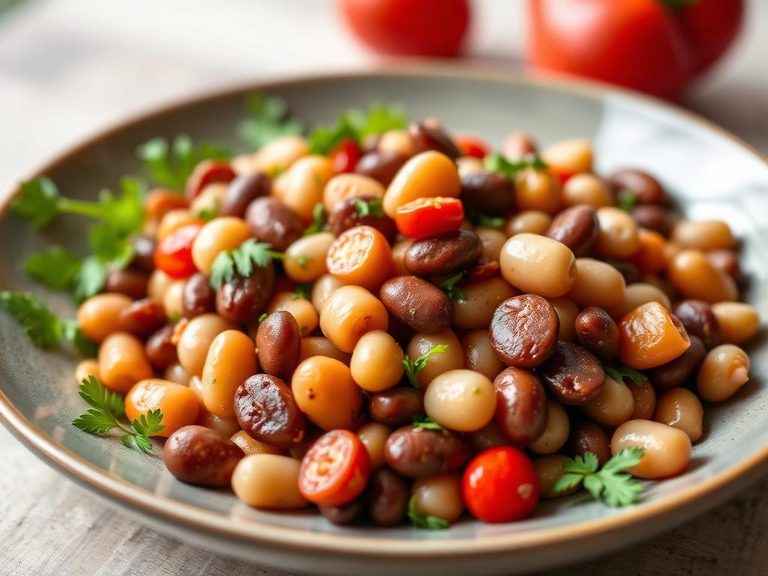
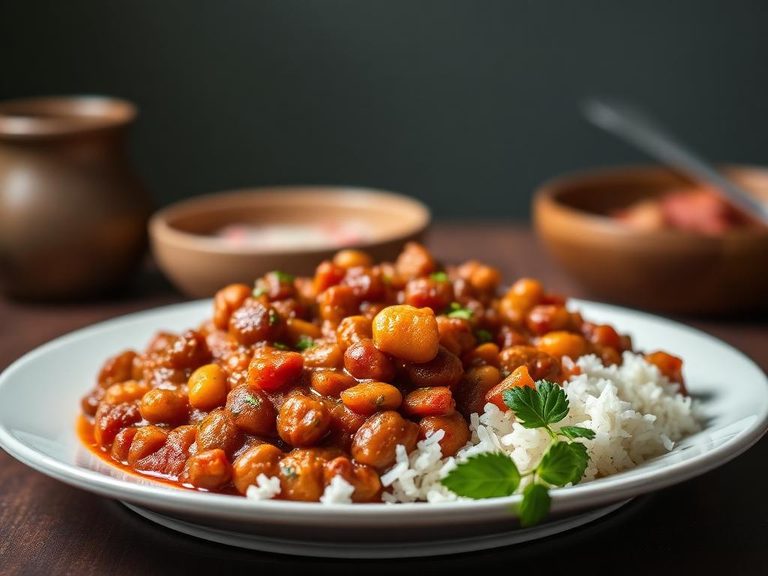
🍽️ Popular dishes
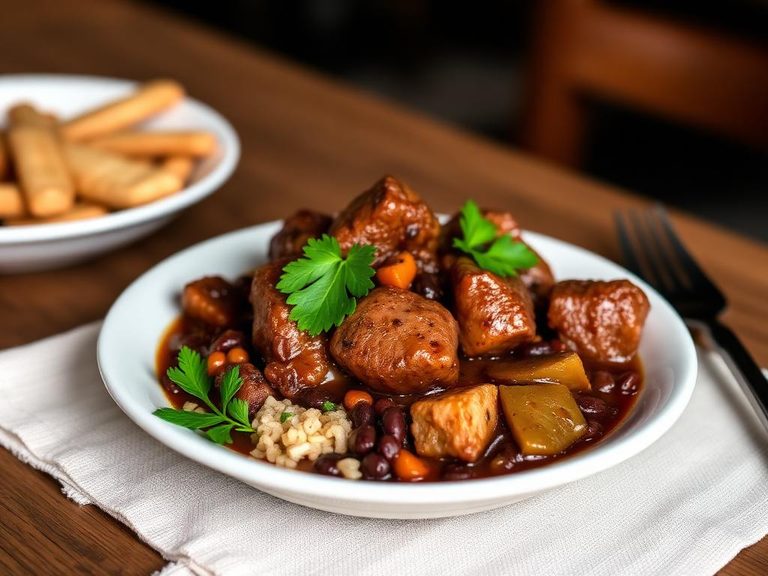
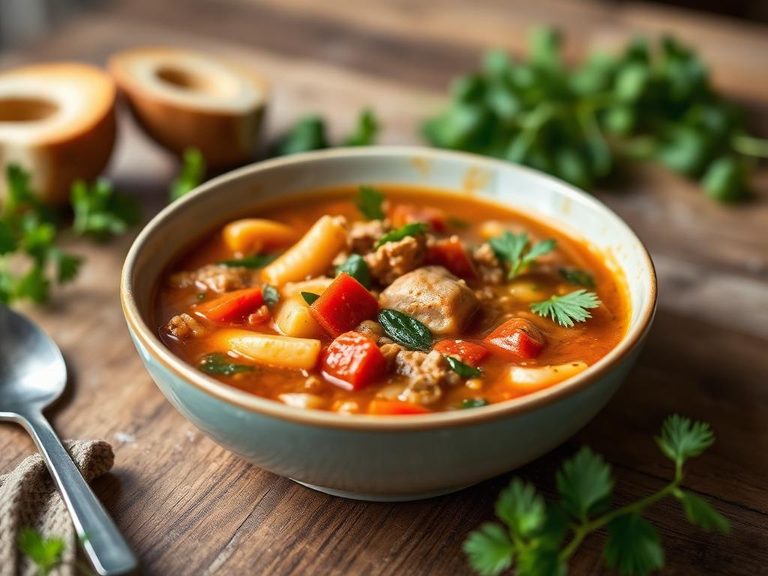
🌍 Where it's eaten
💡 Did you know?
The name 'kidney bean' is a direct reference to its shape and color, which remarkably resemble a human kidney.
Full nutrition (USDA data · scales with serving)
| Water | 63.3 g |
| Energy | 135 kcal |
| Protein | 8.7 g |
| Total lipid (fat) | 0.60 g |
| Carbohydrate, by difference | 24.7 g |
| Fiber, total dietary | 8.0 g |
| Total Sugars | 3.1 g |
| Calcium, Ca | 48.0 mg |
| Iron, Fe | 2.1 mg |
| Magnesium, Mg | 50.0 mg |
| Phosphorus, P | 177 mg |
| Potassium, K | 433 mg |
| Sodium, Na | 311 mg |
| Zinc, Zn | 1.0 mg |
| Copper, Cu | 0.24 mg |
| Selenium, Se | 1.8 ug |
| Vitamin C, total ascorbic acid | 1.3 mg |
| Thiamin | 0.17 mg |
| Riboflavin | 0.11 mg |
| Niacin | 0.78 mg |
| Vitamin B-6 | 0.13 mg |
| Folate, total | 39.0 ug |
| Folic acid | 0.00 ug |
| Folate, food | 39.0 ug |
| Folate, DFE | 39.0 ug |
| Choline, total | 50.8 mg |
| Vitamin B-12 | 0.00 ug |
| Vitamin B-12, added | 0.00 ug |
| Vitamin A, RAE | 0.00 ug |
| Retinol | 0.00 ug |
| Carotene, beta | 0.00 ug |
| Carotene, alpha | 0.00 ug |
| Cryptoxanthin, beta | 0.00 ug |
| Lycopene | 0.00 ug |
| Lutein + zeaxanthin | 0.00 ug |
| Vitamin E (alpha-tocopherol) | 0.03 mg |
| Vitamin E, added | 0.00 mg |
| Vitamin D (D2 + D3) | 0.00 ug |
| Vitamin K (phylloquinone) | 6.8 ug |
| Alcohol, ethyl | 0.00 g |
| Caffeine | 0.00 mg |
| Theobromine | 0.00 mg |
Fat & fatty acid profile (per 100g)
| Fatty acids, total saturated | 0.21 g |
| SFA 4:0 | 0.00 g |
| SFA 6:0 | 0.00 g |
| SFA 8:0 | 0.00 g |
| SFA 10:0 | 0.00 g |
| SFA 12:0 | 0.00 g |
| SFA 14:0 | 0.01 g |
| SFA 16:0 | 0.14 g |
| SFA 18:0 | 0.06 g |
| Fatty acids, total monounsaturated | 0.24 g |
| MUFA 16:1 | 0.01 g |
| MUFA 18:1 | 0.02 g |
| MUFA 20:1 | 0.00 g |
| MUFA 22:1 | 0.00 g |
| Fatty acids, total polyunsaturated | 0.29 g |
| PUFA 18:2 | 0.14 g |
| PUFA 18:3 | 0.09 g |
| PUFA 18:4 | 0.00 g |
| PUFA 20:4 | 0.00 g |
| PUFA 20:5 n-3 (EPA) | 0.00 g |
| PUFA 22:5 n-3 (DPA) | 0.00 g |
| PUFA 22:6 n-3 (DHA) | 0.00 g |
| Cholesterol | 0.00 mg |
Amino acid profile (per 100g)
Estimated from Beans, kidney, mature seeds, sprouted, cooked, boiled, drained, without salt — USDA does not publish this profile for Kidney beans.
| Tryptophan | 0.05 g |
| Threonine | 0.20 g |
| Isoleucine | 0.21 g |
| Leucine | 0.35 g |
| Lysine | 0.28 g |
| Methionine | 0.05 g |
| Cystine | 0.06 g |
| Phenylalanine | 0.24 g |
| Tyrosine | 0.17 g |
| Valine | 0.25 g |
| Arginine | 0.26 g |
| Histidine | 0.14 g |
| Alanine | 0.20 g |
| Aspartic acid | 0.63 g |
| Glutamic acid | 0.59 g |
| Glycine | 0.17 g |
| Proline | 0.20 g |
| Serine | 0.26 g |
FAQ
Do I need to cook canned kidney beans before eating them?
Yes, for food safety. Canned beans are cooked during processing, but it's recommended to heat them to at least 165°F (74°C) to kill any potential bacteria like Listeria that can grow in the canning liquid.
How can I reduce the sodium in canned kidney beans?
The most effective method is to pour the beans into a colander and rinse them under cold running water for 30-60 seconds, stirring gently. This can remove 40% or more of the added sodium.
Why do canned kidney beans sometimes cause digestive gas?
They contain oligosaccharides, a type of sugar that the human body has difficulty digesting. Rinsing them well helps, and gradually increasing your fiber intake allows your digestive system to adapt.
Nutrient density (calculated · NRF9.3)
Nutrient Rich Foods index: beneficial nutrients (protein, fiber, vitamins, minerals) minus saturated fat, added sugar & sodium, per 100 kcal.
NRF9.3 index — Fulgoni, Keast & Drewnowski, 2009. Computed from USDA nutrients.
Weight-loss friendliness (composite index)
Energy density 1.35 kcal/g · 26% calories from protein · 8.0 g fiber · 3.1 g sugar per 100 g.
Composite of energy density (Rolls et al., 1999), protein & fiber satiety, minus sugar. A calculated heuristic — ranks satiety-per-calorie, not a clinical measure.
Dietary load (calculated from USDA values)
Potential renal acid load. Positive = acid-forming, negative = alkaline-forming.
Sodium-to-potassium ratio: 0.72 (lower is better — aim for ≤ 1)
Sodium:potassium per WHO potassium guidance. Computed from USDA nutrients.