

Kidney
Common food

Photo: Wikipedia
Kidney is a dense, mineral-rich organ meat with a smooth, creamy texture when cooked properly and a deep, slightly iron-rich flavor. It is exceptionally high in protein and virtually carb-free, making it a powerhouse for low-carb and carnivore diets. Its unique taste is often described as milder than liver but with a distinct, savory character.
Calorie split: 72% protein · 0% carbs · 28% fat
↓ Full nutrition💚 Why it's loved
People love kidney for its robust, meaty flavor that stands up to bold spices and sauces, and its versatility in classic dishes from stews to grilled skewers. It's a staple in traditional cuisines worldwide, valued for its nutritional density and unique texture.
⚠️ Watch-outs & how to enjoy it better
The primary caution is its high purine content, which can be a concern for individuals with gout or certain kidney conditions. To mitigate this, choose younger animal kidneys, soak in cold water or milk before cooking, and discard the cooking liquid. Those monitoring cholesterol should also practice portion control.
Key benefits
- Excellent source of high-quality protein (27g per 100g)
- Very low in carbohydrates and sugars
- Rich in B vitamins, especially B12 and riboflavin
- Good source of selenium and other essential minerals
🍽️ Popular dishes
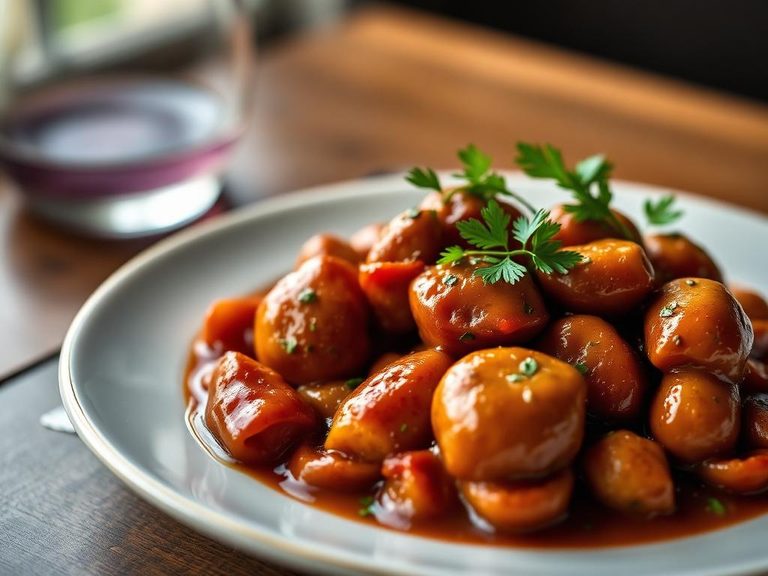
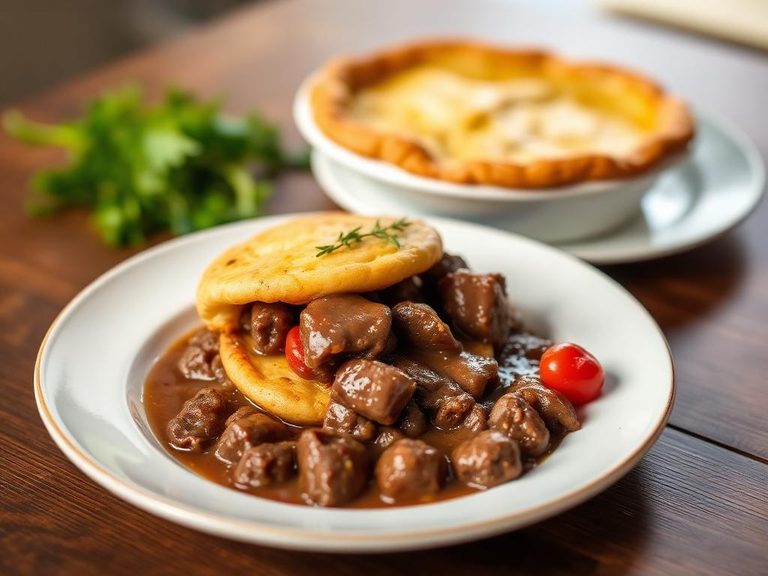
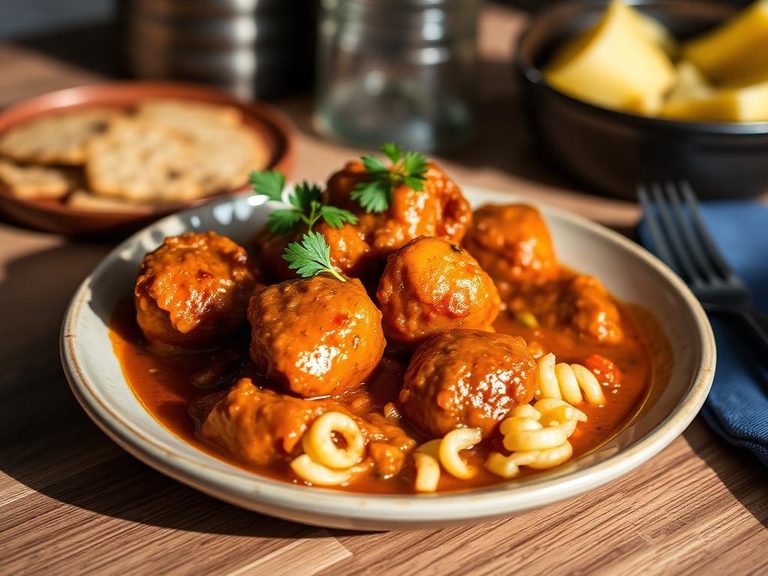
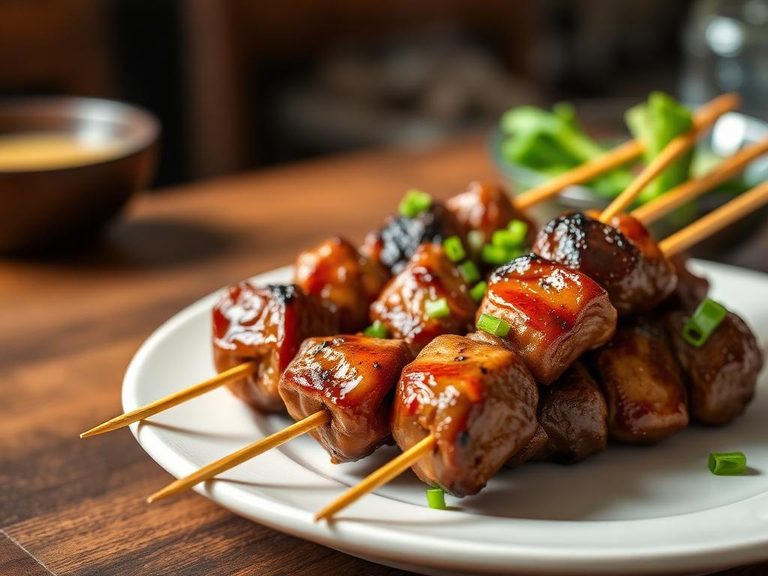
🌍 Where it's eaten
💡 Did you know?
A single beef kidney can weigh over a pound and is actually composed of multiple fused lobes, each with its own set of filtration structures called pyramids.
Full nutrition (USDA data · scales with serving)
| Water | 66.3 g |
| Energy | 157 kcal |
| Protein | 27.1 g |
| Total lipid (fat) | 4.6 g |
| Carbohydrate, by difference | 0.00 g |
| Fiber, total dietary | 0.00 g |
| Total Sugars | 0.00 g |
| Calcium, Ca | 19.0 mg |
| Iron, Fe | 5.8 mg |
| Magnesium, Mg | 12.0 mg |
| Phosphorus, P | 302 mg |
| Potassium, K | 134 mg |
| Sodium, Na | 400 mg |
| Zinc, Zn | 2.8 mg |
| Copper, Cu | 0.56 mg |
| Selenium, Se | 167 ug |
| Vitamin C, total ascorbic acid | 0.00 mg |
| Thiamin | 0.16 mg |
| Riboflavin | 2.9 mg |
| Niacin | 3.9 mg |
| Vitamin B-6 | 0.39 mg |
| Folate, total | 82.0 ug |
| Folic acid | 0.00 ug |
| Folate, food | 82.0 ug |
| Folate, DFE | 82.0 ug |
| Choline, total | 509 mg |
| Vitamin B-12 | 24.7 ug |
| Vitamin B-12, added | 0.00 ug |
| Vitamin A, RAE | 0.00 ug |
| Retinol | 0.00 ug |
| Carotene, beta | 0.00 ug |
| Carotene, alpha | 0.00 ug |
| Cryptoxanthin, beta | 0.00 ug |
| Lycopene | 23.0 ug |
| Lutein + zeaxanthin | 0.00 ug |
| Vitamin E (alpha-tocopherol) | 0.08 mg |
| Vitamin E, added | 0.00 mg |
| Vitamin D (D2 + D3) | 1.1 ug |
| Vitamin K (phylloquinone) | 0.00 ug |
| Alcohol, ethyl | 0.00 g |
| Caffeine | 0.00 mg |
| Theobromine | 0.00 mg |
Fat & fatty acid profile (per 100g)
| Fatty acids, total saturated | 1.4 g |
| SFA 4:0 | 0.00 g |
| SFA 6:0 | 0.00 g |
| SFA 8:0 | 0.00 g |
| SFA 10:0 | 0.00 g |
| SFA 12:0 | 0.00 g |
| SFA 14:0 | 0.02 g |
| SFA 16:0 | 0.64 g |
| SFA 18:0 | 0.61 g |
| Fatty acids, total monounsaturated | 0.95 g |
| MUFA 16:1 | 0.07 g |
| MUFA 18:1 | 0.86 g |
| MUFA 20:1 | 0.02 g |
| MUFA 22:1 | 0.00 g |
| Fatty acids, total polyunsaturated | 1.1 g |
| PUFA 18:2 | 0.62 g |
| PUFA 18:3 | 0.02 g |
| PUFA 18:4 | 0.00 g |
| PUFA 20:4 | 0.44 g |
| PUFA 20:5 n-3 (EPA) | 0.00 g |
| PUFA 22:5 n-3 (DPA) | 0.00 g |
| PUFA 22:6 n-3 (DHA) | 0.00 g |
| Cholesterol | 710 mg |
Amino acid profile (per 100g)
Estimated from Beans, kidney, red, mature seeds, cooked, boiled, without salt — USDA does not publish this profile for Kidney.
| Tryptophan | 0.10 g |
| Threonine | 0.36 g |
| Isoleucine | 0.38 g |
| Leucine | 0.69 g |
| Lysine | 0.59 g |
| Methionine | 0.13 g |
| Cystine | 0.09 g |
| Phenylalanine | 0.47 g |
| Tyrosine | 0.24 g |
| Valine | 0.45 g |
| Arginine | 0.54 g |
| Histidine | 0.24 g |
| Alanine | 0.36 g |
| Aspartic acid | 1.0 g |
| Glutamic acid | 1.3 g |
| Glycine | 0.34 g |
| Proline | 0.37 g |
| Serine | 0.47 g |
FAQ
How do you prepare kidney to reduce its strong flavor?
Soaking in cold water, milk, or a water-vinegar solution for 1-2 hours helps draw out blood and milder the taste. Always trim off all visible fat and the central white membrane (the 'kernel') before cooking.
Is kidney meat safe to eat?
Yes, when sourced from healthy animals and cooked thoroughly. As the organ responsible for filtering, it's crucial to buy from reputable butchers and ensure it's fresh. Proper cooking to an internal temperature of 160°F (71°C) is essential for food safety.
How does the nutrition of kidney compare to muscle meat?
Kidney is significantly higher in certain micronutrients like B12 and selenium than most muscle meats, while being comparable in protein. It is typically lower in fat and calories than cuts like ribeye or pork belly.
Nutrient density (calculated · NRF9.3)
Nutrient Rich Foods index: beneficial nutrients (protein, fiber, vitamins, minerals) minus saturated fat, added sugar & sodium, per 100 kcal.
NRF9.3 index — Fulgoni, Keast & Drewnowski, 2009. Computed from USDA nutrients.
Weight-loss friendliness (composite index)
Energy density 1.57 kcal/g · 69% calories from protein · 0.0 g fiber · 0.0 g sugar per 100 g.
Composite of energy density (Rolls et al., 1999), protein & fiber satiety, minus sugar. A calculated heuristic — ranks satiety-per-calorie, not a clinical measure.
Dietary load (calculated from USDA values)
Potential renal acid load. Positive = acid-forming, negative = alkaline-forming.
Sodium-to-potassium ratio: 2.99 (lower is better — aim for ≤ 1)
Sodium:potassium per WHO potassium guidance. Computed from USDA nutrients.