

Beans, kidney, red, mature seeds, canned, drained solids
Whole food · Legumes and Legume Products
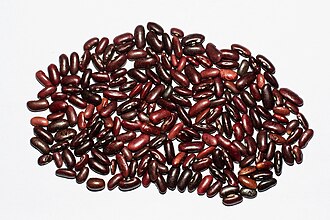
Photo: Wikipedia
Canned red kidney beans are a pantry staple, offering a firm, meaty texture and a deep, earthy, slightly nutty flavor that holds up beautifully in hearty dishes. Nutritionally, they are a powerhouse of plant-based protein and complex carbohydrates, with a remarkable 5.5 grams of fiber per 100g to keep you full and support digestion.
Calorie split: 25% protein · 68% carbs · 7% fat
↓ Full nutrition💚 Why it's loved
People adore them for their robust, satisfying texture that adds substance to soups, salads, and stews, and for their ability to absorb the flavors of spices and aromatics. They are a cornerstone ingredient in countless comfort foods across global cuisines, from chili con carne to rajma masala.
⚠️ Watch-outs & how to enjoy it better
The canning process can add significant sodium, which is a concern for those monitoring blood pressure. They also contain oligosaccharides, a type of carbohydrate that can cause gas and bloating in some individuals. To counteract this, rinse canned beans thoroughly under water to reduce sodium by up to 40%, and start with smaller portions while your digestive system adjusts.
Key benefits
- Excellent source of plant-based protein for muscle maintenance.
- High in dietary fiber to promote gut health and satiety.
- Rich in complex carbohydrates for sustained energy release.
- Provides essential minerals like iron, folate, and potassium.
- Convenient and ready-to-eat, reducing meal prep time.
🍽️ Popular dishes
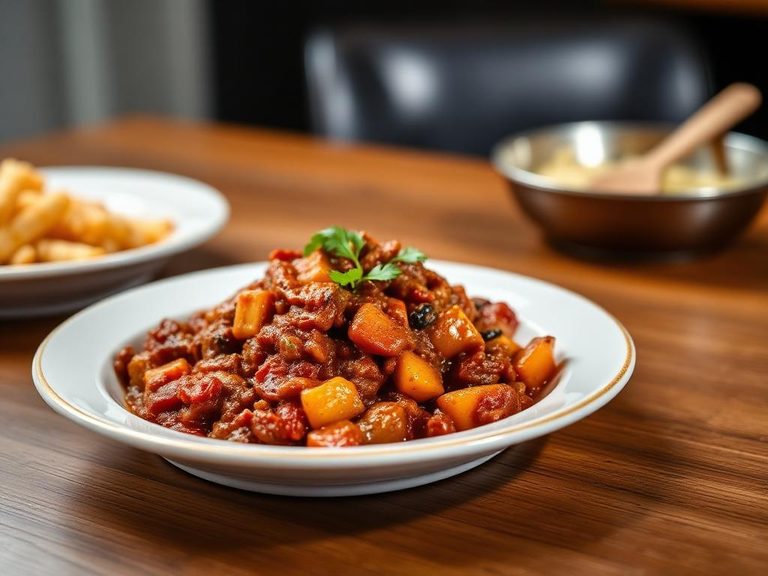
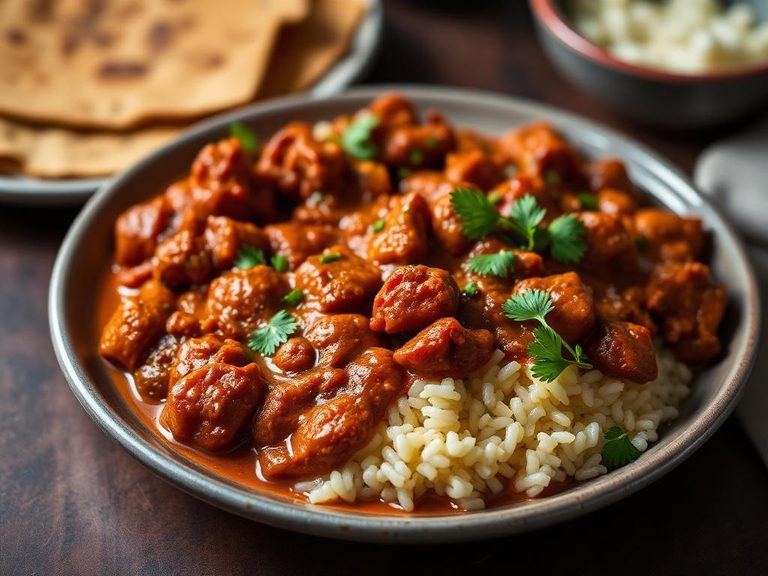
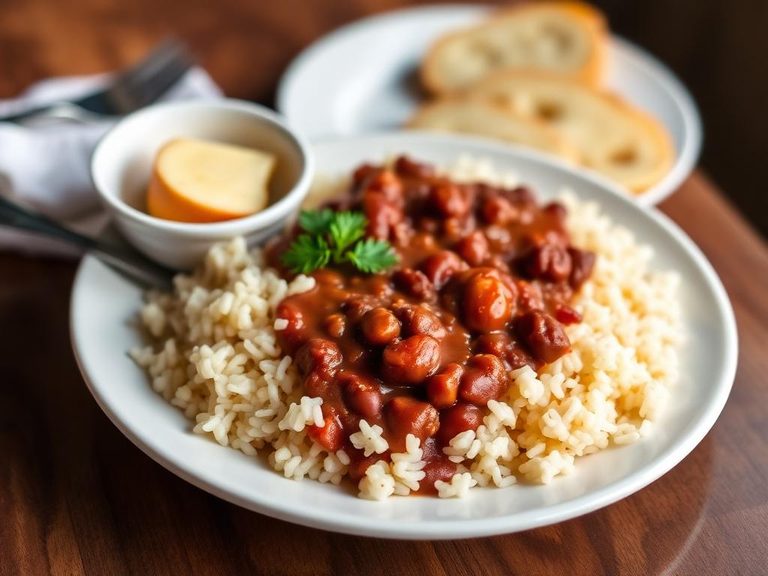
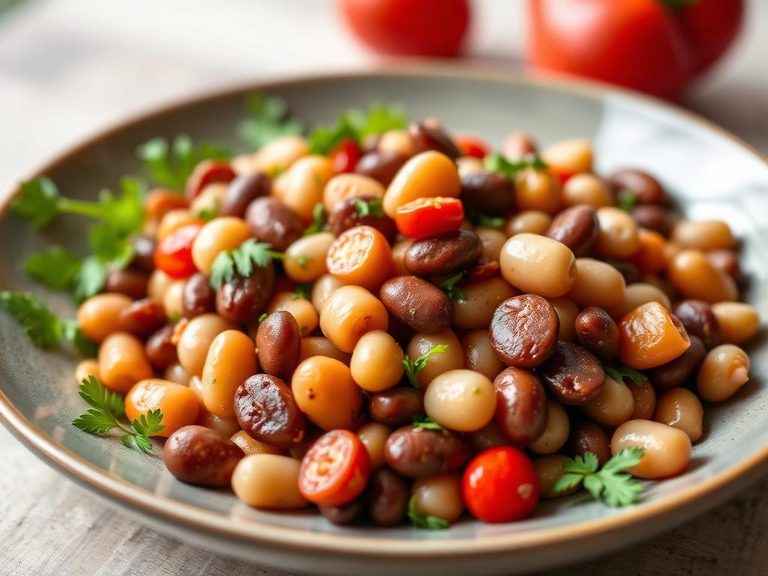
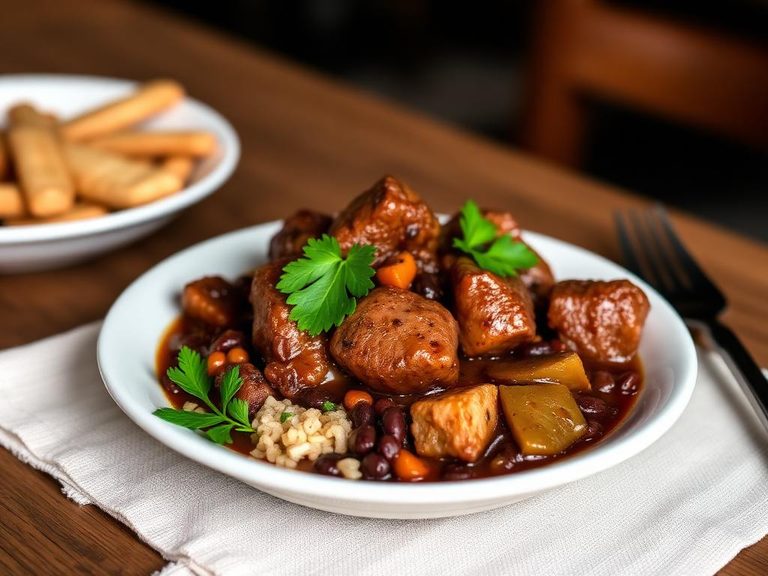
🌍 Where it's eaten
💡 Did you know?
The name 'kidney bean' is a direct reference to their striking resemblance to a human kidney in both shape and color.
Full nutrition (USDA data · scales with serving)
| Water | 68.1 g |
| Energy | 124 kcal |
| Energy | 519 kj |
| Protein | 8.0 g |
| Total lipid (fat) | 1.1 g |
| Ash | 1.4 g |
| Carbohydrate, by difference | 21.5 g |
| Fiber, total dietary | 5.5 g |
| Total Sugars | 3.8 g |
| Sucrose | 3.5 g |
| Glucose | 0.23 g |
| Fructose | 0.10 g |
| Lactose | 0.00 g |
| Maltose | 0.00 g |
| Calcium, Ca | 57.0 mg |
| Iron, Fe | 1.5 mg |
| Magnesium, Mg | 30.0 mg |
| Phosphorus, P | 121 mg |
| Potassium, K | 277 mg |
| Sodium, Na | 231 mg |
| Zinc, Zn | 0.75 mg |
| Copper, Cu | 0.27 mg |
| Manganese, Mn | 0.38 mg |
| Selenium, Se | 1.6 ug |
| Vitamin C, total ascorbic acid | 0.20 mg |
| Thiamin | 0.07 mg |
| Riboflavin | 0.02 mg |
| Niacin | 0.46 mg |
| Folate, total | 28.0 ug |
| Folic acid | 0.00 ug |
| Folate, food | 28.0 ug |
| Folate, DFE | 28.0 ug |
| Vitamin B-12 | 0.00 ug |
| Carotene, beta | 0.00 ug |
| Carotene, alpha | 0.00 ug |
| Cryptoxanthin, beta | 0.00 ug |
| Lycopene | 0.00 ug |
| Lutein + zeaxanthin | 0.00 ug |
| Vitamin D (D2 + D3), International Units | 0.00 iu |
| Vitamin D (D2 + D3) | 0.00 ug |
| Alcohol, ethyl | 0.00 g |
| Caffeine | 0.00 mg |
| Theobromine | 0.00 mg |
Fat & fatty acid profile (per 100g)
| Fatty acids, total saturated | 0.18 g |
| SFA 4:0 | 0.00 g |
| SFA 6:0 | 0.00 g |
| SFA 8:0 | 0.00 g |
| SFA 10:0 | 0.00 g |
| SFA 12:0 | 0.00 g |
| SFA 14:0 | 0.01 g |
| SFA 16:0 | 0.12 g |
| SFA 18:0 | 0.06 g |
| Fatty acids, total monounsaturated | 0.03 g |
| MUFA 16:1 | 0.01 g |
| MUFA 18:1 | 0.02 g |
| MUFA 20:1 | 0.00 g |
| MUFA 22:1 | 0.00 g |
| Fatty acids, total polyunsaturated | 0.19 g |
| PUFA 18:2 | 0.12 g |
| PUFA 18:3 | 0.07 g |
| PUFA 18:4 | 0.00 g |
| PUFA 20:4 | 0.00 g |
| PUFA 20:5 n-3 (EPA) | 0.00 g |
| PUFA 22:5 n-3 (DPA) | 0.00 g |
| PUFA 22:6 n-3 (DHA) | 0.00 g |
| Fatty acids, total trans | 0.00 g |
| Cholesterol | 0.00 mg |
Amino acid profile (per 100g)
| Tryptophan | 0.10 g |
| Threonine | 0.29 g |
| Isoleucine | 0.38 g |
| Leucine | 0.68 g |
| Lysine | 0.56 g |
| Methionine | 0.10 g |
| Cystine | 0.07 g |
| Phenylalanine | 0.47 g |
| Tyrosine | 0.19 g |
| Valine | 0.46 g |
| Arginine | 0.44 g |
| Histidine | 0.22 g |
| Alanine | 0.36 g |
| Aspartic acid | 1.00 g |
| Glutamic acid | 1.3 g |
| Glycine | 0.32 g |
| Proline | 0.46 g |
| Serine | 0.50 g |
FAQ
Do I need to cook canned kidney beans before eating?
No, canned kidney beans are fully cooked and safe to eat directly from the can after rinsing. However, heating them in a dish improves their texture and flavor.
How can I reduce the gas-causing effects of kidney beans?
Rinsing canned beans helps. For dried beans, soaking them overnight and discarding the water, then cooking them thoroughly, breaks down the oligosaccharides that cause gas.
What's the difference between red kidney beans and light red kidney beans?
They are nutritionally almost identical. Light red kidney beans are slightly milder in flavor and have a softer texture, while dark red kidney beans are firmer and more robust, often preferred for salads and chili.
Nutrient density (calculated · NRF9.3)
Nutrient Rich Foods index: beneficial nutrients (protein, fiber, vitamins, minerals) minus saturated fat, added sugar & sodium, per 100 kcal.
NRF9.3 index — Fulgoni, Keast & Drewnowski, 2009. Computed from USDA nutrients.
Weight-loss friendliness (composite index)
Energy density 1.24 kcal/g · 26% calories from protein · 5.5 g fiber · 3.8 g sugar per 100 g.
Composite of energy density (Rolls et al., 1999), protein & fiber satiety, minus sugar. A calculated heuristic — ranks satiety-per-calorie, not a clinical measure.
Dietary load (calculated from USDA values)
Potential renal acid load. Positive = acid-forming, negative = alkaline-forming.
Sodium-to-potassium ratio: 0.83 (lower is better — aim for ≤ 1)
Sodium:potassium per WHO potassium guidance. Computed from USDA nutrients.