

Green peas, frozen, cooked, no added fat
Common food
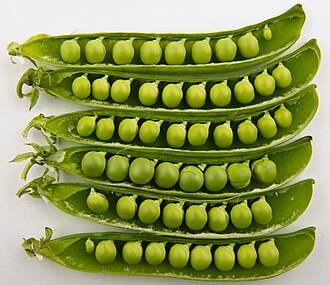
Photo: Wikipedia
These are bright green, sweet, and tender spheres, harvested at their peak and flash-frozen to lock in a fresh, garden-like flavor and a satisfying, slightly starchy bite. Nutritionally, they are a standout for their impressive protein content and high fiber, making them a surprisingly hearty and filling vegetable choice.
Calorie split: 26% protein · 71% carbs · 3% fat
↓ Full nutrition💚 Why it's loved
People love them for their natural sweetness, vibrant color, and incredible versatility—they can be a simple side, a star in a soup, or a protein-packed addition to a salad. They are a nostalgic comfort food for many, evoking memories of family meals and garden freshness.
⚠️ Watch-outs & how to enjoy it better
For some, the high fiber content can cause digestive discomfort if eaten in large quantities. Their natural sugars, while healthy, can contribute to blood sugar spikes for individuals managing diabetes. To counteract this, pair them with a source of protein (like chicken or tofu) or healthy fat (like olive oil) to slow sugar absorption, and practice portion control.
Key benefits
- Excellent source of plant-based protein
- High in dietary fiber for digestive health
- Rich in vitamins like K and C
- Contains antioxidants like flavonoids
- Low in fat and calories
🍽️ Popular dishes
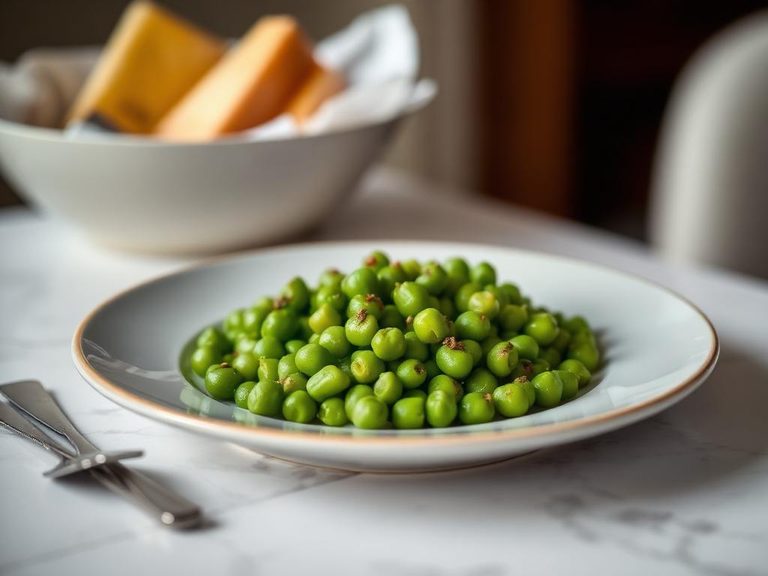
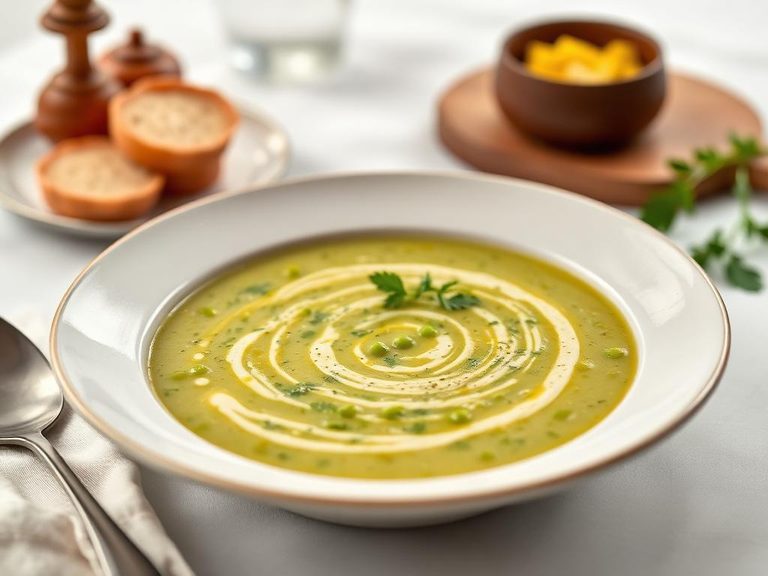

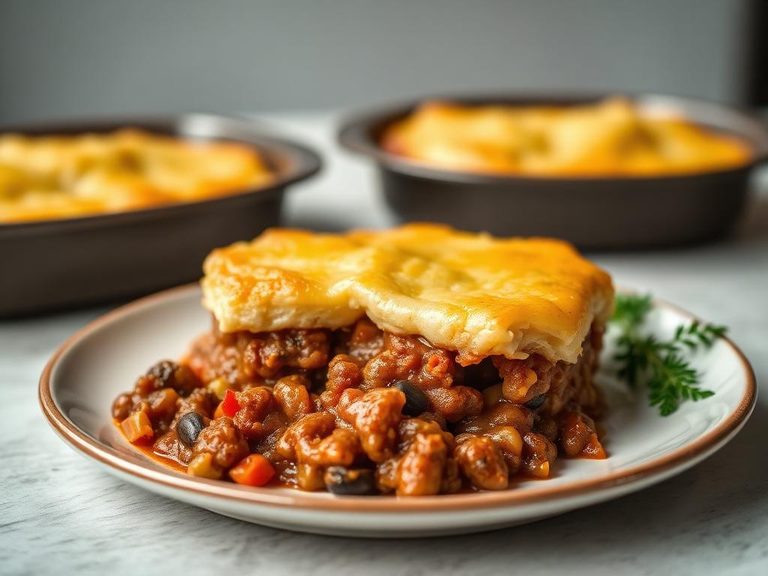
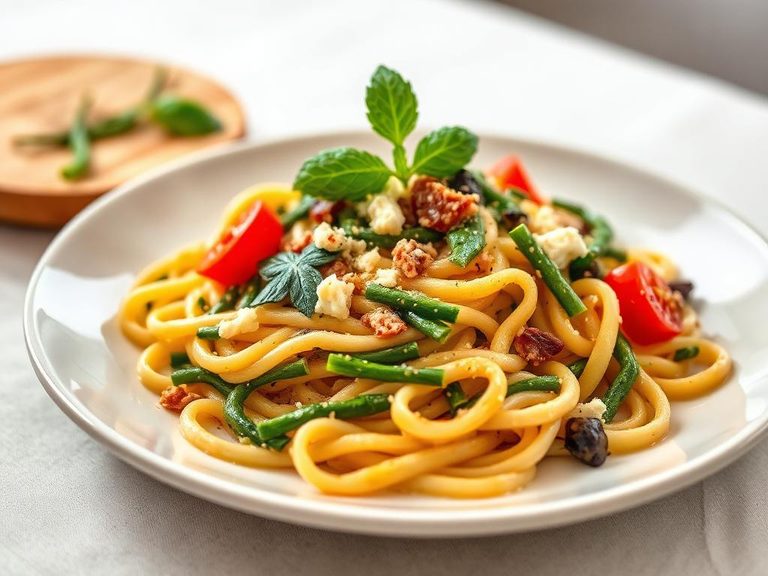
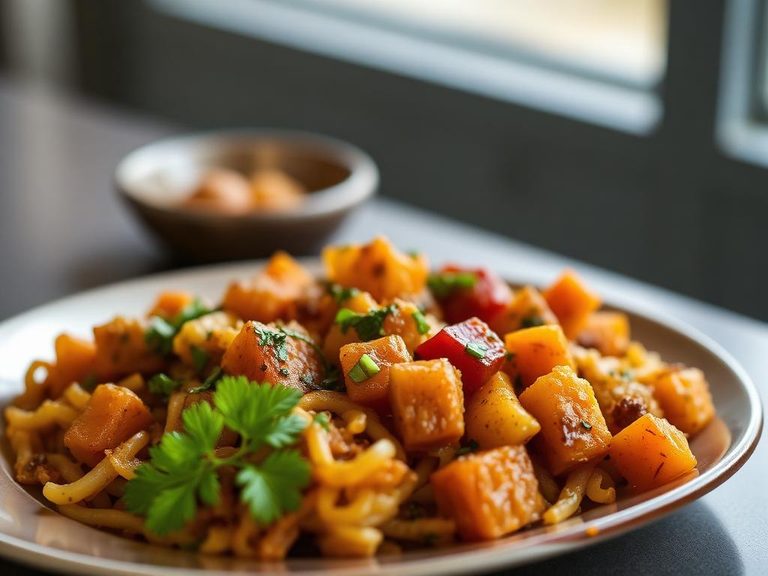
🌍 Where it's eaten
💡 Did you know?
Frozen green peas are often more nutritious than 'fresh' peas from the supermarket because they are typically frozen within hours of harvest, preserving their vitamin C content better than peas that have traveled for days.
Full nutrition (USDA data · scales with serving)
| Water | 79.3 g |
| Energy | 78.0 kcal |
| Protein | 5.1 g |
| Total lipid (fat) | 0.27 g |
| Carbohydrate, by difference | 14.2 g |
| Fiber, total dietary | 4.5 g |
| Total Sugars | 4.4 g |
| Calcium, Ca | 24.0 mg |
| Iron, Fe | 1.5 mg |
| Magnesium, Mg | 22.0 mg |
| Phosphorus, P | 77.0 mg |
| Potassium, K | 110 mg |
| Sodium, Na | 188 mg |
| Zinc, Zn | 0.67 mg |
| Copper, Cu | 0.10 mg |
| Selenium, Se | 1.0 ug |
| Vitamin C, total ascorbic acid | 9.9 mg |
| Thiamin | 0.28 mg |
| Riboflavin | 0.10 mg |
| Niacin | 1.5 mg |
| Vitamin B-6 | 0.11 mg |
| Folate, total | 59.0 ug |
| Folic acid | 0.00 ug |
| Folate, food | 59.0 ug |
| Folate, DFE | 59.0 ug |
| Choline, total | 27.4 mg |
| Vitamin B-12 | 0.00 ug |
| Vitamin B-12, added | 0.00 ug |
| Vitamin A, RAE | 105 ug |
| Retinol | 0.00 ug |
| Carotene, beta | 1246 ug |
| Carotene, alpha | 20.0 ug |
| Cryptoxanthin, beta | 0.00 ug |
| Lycopene | 0.00 ug |
| Lutein + zeaxanthin | 2393 ug |
| Vitamin E (alpha-tocopherol) | 0.03 mg |
| Vitamin E, added | 0.00 mg |
| Vitamin D (D2 + D3) | 0.00 ug |
| Vitamin K (phylloquinone) | 23.9 ug |
| Alcohol, ethyl | 0.00 g |
| Caffeine | 0.00 mg |
| Theobromine | 0.00 mg |
Fat & fatty acid profile (per 100g)
| Fatty acids, total saturated | 0.05 g |
| SFA 4:0 | 0.00 g |
| SFA 6:0 | 0.00 g |
| SFA 8:0 | 0.00 g |
| SFA 10:0 | 0.00 g |
| SFA 12:0 | 0.00 g |
| SFA 14:0 | 0.00 g |
| SFA 16:0 | 0.04 g |
| SFA 18:0 | 0.01 g |
| Fatty acids, total monounsaturated | 0.02 g |
| MUFA 16:1 | 0.00 g |
| MUFA 18:1 | 0.02 g |
| MUFA 20:1 | 0.00 g |
| MUFA 22:1 | 0.00 g |
| Fatty acids, total polyunsaturated | 0.13 g |
| PUFA 18:2 | 0.10 g |
| PUFA 18:3 | 0.02 g |
| PUFA 18:4 | 0.00 g |
| PUFA 20:4 | 0.00 g |
| PUFA 20:5 n-3 (EPA) | 0.00 g |
| PUFA 22:5 n-3 (DPA) | 0.00 g |
| PUFA 22:6 n-3 (DHA) | 0.00 g |
| Cholesterol | 0.00 mg |
Amino acid profile (per 100g)
Estimated from Peas, green (includes baby and lesuer types), canned, drained solids, unprepared — USDA does not publish this profile for Green peas.
| Tryptophan | 0.03 g |
| Threonine | 0.17 g |
| Isoleucine | 0.16 g |
| Leucine | 0.27 g |
| Lysine | 0.26 g |
| Methionine | 0.07 g |
| Cystine | 0.03 g |
| Phenylalanine | 0.17 g |
| Tyrosine | 0.09 g |
| Valine | 0.19 g |
| Arginine | 0.35 g |
| Histidine | 0.09 g |
| Alanine | 0.20 g |
| Aspartic acid | 0.41 g |
| Glutamic acid | 0.61 g |
| Glycine | 0.15 g |
| Proline | 0.14 g |
| Serine | 0.15 g |
FAQ
Are frozen peas as healthy as fresh?
Often, yes. Frozen peas are usually blanched and frozen shortly after picking, which locks in nutrients like vitamin C better than fresh peas that may spend days in transit and on shelves.
Do I need to cook frozen peas?
They are pre-blanched and safe to eat from the bag, but cooking (steaming, boiling, sautéing) improves their texture and flavor. They only need a few minutes to heat through.
How can I prevent frozen peas from getting mushy?
Avoid overcooking. Add them to hot dishes at the very end of cooking, or simply heat them quickly in a pan with a little butter or oil until just warmed through.
Nutrient density (calculated · NRF9.3)
Nutrient Rich Foods index: beneficial nutrients (protein, fiber, vitamins, minerals) minus saturated fat, added sugar & sodium, per 100 kcal.
NRF9.3 index — Fulgoni, Keast & Drewnowski, 2009. Computed from USDA nutrients.
Weight-loss friendliness (composite index)
Energy density 0.78 kcal/g · 26% calories from protein · 4.5 g fiber · 4.4 g sugar per 100 g.
Composite of energy density (Rolls et al., 1999), protein & fiber satiety, minus sugar. A calculated heuristic — ranks satiety-per-calorie, not a clinical measure.
Dietary load (calculated from USDA values)
Potential renal acid load. Positive = acid-forming, negative = alkaline-forming.
Sodium-to-potassium ratio: 1.71 (lower is better — aim for ≤ 1)
Sodium:potassium per WHO potassium guidance. Computed from USDA nutrients.