

Green peas, fresh, cooked, fat added, NS as to fat type
Common food
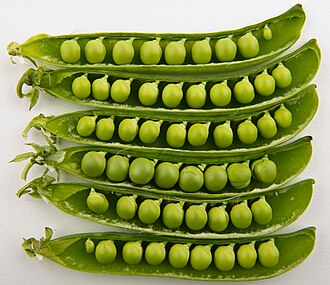
Photo: Wikipedia
Bright green and plump, cooked fresh peas offer a sweet, earthy flavor with a satisfying pop and creamy interior. This simple preparation—peas cooked with a touch of added fat—enhances their natural sweetness and creates a richer mouthfeel. A 100-gram serving provides a solid 5.47g of plant protein and a notable 5.7g of dietary fiber.
Calorie split: 20% protein · 54% carbs · 26% fat
↓ Full nutrition💚 Why it's loved
People adore them for their vibrant color, inherent sweetness, and incredible versatility—they shine in everything from simple side dishes to complex curries. Their satisfying texture and ability to pair with both rich and fresh flavors make them a global comfort food.
⚠️ Watch-outs & how to enjoy it better
For some, the natural sugars (5.72g per 100g) can contribute to blood sugar spikes if eaten in large, isolated portions. The added fat, while improving flavor, increases calorie density. To counteract this, pair peas with a lean protein or a source of healthy fat like olive oil to slow sugar absorption, and be mindful of portion size if monitoring calorie intake.
Key benefits
- Excellent source of plant-based protein for muscle maintenance
- High in dietary fiber to support digestive health
- Rich in antioxidants like lutein and zeaxanthin for eye health
- Good source of vitamins C and K, plus B vitamins
- Contains essential minerals like iron and manganese
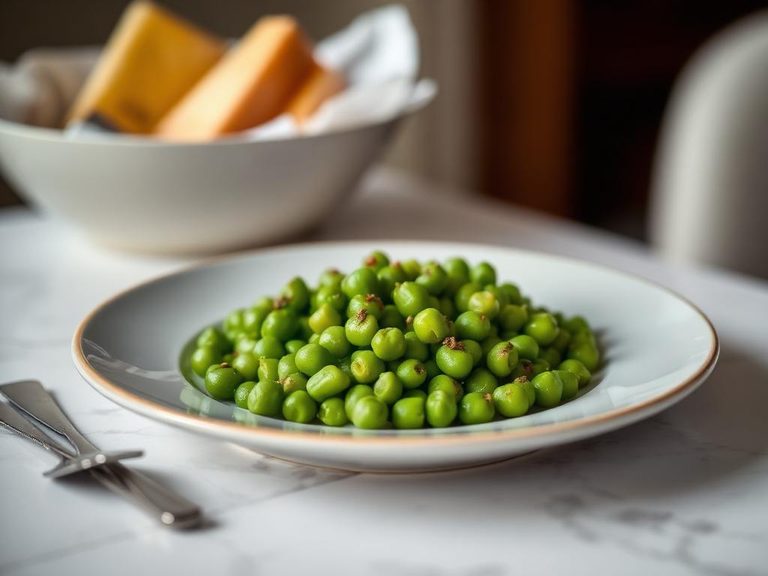
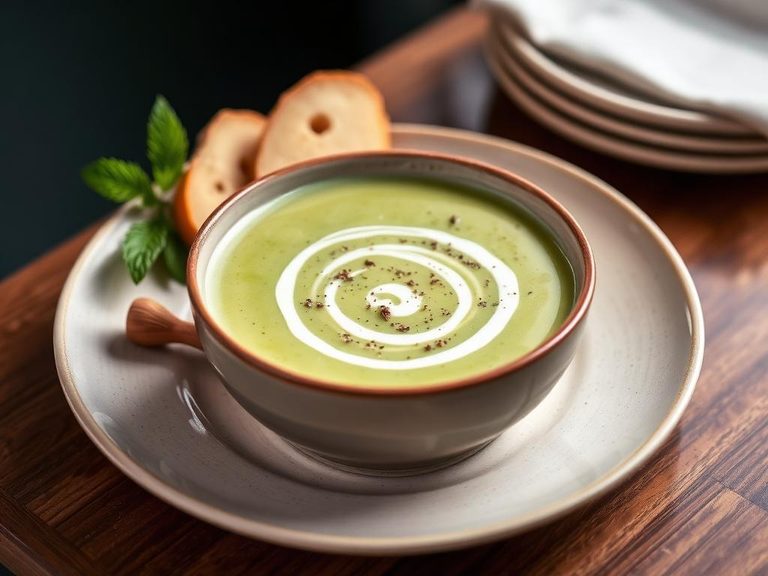
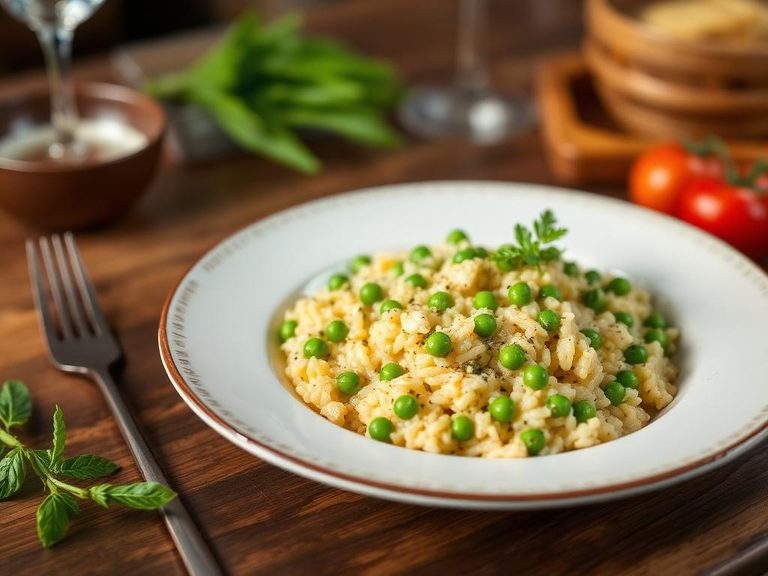
🍽️ Popular dishes

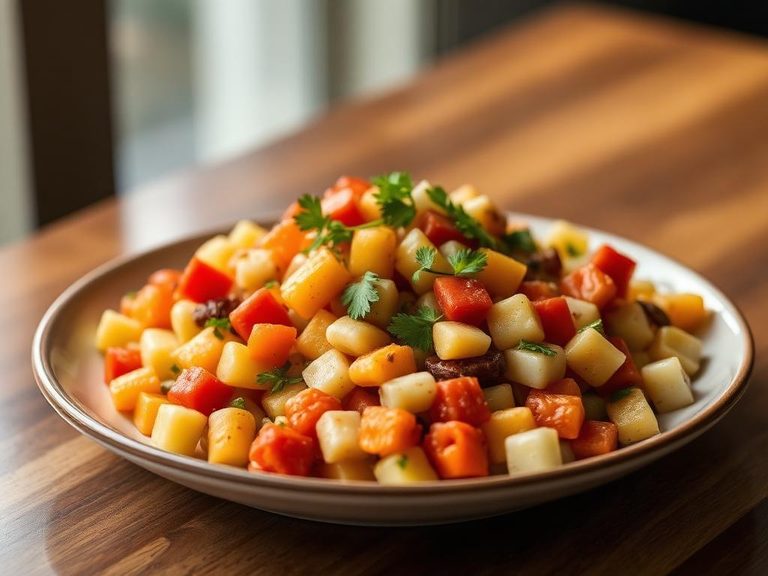
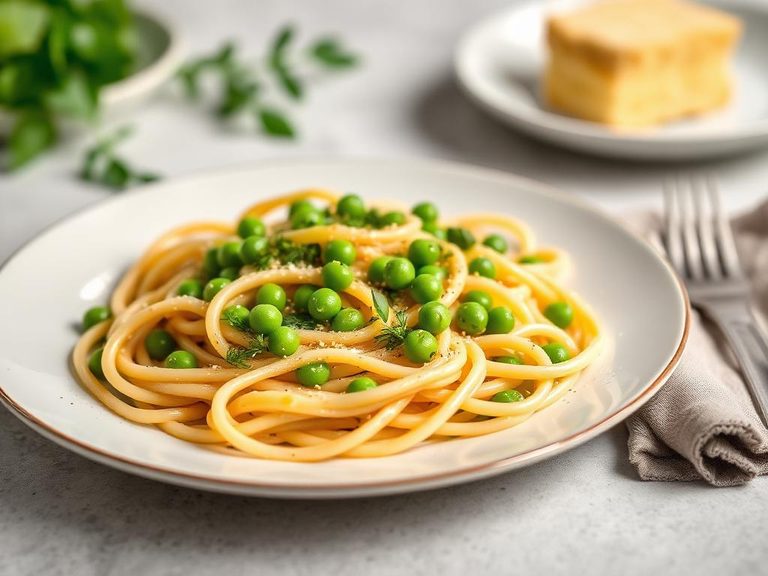
🌍 Where it's eaten
💡 Did you know?
The 'pea shoot'—the tender young stem and leaves of the pea plant—is a popular gourmet microgreen, prized for its intense pea flavor and used as a delicate garnish.
Full nutrition (USDA data · scales with serving)
| Water | 75.7 g |
| Energy | 106 kcal |
| Protein | 5.5 g |
| Total lipid (fat) | 3.1 g |
| Carbohydrate, by difference | 14.6 g |
| Fiber, total dietary | 5.7 g |
| Total Sugars | 5.7 g |
| Calcium, Ca | 26.0 mg |
| Iron, Fe | 1.5 mg |
| Magnesium, Mg | 33.0 mg |
| Phosphorus, P | 109 mg |
| Potassium, K | 246 mg |
| Sodium, Na | 131 mg |
| Zinc, Zn | 1.3 mg |
| Copper, Cu | 0.18 mg |
| Selenium, Se | 1.8 ug |
| Vitamin C, total ascorbic acid | 34.3 mg |
| Thiamin | 0.24 mg |
| Riboflavin | 0.13 mg |
| Niacin | 2.0 mg |
| Vitamin B-6 | 0.17 mg |
| Folate, total | 56.0 ug |
| Folic acid | 0.00 ug |
| Folate, food | 56.0 ug |
| Folate, DFE | 56.0 ug |
| Choline, total | 28.9 mg |
| Vitamin B-12 | 0.00 ug |
| Vitamin B-12, added | 0.00 ug |
| Vitamin A, RAE | 48.0 ug |
| Retinol | 11.0 ug |
| Carotene, beta | 435 ug |
| Carotene, alpha | 20.0 ug |
| Cryptoxanthin, beta | 0.00 ug |
| Lycopene | 0.00 ug |
| Lutein + zeaxanthin | 2373 ug |
| Vitamin E (alpha-tocopherol) | 0.53 mg |
| Vitamin E, added | 0.00 mg |
| Vitamin D (D2 + D3) | 0.00 ug |
| Vitamin K (phylloquinone) | 27.2 ug |
| Alcohol, ethyl | 0.00 g |
| Caffeine | 0.00 mg |
| Theobromine | 0.00 mg |
Fat & fatty acid profile (per 100g)
| Fatty acids, total saturated | 0.77 g |
| SFA 4:0 | 0.02 g |
| SFA 6:0 | 0.01 g |
| SFA 8:0 | 0.01 g |
| SFA 10:0 | 0.02 g |
| SFA 12:0 | 0.02 g |
| SFA 14:0 | 0.07 g |
| SFA 16:0 | 0.44 g |
| SFA 18:0 | 0.15 g |
| Fatty acids, total monounsaturated | 0.98 g |
| MUFA 16:1 | 0.01 g |
| MUFA 18:1 | 0.94 g |
| MUFA 20:1 | 0.01 g |
| MUFA 22:1 | 0.00 g |
| Fatty acids, total polyunsaturated | 0.95 g |
| PUFA 18:2 | 0.83 g |
| PUFA 18:3 | 0.12 g |
| PUFA 18:4 | 0.00 g |
| PUFA 20:4 | 0.00 g |
| PUFA 20:5 n-3 (EPA) | 0.00 g |
| PUFA 22:5 n-3 (DPA) | 0.00 g |
| PUFA 22:6 n-3 (DHA) | 0.00 g |
| Cholesterol | 2.0 mg |
Amino acid profile (per 100g)
Estimated from Peas, green (includes baby and lesuer types), canned, drained solids, unprepared — USDA does not publish this profile for Green peas.
| Tryptophan | 0.03 g |
| Threonine | 0.17 g |
| Isoleucine | 0.16 g |
| Leucine | 0.27 g |
| Lysine | 0.26 g |
| Methionine | 0.07 g |
| Cystine | 0.03 g |
| Phenylalanine | 0.17 g |
| Tyrosine | 0.09 g |
| Valine | 0.19 g |
| Arginine | 0.35 g |
| Histidine | 0.09 g |
| Alanine | 0.20 g |
| Aspartic acid | 0.41 g |
| Glutamic acid | 0.61 g |
| Glycine | 0.15 g |
| Proline | 0.14 g |
| Serine | 0.15 g |
FAQ
What does 'NS as to fat type' mean?
It's a nutritional database abbreviation meaning 'Not Specified as to Fat Type.' It indicates that a fat was added during cooking, but the specific type (e.g., butter, olive oil, lard) wasn't recorded in the data.
Are fresh peas healthier than frozen?
Nutritionally, they are very similar. Frozen peas are typically flash-frozen at peak ripeness, preserving nutrients well. Fresh peas lose sugars and vitamins quickly after harvest, so unless they are very fresh, frozen can be more nutrient-dense.
How can I reduce the 'gassiness' sometimes caused by peas?
Peas contain oligosacaccharides, a type of fiber that can cause gas. Soaking dried peas thoroughly and cooking them until very soft can help. Starting with smaller portions and gradually increasing intake also allows your digestive system to adjust.
Nutrient density (calculated · NRF9.3)
Nutrient Rich Foods index: beneficial nutrients (protein, fiber, vitamins, minerals) minus saturated fat, added sugar & sodium, per 100 kcal.
NRF9.3 index — Fulgoni, Keast & Drewnowski, 2009. Computed from USDA nutrients.
Weight-loss friendliness (composite index)
Energy density 1.06 kcal/g · 21% calories from protein · 5.7 g fiber · 5.7 g sugar per 100 g.
Composite of energy density (Rolls et al., 1999), protein & fiber satiety, minus sugar. A calculated heuristic — ranks satiety-per-calorie, not a clinical measure.
Dietary load (calculated from USDA values)
Potential renal acid load. Positive = acid-forming, negative = alkaline-forming.
Sodium-to-potassium ratio: 0.53 (lower is better — aim for ≤ 1)
Sodium:potassium per WHO potassium guidance. Computed from USDA nutrients.