

Green peas, frozen, cooked, fat added, NS as to fat type
Common food
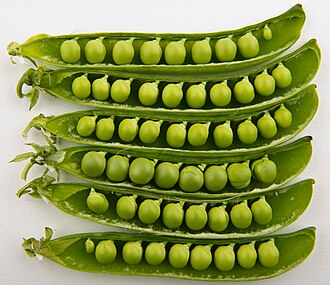
Photo: Wikipedia
These are vibrant, sweet green peas flash-frozen at peak freshness, then cooked with a touch of fat for a tender, slightly firm bite. They offer a comforting, starchy sweetness with a satisfying pop, and are a surprisingly good source of plant-based protein and fiber for a vegetable.
Calorie split: 20% protein · 55% carbs · 25% fat
↓ Full nutrition💚 Why it's loved
People love them for their inherent, garden-fresh sweetness and satisfying texture that elevates simple meals. They are a culinary chameleon, adding color, nutrition, and a touch of comfort to everything from risottos to side dishes across countless cuisines.
⚠️ Watch-outs & how to enjoy it better
The added fat and potential for added salt in preparation can increase calorie and sodium content. For those monitoring blood sugar, the carbohydrate count is notable; pairing them with a protein or healthy fat source can help moderate the glycemic response.
Key benefits
- Good source of plant-based protein (5g per 100g)
- High in dietary fiber (4.4g per 100g)
- Provides essential vitamins like vitamin K and folate
- Contains antioxidants like lutein and zeaxanthin
- Convenient, year-round source of nutrients
🍽️ Popular dishes
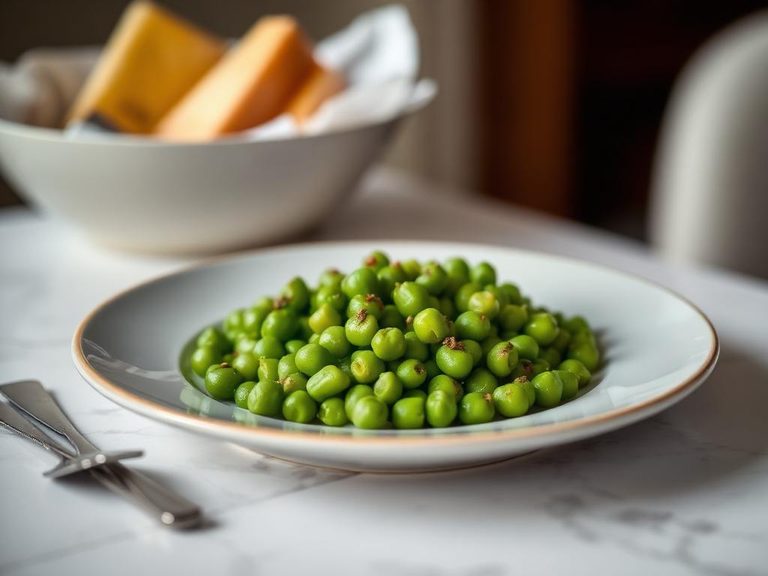

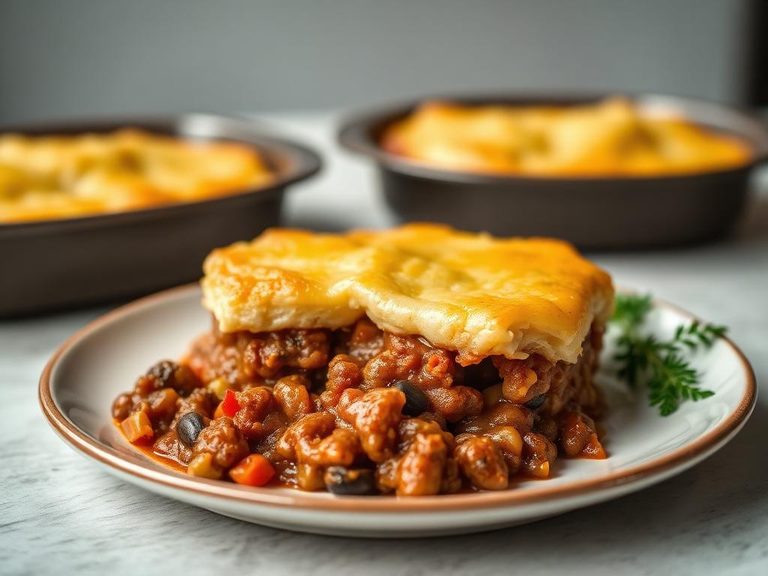
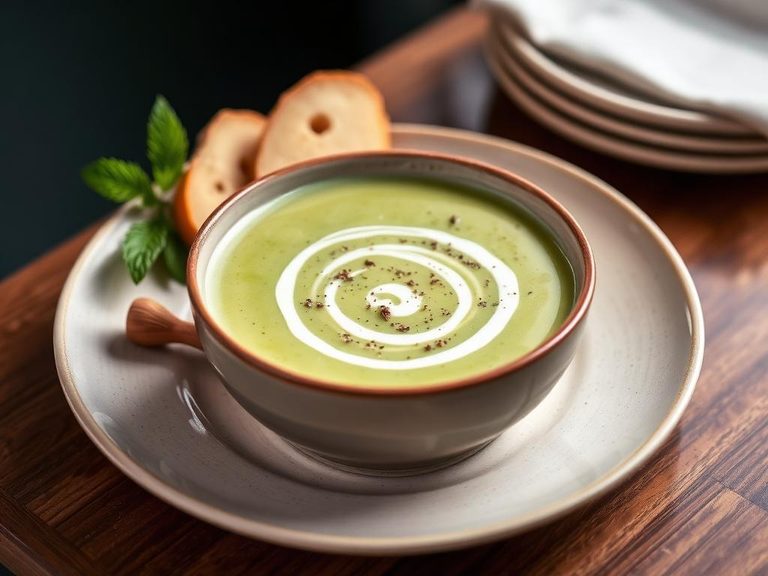
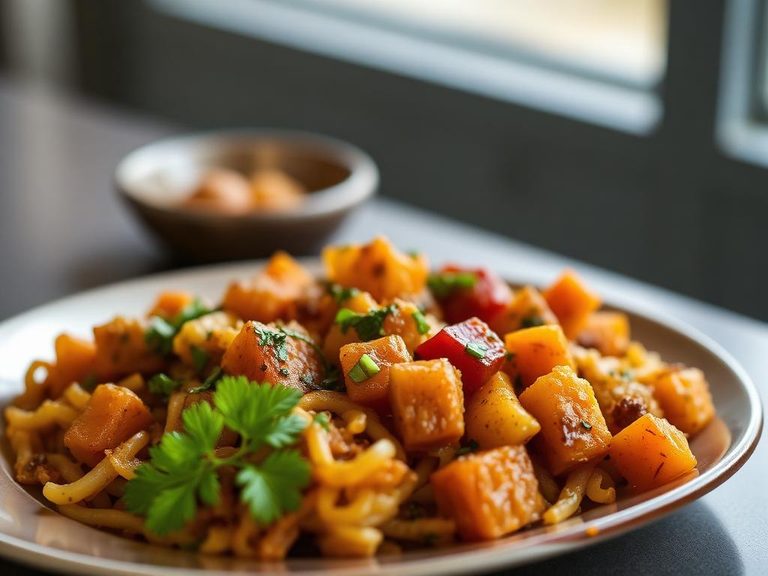
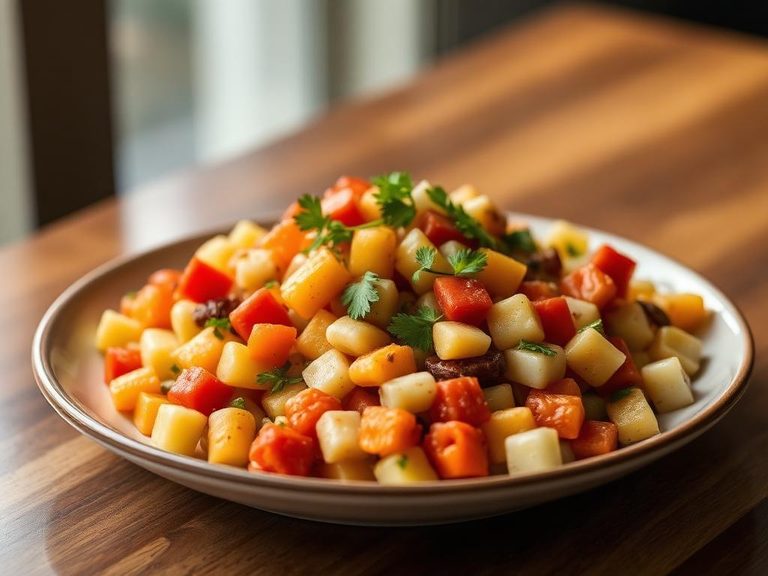
🌍 Where it's eaten
💡 Did you know?
The 'fat added, NS as to fat type' designation means the cooking fat wasn't specified, but it's often butter or oil, which helps the body absorb fat-soluble vitamins like vitamin K from the peas.
Full nutrition (USDA data · scales with serving)
| Water | 77.3 g |
| Energy | 98.0 kcal |
| Protein | 5.0 g |
| Total lipid (fat) | 2.8 g |
| Carbohydrate, by difference | 13.8 g |
| Fiber, total dietary | 4.4 g |
| Total Sugars | 4.3 g |
| Calcium, Ca | 24.0 mg |
| Iron, Fe | 1.5 mg |
| Magnesium, Mg | 21.0 mg |
| Phosphorus, P | 75.0 mg |
| Potassium, K | 107 mg |
| Sodium, Na | 191 mg |
| Zinc, Zn | 0.65 mg |
| Copper, Cu | 0.10 mg |
| Selenium, Se | 1.0 ug |
| Vitamin C, total ascorbic acid | 9.6 mg |
| Thiamin | 0.27 mg |
| Riboflavin | 0.10 mg |
| Niacin | 1.4 mg |
| Vitamin B-6 | 0.13 mg |
| Folate, total | 57.0 ug |
| Folic acid | 0.00 ug |
| Folate, food | 57.0 ug |
| Folate, DFE | 57.0 ug |
| Choline, total | 26.9 mg |
| Vitamin B-12 | 0.00 ug |
| Vitamin B-12, added | 0.00 ug |
| Vitamin A, RAE | 113 ug |
| Retinol | 11.0 ug |
| Carotene, beta | 1215 ug |
| Carotene, alpha | 19.0 ug |
| Cryptoxanthin, beta | 0.00 ug |
| Lycopene | 0.00 ug |
| Lutein + zeaxanthin | 2323 ug |
| Vitamin E (alpha-tocopherol) | 0.41 mg |
| Vitamin E, added | 0.00 mg |
| Vitamin D (D2 + D3) | 0.00 ug |
| Vitamin K (phylloquinone) | 25.3 ug |
| Alcohol, ethyl | 0.00 g |
| Caffeine | 0.00 mg |
| Theobromine | 0.00 mg |
Fat & fatty acid profile (per 100g)
| Fatty acids, total saturated | 0.71 g |
| SFA 4:0 | 0.02 g |
| SFA 6:0 | 0.01 g |
| SFA 8:0 | 0.01 g |
| SFA 10:0 | 0.02 g |
| SFA 12:0 | 0.02 g |
| SFA 14:0 | 0.06 g |
| SFA 16:0 | 0.41 g |
| SFA 18:0 | 0.14 g |
| Fatty acids, total monounsaturated | 0.93 g |
| MUFA 16:1 | 0.01 g |
| MUFA 18:1 | 0.89 g |
| MUFA 20:1 | 0.01 g |
| MUFA 22:1 | 0.00 g |
| Fatty acids, total polyunsaturated | 0.85 g |
| PUFA 18:2 | 0.75 g |
| PUFA 18:3 | 0.10 g |
| PUFA 18:4 | 0.00 g |
| PUFA 20:4 | 0.00 g |
| PUFA 20:5 n-3 (EPA) | 0.00 g |
| PUFA 22:5 n-3 (DPA) | 0.00 g |
| PUFA 22:6 n-3 (DHA) | 0.00 g |
| Cholesterol | 2.0 mg |
Amino acid profile (per 100g)
Estimated from Peas, green (includes baby and lesuer types), canned, drained solids, unprepared — USDA does not publish this profile for Green peas.
| Tryptophan | 0.03 g |
| Threonine | 0.17 g |
| Isoleucine | 0.16 g |
| Leucine | 0.27 g |
| Lysine | 0.26 g |
| Methionine | 0.07 g |
| Cystine | 0.03 g |
| Phenylalanine | 0.17 g |
| Tyrosine | 0.09 g |
| Valine | 0.19 g |
| Arginine | 0.35 g |
| Histidine | 0.09 g |
| Alanine | 0.20 g |
| Aspartic acid | 0.41 g |
| Glutamic acid | 0.61 g |
| Glycine | 0.15 g |
| Proline | 0.14 g |
| Serine | 0.15 g |
FAQ
Are frozen peas as nutritious as fresh?
Often, yes. Frozen peas are typically blanched and frozen within hours of harvest, which locks in nutrients like vitamin C and antioxidants that can degrade in fresh peas during transport and storage.
Why are they cooked with added fat?
A small amount of fat (like butter or oil) is often added during cooking or packaging to improve mouthfeel, enhance flavor, and help the body absorb fat-soluble vitamins (A, K, E) present in the peas.
How can I reduce the sodium or fat from pre-cooked frozen peas?
Rinse them briefly under cool water after thawing to reduce surface sodium. To control fat, look for 'no salt added' or plain frozen peas and add your own measured amount of a healthy fat like olive oil during final heating.
Nutrient density (calculated · NRF9.3)
Nutrient Rich Foods index: beneficial nutrients (protein, fiber, vitamins, minerals) minus saturated fat, added sugar & sodium, per 100 kcal.
NRF9.3 index — Fulgoni, Keast & Drewnowski, 2009. Computed from USDA nutrients.
Weight-loss friendliness (composite index)
Energy density 0.98 kcal/g · 20% calories from protein · 4.4 g fiber · 4.3 g sugar per 100 g.
Composite of energy density (Rolls et al., 1999), protein & fiber satiety, minus sugar. A calculated heuristic — ranks satiety-per-calorie, not a clinical measure.
Dietary load (calculated from USDA values)
Potential renal acid load. Positive = acid-forming, negative = alkaline-forming.
Sodium-to-potassium ratio: 1.79 (lower is better — aim for ≤ 1)
Sodium:potassium per WHO potassium guidance. Computed from USDA nutrients.