

Green peas, cooked, from restaurant
Common food
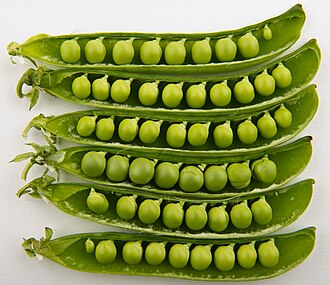
Photo: Wikipedia
Bright, sweet, and satisfyingly starchy, cooked green peas offer a tender pop with a fresh, garden-like flavor. Nutritionally, they are a standout for their high fiber and protein content relative to their calorie count, making them a surprisingly filling vegetable side.
Calorie split: 18% protein · 47% carbs · 35% fat
↓ Full nutrition💚 Why it's loved
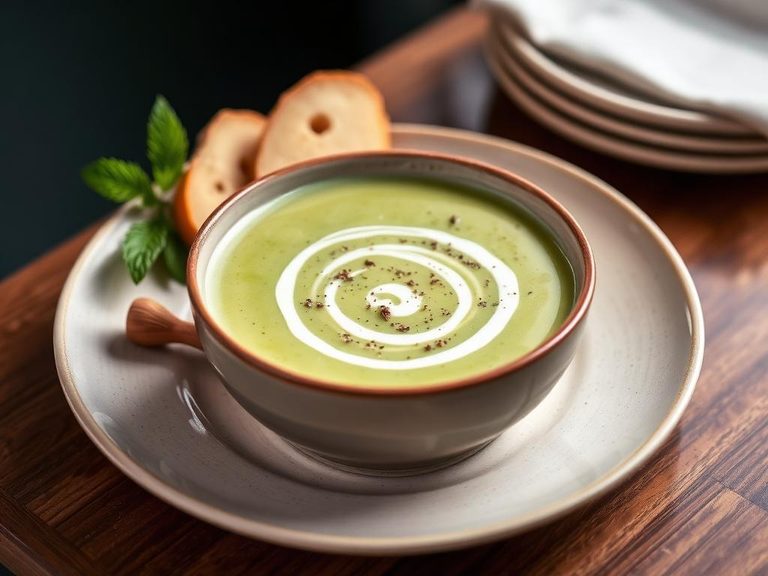
People adore green peas for their natural sweetness, vibrant color, and incredible versatility—they can elevate a simple side, blend into a creamy soup, or add a fresh bite to a hearty stew.
⚠️ Watch-outs & how to enjoy it better
For some, peas can cause digestive gas or bloating due to their fiber and oligosaccharide content. To counteract this, introduce them gradually into your diet, ensure they are well-cooked, and consider pairing them with digestive herbs like ginger or fennel. Those monitoring blood sugar should note their moderate carbohydrate content and pair with a protein or fat source.
Key benefits
- Excellent source of plant-based protein and dietary fiber
- Rich in essential vitamins like K, C, and B vitamins
- Contains antioxidants like lutein and zeaxanthin for eye health
- Low glycemic index helps with steady energy release
- Naturally gluten-free and low in fat
🍽️ Popular dishes

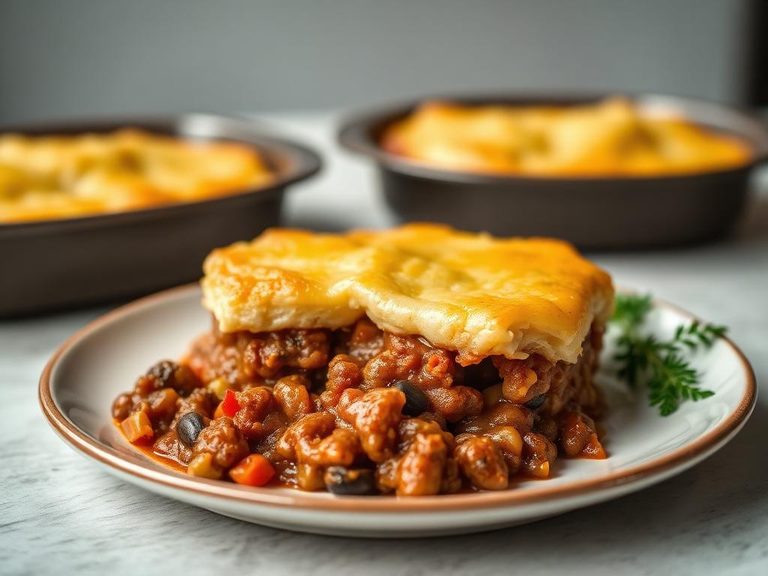
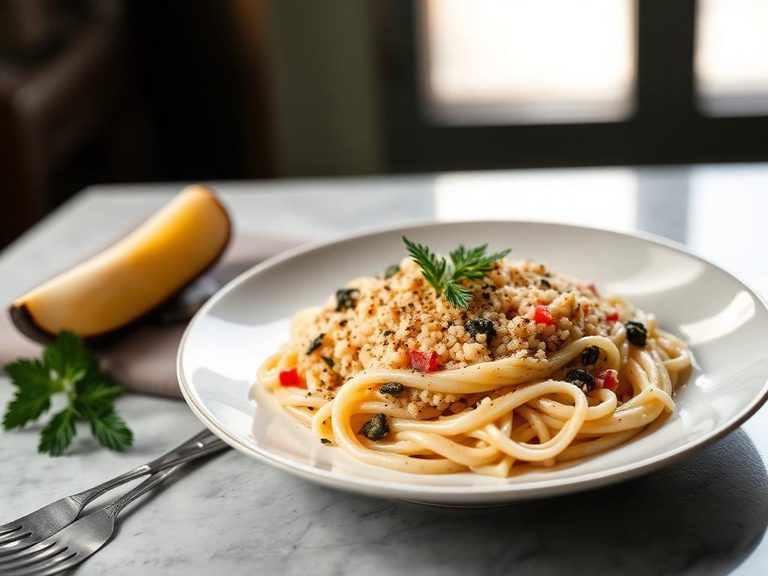
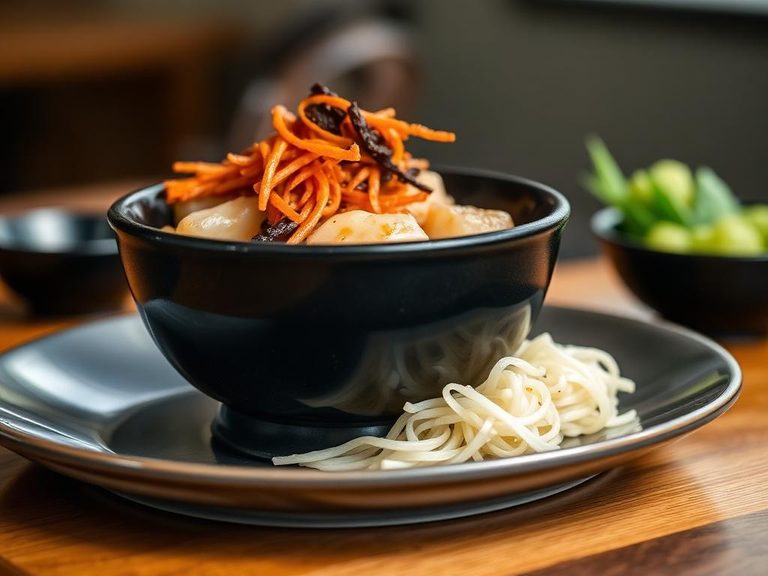
🌍 Where it's eaten
💡 Did you know?
Green peas are one of the earliest cultivated vegetables, with evidence of their use dating back to 7,000 B.C. in the Middle East.
Full nutrition (USDA data · scales with serving)
| Water | 74.3 g |
| Energy | 119 kcal |
| Protein | 5.4 g |
| Total lipid (fat) | 4.7 g |
| Carbohydrate, by difference | 14.3 g |
| Fiber, total dietary | 5.6 g |
| Total Sugars | 5.6 g |
| Calcium, Ca | 25.0 mg |
| Iron, Fe | 1.5 mg |
| Magnesium, Mg | 33.0 mg |
| Phosphorus, P | 107 mg |
| Potassium, K | 242 mg |
| Sodium, Na | 211 mg |
| Zinc, Zn | 1.2 mg |
| Copper, Cu | 0.17 mg |
| Selenium, Se | 1.8 ug |
| Vitamin C, total ascorbic acid | 33.6 mg |
| Thiamin | 0.24 mg |
| Riboflavin | 0.12 mg |
| Niacin | 2.0 mg |
| Vitamin B-6 | 0.18 mg |
| Folate, total | 55.0 ug |
| Folic acid | 0.00 ug |
| Folate, food | 55.0 ug |
| Folate, DFE | 55.0 ug |
| Choline, total | 28.4 mg |
| Vitamin B-12 | 0.00 ug |
| Vitamin B-12, added | 0.00 ug |
| Vitamin A, RAE | 55.0 ug |
| Retinol | 19.0 ug |
| Carotene, beta | 430 ug |
| Carotene, alpha | 20.0 ug |
| Cryptoxanthin, beta | 0.00 ug |
| Lycopene | 0.00 ug |
| Lutein + zeaxanthin | 2323 ug |
| Vitamin E (alpha-tocopherol) | 0.78 mg |
| Vitamin E, added | 0.00 mg |
| Vitamin D (D2 + D3) | 0.00 ug |
| Vitamin K (phylloquinone) | 28.0 ug |
| Alcohol, ethyl | 0.00 g |
| Caffeine | 0.00 mg |
| Theobromine | 0.00 mg |
Fat & fatty acid profile (per 100g)
| Fatty acids, total saturated | 1.2 g |
| SFA 4:0 | 0.03 g |
| SFA 6:0 | 0.02 g |
| SFA 8:0 | 0.01 g |
| SFA 10:0 | 0.03 g |
| SFA 12:0 | 0.03 g |
| SFA 14:0 | 0.11 g |
| SFA 16:0 | 0.68 g |
| SFA 18:0 | 0.24 g |
| Fatty acids, total monounsaturated | 1.6 g |
| MUFA 16:1 | 0.02 g |
| MUFA 18:1 | 1.5 g |
| MUFA 20:1 | 0.02 g |
| MUFA 22:1 | 0.00 g |
| Fatty acids, total polyunsaturated | 1.4 g |
| PUFA 18:2 | 1.3 g |
| PUFA 18:3 | 0.17 g |
| PUFA 18:4 | 0.00 g |
| PUFA 20:4 | 0.00 g |
| PUFA 20:5 n-3 (EPA) | 0.00 g |
| PUFA 22:5 n-3 (DPA) | 0.00 g |
| PUFA 22:6 n-3 (DHA) | 0.00 g |
| Cholesterol | 3.0 mg |
Amino acid profile (per 100g)
Estimated from Peas, green (includes baby and lesuer types), canned, drained solids, unprepared — USDA does not publish this profile for Green peas.
| Tryptophan | 0.03 g |
| Threonine | 0.17 g |
| Isoleucine | 0.16 g |
| Leucine | 0.27 g |
| Lysine | 0.26 g |
| Methionine | 0.07 g |
| Cystine | 0.03 g |
| Phenylalanine | 0.17 g |
| Tyrosine | 0.09 g |
| Valine | 0.19 g |
| Arginine | 0.35 g |
| Histidine | 0.09 g |
| Alanine | 0.20 g |
| Aspartic acid | 0.41 g |
| Glutamic acid | 0.61 g |
| Glycine | 0.15 g |
| Proline | 0.14 g |
| Serine | 0.15 g |
FAQ
Are canned or frozen peas as nutritious as fresh?
Frozen peas are often flash-frozen at peak ripeness, retaining most of their nutrients, sometimes even better than 'fresh' peas that have traveled long distances. Canned peas may have added sodium and a softer texture but still provide good nutrition.
Why do restaurant peas sometimes taste sweeter?
Restaurants often use frozen peas, which are picked and frozen quickly, preserving their natural sugars. They may also add a small amount of sugar or butter during cooking to enhance flavor and glaze.
Can I eat the pod of a green pea?
The pods of garden peas (the starchy kind) are typically tough and fibrous and are not eaten. However, the entire pod of a snow pea or sugar snap pea is edible and delicious.
Nutrient density (calculated · NRF9.3)
Nutrient Rich Foods index: beneficial nutrients (protein, fiber, vitamins, minerals) minus saturated fat, added sugar & sodium, per 100 kcal.
NRF9.3 index — Fulgoni, Keast & Drewnowski, 2009. Computed from USDA nutrients.
Weight-loss friendliness (composite index)
Energy density 1.19 kcal/g · 18% calories from protein · 5.6 g fiber · 5.6 g sugar per 100 g.
Composite of energy density (Rolls et al., 1999), protein & fiber satiety, minus sugar. A calculated heuristic — ranks satiety-per-calorie, not a clinical measure.
Dietary load (calculated from USDA values)
Potential renal acid load. Positive = acid-forming, negative = alkaline-forming.
Sodium-to-potassium ratio: 0.87 (lower is better — aim for ≤ 1)
Sodium:potassium per WHO potassium guidance. Computed from USDA nutrients.