Pav Bhaji
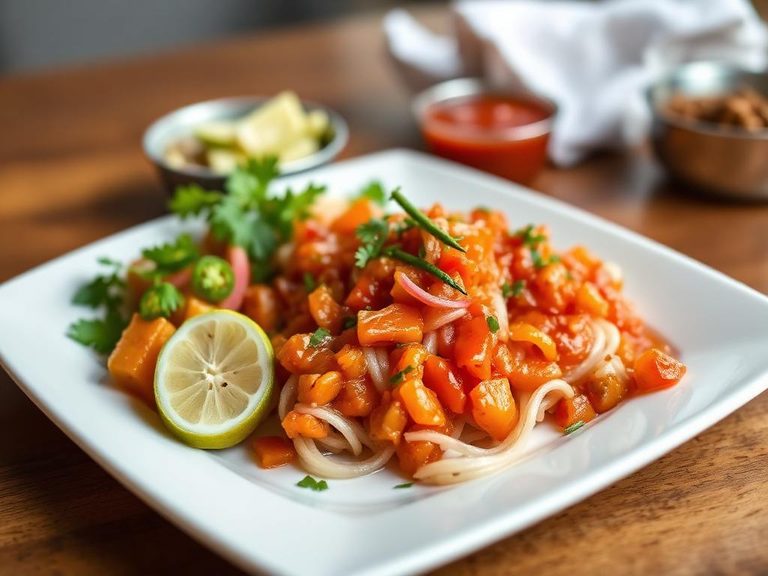
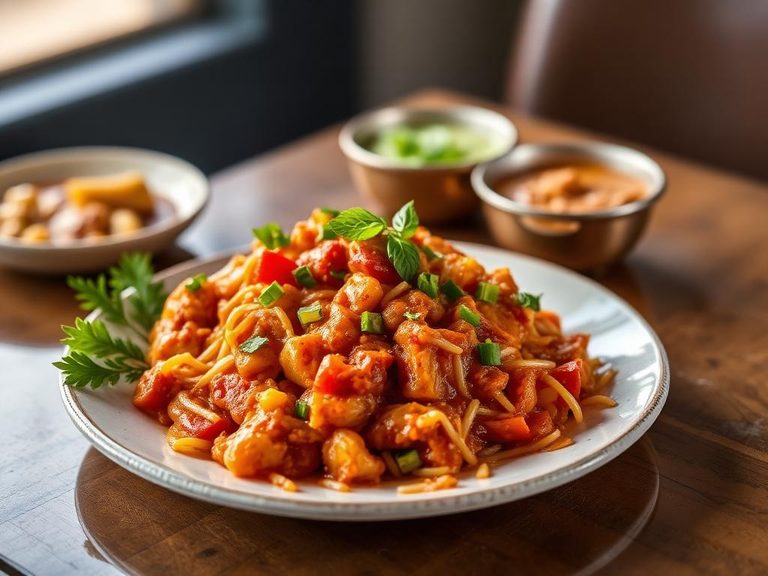
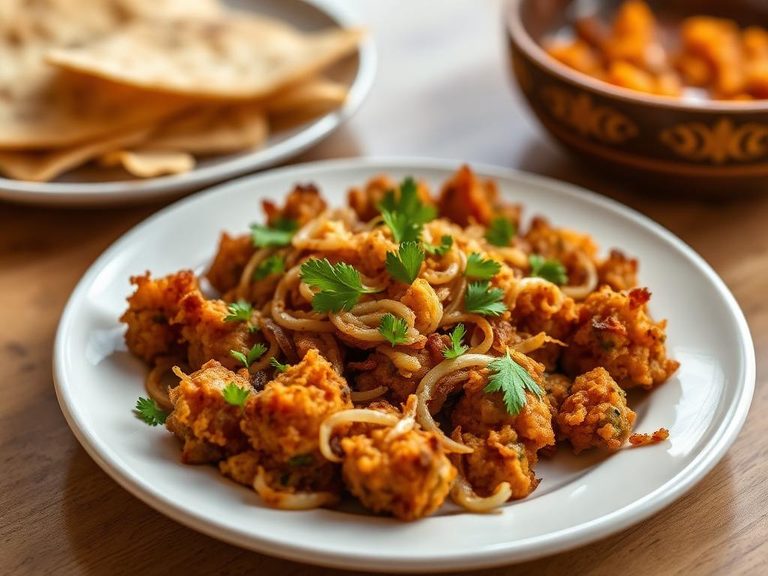
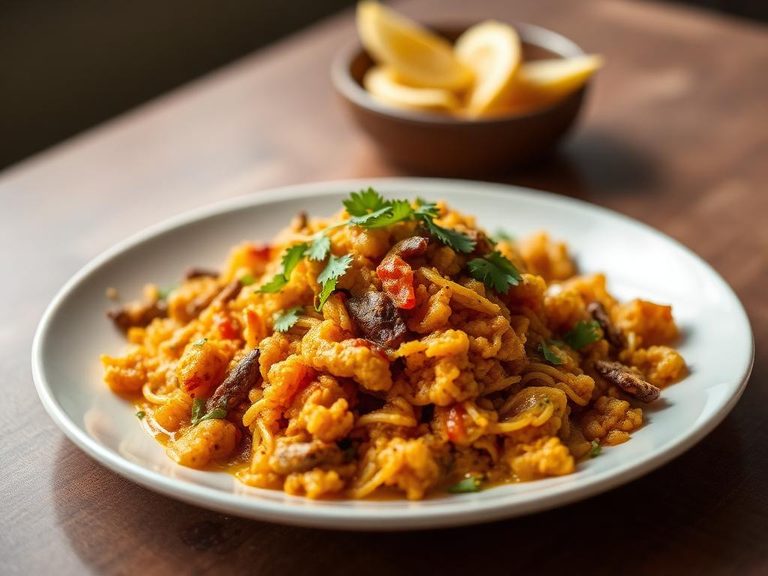
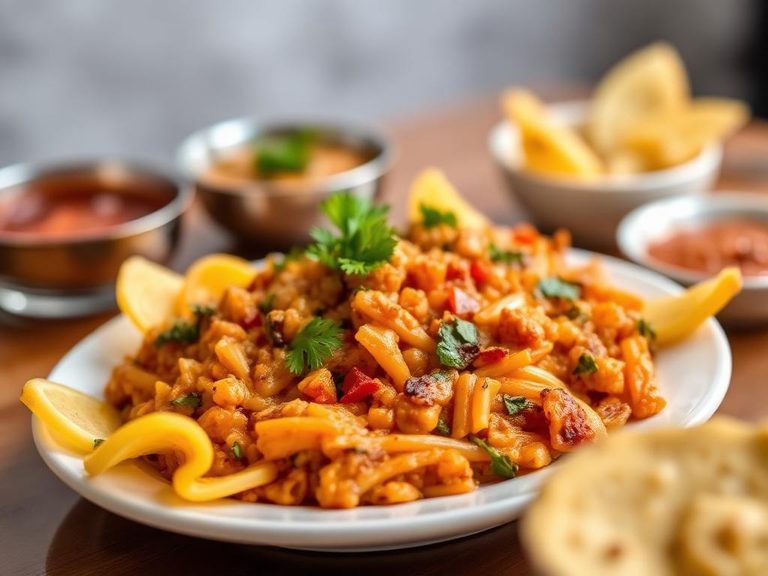
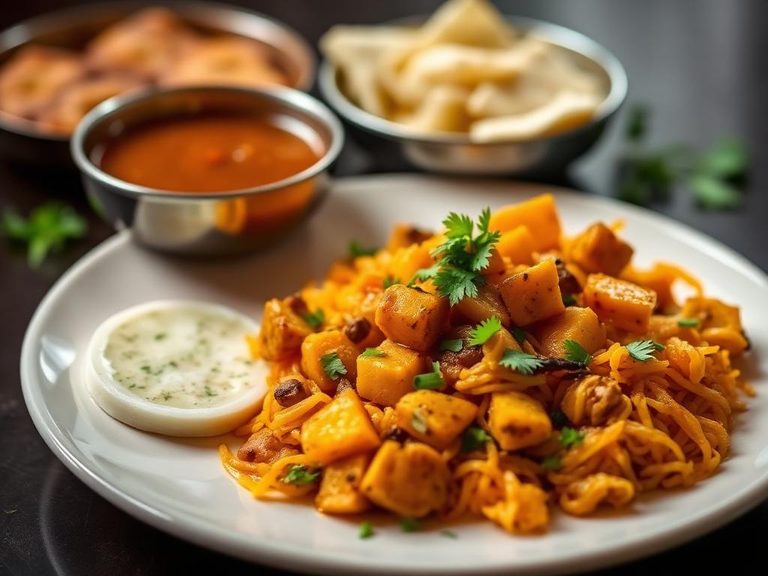
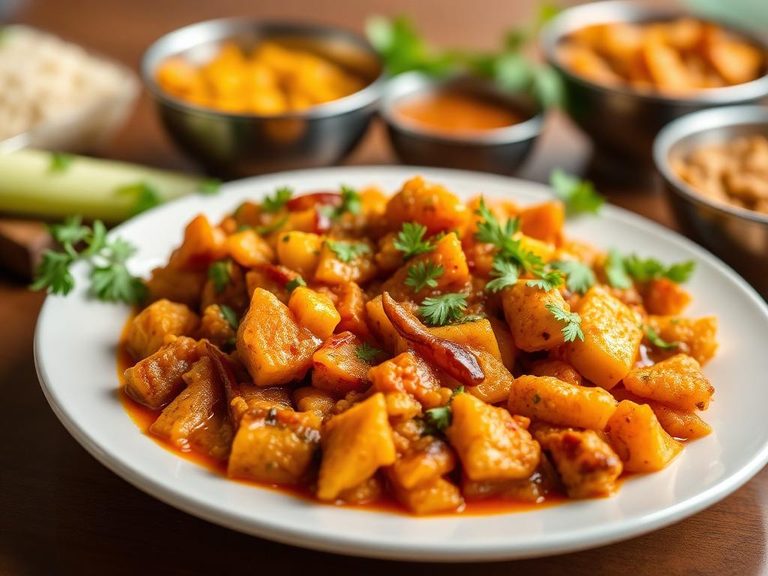
Pav Bhaji is a beloved street food from Mumbai, India, consisting of a thick, spiced vegetable mash (bhaji) served with soft, butter-toasted bread rolls (pav). The bhaji typically includes a medley of mashed vegetables like potatoes, tomatoes, onions, peas, and bell peppers, cooked with a special blend of spices. It's a hearty, flavorful dish that originated in the 1850s as a quick, nutritious meal for textile mill workers.
🍽️ Nutrition at a glance
This dish is primarily carbohydrate-rich from the potatoes and bread, with moderate fat content from generous butter usage and some plant-based protein from the mixed vegetables. A typical serving provides around 400-500 calories, along with fiber, vitamins A and C, and potassium from the vegetable components.
Nutrition breakdown
| Calories | 450 kcal |
| Protein | 10 g |
| Carbs | 60 g |
| Fat | 18 g |
| Fiber | 8 g |
| Sugar | 6 g |
| Sodium | 900 mg |
| Vitamin C | 45 mg |
| Vitamin A | 300 mcg |
| Potassium | 400 mg |
| Iron | 3.5 mg |
| Calcium | 80 mg |
| Vitamin B6 | 0.4 mg |
| Folate | 60 mcg |
| Magnesium | 40 mg |
Per 1 plate (300 g) · estimated, varies by recipe
💡 What's interesting
What makes Pav Bhaji culturally unique is its role as Mumbai's ultimate comfort food that transcends social classes, often enjoyed at bustling street stalls late into the night. Nutritionally, it's interesting how the cooking method—mashing and slow-cooking vegetables with spices—actually increases the bioavailability of certain nutrients while creating a surprisingly balanced meal from humble ingredients.