Indian Pav Bhaji
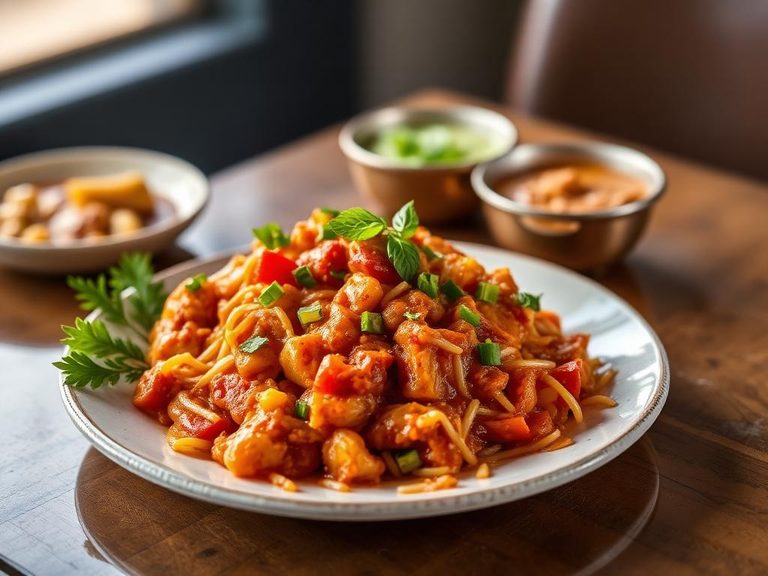
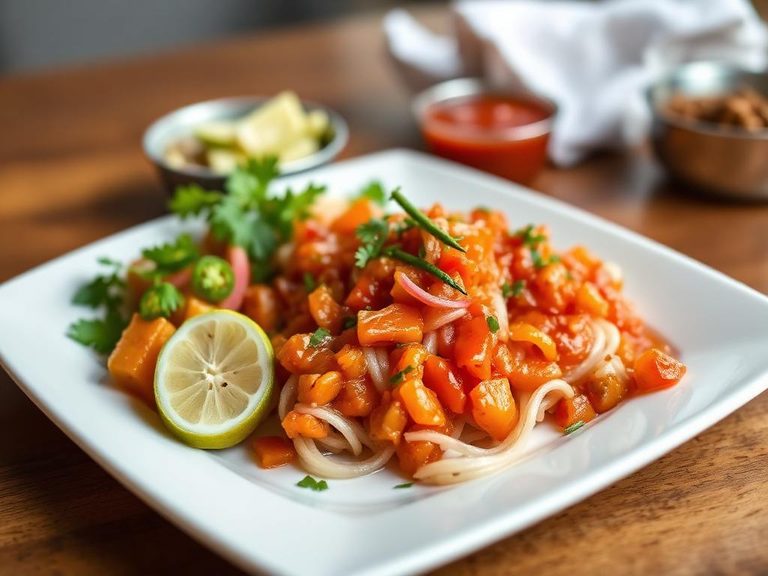
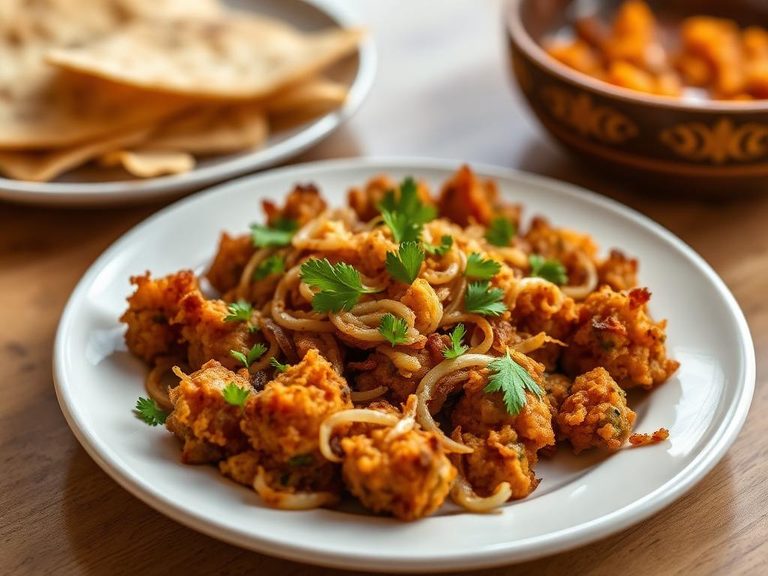
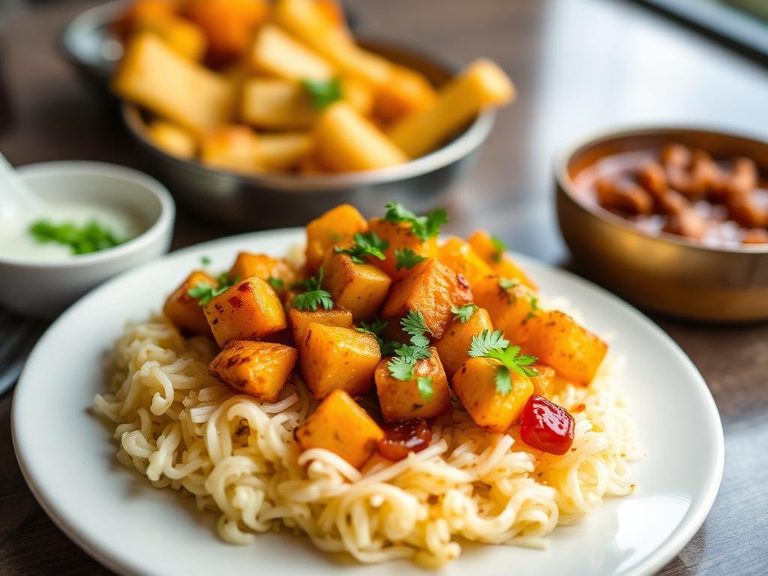
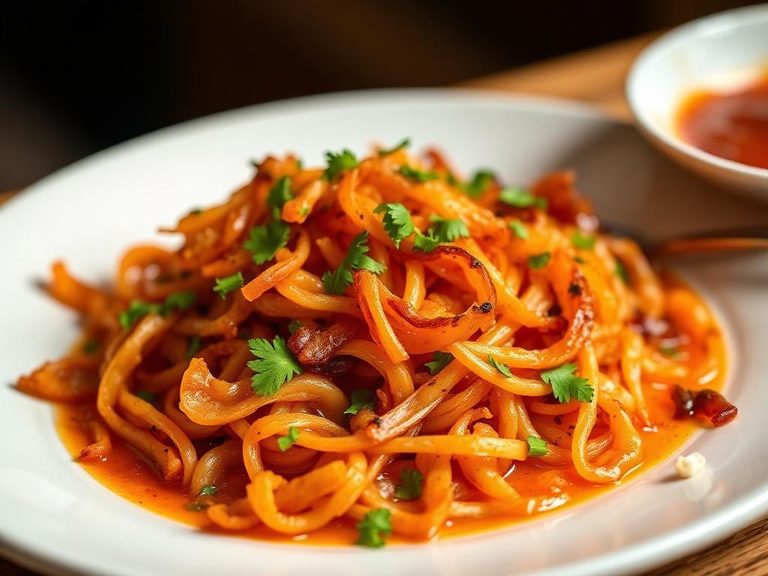
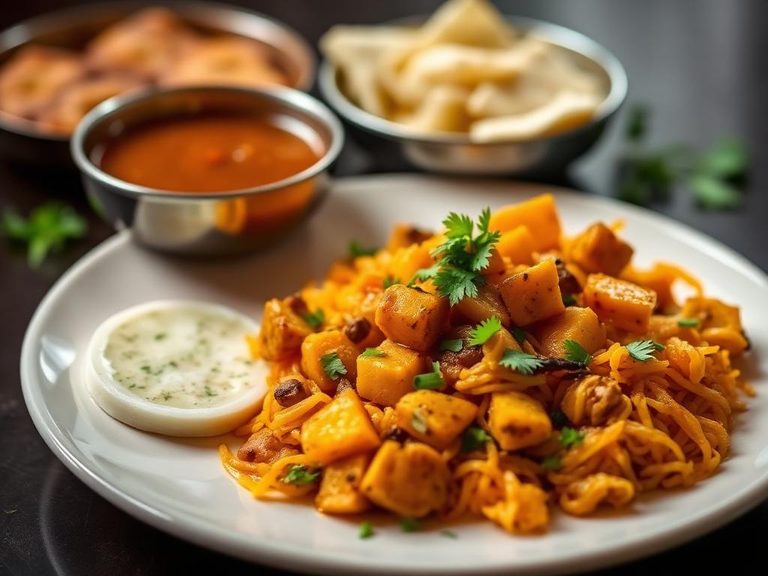
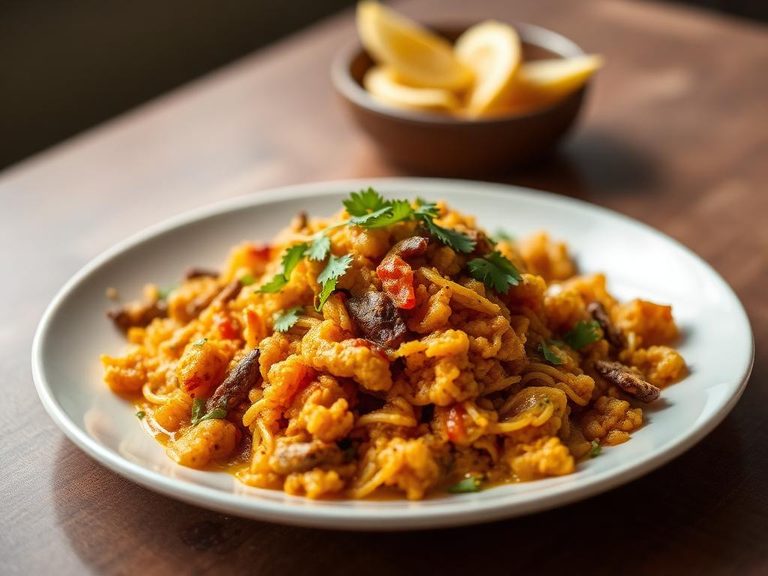
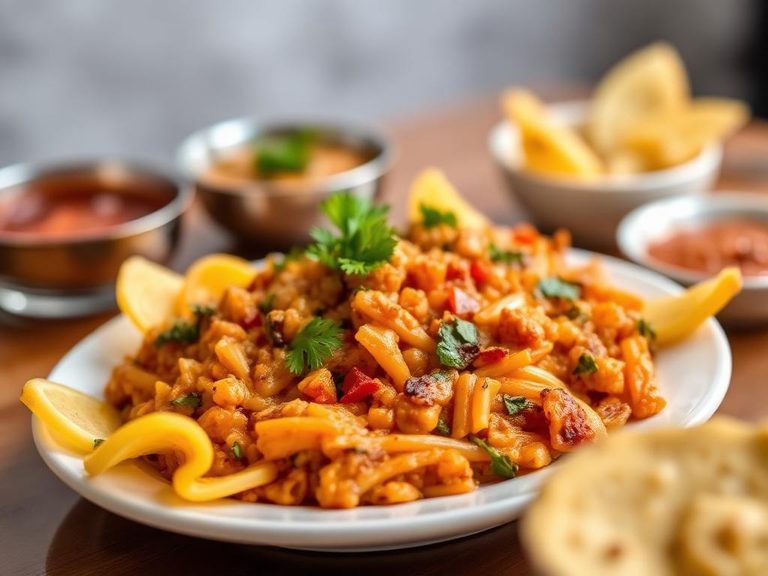
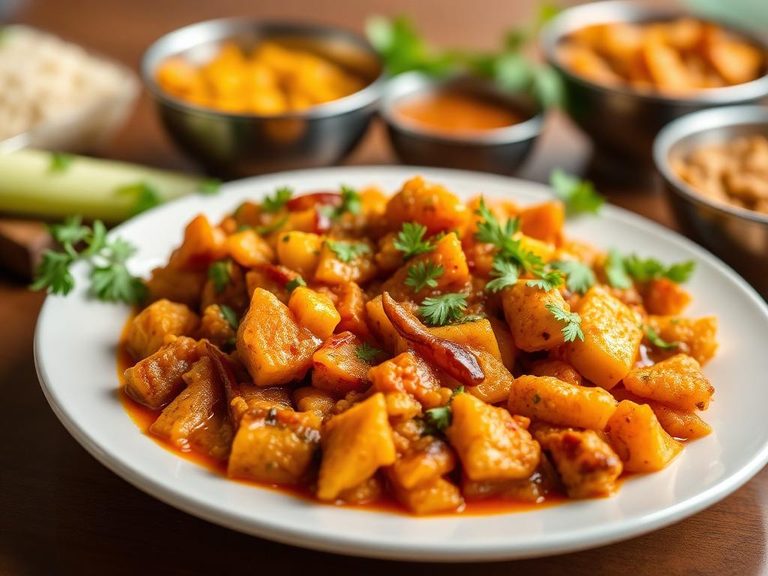
Pav Bhaji is a beloved Indian street food originating from Mumbai, featuring a thick, spiced vegetable mash (bhaji) served with soft, butter-toasted bread rolls (pav). The bhaji is typically made from a medley of mashed vegetables like potatoes, tomatoes, onions, peas, and bell peppers, cooked with a special blend of spices. It's a hearty, flavorful dish that's become a staple across India and in Indian restaurants worldwide.
🍽️ Nutrition at a glance
Pav Bhaji is generally high in carbohydrates from the potatoes and bread, with moderate fat content from the generous use of butter. It provides a good mix of vitamins and fiber from the vegetables, and a typical serving ranges from 400-600 calories depending on portion size and butter quantity.
Nutrition breakdown
| Calories | 450 kcal |
| Protein | 12 g |
| Carbs | 60 g |
| Fat | 18 g |
| Fiber | 8 g |
| Sugar | 10 g |
| Sodium | 850 mg |
| Vitamin C | 45 mg |
| Vitamin A | 300 µg RAE |
| Iron | 3.5 mg |
| Calcium | 120 mg |
| Potassium | 450 mg |
| Folate | 80 µg |
| Vitamin B6 | 0.4 mg |
| Magnesium | 50 mg |
Per 1 plate (approx. 300 g, including 2 pav buns and bhaji) · estimated, varies by recipe
💡 What's interesting
Culturally, Pav Bhaji originated as a quick, nutritious meal for textile mill workers in 19th-century Mumbai, using leftover vegetables to create a filling dish. Nutritionally, it's unique because the cooking and mashing process helps retain the nutrients from multiple vegetables in a single, easily digestible form.