

Fruit juice, NFS
Common food
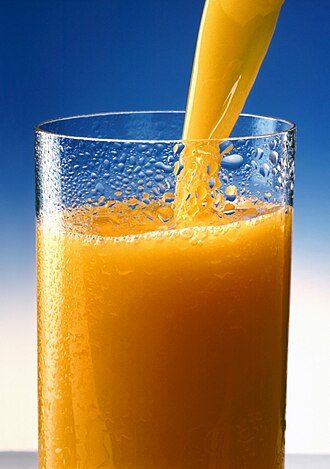
Photo: Wikipedia
Fruit juice, NFS (Not Further Specified) is a clear, often brightly colored liquid extracted from various fruits, offering a pure, concentrated burst of natural sweetness and acidity. Its texture is uniformly smooth and thin, devoid of pulp or fiber unless specified. Nutritionally, it's a significant source of quick-digesting carbohydrates, primarily from natural sugars like fructose, with minimal protein or fat.
Calorie split: 2% protein · 93% carbs · 5% fat
↓ Full nutrition💚 Why it's loved
People love it for its immediate, refreshing sweetness and the pure, unadulterated flavor of fruit it delivers without the effort of eating whole fruit. Its versatility makes it a staple for breakfast, a quick snack, or a key ingredient in both sweet and savory recipes.
⚠️ Watch-outs & how to enjoy it better
The primary downside is its high concentration of free sugars, which can cause rapid blood-sugar spikes and lacks the fiber of whole fruit to slow absorption. Those monitoring glycemic index or calorie intake should be cautious. To counteract this, pair it with a source of protein or healthy fat (like nuts or yogurt) to blunt the glucose response, or opt for a smaller portion (4-6 oz) and dilute it with water or sparkling water.
Key benefits
- Provides quick energy from natural fruit sugars.
- Contains small amounts of vitamins and antioxidants depending on the fruit source.
- Offers hydration and is a palatable way to increase fluid intake.
- Can be a convenient source of certain micronutrients like potassium (in orange juice) or vitamin C.
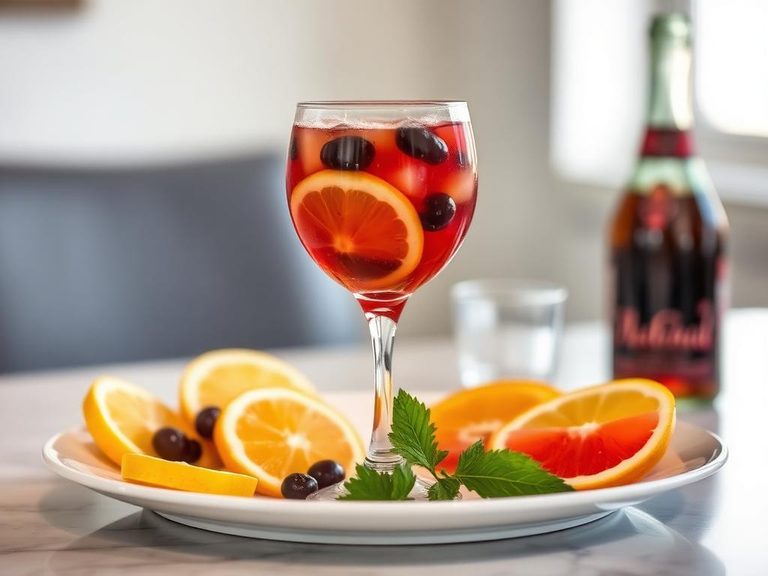
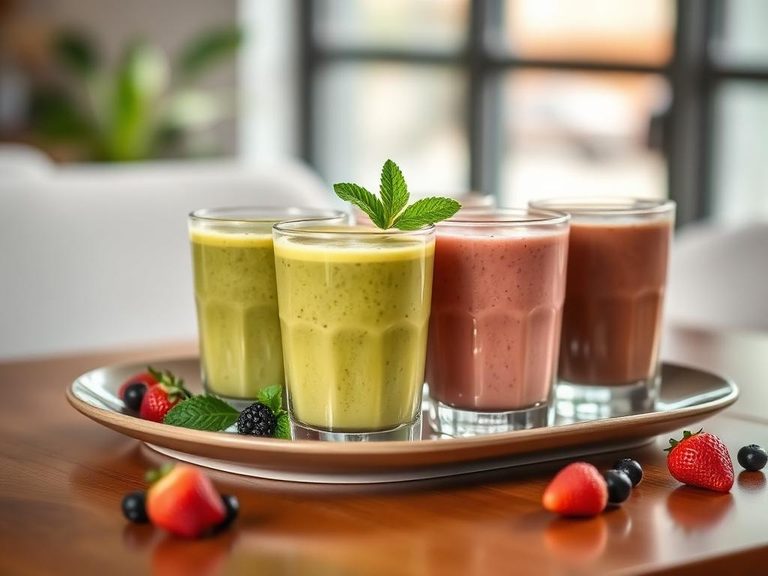
- Serves as a versatile base for smoothies, cocktails, and culinary sauces.
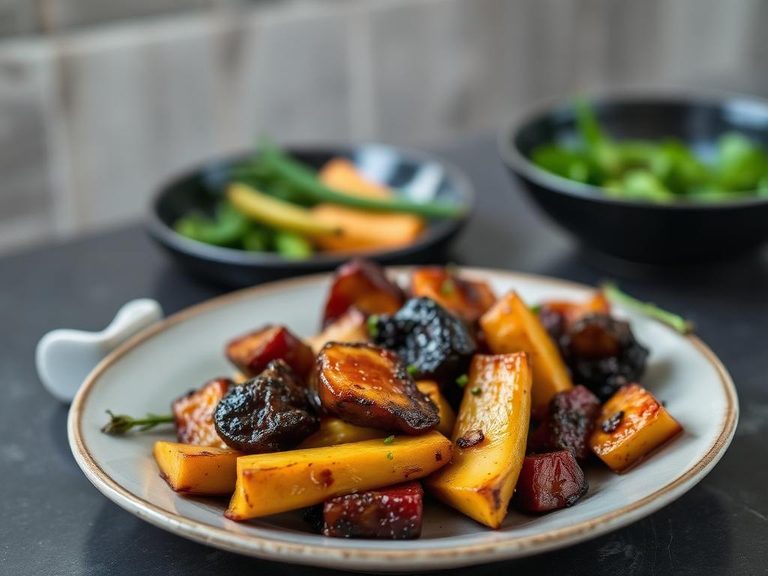
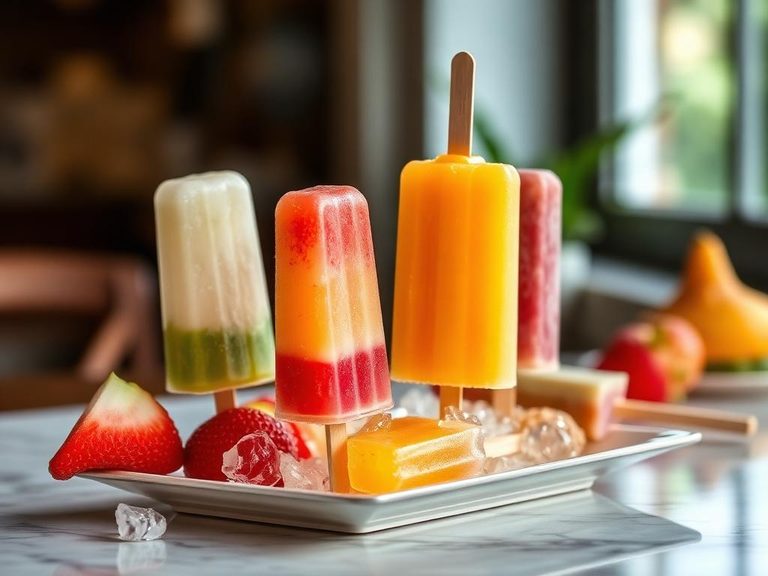
🍽️ Popular dishes

🌍 Where it's eaten
💡 Did you know?
The term 'NFS' in food databases like the USDA's is a catch-all category meaning the specific fruit or blend isn't identified, often representing a generic or composite product like 'fruit punch' or a store-brand 'assorted fruit juice'.
Full nutrition (USDA data · scales with serving)
| Water | 87.1 g |
| Energy | 51.0 kcal |
| Protein | 0.29 g |
| Total lipid (fat) | 0.26 g |
| Carbohydrate, by difference | 12.1 g |
| Fiber, total dietary | 0.20 g |
| Total Sugars | 10.4 g |
| Calcium, Ca | 21.0 mg |
| Iron, Fe | 0.08 mg |
| Magnesium, Mg | 7.0 mg |
| Phosphorus, P | 11.0 mg |
| Potassium, K | 104 mg |
| Sodium, Na | 5.0 mg |
| Zinc, Zn | 0.03 mg |
| Copper, Cu | 0.01 mg |
| Selenium, Se | 0.10 ug |
| Vitamin C, total ascorbic acid | 34.7 mg |
| Thiamin | 0.03 mg |
| Riboflavin | 0.02 mg |
| Niacin | 0.04 mg |
| Vitamin B-6 | 0.03 mg |
| Folate, total | 9.0 ug |
| Folic acid | 0.00 ug |
| Folate, food | 9.0 ug |
| Folate, DFE | 9.0 ug |
| Choline, total | 3.5 mg |
| Vitamin B-12 | 0.00 ug |
| Vitamin B-12, added | 0.00 ug |
| Vitamin A, RAE | 1.0 ug |
| Retinol | 0.00 ug |
| Carotene, beta | 5.0 ug |
| Carotene, alpha | 2.0 ug |
| Cryptoxanthin, beta | 7.0 ug |
| Lycopene | 0.00 ug |
| Lutein + zeaxanthin | 35.0 ug |
| Vitamin E (alpha-tocopherol) | 0.13 mg |
| Vitamin E, added | 0.00 mg |
| Vitamin D (D2 + D3) | 0.10 ug |
| Vitamin K (phylloquinone) | 0.50 ug |
| Alcohol, ethyl | 0.00 g |
| Caffeine | 0.00 mg |
| Theobromine | 0.00 mg |
Fat & fatty acid profile (per 100g)
| Fatty acids, total saturated | 0.02 g |
| SFA 4:0 | 0.00 g |
| SFA 6:0 | 0.00 g |
| SFA 8:0 | 0.00 g |
| SFA 10:0 | 0.00 g |
| SFA 12:0 | 0.00 g |
| SFA 14:0 | 0.00 g |
| SFA 16:0 | 0.02 g |
| SFA 18:0 | 0.00 g |
| Fatty acids, total monounsaturated | 0.01 g |
| MUFA 16:1 | 0.00 g |
| MUFA 18:1 | 0.01 g |
| MUFA 20:1 | 0.00 g |
| MUFA 22:1 | 0.00 g |
| Fatty acids, total polyunsaturated | 0.03 g |
| PUFA 18:2 | 0.03 g |
| PUFA 18:3 | 0.01 g |
| PUFA 18:4 | 0.00 g |
| PUFA 20:4 | 0.00 g |
| PUFA 20:5 n-3 (EPA) | 0.00 g |
| PUFA 22:5 n-3 (DPA) | 0.00 g |
| PUFA 22:6 n-3 (DHA) | 0.00 g |
| Cholesterol | 0.00 mg |
Amino acid profile (per 100g)
Estimated from Babyfood, juice treats, fruit medley, toddler — USDA does not publish this profile for Fruit juice.
| Tryptophan | 0.00 g |
| Threonine | 0.00 g |
| Isoleucine | 0.00 g |
| Leucine | 0.00 g |
| Lysine | 0.00 g |
| Methionine | 0.00 g |
| Cystine | 0.00 g |
| Phenylalanine | 0.00 g |
| Tyrosine | 0.00 g |
| Valine | 0.00 g |
| Arginine | 0.00 g |
| Histidine | 0.00 g |
| Alanine | 0.00 g |
| Aspartic acid | 0.00 g |
| Glutamic acid | 0.00 g |
| Glycine | 0.00 g |
| Proline | 0.00 g |
| Serine | 0.00 g |
FAQ
Is fruit juice, NFS, the same as eating whole fruit?
No. While it contains some of the same vitamins and minerals, the juicing process removes most of the dietary fiber, which is crucial for slowing sugar absorption and promoting fullness. The sugar in juice is therefore more concentrated and absorbed faster.
Why is it labeled 'NFS'?
'NFS' stands for 'Not Further Specified.' It's used in nutritional databases when the exact fruit source isn't identified or when the product is a blend. It represents a generic or composite fruit juice for general nutritional analysis.
Can I use fruit juice, NFS, in cooking?
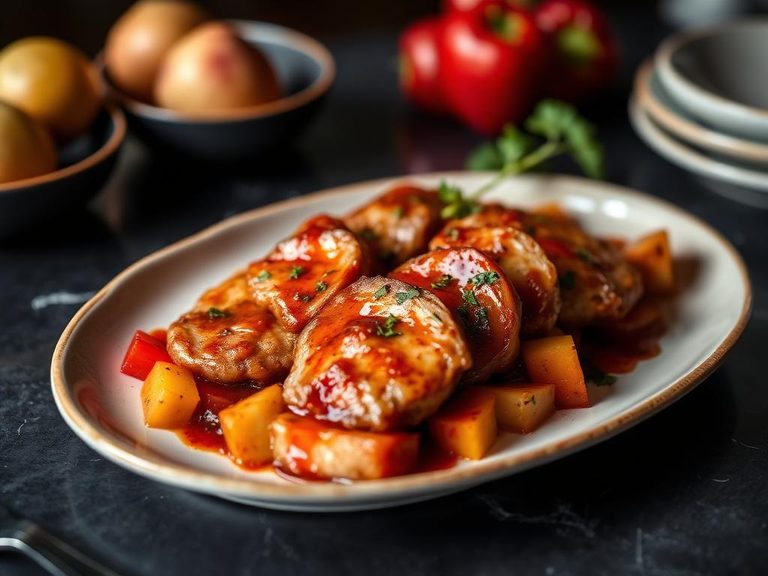
Absolutely. It's excellent for making sweet and tangy glazes for chicken or salmon, as a braising liquid for pork, in salad dressings, or as a base for reduction sauces. Its high sugar content helps with caramelization.
Nutrient density (calculated · NRF9.3)
Nutrient Rich Foods index: beneficial nutrients (protein, fiber, vitamins, minerals) minus saturated fat, added sugar & sodium, per 100 kcal.
NRF9.3 index — Fulgoni, Keast & Drewnowski, 2009. Computed from USDA nutrients.
Weight-loss friendliness (composite index)
Energy density 0.51 kcal/g · 2% calories from protein · 0.2 g fiber · 10.4 g sugar per 100 g.
Composite of energy density (Rolls et al., 1999), protein & fiber satiety, minus sugar. A calculated heuristic — ranks satiety-per-calorie, not a clinical measure.
Dietary load (calculated from USDA values)
Potential renal acid load. Positive = acid-forming, negative = alkaline-forming.
Sodium-to-potassium ratio: 0.05 (lower is better — aim for ≤ 1)
Sodium:potassium per WHO potassium guidance. Computed from USDA nutrients.