

Vegetable and fruit juice, 100% juice, with high vitamin C
Common food
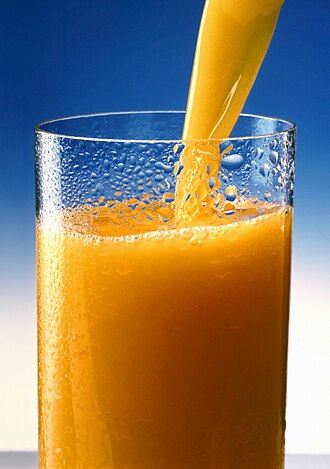
Photo: Wikipedia
A vibrant, smooth liquid blend of pureed vegetables and fruits, delivering a naturally sweet and tangy flavor with a refreshing, drinkable texture. This 100% juice is a concentrated source of hydration and micronutrients, particularly noted for its high vitamin C content, which supports immune function. With minimal calories and no added sugars, it offers a quick, nutrient-dense boost.
Calorie split: 3% protein · 97% carbs · 0% fat
↓ Full nutrition💚 Why it's loved
People love it for its bright, refreshing taste that can make nutrient intake feel like a treat. It's valued for its versatility as a morning starter, post-workout refresher, or a base for creative mocktails and smoothies.
⚠️ Watch-outs & how to enjoy it better
The high natural sugar content (over 10g per 100g) can cause rapid blood sugar spikes, especially for those with diabetes or insulin resistance. To counteract this, always pair it with a source of protein or healthy fat (like a handful of nuts or Greek yogurt) to slow sugar absorption. The lack of fiber means it doesn't provide the full satiety of whole fruits and vegetables, so portion control (e.g., 150ml) is key.
Key benefits
- Excellent source of vitamin C, an antioxidant that supports immune health and skin collagen production.
- Provides natural electrolytes and hydration from fruit and vegetable sources.
- Contains phytonutrients and antioxidants from a variety of produce.
- Low in calories and fat, making it a light, nutrient-rich beverage option.
- Offers a convenient way to consume a concentrated serving of fruits and vegetables.
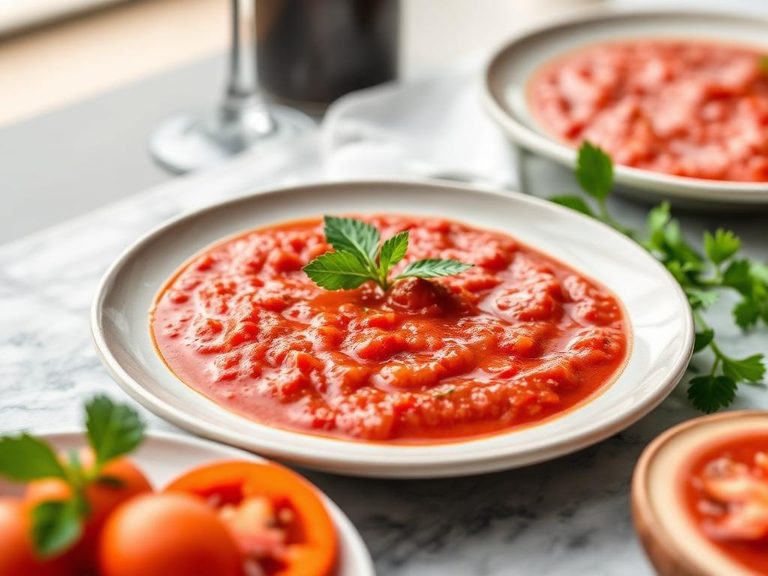
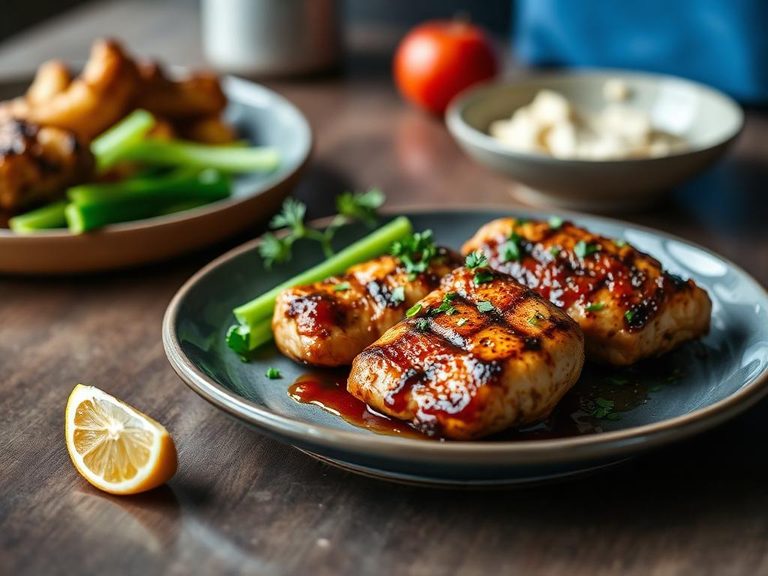
🍽️ Popular dishes
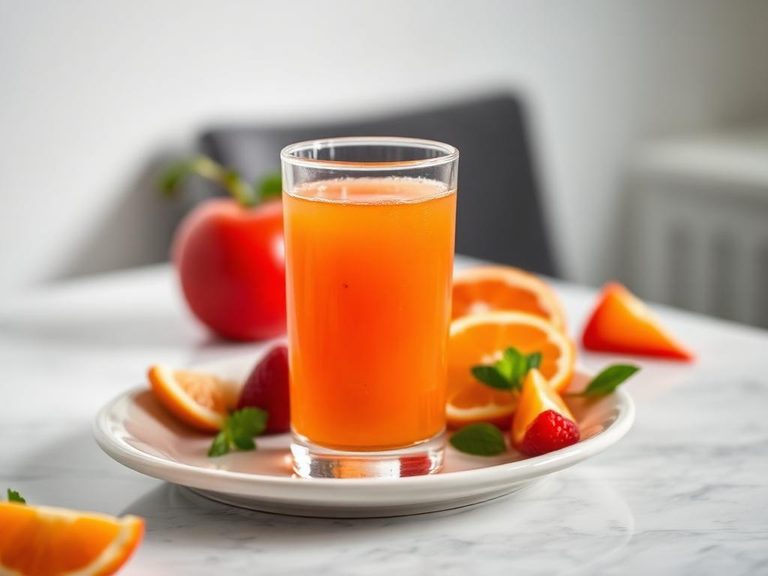
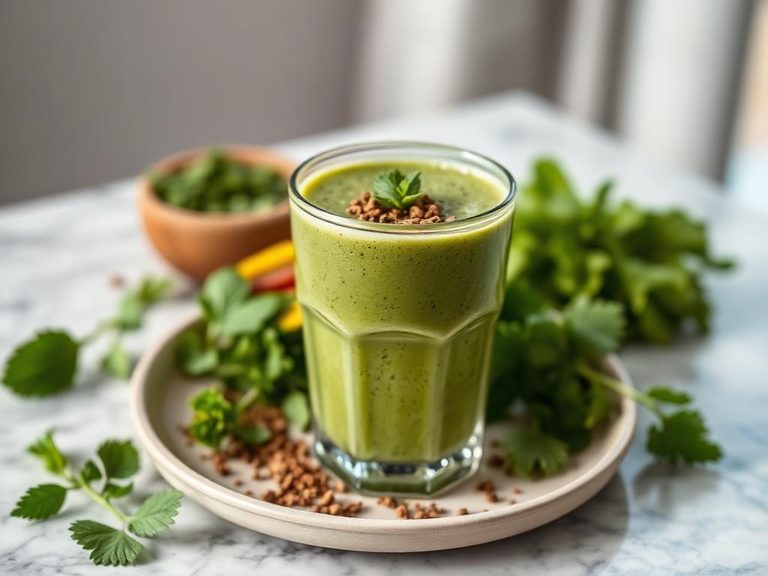
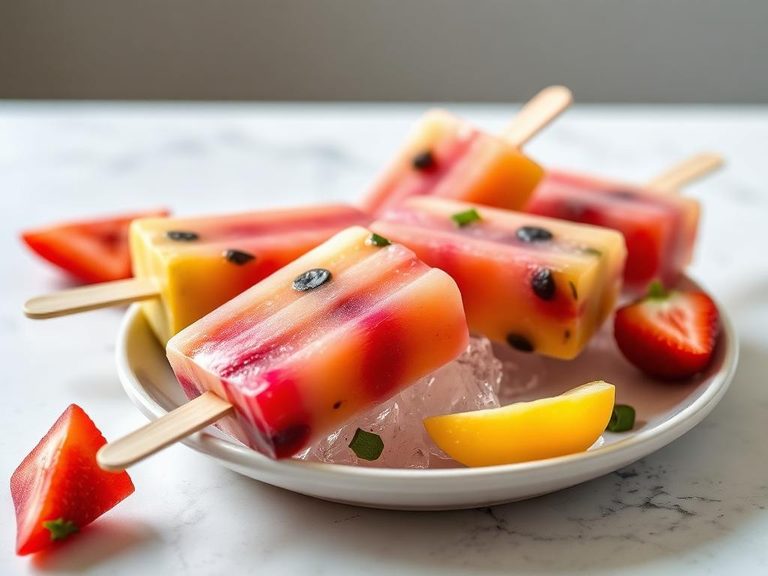

🌍 Where it's eaten
💡 Did you know?
The vitamin C in fresh juice begins to degrade upon exposure to light and air; a juice sealed in an opaque container and consumed within 24 hours of pressing can retain significantly more of this fragile nutrient than a bottle sitting on a store shelf for days.
Full nutrition (USDA data · scales with serving)
| Water | 88.4 g |
| Energy | 46.0 kcal |
| Protein | 0.30 g |
| Total lipid (fat) | 0.01 g |
| Carbohydrate, by difference | 11.2 g |
| Fiber, total dietary | 0.00 g |
| Total Sugars | 10.4 g |
| Calcium, Ca | 8.0 mg |
| Iron, Fe | 0.31 mg |
| Magnesium, Mg | 7.0 mg |
| Phosphorus, P | 1.0 mg |
| Potassium, K | 101 mg |
| Sodium, Na | 29.0 mg |
| Zinc, Zn | 0.01 mg |
| Copper, Cu | 0.01 mg |
| Selenium, Se | 0.00 ug |
| Vitamin C, total ascorbic acid | 28.5 mg |
| Thiamin | 0.00 mg |
| Riboflavin | 0.00 mg |
| Niacin | 0.01 mg |
| Vitamin B-6 | 0.02 mg |
| Folate, total | 3.0 ug |
| Folic acid | 0.00 ug |
| Folate, food | 3.0 ug |
| Folate, DFE | 3.0 ug |
| Choline, total | 0.20 mg |
| Vitamin B-12 | 0.00 ug |
| Vitamin B-12, added | 0.00 ug |
| Vitamin A, RAE | 36.0 ug |
| Retinol | 0.00 ug |
| Carotene, beta | 427 ug |
| Carotene, alpha | 1.0 ug |
| Cryptoxanthin, beta | 0.00 ug |
| Lycopene | 144 ug |
| Lutein + zeaxanthin | 2.0 ug |
| Vitamin E (alpha-tocopherol) | 0.87 mg |
| Vitamin E, added | 0.87 mg |
| Vitamin D (D2 + D3) | 0.00 ug |
| Vitamin K (phylloquinone) | 0.10 ug |
| Alcohol, ethyl | 0.00 g |
| Caffeine | 0.00 mg |
| Theobromine | 0.00 mg |
Fat & fatty acid profile (per 100g)
| Fatty acids, total saturated | 0.00 g |
| SFA 4:0 | 0.00 g |
| SFA 6:0 | 0.00 g |
| SFA 8:0 | 0.00 g |
| SFA 10:0 | 0.00 g |
| SFA 12:0 | 0.00 g |
| SFA 14:0 | 0.00 g |
| SFA 16:0 | 0.00 g |
| SFA 18:0 | 0.00 g |
| Fatty acids, total monounsaturated | 0.00 g |
| MUFA 16:1 | 0.00 g |
| MUFA 18:1 | 0.00 g |
| MUFA 20:1 | 0.00 g |
| MUFA 22:1 | 0.00 g |
| Fatty acids, total polyunsaturated | 0.00 g |
| PUFA 18:2 | 0.00 g |
| PUFA 18:3 | 0.00 g |
| PUFA 18:4 | 0.00 g |
| PUFA 20:4 | 0.00 g |
| PUFA 20:5 n-3 (EPA) | 0.00 g |
| PUFA 22:5 n-3 (DPA) | 0.00 g |
| PUFA 22:6 n-3 (DHA) | 0.00 g |
| Cholesterol | 0.00 mg |
FAQ
Is this juice a good replacement for eating whole fruits and vegetables?
It's a valuable supplement but not a full replacement. Juicing removes most of the dietary fiber found in whole produce, which is crucial for digestive health, blood sugar regulation, and feeling full. Think of it as a nutrient booster, not a substitute for whole foods.
Why is it called '100% juice' if it's a blend?
The '100%' means all the content comes from juiced fruits and vegetables, with no added water, sugars, or preservatives. A blend simply means the juice is made from a mixture of different produce items, like carrot, apple, and ginger.
How should I store it to preserve nutrients?
For maximum vitamin C retention, store it in an airtight, opaque container in the coldest part of your refrigerator (not the door) and consume it within 24-48 hours. Freezing in ice cube trays is also a great way to preserve it for longer use in smoothies.
Nutrient density (calculated · NRF9.3)
Nutrient Rich Foods index: beneficial nutrients (protein, fiber, vitamins, minerals) minus saturated fat, added sugar & sodium, per 100 kcal.
NRF9.3 index — Fulgoni, Keast & Drewnowski, 2009. Computed from USDA nutrients.
Weight-loss friendliness (composite index)
Energy density 0.46 kcal/g · 3% calories from protein · 0.0 g fiber · 10.4 g sugar per 100 g.
Composite of energy density (Rolls et al., 1999), protein & fiber satiety, minus sugar. A calculated heuristic — ranks satiety-per-calorie, not a clinical measure.
Dietary load (calculated from USDA values)
Potential renal acid load. Positive = acid-forming, negative = alkaline-forming.
Sodium-to-potassium ratio: 0.29 (lower is better — aim for ≤ 1)
Sodium:potassium per WHO potassium guidance. Computed from USDA nutrients.