

Fish sauce
Common food

Photo: Wikipedia
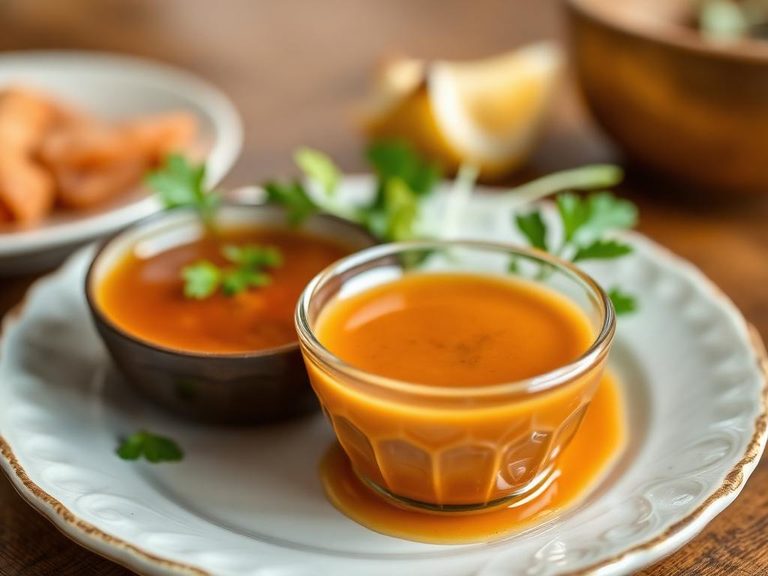
Fish sauce is a pungent, amber-colored liquid condiment made from fermenting fish with salt for months or years. It delivers an intense, savory umami depth with a salty, slightly sweet finish and a thin, watery texture. Despite its potent flavor, it is remarkably low in calories and fat, providing a significant protein boost per serving.
Calorie split: 58% protein · 42% carbs · 0% fat
↓ Full nutrition💚 Why it's loved
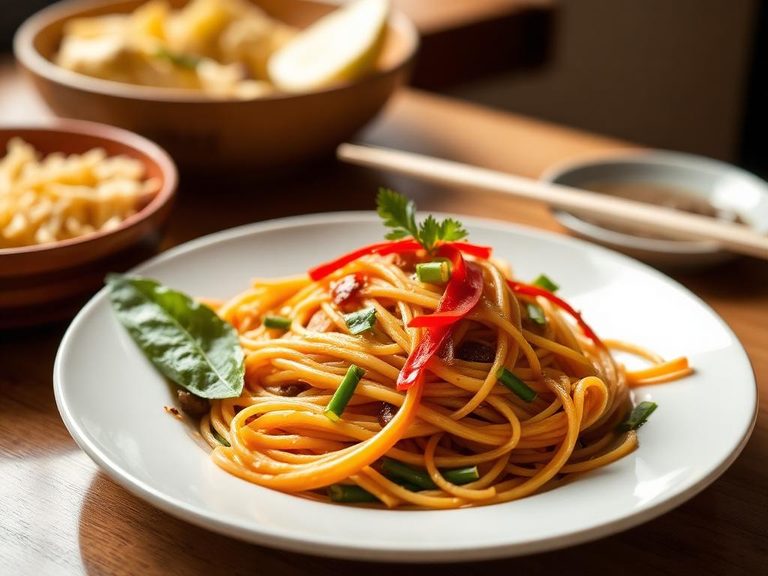
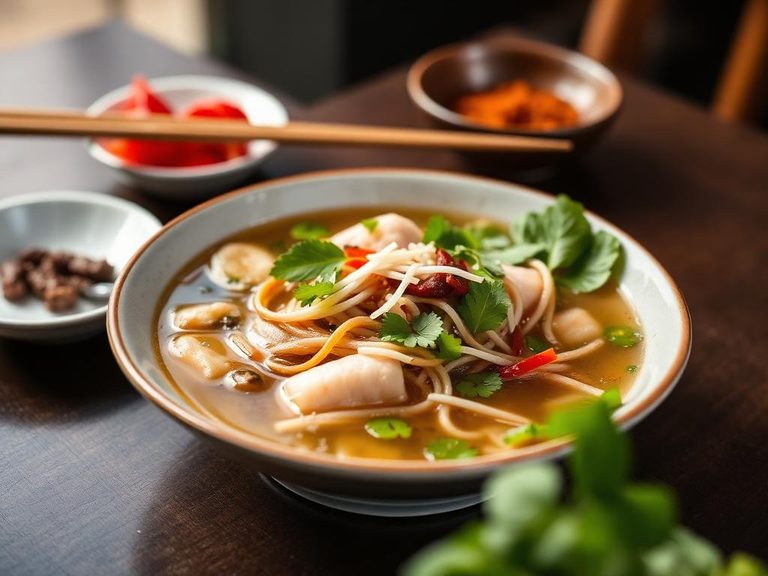
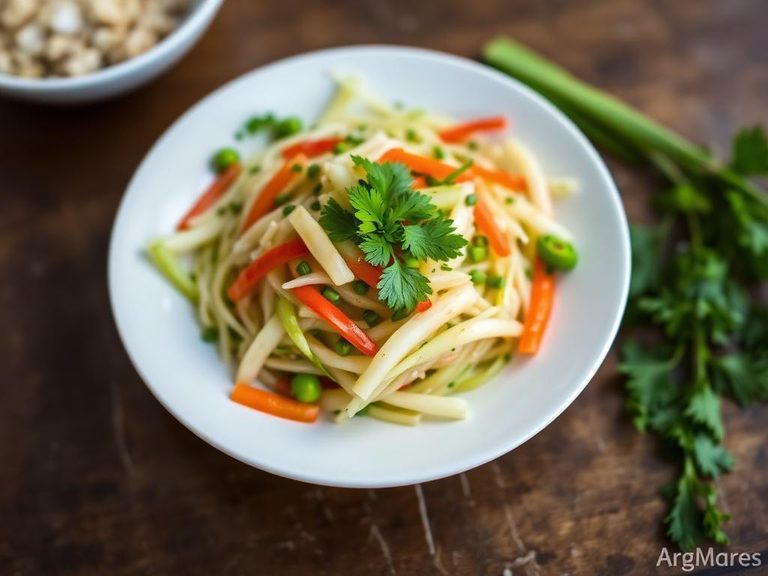
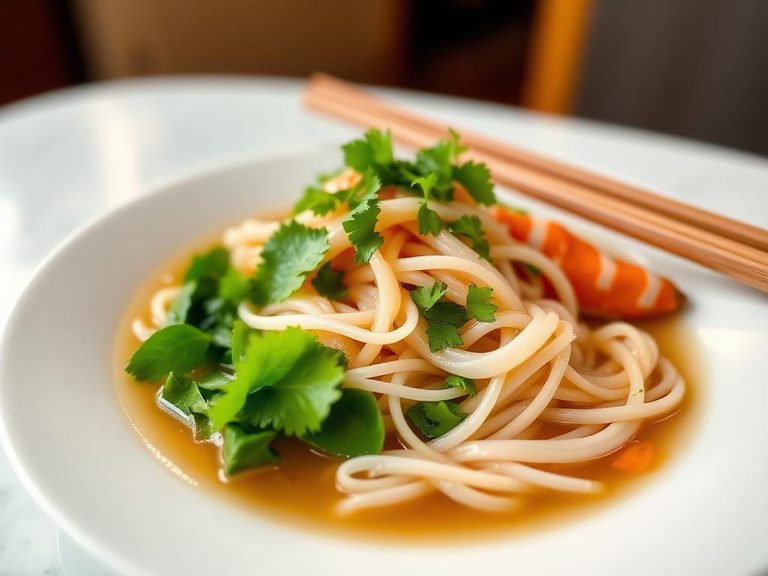
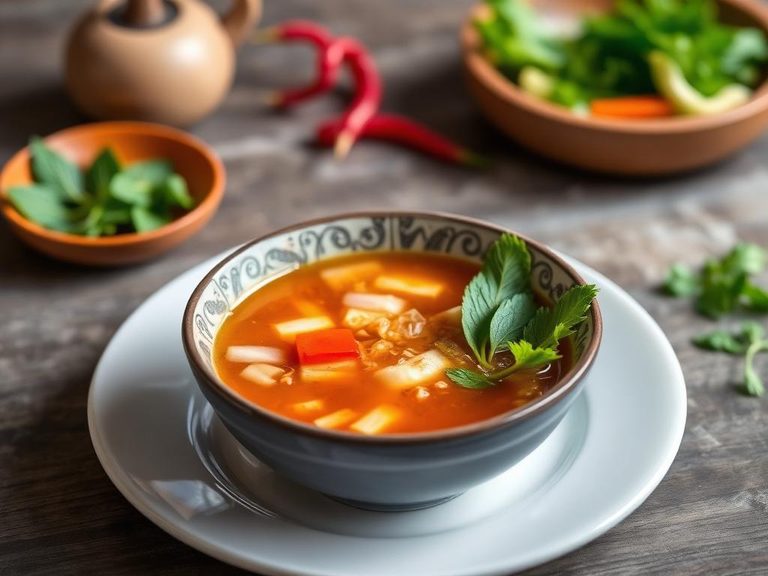
People love fish sauce for its unparalleled ability to add a complex, savory backbone to dishes, transforming simple ingredients into deeply flavorful meals. It is a cornerstone of Southeast Asian cooking, valued for its versatility in marinades, dipping sauces, stir-fries, and soups.
⚠️ Watch-outs & how to enjoy it better
Its primary downside is extremely high sodium content, which can contribute to high blood pressure and fluid retention. To counteract this, use it sparingly as a flavor enhancer rather than a primary salt source, and pair it with potassium-rich foods like vegetables. Those with fish allergies or on strict low-sodium diets should avoid it entirely.
Key benefits
- Rich source of umami flavor, reducing need for added salt
- Contains naturally occurring glutamates for savory depth
- Provides a quick protein boost with minimal calories
- A key ingredient in many low-fat, high-flavor cuisines
- Fermentation may create beneficial probiotics (in traditional preparations)
🍽️ Popular dishes
🌍 Where it's eaten
💡 Did you know?
The world's most expensive fish sauce is made from a specific species of anchovy in the town of Phú Quốc, Vietnam, and can cost over $100 per liter, aged for over a year in wooden barrels.
Full nutrition (USDA data · scales with serving)
| Water | 71.1 g |
| Energy | 35.0 kcal |
| Protein | 5.1 g |
| Total lipid (fat) | 0.01 g |
| Carbohydrate, by difference | 3.6 g |
| Fiber, total dietary | 0.00 g |
| Total Sugars | 3.6 g |
| Calcium, Ca | 43.0 mg |
| Iron, Fe | 0.78 mg |
| Magnesium, Mg | 175 mg |
| Phosphorus, P | 7.0 mg |
| Potassium, K | 288 mg |
| Sodium, Na | 7851 mg |
| Zinc, Zn | 0.20 mg |
| Copper, Cu | 0.05 mg |
| Selenium, Se | 9.1 ug |
| Vitamin C, total ascorbic acid | 0.50 mg |
| Thiamin | 0.01 mg |
| Riboflavin | 0.06 mg |
| Niacin | 2.3 mg |
| Vitamin B-6 | 0.40 mg |
| Folate, total | 51.0 ug |
| Folic acid | 0.00 ug |
| Folate, food | 51.0 ug |
| Folate, DFE | 51.0 ug |
| Choline, total | 13.2 mg |
| Vitamin B-12 | 0.48 ug |
| Vitamin B-12, added | 0.00 ug |
| Vitamin A, RAE | 4.0 ug |
| Retinol | 4.0 ug |
| Carotene, beta | 0.00 ug |
| Carotene, alpha | 0.00 ug |
| Cryptoxanthin, beta | 0.00 ug |
| Lycopene | 0.00 ug |
| Lutein + zeaxanthin | 0.00 ug |
| Vitamin E (alpha-tocopherol) | 0.00 mg |
| Vitamin E, added | 0.00 mg |
| Vitamin D (D2 + D3) | 0.00 ug |
| Vitamin K (phylloquinone) | 0.00 ug |
| Alcohol, ethyl | 0.00 g |
| Caffeine | 0.00 mg |
| Theobromine | 0.00 mg |
Fat & fatty acid profile (per 100g)
| Fatty acids, total saturated | 0.00 g |
| SFA 4:0 | 0.00 g |
| SFA 6:0 | 0.00 g |
| SFA 8:0 | 0.00 g |
| SFA 10:0 | 0.00 g |
| SFA 12:0 | 0.00 g |
| SFA 14:0 | 0.00 g |
| SFA 16:0 | 0.00 g |
| SFA 18:0 | 0.00 g |
| Fatty acids, total monounsaturated | 0.00 g |
| MUFA 16:1 | 0.00 g |
| MUFA 18:1 | 0.00 g |
| MUFA 20:1 | 0.00 g |
| MUFA 22:1 | 0.00 g |
| Fatty acids, total polyunsaturated | 0.00 g |
| PUFA 18:2 | 0.00 g |
| PUFA 18:3 | 0.00 g |
| PUFA 18:4 | 0.00 g |
| PUFA 20:4 | 0.00 g |
| PUFA 20:5 n-3 (EPA) | 0.00 g |
| PUFA 22:5 n-3 (DPA) | 0.00 g |
| PUFA 22:6 n-3 (DHA) | 0.00 g |
| Cholesterol | 0.00 mg |
Amino acid profile (per 100g)
Estimated from Fish, sardine, Pacific, canned in tomato sauce, drained solids with bone — USDA does not publish this profile for Fish sauce.
| Tryptophan | 0.16 g |
| Threonine | 0.80 g |
| Isoleucine | 0.80 g |
| Leucine | 1.4 g |
| Lysine | 1.4 g |
| Methionine | 0.48 g |
| Cystine | 0.14 g |
| Phenylalanine | 0.79 g |
| Tyrosine | 0.63 g |
| Valine | 0.93 g |
| Arginine | 1.0 g |
| Histidine | 0.68 g |
| Alanine | 1.0 g |
| Aspartic acid | 1.7 g |
| Glutamic acid | 2.3 g |
| Glycine | 0.83 g |
| Proline | 0.65 g |
| Serine | 0.73 g |
FAQ
What is the difference between fish sauce and soy sauce?
Fish sauce is made from fermented fish and salt, giving it a distinct, pungent seafood-based umami. Soy sauce is made from fermented soybeans and wheat, offering a different, often milder umami profile. They are not direct substitutes but can sometimes be used together for complexity.
How do I store fish sauce?
Store unopened bottles in a cool, dark pantry. Once opened, it is shelf-stable for years due to its high salt content, but for optimal flavor, keep it in the refrigerator, where it will last indefinitely.
Can I use fish sauce in non-Asian dishes?
Absolutely. A small dash can enhance the savory depth of pasta sauces, tomato-based stews, roasted vegetables, or even salad dressings, acting as a secret umami booster without an overt 'fishy' taste.
Nutrient density (calculated · NRF9.3)
Nutrient Rich Foods index: beneficial nutrients (protein, fiber, vitamins, minerals) minus saturated fat, added sugar & sodium, per 100 kcal.
NRF9.3 index — Fulgoni, Keast & Drewnowski, 2009. Computed from USDA nutrients.
Weight-loss friendliness (composite index)
Energy density 0.35 kcal/g · 58% calories from protein · 0.0 g fiber · 3.6 g sugar per 100 g.
Composite of energy density (Rolls et al., 1999), protein & fiber satiety, minus sugar. A calculated heuristic — ranks satiety-per-calorie, not a clinical measure.
Dietary load (calculated from USDA values)
Potential renal acid load. Positive = acid-forming, negative = alkaline-forming.
Sodium-to-potassium ratio: 27.26 (lower is better — aim for ≤ 1)
Sodium:potassium per WHO potassium guidance. Computed from USDA nutrients.