

Fish, NFS
Common food
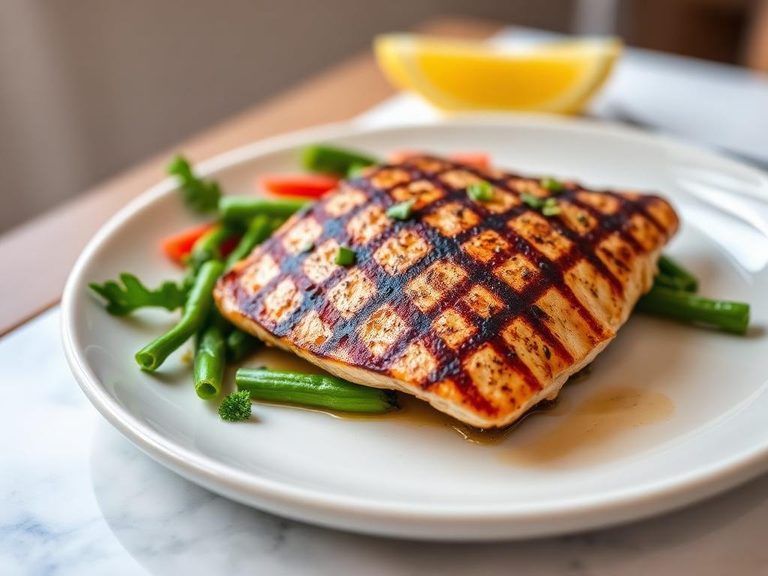
Fish, NFS (Not Further Specified) refers to a generic, uncooked fish fillet or steak, often a white-fleshed variety like cod, haddock, or tilapia. It typically has a mild, clean flavor with a tender, flaky texture when cooked. Nutritionally, it's a lean protein powerhouse, providing over 19 grams of high-quality protein per 100 grams with minimal carbohydrates.
Calorie split: 33% protein · 11% carbs · 56% fat
↓ Full nutrition💚 Why it's loved
People love its mild, adaptable flavor that acts as a blank canvas for a wide array of seasonings, sauces, and cooking techniques, from simple baking to rich curries. It's a global staple that fits seamlessly into both quick weeknight meals and elaborate feasts.
⚠️ Watch-outs & how to enjoy it better
As a generic term, the specific nutrient profile can vary, and some fish may have higher levels of mercury or environmental contaminants. Those with fish or seafood allergies must avoid it entirely. To counteract potential contaminants, choose smaller, lower-mercury species (like tilapia or sardines) and vary the types of fish you consume.
Key benefits
- Excellent source of complete, high-quality protein
- Naturally low in carbohydrates and sugars
- Provides essential nutrients like selenium and B vitamins
- Lean protein source with a moderate fat content
- Versatile base for countless healthy cooking methods
🍽️ Popular dishes
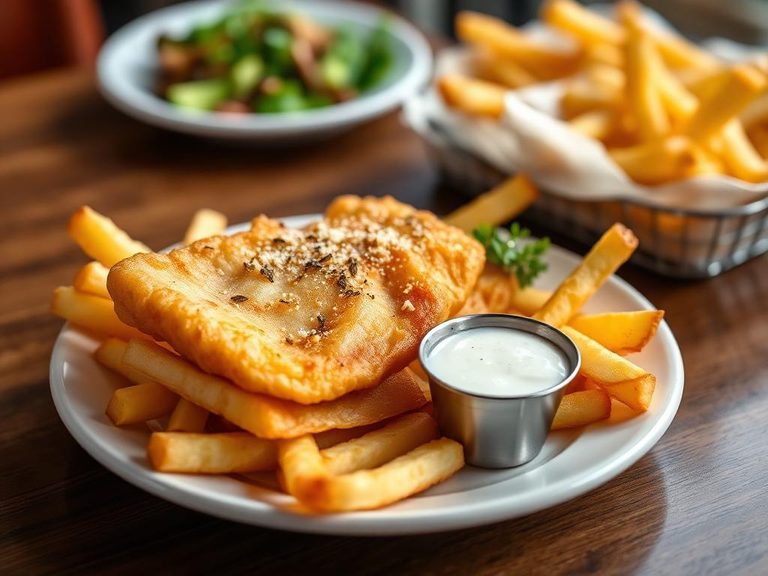
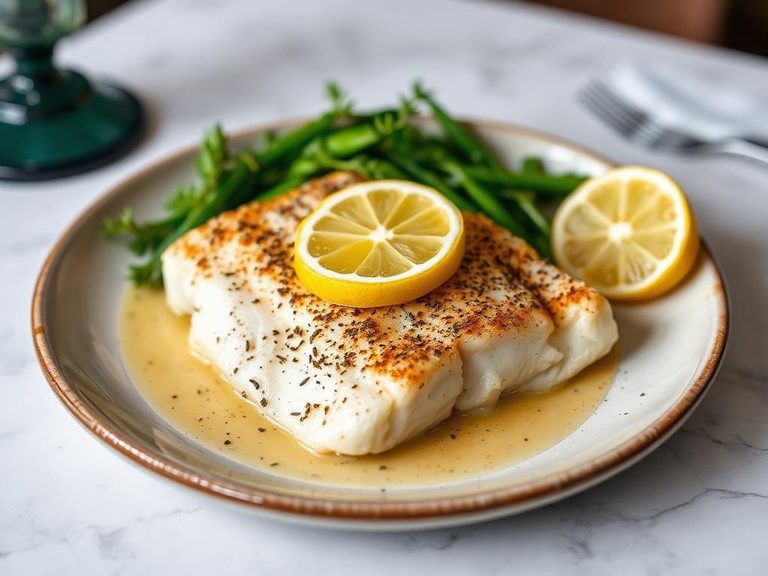
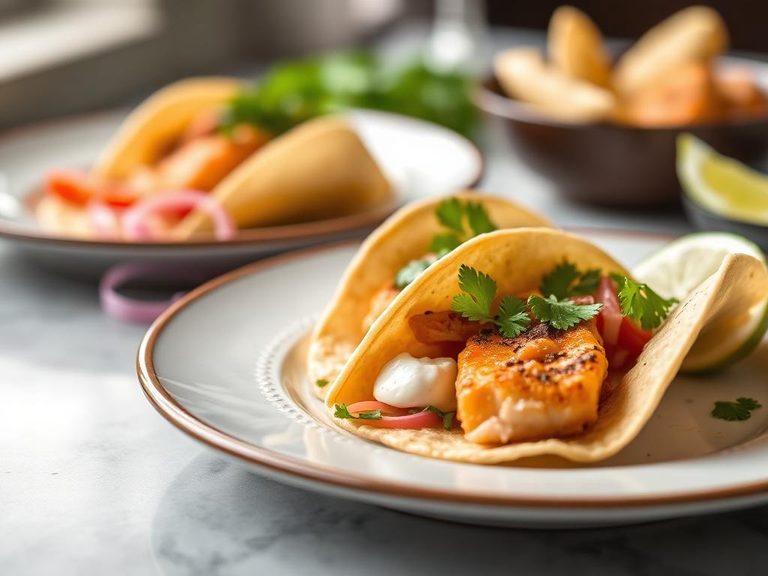
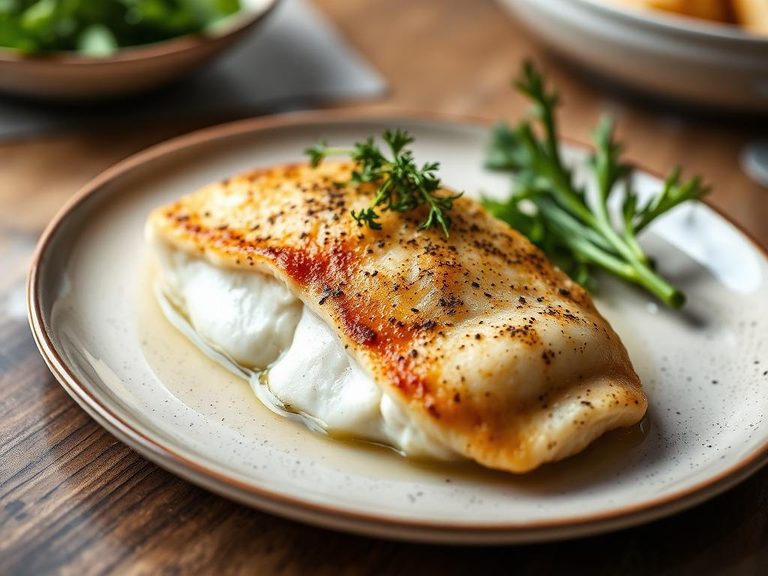
🌍 Where it's eaten
💡 Did you know?
The term 'NFS' in food databases stands for 'Not Further Specified,' meaning it's a catch-all category for when the exact species of fish is unknown or unrecorded in the data.
Full nutrition (USDA data · scales with serving)
| Water | 58.4 g |
| Energy | 238 kcal |
| Protein | 19.3 g |
| Total lipid (fat) | 14.5 g |
| Carbohydrate, by difference | 6.6 g |
| Fiber, total dietary | 0.30 g |
| Total Sugars | 0.12 g |
| Calcium, Ca | 17.0 mg |
| Iron, Fe | 0.86 mg |
| Magnesium, Mg | 27.0 mg |
| Phosphorus, P | 229 mg |
| Potassium, K | 329 mg |
| Sodium, Na | 350 mg |
| Zinc, Zn | 0.46 mg |
| Copper, Cu | 0.06 mg |
| Selenium, Se | 26.4 ug |
| Vitamin C, total ascorbic acid | 0.90 mg |
| Thiamin | 0.16 mg |
| Riboflavin | 0.13 mg |
| Niacin | 5.5 mg |
| Vitamin B-6 | 0.33 mg |
| Folate, total | 29.0 ug |
| Folic acid | 11.0 ug |
| Folate, food | 18.0 ug |
| Folate, DFE | 37.0 ug |
| Choline, total | 69.4 mg |
| Vitamin B-12 | 2.4 ug |
| Vitamin B-12, added | 0.00 ug |
| Vitamin A, RAE | 29.0 ug |
| Retinol | 28.0 ug |
| Carotene, beta | 4.0 ug |
| Carotene, alpha | 0.00 ug |
| Cryptoxanthin, beta | 0.00 ug |
| Lycopene | 0.00 ug |
| Lutein + zeaxanthin | 6.0 ug |
| Vitamin E (alpha-tocopherol) | 2.9 mg |
| Vitamin E, added | 0.00 mg |
| Vitamin D (D2 + D3) | 5.3 ug |
| Vitamin K (phylloquinone) | 8.7 ug |
| Alcohol, ethyl | 0.00 g |
| Caffeine | 0.00 mg |
| Theobromine | 0.00 mg |
Fat & fatty acid profile (per 100g)
| Fatty acids, total saturated | 2.8 g |
| SFA 4:0 | 0.01 g |
| SFA 6:0 | 0.01 g |
| SFA 8:0 | 0.01 g |
| SFA 10:0 | 0.01 g |
| SFA 12:0 | 0.02 g |
| SFA 14:0 | 0.27 g |
| SFA 16:0 | 1.8 g |
| SFA 18:0 | 0.55 g |
| Fatty acids, total monounsaturated | 5.3 g |
| MUFA 16:1 | 0.35 g |
| MUFA 18:1 | 4.7 g |
| MUFA 20:1 | 0.20 g |
| MUFA 22:1 | 0.01 g |
| Fatty acids, total polyunsaturated | 4.5 g |
| PUFA 18:2 | 3.1 g |
| PUFA 18:3 | 0.41 g |
| PUFA 18:4 | 0.04 g |
| PUFA 20:4 | 0.05 g |
| PUFA 20:5 n-3 (EPA) | 0.29 g |
| PUFA 22:5 n-3 (DPA) | 0.14 g |
| PUFA 22:6 n-3 (DHA) | 0.41 g |
| Cholesterol | 56.0 mg |
Amino acid profile (per 100g)
Estimated from Fish, fish sticks, frozen, prepared — USDA does not publish this profile for Fish.
| Tryptophan | 0.12 g |
| Threonine | 0.37 g |
| Isoleucine | 0.43 g |
| Leucine | 0.85 g |
| Lysine | 0.80 g |
| Methionine | 0.30 g |
| Phenylalanine | 0.47 g |
| Tyrosine | 0.29 g |
| Valine | 0.50 g |
| Arginine | 0.59 g |
| Histidine | 0.23 g |
| Alanine | 0.55 g |
| Aspartic acid | 0.82 g |
| Glutamic acid | 2.3 g |
| Glycine | 0.47 g |
| Proline | 0.78 g |
| Serine | 0.49 g |
| Hydroxyproline | 0.00 g |
FAQ
What does 'NFS' mean for fish?
'NFS' stands for 'Not Further Specified.' It's a generic label used in nutritional databases when the exact species of fish is unknown, unrecorded, or varies.
Is fish, NFS, a healthy choice?
Generally, yes. It's an excellent source of lean protein and is low in carbs. However, the exact health profile can vary by species, so choosing known, lower-mercury fish is often recommended.
How should I cook generic white fish fillets?
They are very versatile. Baking, broiling, pan-searing, or poaching are all excellent methods that highlight the delicate flavor. Avoid overcooking to keep the flesh moist and tender.
Nutrient density (calculated · NRF9.3)
Nutrient Rich Foods index: beneficial nutrients (protein, fiber, vitamins, minerals) minus saturated fat, added sugar & sodium, per 100 kcal.
NRF9.3 index — Fulgoni, Keast & Drewnowski, 2009. Computed from USDA nutrients.
Weight-loss friendliness (composite index)
Energy density 2.38 kcal/g · 32% calories from protein · 0.3 g fiber · 0.1 g sugar per 100 g.
Composite of energy density (Rolls et al., 1999), protein & fiber satiety, minus sugar. A calculated heuristic — ranks satiety-per-calorie, not a clinical measure.
Dietary load (calculated from USDA values)
Potential renal acid load. Positive = acid-forming, negative = alkaline-forming.
Sodium-to-potassium ratio: 1.06 (lower is better — aim for ≤ 1)
Sodium:potassium per WHO potassium guidance. Computed from USDA nutrients.