

Fish, tilapia, NFS
Common food
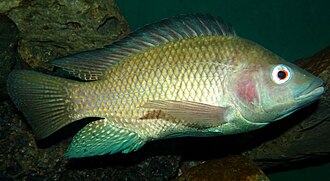
Photo: Wikipedia
Tilapia is a mild, white-fleshed freshwater fish prized for its clean, slightly sweet taste and firm, flaky texture that holds up well to various cooking methods. It's a lean protein powerhouse, delivering nearly 25 grams of protein per 100 grams with virtually no carbohydrates, making it a staple for high-protein, low-carb diets. Its neutral flavor profile acts as a blank canvas, readily absorbing seasonings, marinades, and sauces.
Calorie split: 62% protein · 0% carbs · 37% fat
↓ Full nutrition💚 Why it's loved
People love tilapia for its incredible versatility and mild, non-fishy taste, which makes it a family-friendly option that pairs beautifully with everything from bold Cajun spices to simple lemon and herbs. It's also an affordable and accessible protein source that cooks quickly, fitting easily into busy weeknight meals.
⚠️ Watch-outs & how to enjoy it better
Some critics note that farmed tilapia can have a less robust flavor and texture compared to wild-caught fish, and there are occasional concerns about farming practices. To counteract a potentially bland profile, use robust marinades, spice rubs, or flavorful cooking methods like grilling or pan-searing with a crispy skin. Always source from reputable farms or look for certifications like ASC or BAP.
Key benefits
- Excellent source of lean, complete protein
- Very low in carbohydrates and sugars
- Provides essential nutrients like selenium and vitamin B12
- Mild flavor makes it approachable for picky eaters
- Versatile for numerous cooking techniques
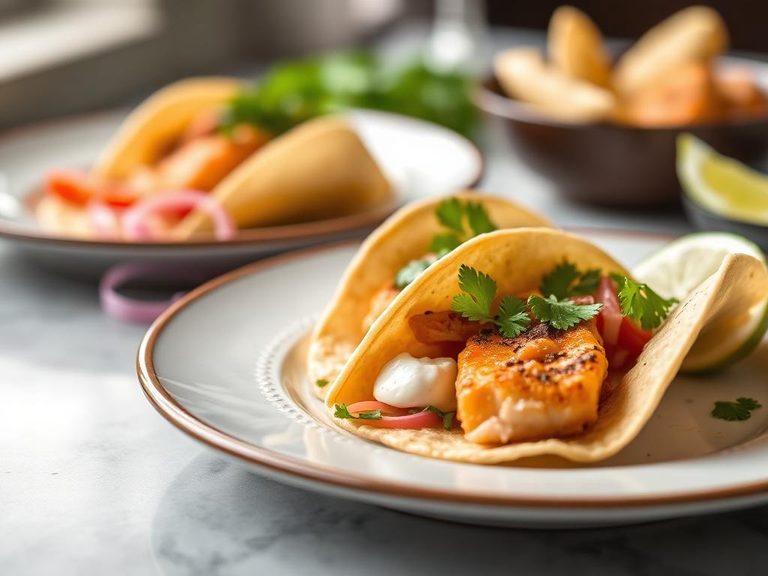
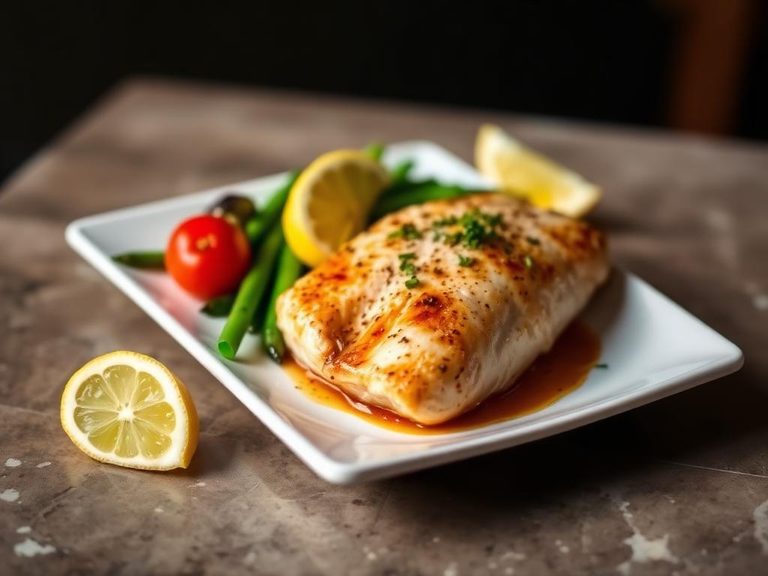
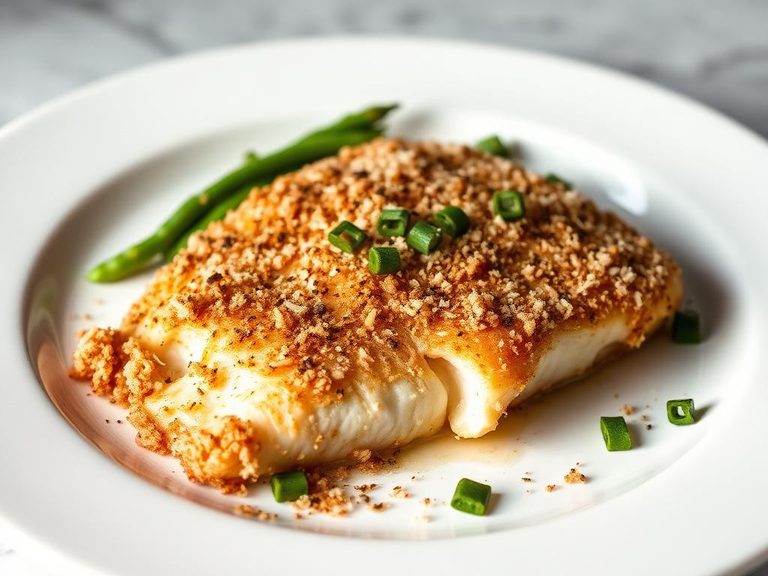
🍽️ Popular dishes
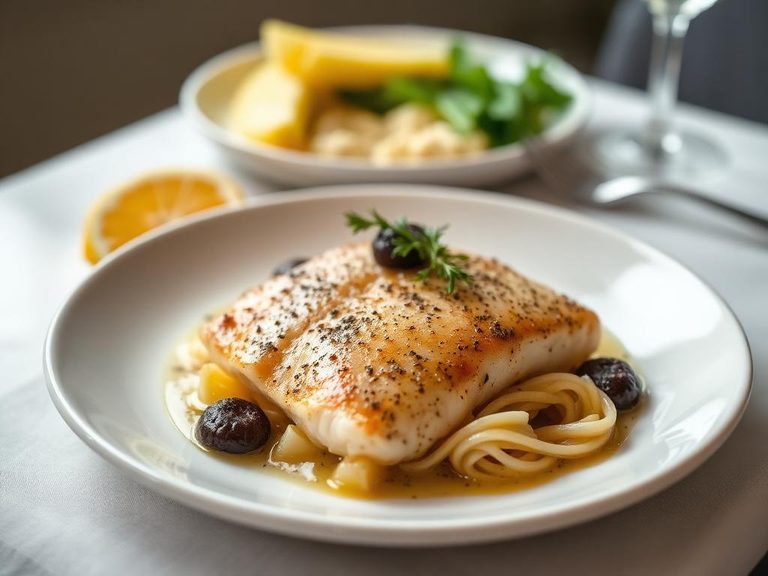
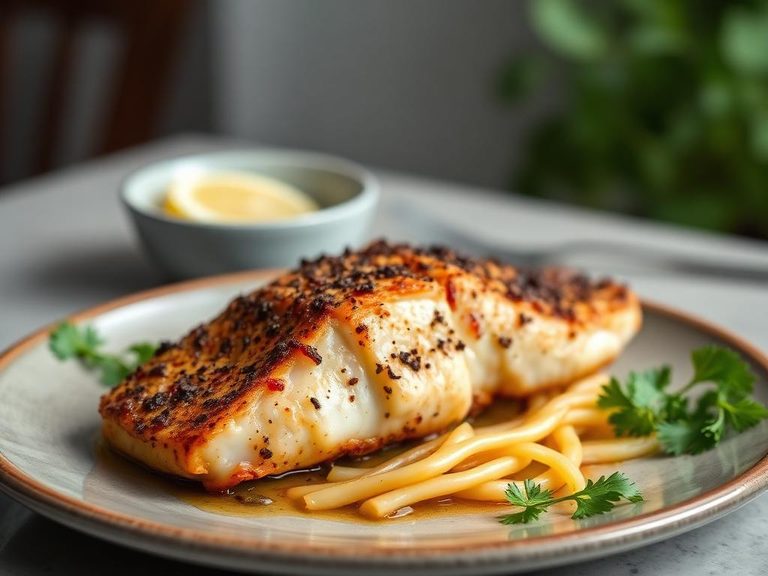
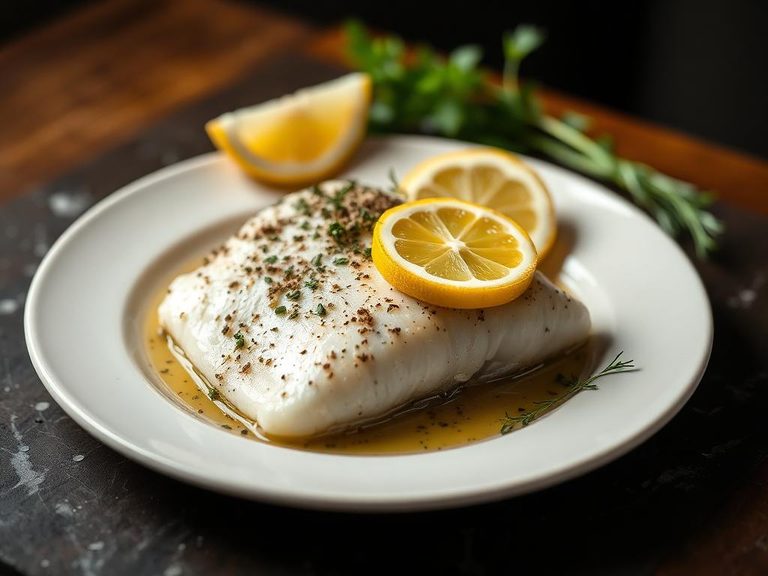
🌍 Where it's eaten
💡 Did you know?
Tilapia is one of the oldest farmed fish on Earth, with evidence of its cultivation by ancient Egyptians in ponds near the Nile River over 3,000 years ago.
Full nutrition (USDA data · scales with serving)
| Water | 67.7 g |
| Energy | 160 kcal |
| Protein | 24.9 g |
| Total lipid (fat) | 6.7 g |
| Carbohydrate, by difference | 0.01 g |
| Fiber, total dietary | 0.00 g |
| Total Sugars | 0.01 g |
| Calcium, Ca | 13.0 mg |
| Iron, Fe | 0.70 mg |
| Magnesium, Mg | 34.0 mg |
| Phosphorus, P | 212 mg |
| Potassium, K | 376 mg |
| Sodium, Na | 280 mg |
| Zinc, Zn | 0.41 mg |
| Copper, Cu | 0.09 mg |
| Selenium, Se | 51.9 ug |
| Vitamin C, total ascorbic acid | 0.00 mg |
| Thiamin | 0.04 mg |
| Riboflavin | 0.07 mg |
| Niacin | 4.8 mg |
| Vitamin B-6 | 0.21 mg |
| Folate, total | 27.0 ug |
| Folic acid | 0.00 ug |
| Folate, food | 27.0 ug |
| Folate, DFE | 27.0 ug |
| Choline, total | 53.2 mg |
| Vitamin B-12 | 1.8 ug |
| Vitamin B-12, added | 0.00 ug |
| Vitamin A, RAE | 20.0 ug |
| Retinol | 19.0 ug |
| Carotene, beta | 9.0 ug |
| Carotene, alpha | 0.00 ug |
| Cryptoxanthin, beta | 0.00 ug |
| Lycopene | 0.00 ug |
| Lutein + zeaxanthin | 0.00 ug |
| Vitamin E (alpha-tocopherol) | 1.2 mg |
| Vitamin E, added | 0.00 mg |
| Vitamin D (D2 + D3) | 3.9 ug |
| Vitamin K (phylloquinone) | 5.5 ug |
| Alcohol, ethyl | 0.00 g |
| Caffeine | 0.00 mg |
| Theobromine | 0.00 mg |
Fat & fatty acid profile (per 100g)
| Fatty acids, total saturated | 1.9 g |
| SFA 4:0 | 0.03 g |
| SFA 6:0 | 0.02 g |
| SFA 8:0 | 0.01 g |
| SFA 10:0 | 0.03 g |
| SFA 12:0 | 0.04 g |
| SFA 14:0 | 0.18 g |
| SFA 16:0 | 1.2 g |
| SFA 18:0 | 0.38 g |
| Fatty acids, total monounsaturated | 2.2 g |
| MUFA 16:1 | 0.15 g |
| MUFA 18:1 | 2.0 g |
| MUFA 20:1 | 0.05 g |
| MUFA 22:1 | 0.00 g |
| Fatty acids, total polyunsaturated | 1.8 g |
| PUFA 18:2 | 1.4 g |
| PUFA 18:3 | 0.18 g |
| PUFA 18:4 | 0.00 g |
| PUFA 20:4 | 0.03 g |
| PUFA 20:5 n-3 (EPA) | 0.01 g |
| PUFA 22:5 n-3 (DPA) | 0.05 g |
| PUFA 22:6 n-3 (DHA) | 0.11 g |
| Cholesterol | 66.0 mg |
Amino acid profile (per 100g)
Estimated from Fish, fish sticks, frozen, prepared — USDA does not publish this profile for Fish.
| Tryptophan | 0.12 g |
| Threonine | 0.37 g |
| Isoleucine | 0.43 g |
| Leucine | 0.85 g |
| Lysine | 0.80 g |
| Methionine | 0.30 g |
| Phenylalanine | 0.47 g |
| Tyrosine | 0.29 g |
| Valine | 0.50 g |
| Arginine | 0.59 g |
| Histidine | 0.23 g |
| Alanine | 0.55 g |
| Aspartic acid | 0.82 g |
| Glutamic acid | 2.3 g |
| Glycine | 0.47 g |
| Proline | 0.78 g |
| Serine | 0.49 g |
| Hydroxyproline | 0.00 g |
FAQ
Is tilapia a healthy fish to eat?
Yes, it's a very healthy choice. It's low in calories and fat, high in protein, and provides important nutrients like selenium and vitamin B12. Its low omega-3 content compared to fatty fish like salmon is its main nutritional drawback.
What does tilapia taste like?
Tilapia has a very mild, slightly sweet, and clean flavor with no strong 'fishy' taste. Its texture is firm and flaky, making it a great canvas for a wide variety of seasonings and sauces.
How should I cook tilapia to make it taste best?
Because of its mildness, tilapia benefits from bold flavors. Try pan-searing with a spice rub, baking with a lemon-herb butter, grilling in a basket, or coating in coconut or panko for a crispy crust. Avoid overcooking, as it can dry out quickly.
Nutrient density (calculated · NRF9.3)
Nutrient Rich Foods index: beneficial nutrients (protein, fiber, vitamins, minerals) minus saturated fat, added sugar & sodium, per 100 kcal.
NRF9.3 index — Fulgoni, Keast & Drewnowski, 2009. Computed from USDA nutrients.
Weight-loss friendliness (composite index)
Energy density 1.60 kcal/g · 62% calories from protein · 0.0 g fiber · 0.0 g sugar per 100 g.
Composite of energy density (Rolls et al., 1999), protein & fiber satiety, minus sugar. A calculated heuristic — ranks satiety-per-calorie, not a clinical measure.
Dietary load (calculated from USDA values)
Potential renal acid load. Positive = acid-forming, negative = alkaline-forming.
Sodium-to-potassium ratio: 0.74 (lower is better — aim for ≤ 1)
Sodium:potassium per WHO potassium guidance. Computed from USDA nutrients.