

Fish, tilapia, farm raised, raw
Whole food · Finfish and Shellfish Products
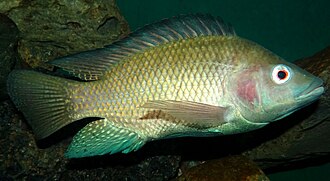
Photo: Wikipedia
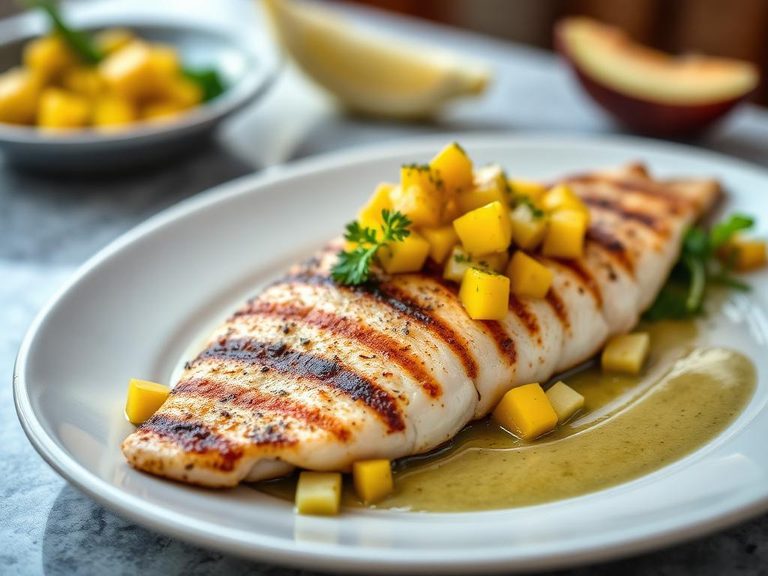
Farm-raised tilapia is a mild, white-fleshed freshwater fish with a lean, flaky texture that serves as a blank canvas for a wide array of seasonings and cooking methods. It is exceptionally high in protein and very low in fat, making it a staple for high-protein, low-calorie diets. Its neutral flavor profile allows it to absorb marinades and spices, making it a versatile choice for global cuisines.
Calorie split: 77% protein · 0% carbs · 23% fat
↓ Full nutrition💚 Why it's loved
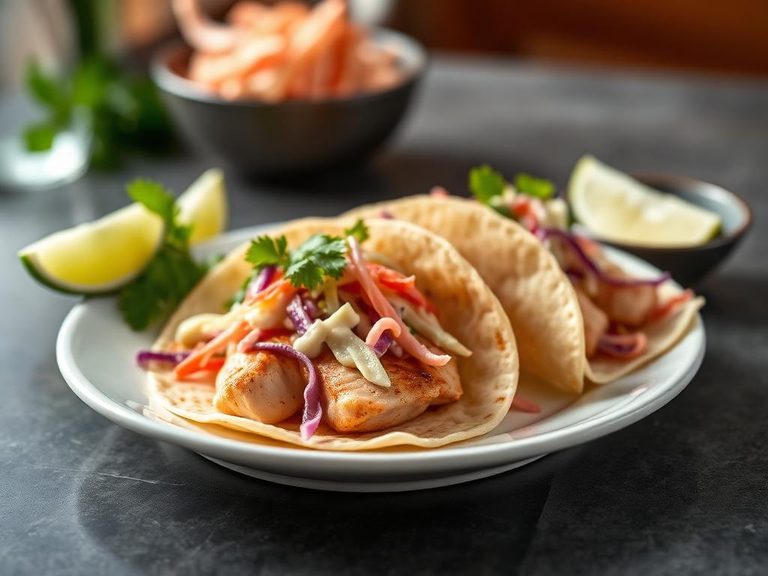
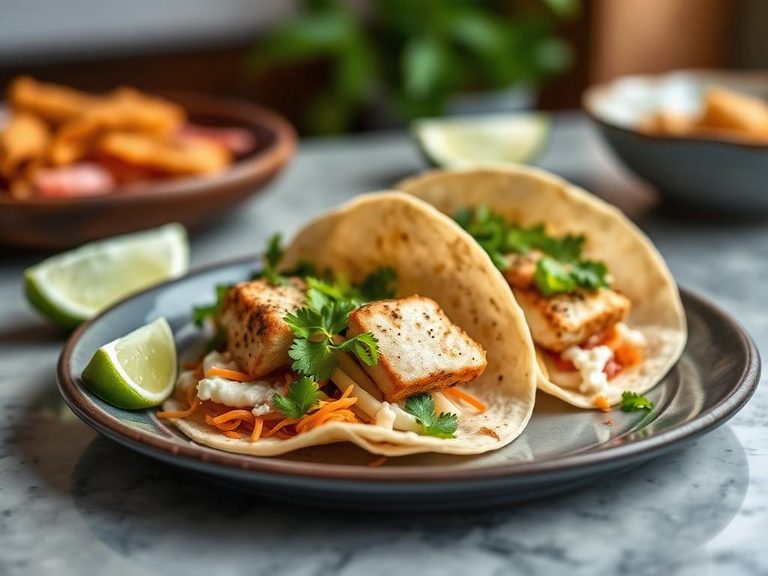
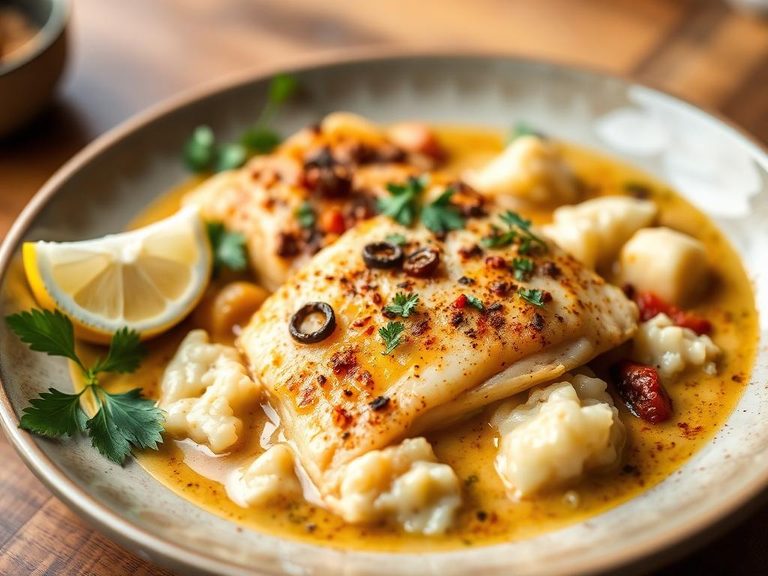
People love tilapia for its incredibly mild, slightly sweet flavor and firm, flaky texture that doesn't overpower other ingredients. It is celebrated for its versatility, easily adapting to grilling, baking, frying, or steaming in dishes from tacos to curries.
⚠️ Watch-outs & how to enjoy it better
Farm-raised tilapia can have a higher omega-6 to omega-3 ratio compared to wild fish, and some consumers are concerned about potential contaminants in farm environments. To mitigate this, pair it with omega-3-rich foods like walnuts or flaxseeds, and choose reputable, sustainably sourced brands. Additionally, some people find it bland, so marinating or using bold seasonings can enhance its appeal.
Key benefits
- Excellent source of lean protein (19g per 100g) for muscle maintenance
- Very low in fat (2.5g per 100g) and calories (95 kcal per 100g)
- Zero carbohydrates, making it ideal for keto and low-carb diets
- Rich in essential nutrients like selenium, vitamin B12, and phosphorus
- Quick-cooking and affordable, suitable for weeknight meals
🍽️ Popular dishes


🌍 Where it's eaten
💡 Did you know?
Tilapia is one of the oldest farmed fish in the world, with ancient Egyptians cultivating it in ponds over 3,000 years ago, and it's sometimes called 'St. Peter's fish' due to a legend that the apostle Peter caught one with a coin in its mouth.
Full nutrition (USDA data · scales with serving)
| Water | 78.3 g |
| Energy (Atwater General Factors) | 94.7 kcal |
| Energy (Atwater Specific Factors) | 100.0 kcal |
| Nitrogen | 3.0 g |
| Protein | 19.0 g |
| Total lipid (fat) | 2.5 g |
| Ash | 1.2 g |
| Carbohydrate, by difference | 0.00 g |
| Calcium, Ca | 8.6 mg |
| Iron, Fe | 0.00 mg |
| Magnesium, Mg | 24.3 mg |
| Phosphorus, P | 159 mg |
| Potassium, K | 342 mg |
| Sodium, Na | 93.7 mg |
| Zinc, Zn | 0.30 mg |
| Copper, Cu | 0.00 mg |
| Manganese, Mn | 0.01 mg |
| Iodine, I | 4.1 ug |
| Selenium, Se | 20.5 ug |
| Vitamin B-12 | 0.76 ug |
| Retinol | 0.26 ug |
Fat & fatty acid profile (per 100g)
| Fatty acids, total saturated | 0.65 g |
| SFA 4:0 | 0.00 g |
| SFA 6:0 | 0.00 g |
| SFA 8:0 | 0.00 g |
| SFA 10:0 | 0.00 g |
| SFA 12:0 | 0.00 g |
| SFA 14:0 | 0.05 g |
| SFA 16:0 | 0.46 g |
| SFA 18:0 | 0.12 g |
| Fatty acids, total monounsaturated | 0.77 g |
| MUFA 18:1 c | 0.59 g |
| Fatty acids, total polyunsaturated | 0.36 g |
| PUFA 18:2 n-6 c,c | 0.24 g |
| PUFA 18:3 n-3 c,c,c (ALA) | 0.01 g |
| PUFA 20:5 n-3 (EPA) | 0.00 g |
| PUFA 22:5 n-3 (DPA) | 0.01 g |
| PUFA 22:6 n-3 (DHA) | 0.03 g |
| Cholesterol | 47.6 mg |
Amino acid profile (per 100g)
Estimated from Fish, fish sticks, frozen, prepared — USDA does not publish this profile for Fish.
| Tryptophan | 0.12 g |
| Threonine | 0.37 g |
| Isoleucine | 0.43 g |
| Leucine | 0.85 g |
| Lysine | 0.80 g |
| Methionine | 0.30 g |
| Phenylalanine | 0.47 g |
| Tyrosine | 0.29 g |
| Valine | 0.50 g |
| Arginine | 0.59 g |
| Histidine | 0.23 g |
| Alanine | 0.55 g |
| Aspartic acid | 0.82 g |
| Glutamic acid | 2.3 g |
| Glycine | 0.47 g |
| Proline | 0.78 g |
| Serine | 0.49 g |
| Hydroxyproline | 0.00 g |
FAQ
Is farm-raised tilapia safe to eat?
Yes, farm-raised tilapia is generally safe and widely consumed, but it's best to choose products from reputable sources with good farming practices to minimize potential contaminants.
How does tilapia compare nutritionally to salmon?
Tilapia is lower in fat and calories but also lower in omega-3 fatty acids compared to salmon, which is richer in heart-healthy fats.
Can I eat tilapia if I have a fish allergy?
Tilapia is a type of fish, so it is not suitable for those with fish allergies; always check for cross-contamination if you have severe allergies.
Nutrient density (calculated · NRF9.3)
Nutrient Rich Foods index: beneficial nutrients (protein, fiber, vitamins, minerals) minus saturated fat, added sugar & sodium, per 100 kcal.
NRF9.3 index — Fulgoni, Keast & Drewnowski, 2009. Computed from USDA nutrients.
Weight-loss friendliness (composite index)
Energy density 0.95 kcal/g · 80% calories from protein · 0.0 g fiber · 0.0 g sugar per 100 g.
Composite of energy density (Rolls et al., 1999), protein & fiber satiety, minus sugar. A calculated heuristic — ranks satiety-per-calorie, not a clinical measure.
Dietary load (calculated from USDA values)
Potential renal acid load. Positive = acid-forming, negative = alkaline-forming.
Sodium-to-potassium ratio: 0.27 (lower is better — aim for ≤ 1)
Sodium:potassium per WHO potassium guidance. Computed from USDA nutrients.