

Fish, carp
Common food

Photo: Wikipedia
Carp is a freshwater fish with firm, white flesh and a distinctive, slightly earthy flavor. Its texture is meaty and substantial, holding up well to various cooking methods. Nutritionally, it's a lean protein source with a moderate fat content that includes beneficial omega-3 fatty acids.
Calorie split: 38% protein · 15% carbs · 46% fat
↓ Full nutrition💚 Why it's loved
People love carp for its robust, meaty flavor that absorbs seasonings and sauces beautifully, making it a versatile centerpiece in hearty stews, fried platters, and grilled dishes across many cultures.
⚠️ Watch-outs & how to enjoy it better
Carp can have a muddy or earthy taste if not sourced from clean waters, which some find off-putting. As a freshwater fish, it may contain small, Y-shaped bones that require careful eating; to counteract this, look for filleted or deboned cuts, and simmering in acidic sauces can help soften any remaining bones.
Key benefits
- High-quality protein for muscle maintenance
- Source of omega-3 fatty acids for heart health
- Good source of B vitamins, especially B12
- Contains minerals like phosphorus and selenium
🍽️ Popular dishes
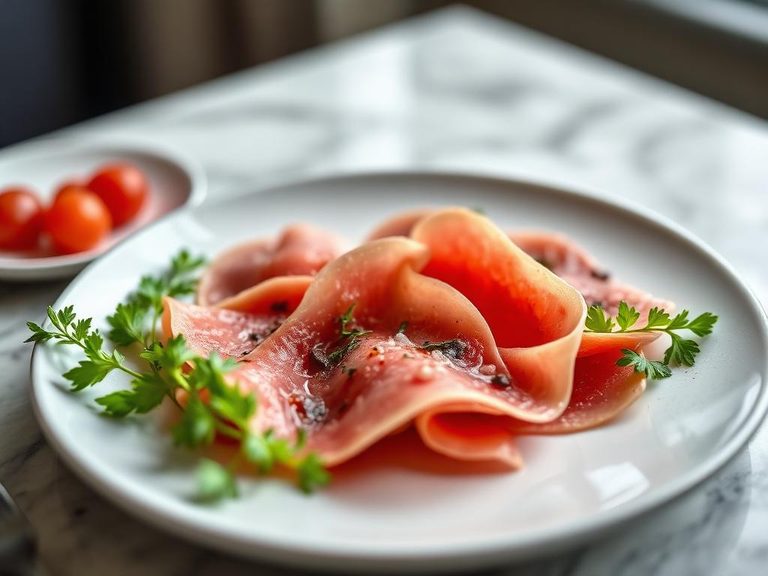
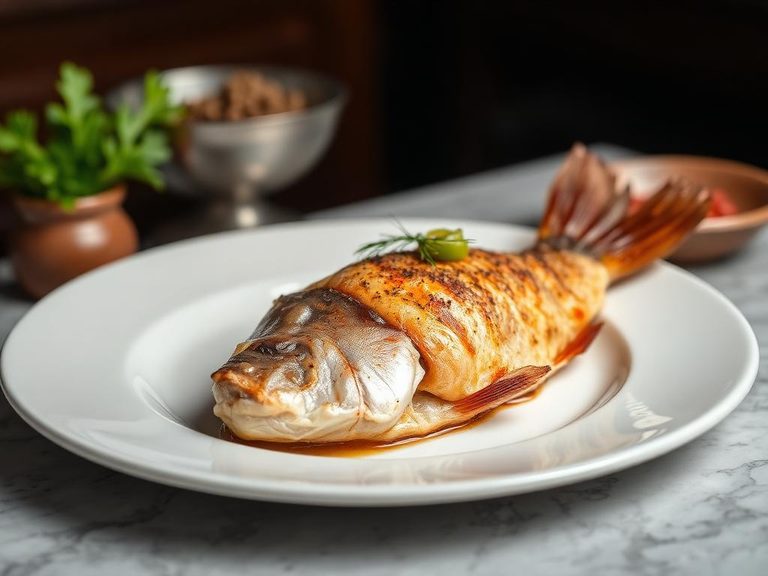
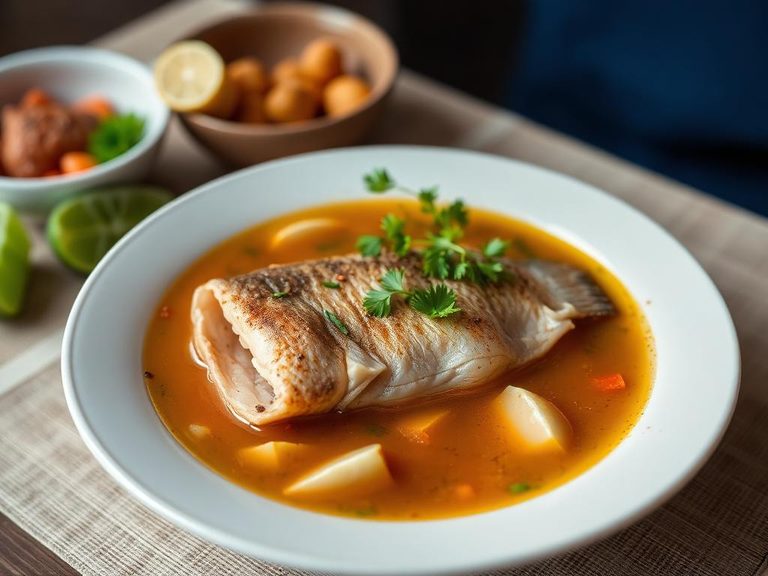
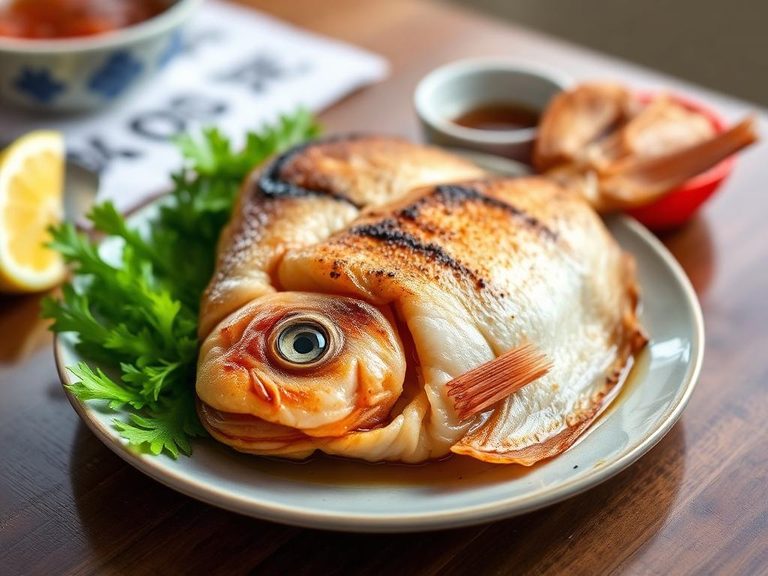
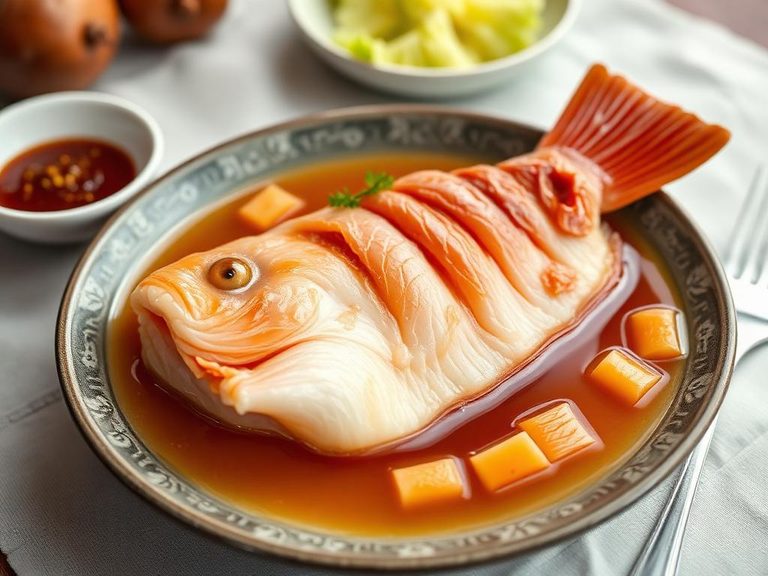
🌍 Where it's eaten
💡 Did you know?
In some cultures, a scale from a Christmas Eve carp is placed in your wallet to ensure wealth for the coming year.
Full nutrition (USDA data · scales with serving)
| Water | 60.5 g |
| Energy | 213 kcal |
| Protein | 20.0 g |
| Total lipid (fat) | 10.7 g |
| Carbohydrate, by difference | 7.8 g |
| Fiber, total dietary | 0.30 g |
| Total Sugars | 0.14 g |
| Calcium, Ca | 53.0 mg |
| Iron, Fe | 1.9 mg |
| Magnesium, Mg | 34.0 mg |
| Phosphorus, P | 451 mg |
| Potassium, K | 366 mg |
| Sodium, Na | 314 mg |
| Zinc, Zn | 1.6 mg |
| Copper, Cu | 0.08 mg |
| Selenium, Se | 15.3 ug |
| Vitamin C, total ascorbic acid | 1.3 mg |
| Thiamin | 0.20 mg |
| Riboflavin | 0.10 mg |
| Niacin | 2.4 mg |
| Vitamin B-6 | 0.22 mg |
| Folate, total | 30.0 ug |
| Folic acid | 13.0 ug |
| Folate, food | 17.0 ug |
| Folate, DFE | 39.0 ug |
| Choline, total | 73.0 mg |
| Vitamin B-12 | 1.5 ug |
| Vitamin B-12, added | 0.00 ug |
| Vitamin A, RAE | 30.0 ug |
| Retinol | 29.0 ug |
| Carotene, beta | 9.0 ug |
| Carotene, alpha | 0.00 ug |
| Cryptoxanthin, beta | 0.00 ug |
| Lycopene | 0.00 ug |
| Lutein + zeaxanthin | 7.0 ug |
| Vitamin E (alpha-tocopherol) | 1.4 mg |
| Vitamin E, added | 0.00 mg |
| Vitamin D (D2 + D3) | 26.0 ug |
| Vitamin K (phylloquinone) | 4.0 ug |
| Alcohol, ethyl | 0.00 g |
| Caffeine | 0.00 mg |
| Theobromine | 0.00 mg |
Fat & fatty acid profile (per 100g)
| Fatty acids, total saturated | 2.4 g |
| SFA 4:0 | 0.03 g |
| SFA 6:0 | 0.02 g |
| SFA 8:0 | 0.01 g |
| SFA 10:0 | 0.03 g |
| SFA 12:0 | 0.04 g |
| SFA 14:0 | 0.23 g |
| SFA 16:0 | 1.4 g |
| SFA 18:0 | 0.45 g |
| Fatty acids, total monounsaturated | 4.1 g |
| MUFA 16:1 | 0.71 g |
| MUFA 18:1 | 2.8 g |
| MUFA 20:1 | 0.10 g |
| MUFA 22:1 | 0.42 g |
| Fatty acids, total polyunsaturated | 2.9 g |
| PUFA 18:2 | 1.8 g |
| PUFA 18:3 | 0.43 g |
| PUFA 18:4 | 0.06 g |
| PUFA 20:4 | 0.16 g |
| PUFA 20:5 n-3 (EPA) | 0.25 g |
| PUFA 22:5 n-3 (DPA) | 0.09 g |
| PUFA 22:6 n-3 (DHA) | 0.12 g |
| Cholesterol | 77.0 mg |
Amino acid profile (per 100g)
Estimated from Fish, fish sticks, frozen, prepared — USDA does not publish this profile for Fish.
| Tryptophan | 0.12 g |
| Threonine | 0.37 g |
| Isoleucine | 0.43 g |
| Leucine | 0.85 g |
| Lysine | 0.80 g |
| Methionine | 0.30 g |
| Phenylalanine | 0.47 g |
| Tyrosine | 0.29 g |
| Valine | 0.50 g |
| Arginine | 0.59 g |
| Histidine | 0.23 g |
| Alanine | 0.55 g |
| Aspartic acid | 0.82 g |
| Glutamic acid | 2.3 g |
| Glycine | 0.47 g |
| Proline | 0.78 g |
| Serine | 0.49 g |
| Hydroxyproline | 0.00 g |
FAQ
How do I remove the muddy taste from carp?
Soak the cleaned fish in cold water or milk for a few hours before cooking. Using strong marinades with garlic, lemon, or vinegar can also effectively mask any earthiness.
Is carp safe to eat raw?
While carp is used in some raw preparations like German 'Graved Carp', it should only be consumed raw if it is specifically labeled as sushi-grade or prepared under strict safety guidelines to eliminate parasites.
How do I deal with the many bones in carp?
The best method is to purchase pre-cut fillets. If cooking a whole fish, you can score it deeply before cooking, which helps. Alternatively, slow-cooking methods like stewing can soften the bones.
Nutrient density (calculated · NRF9.3)
Nutrient Rich Foods index: beneficial nutrients (protein, fiber, vitamins, minerals) minus saturated fat, added sugar & sodium, per 100 kcal.
NRF9.3 index — Fulgoni, Keast & Drewnowski, 2009. Computed from USDA nutrients.
Weight-loss friendliness (composite index)
Energy density 2.13 kcal/g · 38% calories from protein · 0.3 g fiber · 0.1 g sugar per 100 g.
Composite of energy density (Rolls et al., 1999), protein & fiber satiety, minus sugar. A calculated heuristic — ranks satiety-per-calorie, not a clinical measure.
Dietary load (calculated from USDA values)
Potential renal acid load. Positive = acid-forming, negative = alkaline-forming.
Sodium-to-potassium ratio: 0.86 (lower is better — aim for ≤ 1)
Sodium:potassium per WHO potassium guidance. Computed from USDA nutrients.