

Eggplant, cooked, no added fat
Common food

Photo: Wikipedia
Cooked eggplant, without added fat, transforms into a silky, almost custard-like texture that absorbs flavors like a sponge. Its mild, slightly earthy taste becomes a blank canvas for spices, sauces, and herbs. Nutritionally, it's a low-calorie powerhouse, delivering 3.2g of fiber per 100g with minimal fat and protein.
Calorie split: 14% protein · 81% carbs · 5% fat
↓ Full nutrition💚 Why it's loved
People love its incredible versatility—it can be the star of a hearty braise, a delicate dip, or a smoky side dish. Its ability to soak up surrounding flavors makes it a beloved staple in cuisines from the Mediterranean to Asia.
⚠️ Watch-outs & how to enjoy it better
Some find its texture spongy or its raw bitterness off-putting, and it can be high in oxalates, which may be a concern for those prone to kidney stones. To counteract this, pair it with calcium-rich foods (like yogurt or cheese) and ensure it's fully cooked, which also reduces oxalate content. Additionally, its high fiber can cause digestive discomfort if eaten in large amounts; start with smaller portions and drink plenty of water.
Key benefits
- Very low in calories (27 kcal per 100g)
- Good source of dietary fiber (3.2g per 100g)
- Naturally fat-free when cooked without added oil
- Contains antioxidants like nasunin
- Provides a small amount of vitamins and minerals
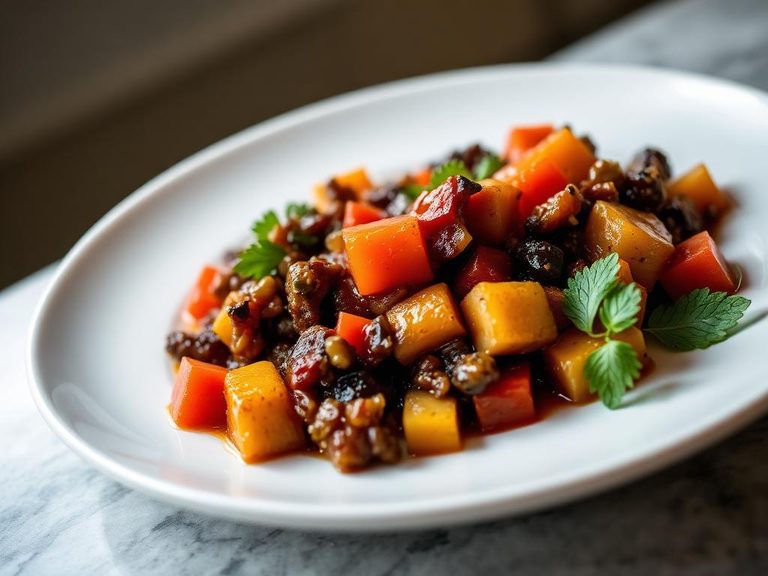
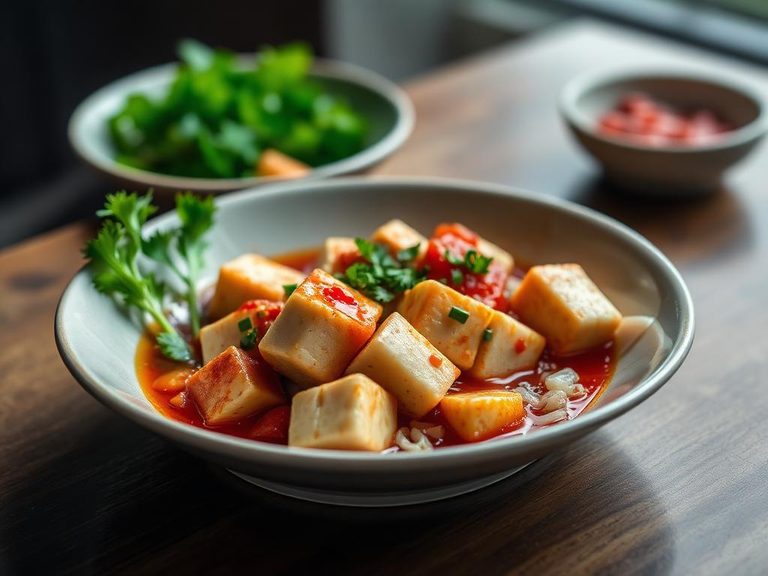
🍽️ Popular dishes
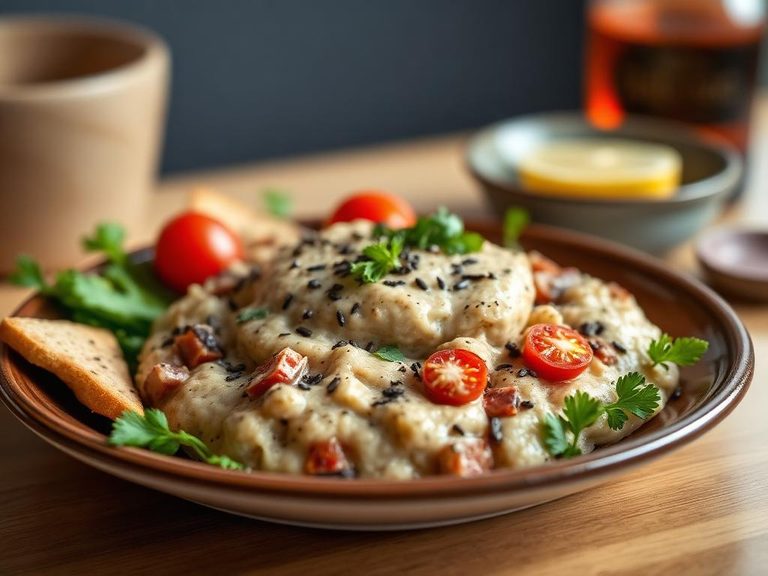
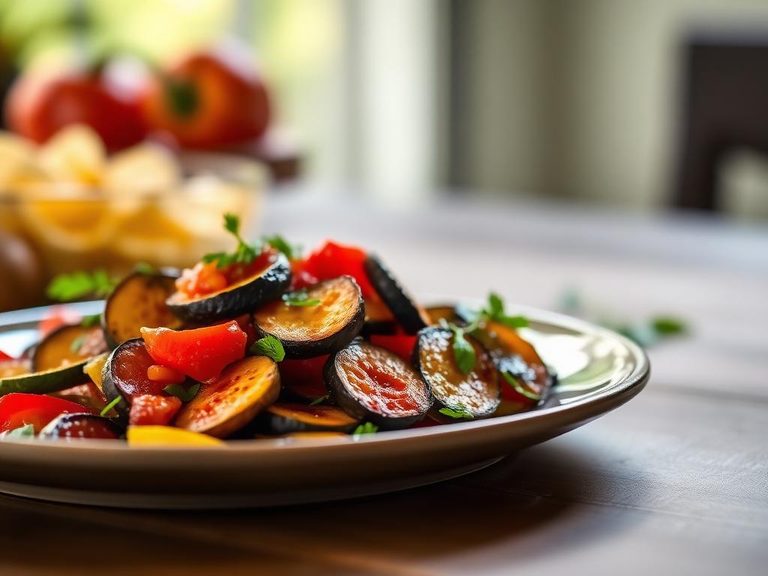
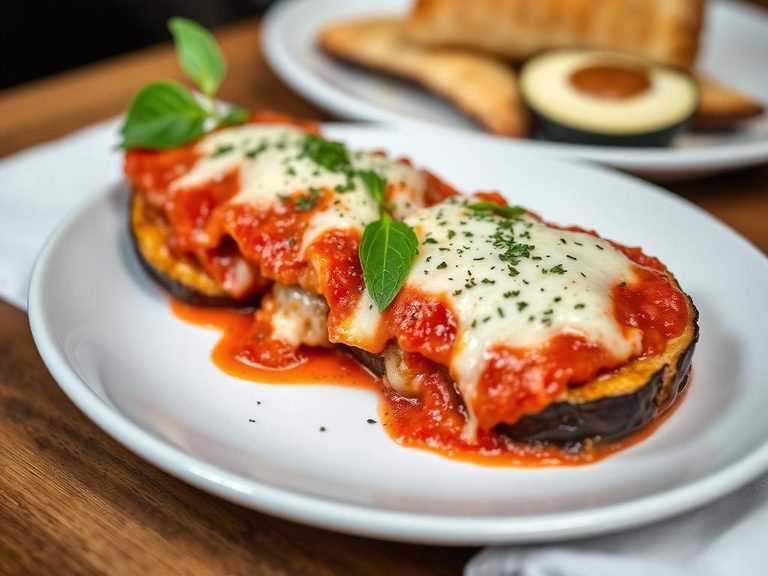
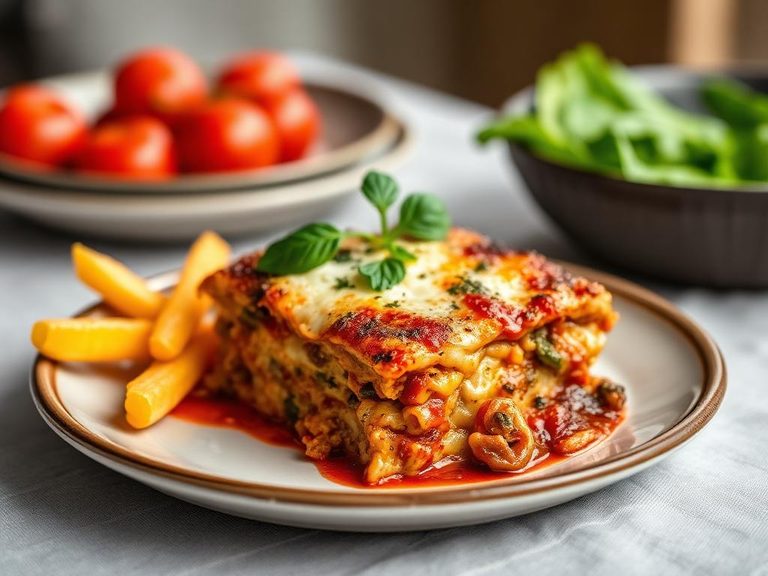
🌍 Where it's eaten
💡 Did you know?
The purple color of eggplant comes from a powerful antioxidant called nasunin, which is concentrated in the skin and helps protect brain cell membranes.
Full nutrition (USDA data · scales with serving)
| Water | 91.4 g |
| Energy | 27.0 kcal |
| Protein | 1.1 g |
| Total lipid (fat) | 0.19 g |
| Carbohydrate, by difference | 6.3 g |
| Fiber, total dietary | 3.2 g |
| Total Sugars | 3.8 g |
| Calcium, Ca | 10.0 mg |
| Iron, Fe | 0.25 mg |
| Magnesium, Mg | 15.0 mg |
| Phosphorus, P | 26.0 mg |
| Potassium, K | 246 mg |
| Sodium, Na | 127 mg |
| Zinc, Zn | 0.17 mg |
| Copper, Cu | 0.09 mg |
| Selenium, Se | 0.30 ug |
| Vitamin C, total ascorbic acid | 2.0 mg |
| Thiamin | 0.04 mg |
| Riboflavin | 0.04 mg |
| Niacin | 0.66 mg |
| Vitamin B-6 | 0.08 mg |
| Folate, total | 20.0 ug |
| Folic acid | 0.00 ug |
| Folate, food | 20.0 ug |
| Folate, DFE | 20.0 ug |
| Choline, total | 7.4 mg |
| Vitamin B-12 | 0.00 ug |
| Vitamin B-12, added | 0.00 ug |
| Vitamin A, RAE | 1.0 ug |
| Retinol | 0.00 ug |
| Carotene, beta | 14.0 ug |
| Carotene, alpha | 0.00 ug |
| Cryptoxanthin, beta | 0.00 ug |
| Lycopene | 0.00 ug |
| Lutein + zeaxanthin | 37.0 ug |
| Vitamin E (alpha-tocopherol) | 0.32 mg |
| Vitamin E, added | 0.00 mg |
| Vitamin D (D2 + D3) | 0.00 ug |
| Vitamin K (phylloquinone) | 3.8 ug |
| Alcohol, ethyl | 0.00 g |
| Caffeine | 0.00 mg |
| Theobromine | 0.00 mg |
Fat & fatty acid profile (per 100g)
| Fatty acids, total saturated | 0.04 g |
| SFA 4:0 | 0.00 g |
| SFA 6:0 | 0.00 g |
| SFA 8:0 | 0.00 g |
| SFA 10:0 | 0.00 g |
| SFA 12:0 | 0.00 g |
| SFA 14:0 | 0.00 g |
| SFA 16:0 | 0.03 g |
| SFA 18:0 | 0.01 g |
| Fatty acids, total monounsaturated | 0.02 g |
| MUFA 16:1 | 0.00 g |
| MUFA 18:1 | 0.01 g |
| MUFA 20:1 | 0.00 g |
| MUFA 22:1 | 0.00 g |
| Fatty acids, total polyunsaturated | 0.08 g |
| PUFA 18:2 | 0.07 g |
| PUFA 18:3 | 0.01 g |
| PUFA 18:4 | 0.00 g |
| PUFA 20:4 | 0.00 g |
| PUFA 20:5 n-3 (EPA) | 0.00 g |
| PUFA 22:5 n-3 (DPA) | 0.00 g |
| PUFA 22:6 n-3 (DHA) | 0.00 g |
| Cholesterol | 0.00 mg |
Amino acid profile (per 100g)
Estimated from Eggplant, raw — USDA does not publish this profile for Eggplant.
| Tryptophan | 0.01 g |
| Threonine | 0.04 g |
| Isoleucine | 0.04 g |
| Leucine | 0.06 g |
| Lysine | 0.05 g |
| Methionine | 0.01 g |
| Cystine | 0.01 g |
| Phenylalanine | 0.04 g |
| Tyrosine | 0.03 g |
| Valine | 0.05 g |
| Arginine | 0.06 g |
| Histidine | 0.02 g |
| Alanine | 0.05 g |
| Aspartic acid | 0.16 g |
| Glutamic acid | 0.19 g |
| Glycine | 0.04 g |
| Proline | 0.04 g |
| Serine | 0.04 g |
FAQ
Is cooked eggplant without added fat healthy?
Yes, it's very low in calories and fat while being a good source of fiber. It's a healthy choice, especially when prepared without added fats.
How do I reduce the bitterness in eggplant?
Salting the sliced eggplant and letting it sit for 30 minutes draws out bitter juices. Rinsing and patting dry before cooking helps. Cooking it thoroughly also mellows the flavor.
Can I eat eggplant skin?
Yes, the skin is edible and contains most of the eggplant's antioxidants, including nasunin. Just make sure to wash it well.
Nutrient density (calculated · NRF9.3)
Nutrient Rich Foods index: beneficial nutrients (protein, fiber, vitamins, minerals) minus saturated fat, added sugar & sodium, per 100 kcal.
NRF9.3 index — Fulgoni, Keast & Drewnowski, 2009. Computed from USDA nutrients.
Weight-loss friendliness (composite index)
Energy density 0.27 kcal/g · 16% calories from protein · 3.2 g fiber · 3.8 g sugar per 100 g.
Composite of energy density (Rolls et al., 1999), protein & fiber satiety, minus sugar. A calculated heuristic — ranks satiety-per-calorie, not a clinical measure.
Dietary load (calculated from USDA values)
Potential renal acid load. Positive = acid-forming, negative = alkaline-forming.
Sodium-to-potassium ratio: 0.52 (lower is better — aim for ≤ 1)
Sodium:potassium per WHO potassium guidance. Computed from USDA nutrients.