

Eggplant, cooked, boiled, drained, with salt
Whole food · Vegetables and Vegetable Products
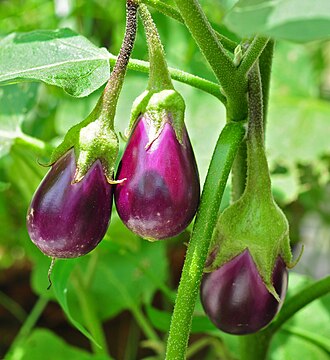
Photo: Wikipedia
Boiled eggplant is a soft, spongy vegetable with a mild, slightly earthy flavor and a texture that readily absorbs seasonings. Nutritionally, it is very low in calories (33 kcal per 100g) and provides a good source of dietary fiber (2.5g), which supports digestive health. Its simple preparation makes it a neutral base for a wide variety of global cuisines.
Calorie split: 9% protein · 86% carbs · 5% fat
↓ Full nutrition💚 Why it's loved
People love boiled eggplant for its incredible versatility and ability to act as a flavor sponge, soaking up sauces, spices, and herbs. It is a beloved staple in many cultures, forming the creamy base of dishes like baba ghanoush or the hearty layers of moussaka.
⚠️ Watch-outs & how to enjoy it better
Some may find boiled eggplant's texture overly soft or spongy if not cooked properly, and its mild flavor can be perceived as bland. For those monitoring sodium intake, the salt added during boiling can be a consideration. To counteract this, you can rinse the slices after boiling or use minimal salt, and pair the eggplant with protein-rich foods like yogurt, beans, or meat to create a more balanced meal.
Key benefits
- Excellent source of dietary fiber for digestive regularity
- Very low in calories and fat, aiding weight management
- Contains antioxidants like nasunin in the skin
- Provides small amounts of essential minerals like manganese and potassium
- High water content contributes to hydration
🍽️ Popular dishes
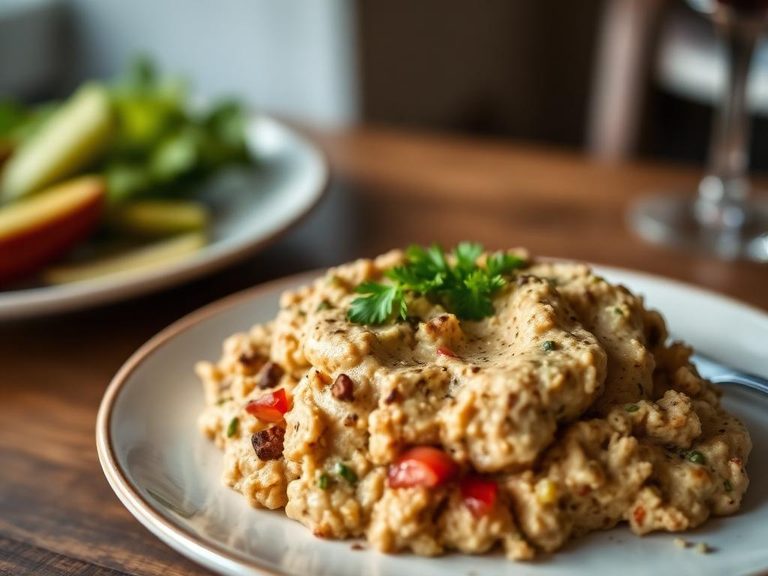
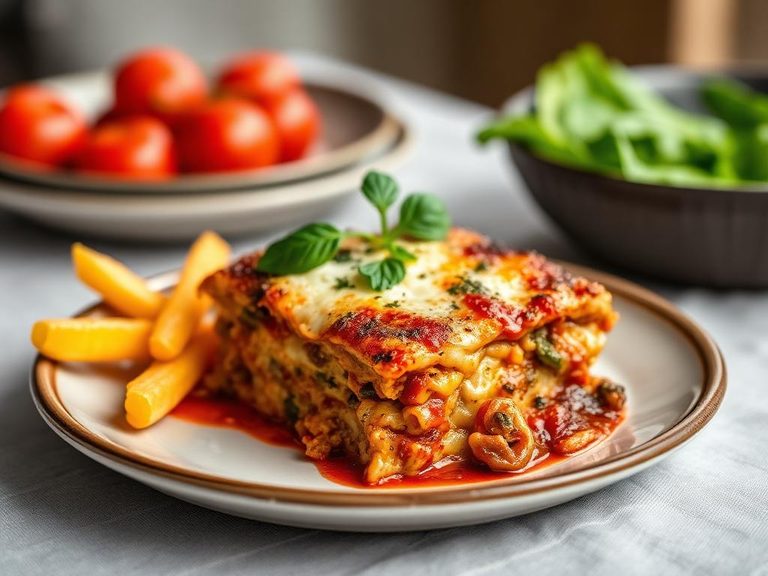
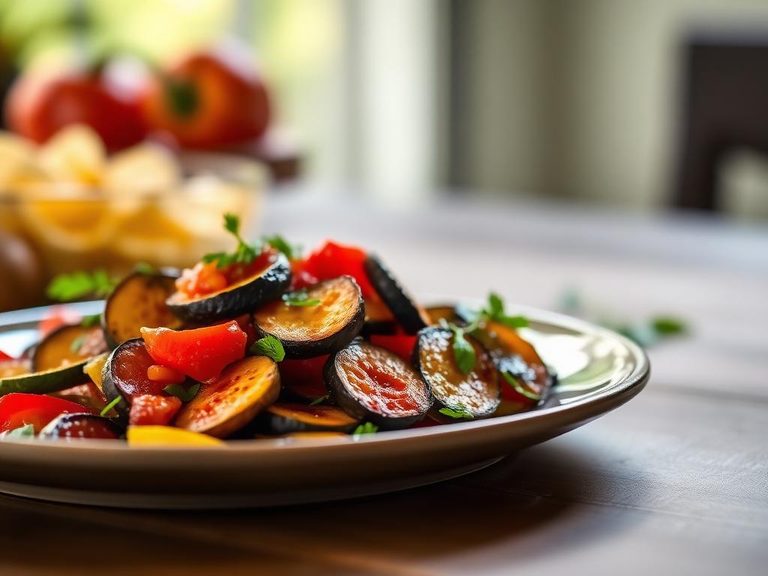
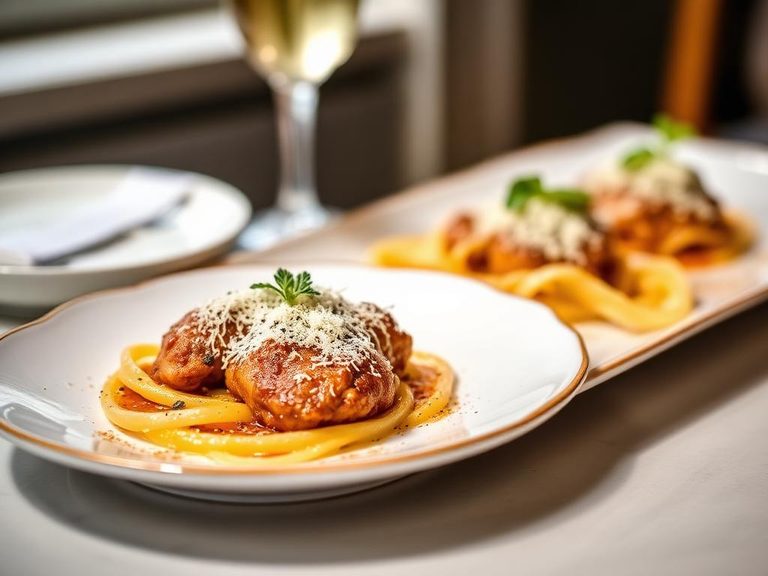
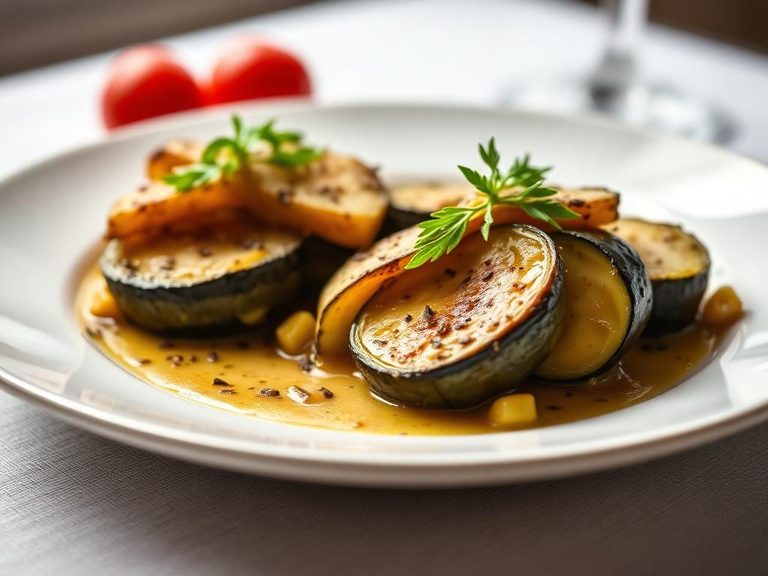
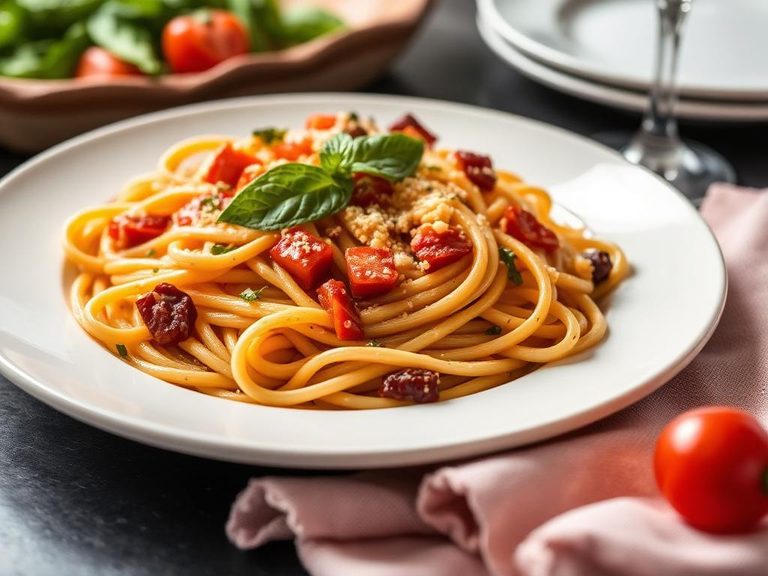
🌍 Where it's eaten
💡 Did you know?
Eggplant is technically a berry, and its scientific name, *Solanum melongena*, places it in the same nightshade family as tomatoes and potatoes.
Full nutrition (USDA data · scales with serving)
| Water | 89.7 g |
| Energy | 33.0 kcal |
| Energy | 138 kj |
| Protein | 0.83 g |
| Total lipid (fat) | 0.23 g |
| Ash | 1.1 g |
| Carbohydrate, by difference | 8.1 g |
| Fiber, total dietary | 2.5 g |
| Total Sugars | 3.2 g |
| Calcium, Ca | 6.0 mg |
| Iron, Fe | 0.25 mg |
| Magnesium, Mg | 11.0 mg |
| Phosphorus, P | 15.0 mg |
| Potassium, K | 123 mg |
| Sodium, Na | 239 mg |
| Zinc, Zn | 0.12 mg |
| Copper, Cu | 0.06 mg |
| Manganese, Mn | 0.11 mg |
| Selenium, Se | 0.10 ug |
| Vitamin C, total ascorbic acid | 1.3 mg |
| Thiamin | 0.08 mg |
| Riboflavin | 0.02 mg |
| Niacin | 0.60 mg |
| Pantothenic acid | 0.07 mg |
| Vitamin B-6 | 0.09 mg |
| Folate, total | 14.0 ug |
| Folic acid | 0.00 ug |
| Folate, food | 14.0 ug |
| Folate, DFE | 14.0 ug |
| Choline, total | 9.4 mg |
| Vitamin B-12 | 0.00 ug |
| Vitamin B-12, added | 0.00 ug |
| Vitamin A, RAE | 2.0 ug |
| Retinol | 0.00 ug |
| Carotene, beta | 22.0 ug |
| Carotene, alpha | 0.00 ug |
| Cryptoxanthin, beta | 0.00 ug |
| Vitamin A, IU | 37.0 iu |
| Lycopene | 0.00 ug |
| Lutein + zeaxanthin | 0.00 ug |
| Vitamin E (alpha-tocopherol) | 0.41 mg |
| Vitamin E, added | 0.00 mg |
| Vitamin D (D2 + D3), International Units | 0.00 iu |
| Vitamin D (D2 + D3) | 0.00 ug |
| Vitamin K (phylloquinone) | 2.9 ug |
Fat & fatty acid profile (per 100g)
| Fatty acids, total saturated | 0.04 g |
| SFA 14:0 | 0.00 g |
| SFA 16:0 | 0.03 g |
| SFA 18:0 | 0.01 g |
| Fatty acids, total monounsaturated | 0.02 g |
| MUFA 16:1 | 0.00 g |
| MUFA 18:1 | 0.02 g |
| Fatty acids, total polyunsaturated | 0.09 g |
| PUFA 18:2 | 0.08 g |
| PUFA 18:3 | 0.01 g |
| Fatty acids, total trans | 0.00 g |
| Cholesterol | 0.00 mg |
Amino acid profile (per 100g)
| Tryptophan | 0.01 g |
| Threonine | 0.03 g |
| Isoleucine | 0.04 g |
| Leucine | 0.05 g |
| Lysine | 0.04 g |
| Methionine | 0.01 g |
| Cystine | 0.00 g |
| Phenylalanine | 0.04 g |
| Tyrosine | 0.02 g |
| Valine | 0.04 g |
| Arginine | 0.05 g |
| Histidine | 0.02 g |
| Alanine | 0.04 g |
| Aspartic acid | 0.13 g |
| Glutamic acid | 0.15 g |
| Glycine | 0.03 g |
| Proline | 0.03 g |
| Serine | 0.03 g |
FAQ
Why is my boiled eggplant so watery?
Eggplant has a very high water content. To reduce wateriness, you can salt the slices and let them sit for 30 minutes to draw out moisture before boiling, or press the cooked eggplant gently in a colander.
How do I prevent it from tasting bitter?
Modern eggplant varieties are bred to be less bitter. However, salting the cut pieces before cooking (a process called 'degorging') can help remove any residual bitterness from older eggplants.
Is the skin edible when boiled?
Yes, the skin is edible and contains many nutrients, including the antioxidant nasunin. It becomes tender when boiled. You can peel it if you prefer a completely smooth texture.
Nutrient density (calculated · NRF9.3)
Nutrient Rich Foods index: beneficial nutrients (protein, fiber, vitamins, minerals) minus saturated fat, added sugar & sodium, per 100 kcal.
NRF9.3 index — Fulgoni, Keast & Drewnowski, 2009. Computed from USDA nutrients.
Weight-loss friendliness (composite index)
Energy density 0.33 kcal/g · 10% calories from protein · 2.5 g fiber · 3.2 g sugar per 100 g.
Composite of energy density (Rolls et al., 1999), protein & fiber satiety, minus sugar. A calculated heuristic — ranks satiety-per-calorie, not a clinical measure.
Dietary load (calculated from USDA values)
Potential renal acid load. Positive = acid-forming, negative = alkaline-forming.
Sodium-to-potassium ratio: 1.94 (lower is better — aim for ≤ 1)
Sodium:potassium per WHO potassium guidance. Computed from USDA nutrients.