

Eggplant, cooked, fat added
Common food

Photo: Wikipedia
Cooked eggplant with added fat transforms from spongy and bitter into a luxuriously creamy, melt-in-your-mouth vegetable with a deep, savory flavor. Its porous flesh acts like a sponge, soaking up cooking oils and seasonings to become rich and satisfying. Despite its indulgent texture, it remains a low-calorie, high-fiber addition to any meal.
Calorie split: 8% protein · 45% carbs · 48% fat
↓ Full nutrition💚 Why it's loved
People love its remarkable ability to absorb flavors and become the savory, hearty centerpiece of a dish, offering a satisfying, meaty bite. Its versatility allows it to shine in everything from smoky dips to hearty stews and elegant grilled platters.
⚠️ Watch-outs & how to enjoy it better
The primary downside is its sponge-like nature, which can lead to high fat and calorie absorption if fried generously. To counteract this, use cooking methods like grilling, roasting, or steaming with minimal oil, or salt and drain slices first to reduce oil uptake. Those monitoring blood sugar should note its moderate carb content, which can be balanced by pairing with protein or healthy fats.
Key benefits
- Excellent source of dietary fiber (3.1g per 100g)
- Very low in calories (51 kcal per 100g)
- Contains antioxidants like nasunin in its purple skin
- Good source of potassium and manganese
- Provides a creamy texture without dairy
🍽️ Popular dishes
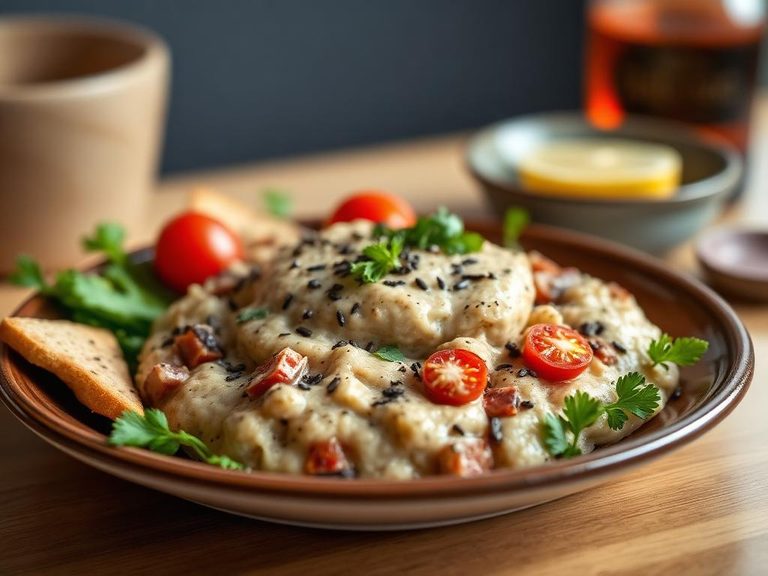
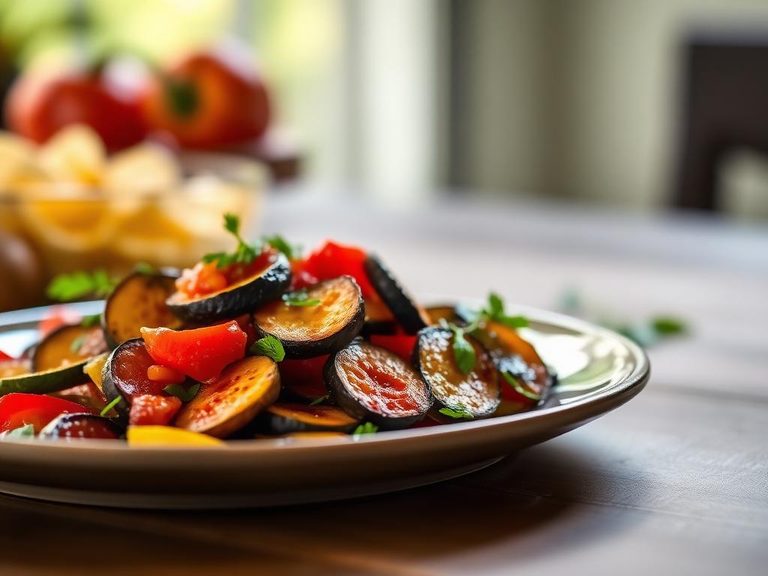
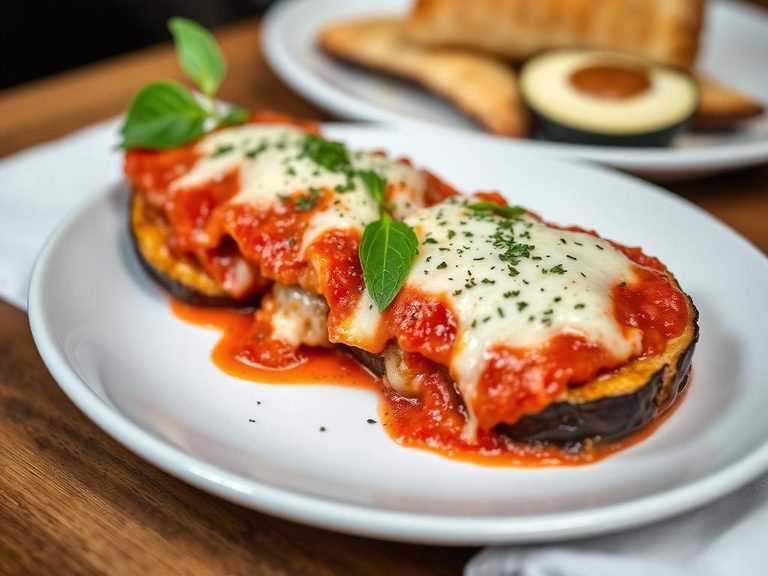
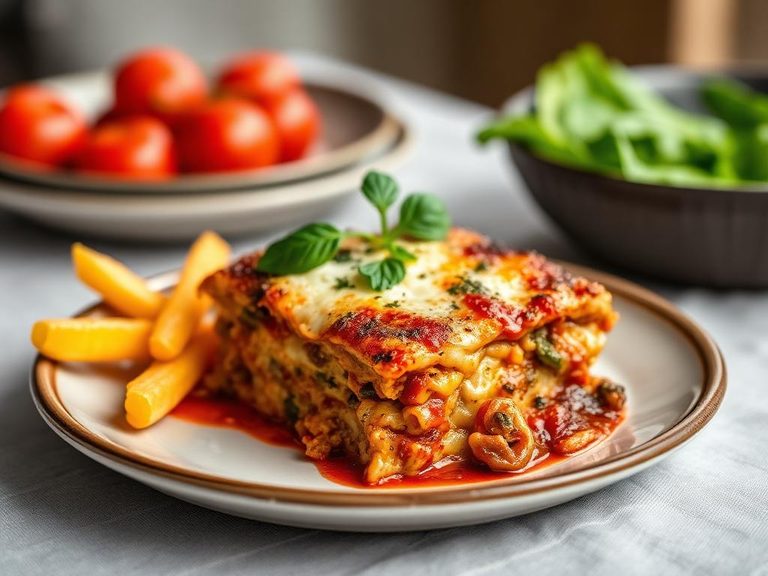
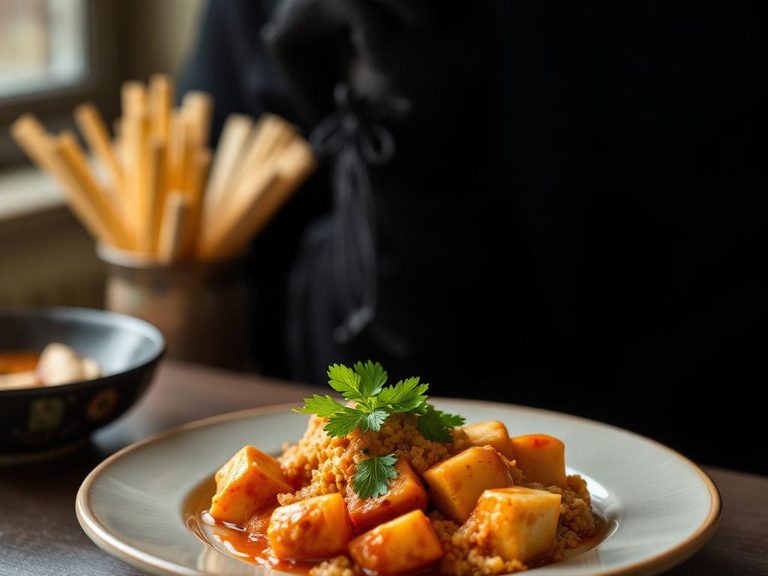
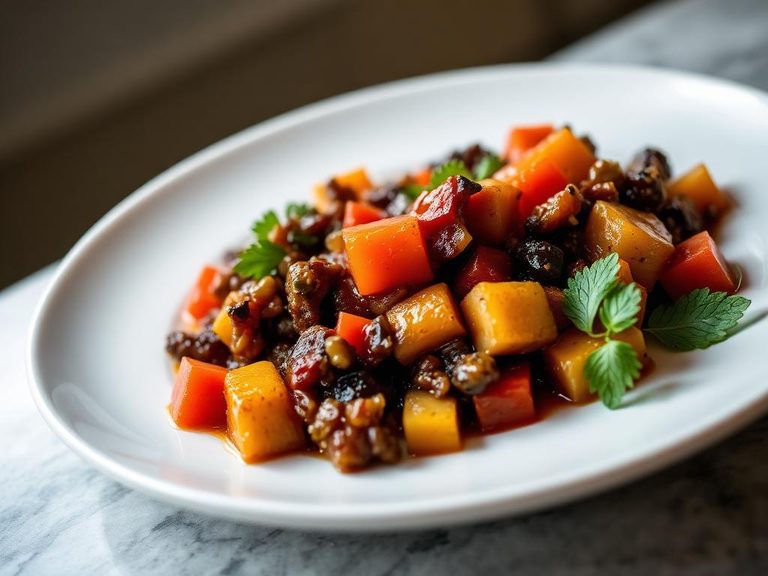
🌍 Where it's eaten
💡 Did you know?
The spongy texture of eggplant is due to its high air content—its flesh is actually about 92% air!
Full nutrition (USDA data · scales with serving)
| Water | 88.9 g |
| Energy | 51.0 kcal |
| Protein | 1.0 g |
| Total lipid (fat) | 2.9 g |
| Carbohydrate, by difference | 6.1 g |
| Fiber, total dietary | 3.1 g |
| Total Sugars | 3.7 g |
| Calcium, Ca | 10.0 mg |
| Iron, Fe | 0.24 mg |
| Magnesium, Mg | 15.0 mg |
| Phosphorus, P | 25.0 mg |
| Potassium, K | 239 mg |
| Sodium, Na | 132 mg |
| Zinc, Zn | 0.17 mg |
| Copper, Cu | 0.08 mg |
| Selenium, Se | 0.30 ug |
| Vitamin C, total ascorbic acid | 1.9 mg |
| Thiamin | 0.04 mg |
| Riboflavin | 0.04 mg |
| Niacin | 0.64 mg |
| Vitamin B-6 | 0.10 mg |
| Folate, total | 20.0 ug |
| Folic acid | 0.00 ug |
| Folate, food | 20.0 ug |
| Folate, DFE | 20.0 ug |
| Choline, total | 7.4 mg |
| Vitamin B-12 | 0.00 ug |
| Vitamin B-12, added | 0.00 ug |
| Vitamin A, RAE | 13.0 ug |
| Retinol | 12.0 ug |
| Carotene, beta | 19.0 ug |
| Carotene, alpha | 0.00 ug |
| Cryptoxanthin, beta | 0.00 ug |
| Lycopene | 0.00 ug |
| Lutein + zeaxanthin | 36.0 ug |
| Vitamin E (alpha-tocopherol) | 0.72 mg |
| Vitamin E, added | 0.00 mg |
| Vitamin D (D2 + D3) | 0.00 ug |
| Vitamin K (phylloquinone) | 5.9 ug |
| Alcohol, ethyl | 0.00 g |
| Caffeine | 0.00 mg |
| Theobromine | 0.00 mg |
Fat & fatty acid profile (per 100g)
| Fatty acids, total saturated | 0.75 g |
| SFA 4:0 | 0.02 g |
| SFA 6:0 | 0.01 g |
| SFA 8:0 | 0.01 g |
| SFA 10:0 | 0.02 g |
| SFA 12:0 | 0.02 g |
| SFA 14:0 | 0.07 g |
| SFA 16:0 | 0.42 g |
| SFA 18:0 | 0.16 g |
| Fatty acids, total monounsaturated | 0.99 g |
| MUFA 16:1 | 0.02 g |
| MUFA 18:1 | 0.95 g |
| MUFA 20:1 | 0.01 g |
| MUFA 22:1 | 0.00 g |
| Fatty acids, total polyunsaturated | 0.86 g |
| PUFA 18:2 | 0.76 g |
| PUFA 18:3 | 0.10 g |
| PUFA 18:4 | 0.00 g |
| PUFA 20:4 | 0.00 g |
| PUFA 20:5 n-3 (EPA) | 0.00 g |
| PUFA 22:5 n-3 (DPA) | 0.00 g |
| PUFA 22:6 n-3 (DHA) | 0.00 g |
| Cholesterol | 2.0 mg |
Amino acid profile (per 100g)
Estimated from Eggplant, raw — USDA does not publish this profile for Eggplant.
| Tryptophan | 0.01 g |
| Threonine | 0.04 g |
| Isoleucine | 0.04 g |
| Leucine | 0.06 g |
| Lysine | 0.05 g |
| Methionine | 0.01 g |
| Cystine | 0.01 g |
| Phenylalanine | 0.04 g |
| Tyrosine | 0.03 g |
| Valine | 0.05 g |
| Arginine | 0.06 g |
| Histidine | 0.02 g |
| Alanine | 0.05 g |
| Aspartic acid | 0.16 g |
| Glutamic acid | 0.19 g |
| Glycine | 0.04 g |
| Proline | 0.04 g |
| Serine | 0.04 g |
FAQ
Why is my cooked eggplant rubbery or tough?
This often happens when it's undercooked or cooked at too low a heat. Eggplant needs sufficient heat and time for its cell walls to break down and become tender. Try roasting at a higher temperature (400°F/200°C) or sautéing over medium-high heat until deeply golden.
Do I need to salt eggplant before cooking?
It's not strictly necessary with modern varieties, but salting can help draw out excess moisture and any residual bitterness, leading to a creamier texture and less oil absorption during frying. It's a good step for larger, older eggplants.
How can I reduce the amount of oil eggplant absorbs?
Use high-heat cooking methods like grilling or roasting where oil is brushed on lightly. You can also microwave sliced eggplant for a few minutes before frying to pre-cook it and reduce its oil-soaking capacity.
Nutrient density (calculated · NRF9.3)
Nutrient Rich Foods index: beneficial nutrients (protein, fiber, vitamins, minerals) minus saturated fat, added sugar & sodium, per 100 kcal.
NRF9.3 index — Fulgoni, Keast & Drewnowski, 2009. Computed from USDA nutrients.
Weight-loss friendliness (composite index)
Energy density 0.51 kcal/g · 8% calories from protein · 3.1 g fiber · 3.7 g sugar per 100 g.
Composite of energy density (Rolls et al., 1999), protein & fiber satiety, minus sugar. A calculated heuristic — ranks satiety-per-calorie, not a clinical measure.
Dietary load (calculated from USDA values)
Potential renal acid load. Positive = acid-forming, negative = alkaline-forming.
Sodium-to-potassium ratio: 0.55 (lower is better — aim for ≤ 1)
Sodium:potassium per WHO potassium guidance. Computed from USDA nutrients.