

Cucumber, raw
Common food
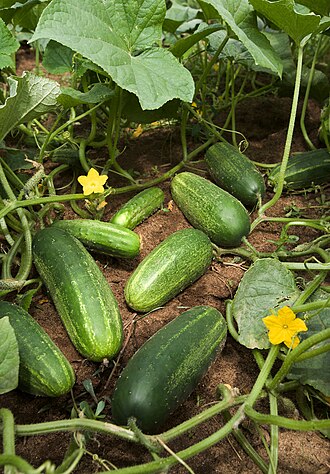
Photo: Wikipedia
The cucumber is a crisp, hydrating fruit (yes, fruit!) from the gourd family, prized for its cool, clean flavor and satisfying crunch. With a water content exceeding 95%, it's one of the most refreshing bites you can find, offering a mild, slightly sweet taste and a texture that ranges from snappy to tender depending on the variety and preparation. Nutritionally, it's a calorie-free canvas, contributing negligible energy but valuable hydration and trace minerals.
Calorie split: 16% protein · 74% carbs · 10% fat
↓ Full nutrition💚 Why it's loved
People adore cucumbers for their unparalleled refreshing quality and culinary versatility—they can be a cool snack, a crunchy salad base, a tangy pickle, or a soothing spa water infusion. Their mild flavor makes them a universal palate cleanser and a staple in cuisines worldwide.
⚠️ Watch-outs & how to enjoy it better
While generally benign, cucumbers contain oxalates, which can contribute to kidney stone formation in susceptible individuals; pairing with calcium-rich foods like yogurt can help bind oxalates. The skin, where many nutrients reside, can be tough or bitter for some; peeling or choosing English/hothouse varieties mitigates this. For those monitoring blood sugar, the low-carb count is favorable, but sweet pickled versions add sugar.
Key benefits
- Exceptional hydration source due to >95% water content
- Very low calorie density, aiding weight management
- Provides vitamin K, essential for blood clotting and bone health
- Contains antioxidants like flavonoids and tannins
- Adds volume and crunch to meals without significant energy
🍽️ Popular dishes
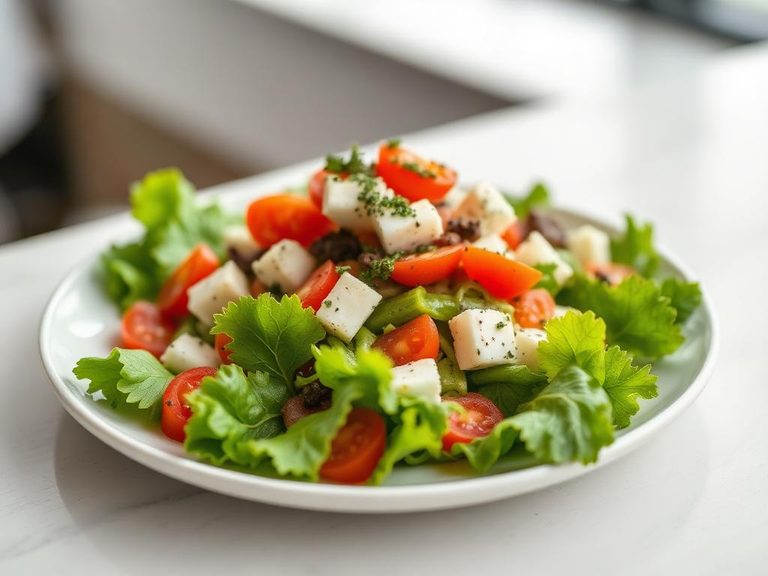
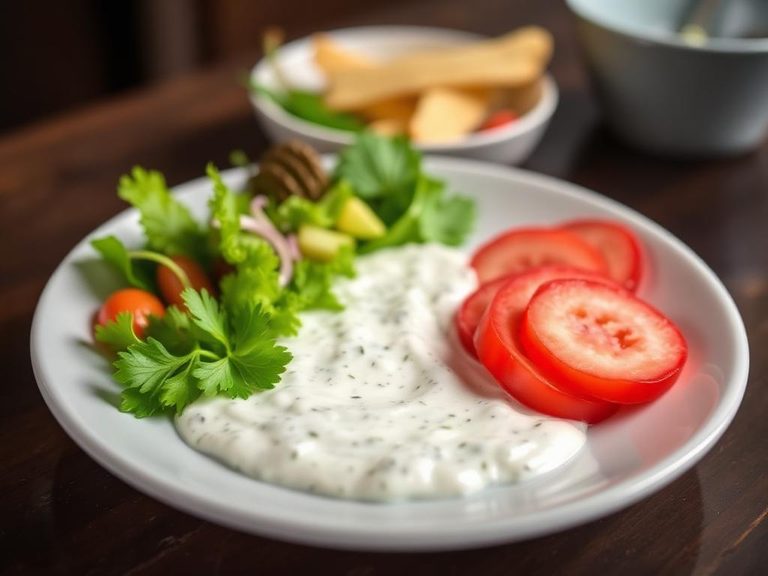
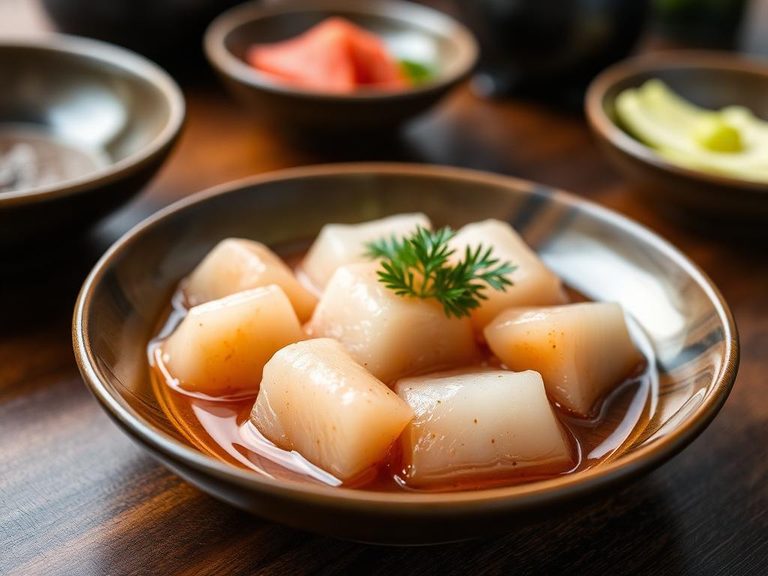
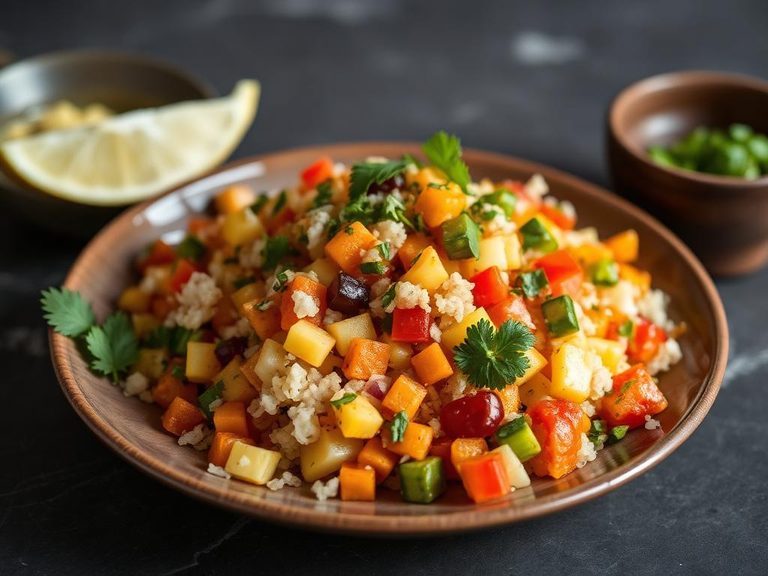
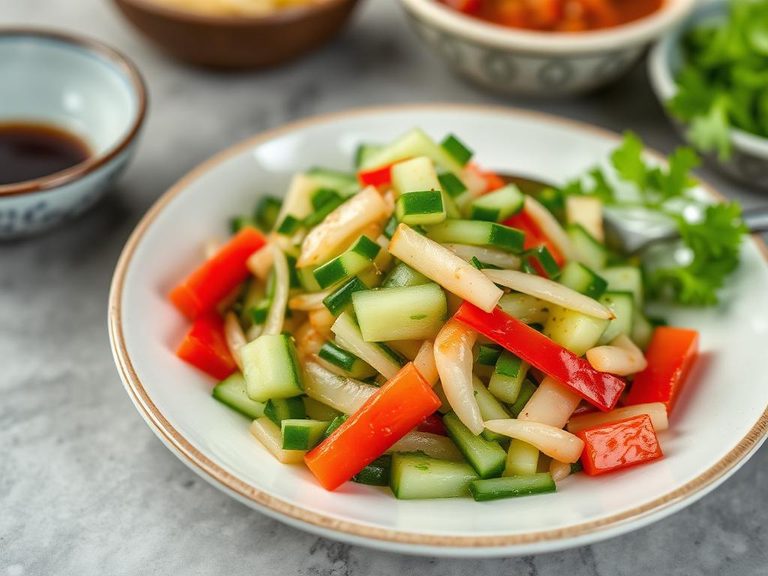
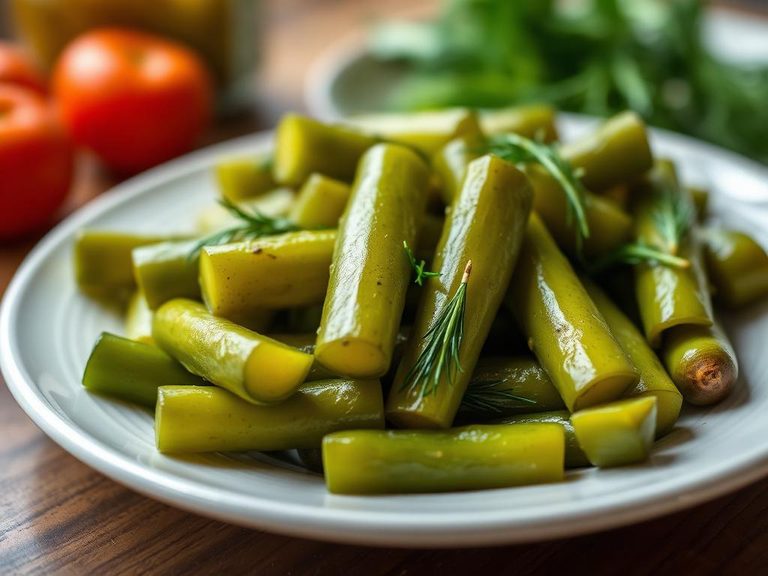
🌍 Where it's eaten
💡 Did you know?
Cucumbers are botanically berries, and in the 17th century, Europeans believed they could cause madness if eaten in large quantities—a myth possibly stemming from their association with the poor or their mild toxicity when unripe.
Full nutrition (USDA data · scales with serving)
| Water | 95.9 g |
| Energy | 16.0 kcal |
| Protein | 0.62 g |
| Total lipid (fat) | 0.18 g |
| Carbohydrate, by difference | 3.0 g |
| Fiber, total dietary | 0.50 g |
| Total Sugars | 1.7 g |
| Calcium, Ca | 16.0 mg |
| Iron, Fe | 0.00 mg |
| Magnesium, Mg | 10.0 mg |
| Phosphorus, P | 23.0 mg |
| Potassium, K | 170 mg |
| Sodium, Na | 2.0 mg |
| Zinc, Zn | 0.20 mg |
| Copper, Cu | 0.06 mg |
| Selenium, Se | 0.30 ug |
| Vitamin C, total ascorbic acid | 2.8 mg |
| Thiamin | 0.03 mg |
| Riboflavin | 0.03 mg |
| Niacin | 0.10 mg |
| Vitamin B-6 | 0.04 mg |
| Folate, total | 7.0 ug |
| Folic acid | 0.00 ug |
| Folate, food | 7.0 ug |
| Folate, DFE | 7.0 ug |
| Choline, total | 6.0 mg |
| Vitamin B-12 | 0.00 ug |
| Vitamin B-12, added | 0.00 ug |
| Vitamin A, RAE | 5.0 ug |
| Retinol | 0.00 ug |
| Carotene, beta | 45.0 ug |
| Carotene, alpha | 11.0 ug |
| Cryptoxanthin, beta | 26.0 ug |
| Lycopene | 0.00 ug |
| Lutein + zeaxanthin | 23.0 ug |
| Vitamin E (alpha-tocopherol) | 0.03 mg |
| Vitamin E, added | 0.00 mg |
| Vitamin D (D2 + D3) | 0.00 ug |
| Vitamin K (phylloquinone) | 24.0 ug |
| Alcohol, ethyl | 0.00 g |
| Caffeine | 0.00 mg |
| Theobromine | 0.00 mg |
Fat & fatty acid profile (per 100g)
| Fatty acids, total saturated | 0.04 g |
| SFA 4:0 | 0.00 g |
| SFA 6:0 | 0.00 g |
| SFA 8:0 | 0.00 g |
| SFA 10:0 | 0.00 g |
| SFA 12:0 | 0.00 g |
| SFA 14:0 | 0.01 g |
| SFA 16:0 | 0.03 g |
| SFA 18:0 | 0.01 g |
| Fatty acids, total monounsaturated | 0.01 g |
| MUFA 16:1 | 0.00 g |
| MUFA 18:1 | 0.01 g |
| MUFA 20:1 | 0.00 g |
| MUFA 22:1 | 0.00 g |
| Fatty acids, total polyunsaturated | 0.03 g |
| PUFA 18:2 | 0.03 g |
| PUFA 18:3 | 0.01 g |
| PUFA 18:4 | 0.00 g |
| PUFA 20:4 | 0.00 g |
| PUFA 20:5 n-3 (EPA) | 0.00 g |
| PUFA 22:5 n-3 (DPA) | 0.00 g |
| PUFA 22:6 n-3 (DHA) | 0.00 g |
| Cholesterol | 0.00 mg |
Amino acid profile (per 100g)
Estimated from Cucumber, with peel, raw — USDA does not publish this profile for Cucumber.
| Tryptophan | 0.01 g |
| Threonine | 0.02 g |
| Isoleucine | 0.02 g |
| Leucine | 0.03 g |
| Lysine | 0.03 g |
| Methionine | 0.01 g |
| Cystine | 0.00 g |
| Phenylalanine | 0.02 g |
| Tyrosine | 0.01 g |
| Valine | 0.02 g |
| Arginine | 0.04 g |
| Histidine | 0.01 g |
| Alanine | 0.02 g |
| Aspartic acid | 0.04 g |
| Glutamic acid | 0.20 g |
| Glycine | 0.02 g |
| Proline | 0.01 g |
| Serine | 0.02 g |
FAQ
Are cucumber seeds edible?
Yes, the seeds of common garden and English cucumbers are fully edible and contain fiber and minerals. Larger, mature seeds in some varieties can be scooped out if preferred.
How do I pick a fresh cucumber?
Look for firm, uniformly green cucumbers without soft spots, yellowing, or wrinkles. The skin should be smooth and taut, and the cucumber should feel heavy for its size, indicating high water content.
Why do some cucumbers taste bitter?
Bitterness comes from cucurbitacin compounds, concentrated in the stem end and skin. Peeling the cucumber and/or cutting off the top inch can reduce bitterness. Growing conditions (stress, temperature) can also increase cucurbitacin levels.
Nutrient density (calculated · NRF9.3)
Nutrient Rich Foods index: beneficial nutrients (protein, fiber, vitamins, minerals) minus saturated fat, added sugar & sodium, per 100 kcal.
NRF9.3 index — Fulgoni, Keast & Drewnowski, 2009. Computed from USDA nutrients.
Weight-loss friendliness (composite index)
Energy density 0.16 kcal/g · 16% calories from protein · 0.5 g fiber · 1.7 g sugar per 100 g.
Composite of energy density (Rolls et al., 1999), protein & fiber satiety, minus sugar. A calculated heuristic — ranks satiety-per-calorie, not a clinical measure.
Dietary load (calculated from USDA values)
Potential renal acid load. Positive = acid-forming, negative = alkaline-forming.
Sodium-to-potassium ratio: 0.01 (lower is better — aim for ≤ 1)
Sodium:potassium per WHO potassium guidance. Computed from USDA nutrients.